›››
Austria — Media Gallery
90 items available (flags, maps, photos)
Photos
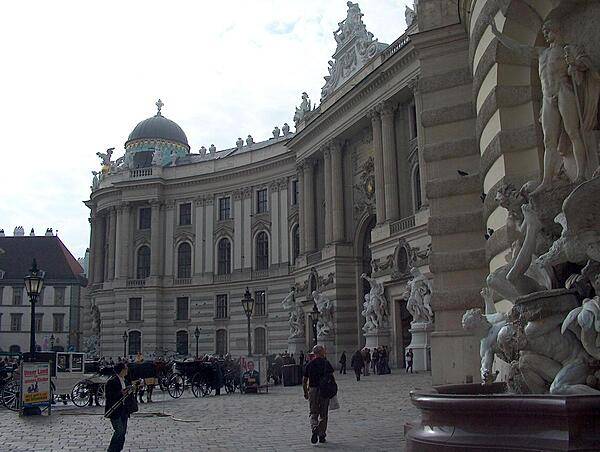
The Michaelertrakt (Michael's Wing) of the Hofburg (Imperial Palace) was designed by the renowned Austrian architect Joseph Emanuel Fischer von Erlach in 1726, but not actually constructed until 1889-1893! The fountain, Power on Land, may be seen on the right.
The Michaelertrakt (Michael's Wing) of the Hofburg (Imperial Palace) was designed by the renowned Austrian architect Joseph Emanuel Fischer von Erlach in 1726, but not actually constructed until 1889-1893! The fountain, Power on Land, may be seen on the right. • CIA World Factbook • 2020
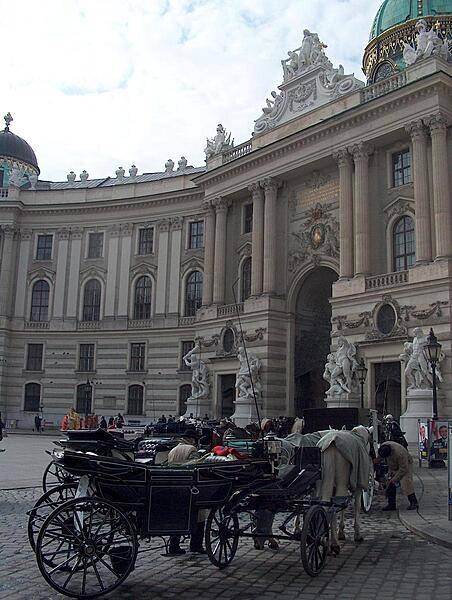
Horse-drawn coaches (known as fiaker in Vienna) await riders in front of the grand Michaelertrakt (Michael's Wing) of the Hofburg (Imperial Palace).
Horse-drawn coaches (known as fiaker in Vienna) await riders in front of the grand Michaelertrakt (Michael's Wing) of the Hofburg (Imperial Palace). • CIA World Factbook • 2020
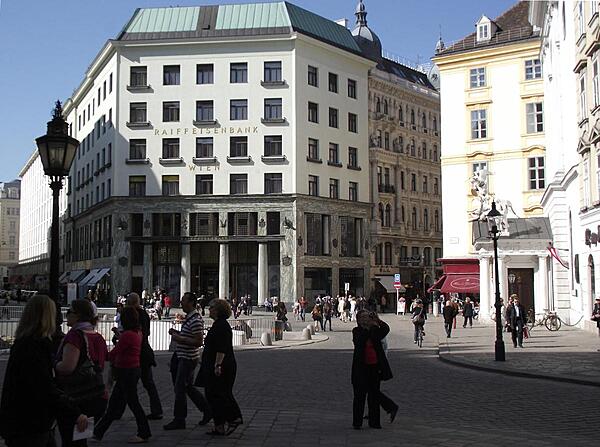
The Looshaus in Vienna is a quintessential example of Wiener Moderne (Vienna Modern Age) architecture (ca. 1890-1910), which eschewed external ornamentation. Upon completion in 1910, it initially shocked Vienna's citizenry, who referred to it as the "house without eyebrows."
The Looshaus in Vienna is a quintessential example of Wiener Moderne (Vienna Modern Age) architecture (ca. 1890-1910), which eschewed external ornamentation. Upon completion in 1910, it initially shocked Vienna's citizenry, who referred to it as the "house without eyebrows." • CIA World Factbook • 2020
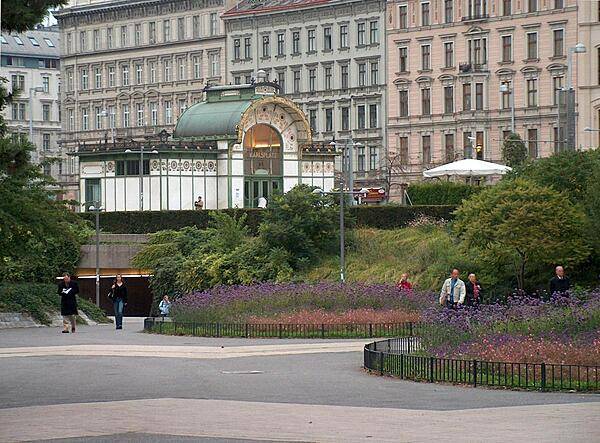
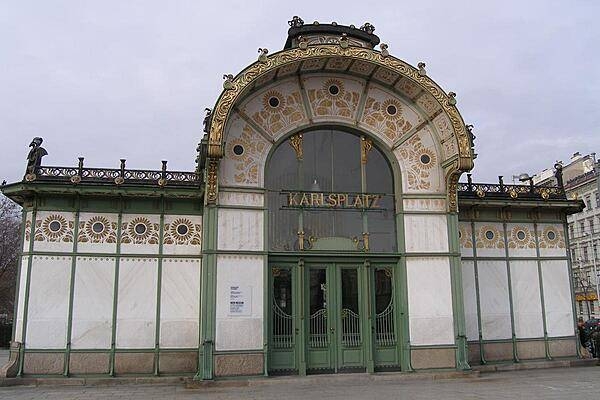
View showing the original above-ground Jugendstil (Art Nouveau) Karlsplatz city rail pavillion in Vienna, as well as the present-day underground subway entrance. Vienna's first rail mass transit system opened in 1898; in 1976 it was integrated into the newly established U-Bahn (metro), which is currently about 75 km (46 mi) long.
View showing the original above-ground Jugendstil (Art Nouveau) Karlsplatz city rail pavillion in Vienna, as well as the present-day underground subway entrance. Vienna's first rail mass transit system opened in 1898; in 1976 it was integrated into the newly established U-Bahn (metro), which is currently about 75 km (46 mi) long. • CIA World Factbook • 2020
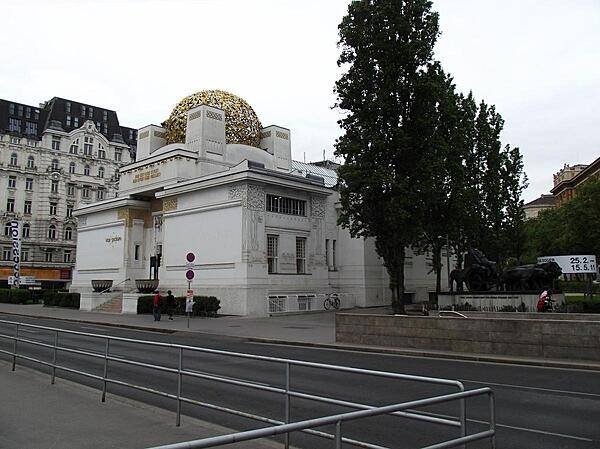
The Secession Building in Vienna, constructed 1897-98, was meant to be an "architectural manifesto" and exhibit hall for the Secession artists of Vienna (painters, architects, and sculptors who had rejected the conservatism of the prevailing artistic establishment). Secession style became a branch of Jugendstil (Art Nouveau).
The Secession Building in Vienna, constructed 1897-98, was meant to be an "architectural manifesto" and exhibit hall for the Secession artists of Vienna (painters, architects, and sculptors who had rejected the conservatism of the prevailing artistic establishment). Secession style became a branch of Jugendstil (Art Nouveau). • CIA World Factbook • 2020
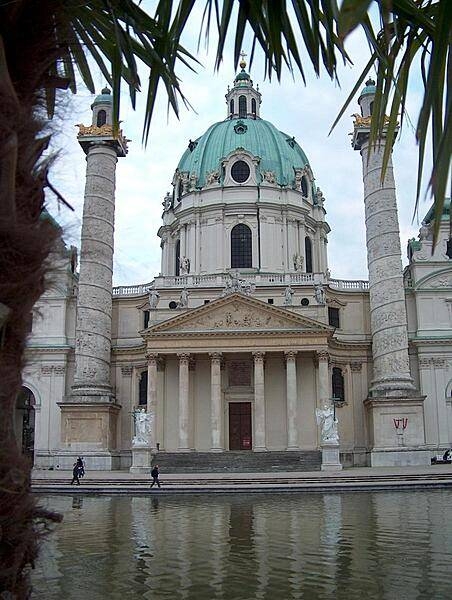
The Karlskirche (St. Charles Borromeo Church) in Vienna, is flanked by two massive spiral columns, modeled after Trajan's Column in Rome.
The Karlskirche (St. Charles Borromeo Church) in Vienna, is flanked by two massive spiral columns, modeled after Trajan's Column in Rome. • CIA World Factbook • 2020
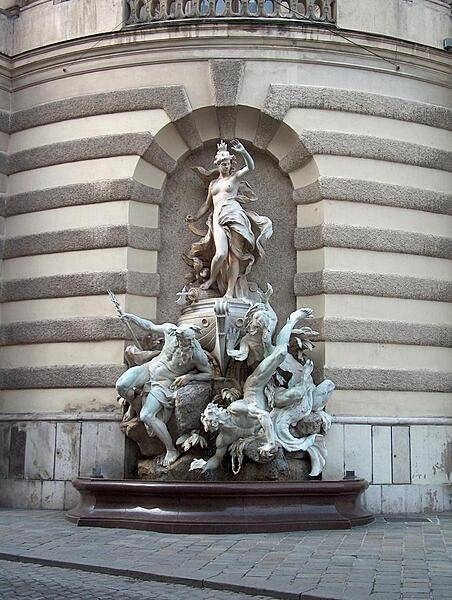
The fountain, Power at Sea, one of two that grace the front of the Michaelertrakt (Michael's Wing) of the Hofburg (Imperial Palace) in Vienna.
The fountain, Power at Sea, one of two that grace the front of the Michaelertrakt (Michael's Wing) of the Hofburg (Imperial Palace) in Vienna. • CIA World Factbook • 2020
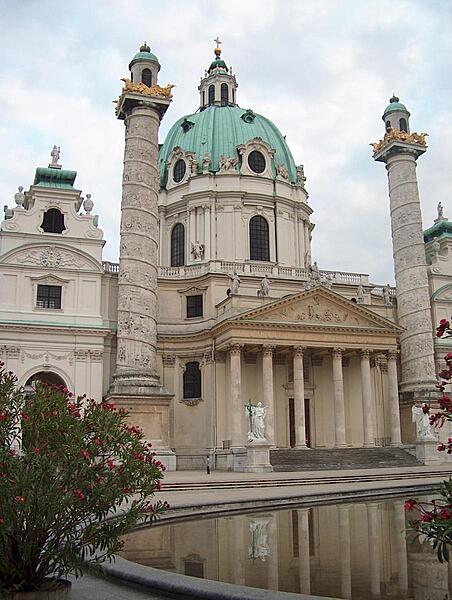
The Karlskirche (St. Charles Borromeo Church) in Vienna, built between 1716 and 1737, is a Baroque masterpiece. Its architect, Johann Bernhard Fischer von Erlach, sought to fuse elements and ideas from the most significant churches in Europe, including the Pantheon and St. Peter's Basilica in Rome, the Hagia Sofia in Constantinople, the Dome des Invalides in Paris, and St. Paul's Cathedral in London.
The Karlskirche (St. Charles Borromeo Church) in Vienna, built between 1716 and 1737, is a Baroque masterpiece. Its architect, Johann Bernhard Fischer von Erlach, sought to fuse elements and ideas from the most significant churches in Europe, including the Pantheon and St. Peter's Basilica in Rome, the Hagia Sofia in Constantinople, the Dome des Invalides in Paris, and St. Paul's Cathedral in London. • CIA World Factbook • 2020
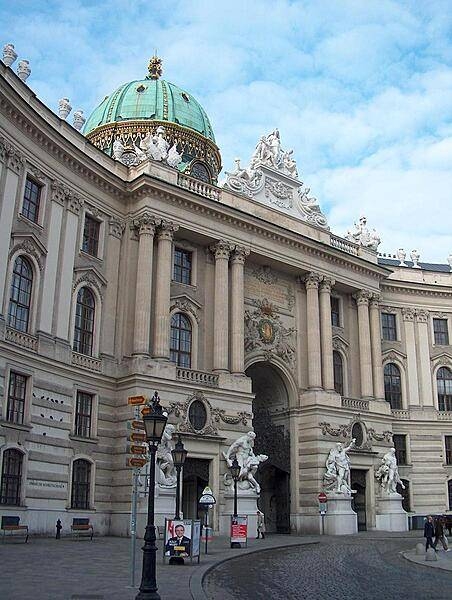
The Michaelertor (Michael's Gate) in the Michaelertrakt (Michael's Wing) of the Hofburg (Imperial Palace) in Vienna.
The Michaelertor (Michael's Gate) in the Michaelertrakt (Michael's Wing) of the Hofburg (Imperial Palace) in Vienna. • CIA World Factbook • 2020
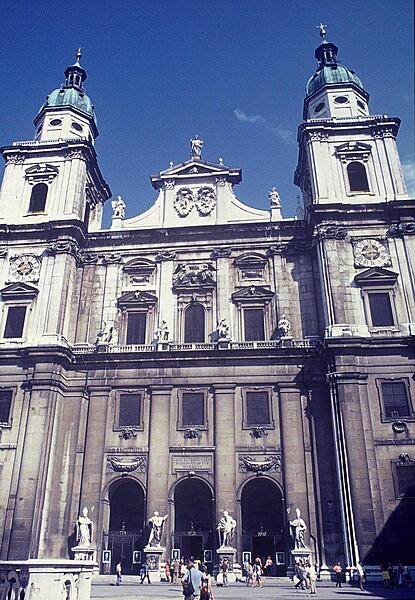
The 17th century baroque cathedral in Salzburg, dedicated to St. Rupert. The missionary saint promoted the salt mines around the ruined old Roman settlement of Juvavum, made the site his base for spreading the gospel, and renamed the place Salzburg (literally "salt castle" in German).
The 17th century baroque cathedral in Salzburg, dedicated to St. Rupert. The missionary saint promoted the salt mines around the ruined old Roman settlement of Juvavum, made the site his base for spreading the gospel, and renamed the place Salzburg (literally "salt castle" in German). • CIA World Factbook • 2020
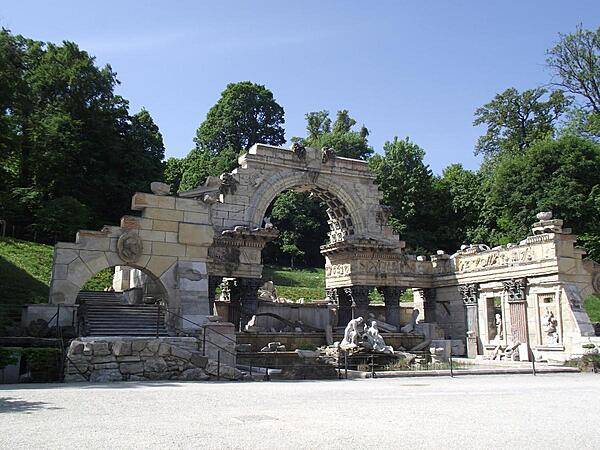
The "Roman Ruin" on the grounds of Schoenbrunn Palace in Vienna actually dates to 1778. It was deliberately constructed to be a picturesque horticultural feature integrated into the parklike surroundings.
The "Roman Ruin" on the grounds of Schoenbrunn Palace in Vienna actually dates to 1778. It was deliberately constructed to be a picturesque horticultural feature integrated into the parklike surroundings. • CIA World Factbook • 2020
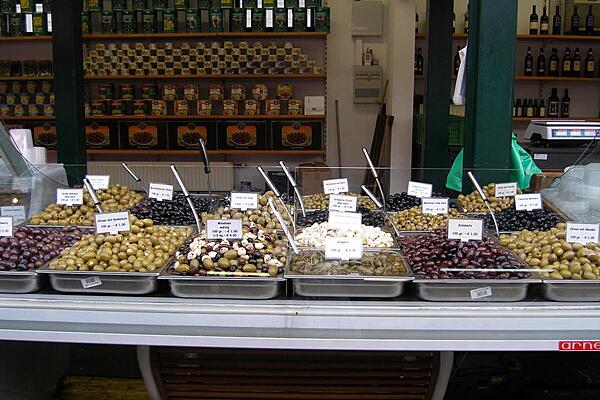
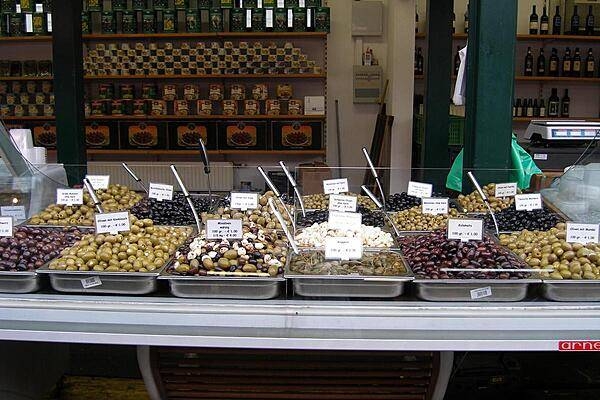
A diverse selection of olives at Vienna's eclectic Naschmarkt.
A diverse selection of olives at Vienna's eclectic Naschmarkt. • CIA World Factbook • 2020
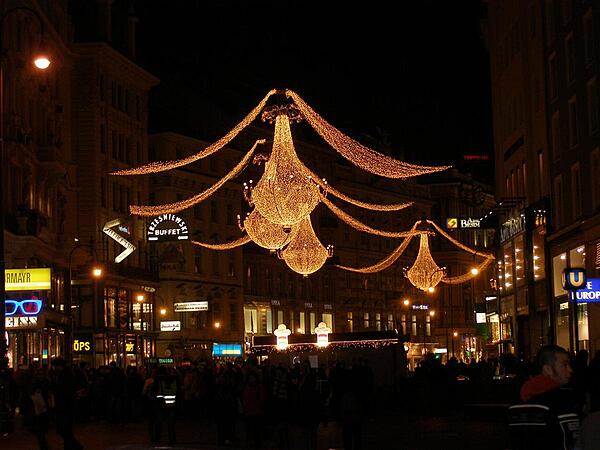
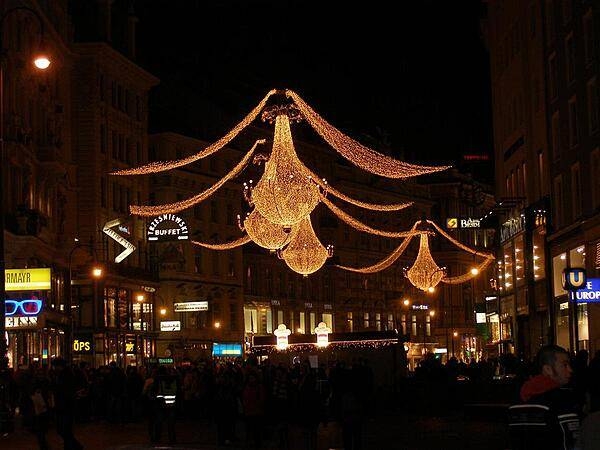
Lights on Vienna's Kaertnerstrasse, an elegant shopping street.
Lights on Vienna's Kaertnerstrasse, an elegant shopping street. • CIA World Factbook • 2020
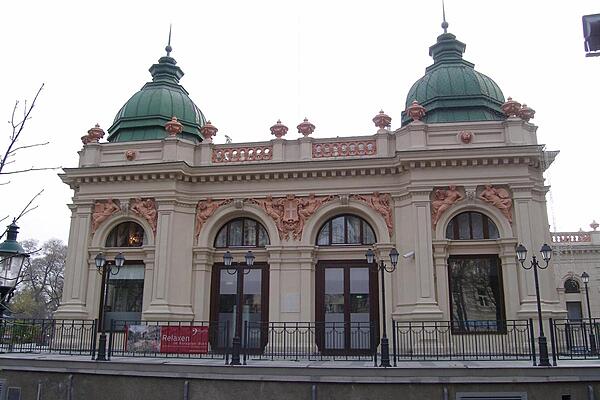
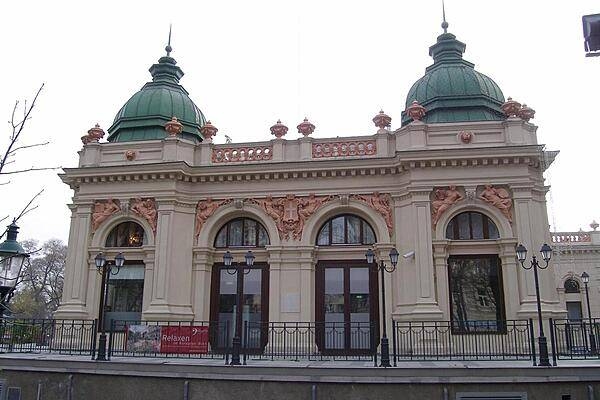
The Kursalon is a neo-Renaissance spa pavilion located in the Wiener Stadtpark (Vienna City Park). The spa, with healing mineral waters, opened in 1867 and is still a popular place for concerts, dancing, club meetings, and congresses.
The Kursalon is a neo-Renaissance spa pavilion located in the Wiener Stadtpark (Vienna City Park). The spa, with healing mineral waters, opened in 1867 and is still a popular place for concerts, dancing, club meetings, and congresses. • CIA World Factbook • 2020
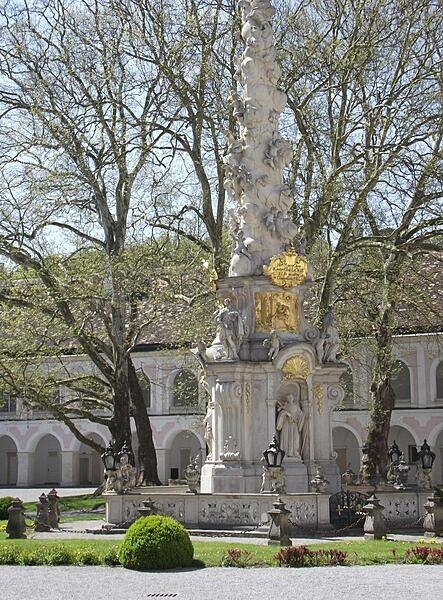
The Baroque Holy Trinity Column in the large inner court of Heiligenkreuz Abbey.
The Baroque Holy Trinity Column in the large inner court of Heiligenkreuz Abbey. • CIA World Factbook • 2020
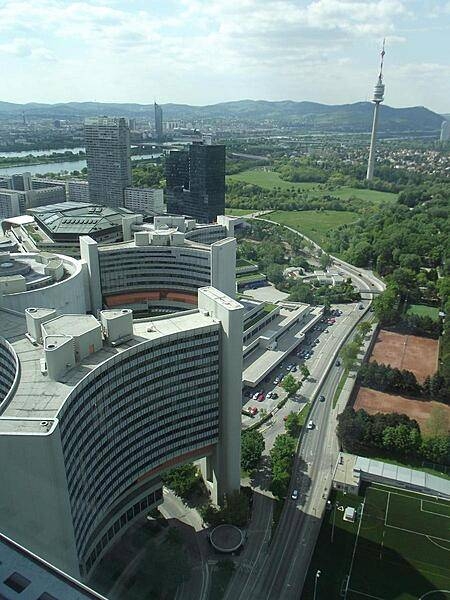
A bird's-eye view of two of the six Y-shaped office buildings, as well as the central cylindrical conference center, that make up part the United Nations Office complex in Vienna. In the distance is the 252 m (827 ft) Donauturn (Danube Tower) the tallest structure in Austria. In addition to its use as a communication tower, it also houses two revolving retaurants and has an observation deck.
A bird's-eye view of two of the six Y-shaped office buildings, as well as the central cylindrical conference center, that make up part the United Nations Office complex in Vienna. In the distance is the 252 m (827 ft) Donauturn (Danube Tower) the tallest structure in Austria. In addition to its use as a communication tower, it also houses two revolving retaurants and has an observation deck. • CIA World Factbook • 2020
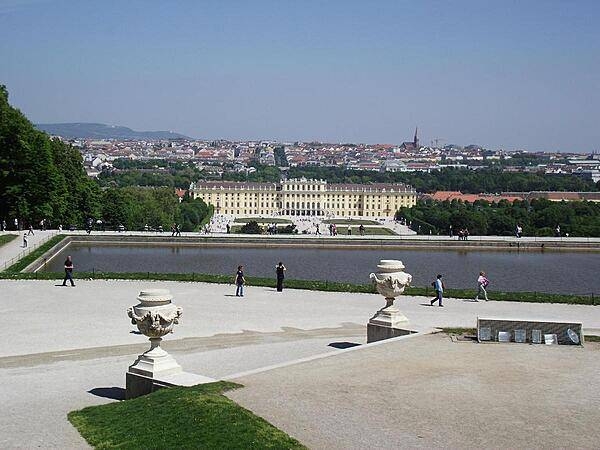
View of Shoenbrunn Palace as seen from the Gloriette.
View of Shoenbrunn Palace as seen from the Gloriette. • CIA World Factbook • 2020
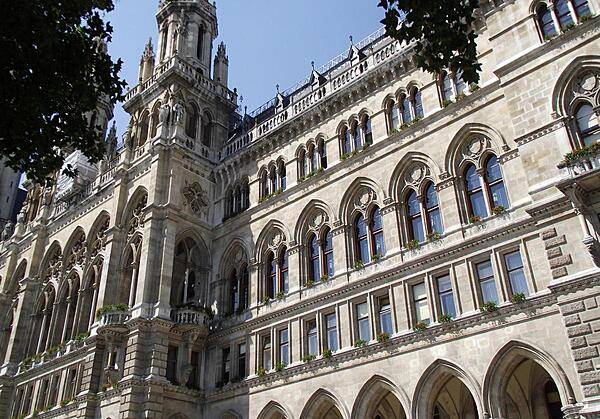
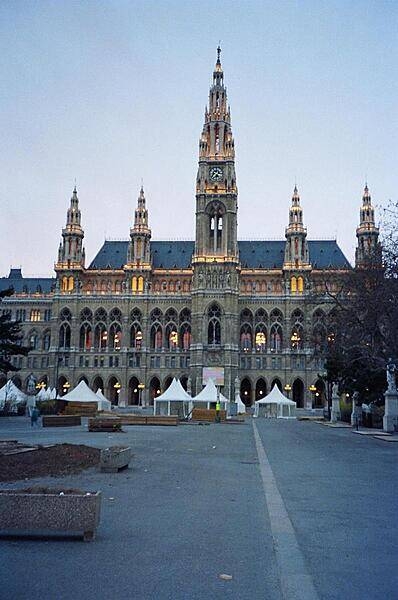
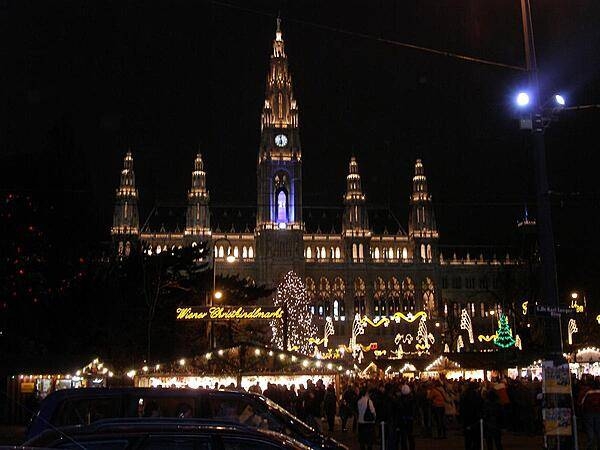
A view of the facade of the Rathaus (City Hall) in Vienna; it serves as the seat of both the mayor and city council. The neo-Gothic structure took 11 years to complete (1872-1883).
A view of the facade of the Rathaus (City Hall) in Vienna; it serves as the seat of both the mayor and city council. The neo-Gothic structure took 11 years to complete (1872-1883). • CIA World Factbook • 2020
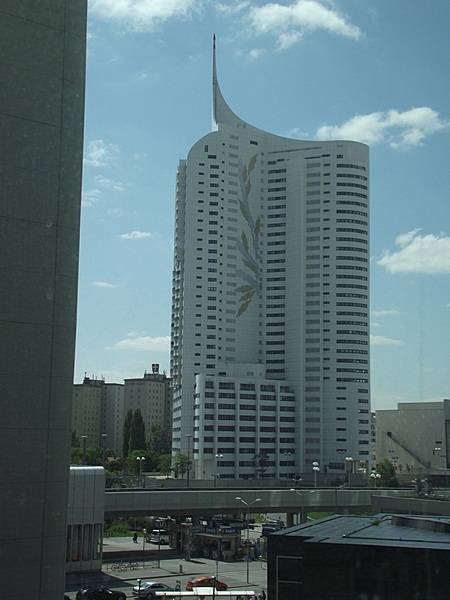
This distinctive building is the Hochhaus Neue Donau (High Rise New Danube), the tallest residential building in Austria.
This distinctive building is the Hochhaus Neue Donau (High Rise New Danube), the tallest residential building in Austria. • CIA World Factbook • 2020
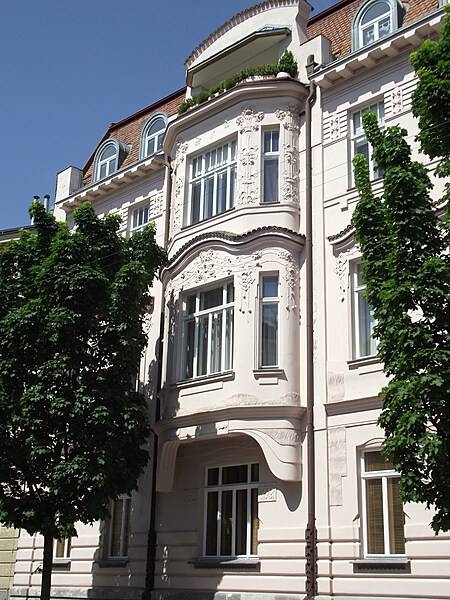
Beautiful Art Nouveau (Jugendstil) decorated residence in the western Heitzing district of Vienna.
Beautiful Art Nouveau (Jugendstil) decorated residence in the western Heitzing district of Vienna. • CIA World Factbook • 2020
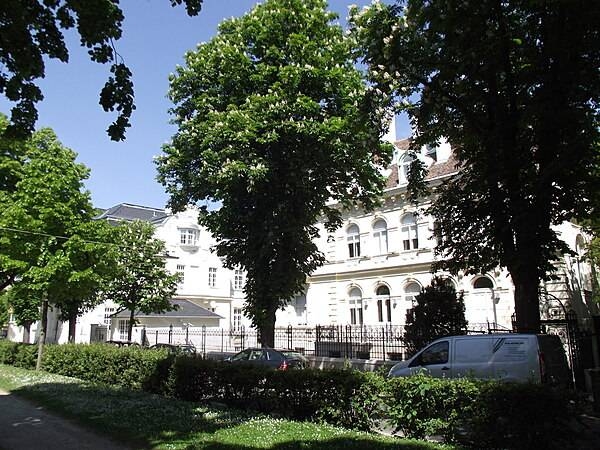
Chestnut trees in bloom in the residential section of Heitzing, which makes up part of western Vienna.
Chestnut trees in bloom in the residential section of Heitzing, which makes up part of western Vienna. • CIA World Factbook • 2020
![The Altes Rathaus (Old City Hall) in Vienna. The original building was granted to the city in 1316 and was rebuilt several times in subsequent centuries. The current facade dates to the early 18th century. Presently the building serves as the District Museum for the Inner City and as the Documentation Archive for the Austrian Resistance [to Nazism].](https://ciafactbookmedia.blob.core.windows.net/cia-factbook-media/cia-factbook-2020/photos/AT/9f587d82_AU_036_large.jpg)
The Altes Rathaus (Old City Hall) in Vienna. The original building was granted to the city in 1316 and was rebuilt several times in subsequent centuries. The current facade dates to the early 18th century. Presently the building serves as the District Museum for the Inner City and as the Documentation Archive for the Austrian Resistance [to Nazism].
The Altes Rathaus (Old City Hall) in Vienna. The original building was granted to the city in 1316 and was rebuilt several times in subsequent centuries. The current facade dates to the early 18th century. Presently the building serves as the District Museum for the Inner City and as the Documentation Archive for the Austrian Resistance [to Nazism]. • CIA World Factbook • 2020
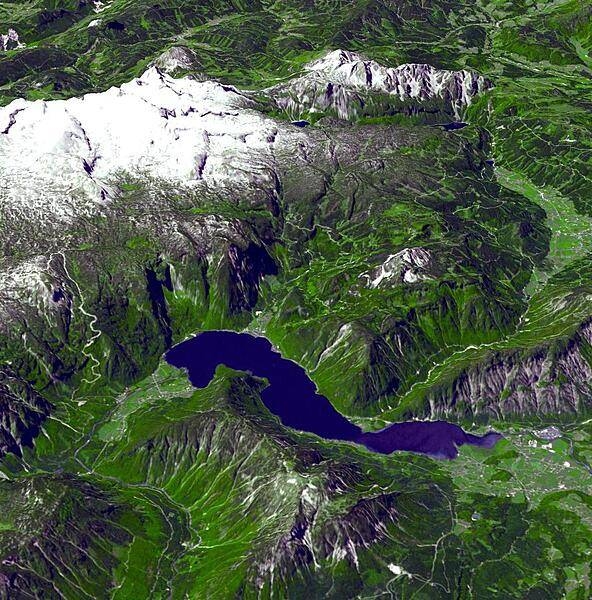
This perspective view from the ASTER instrument aboard the NASA Terra spacecraft shows some of the magnificent natural landscape of the Austrian Salzkammergut region - renowned for its mountains and lakes. North is to the right and Hallstadt lies near the "top" (southwest) where the lake narrows, tucked into the lake shore. Image courtesy of NASA.
This perspective view from the ASTER instrument aboard the NASA Terra spacecraft shows some of the magnificent natural landscape of the Austrian Salzkammergut region - renowned for its mountains and lakes. North is to the right and Hallstadt lies near the "top" (southwest) where the lake narrows, tucked into the lake shore. Image courtesy of NASA. • CIA World Factbook • 2020
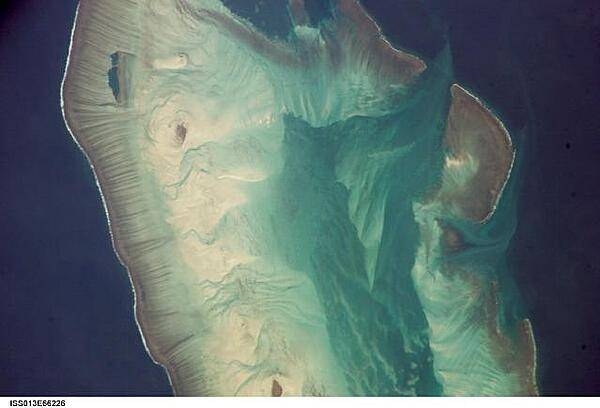
Close-up of Ashmore Island showing some of its lighter-hued peripheral current and sediment channels, and darker-colored central lagoon. Image courtesy of NASA.
Close-up of Ashmore Island showing some of its lighter-hued peripheral current and sediment channels, and darker-colored central lagoon. Image courtesy of NASA. • CIA World Factbook • 2020
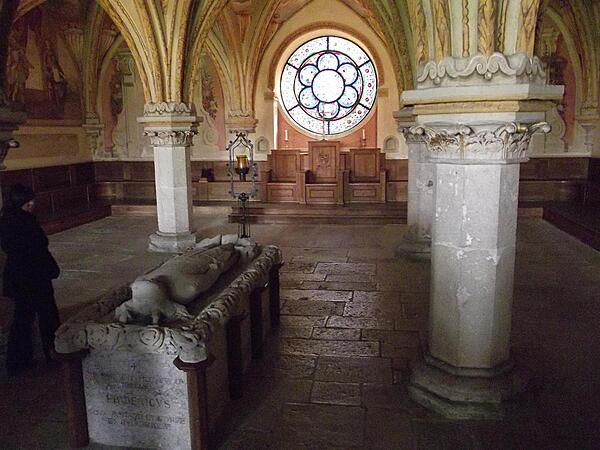
The chapter house in the cloisters of Heiligenkreuz Abbey contains the remains of 13 members of the House of Babenberg (the rulers who preceded the Habsburgs), including those of Frederick II, the last of his line.
The chapter house in the cloisters of Heiligenkreuz Abbey contains the remains of 13 members of the House of Babenberg (the rulers who preceded the Habsburgs), including those of Frederick II, the last of his line. • CIA World Factbook • 2020
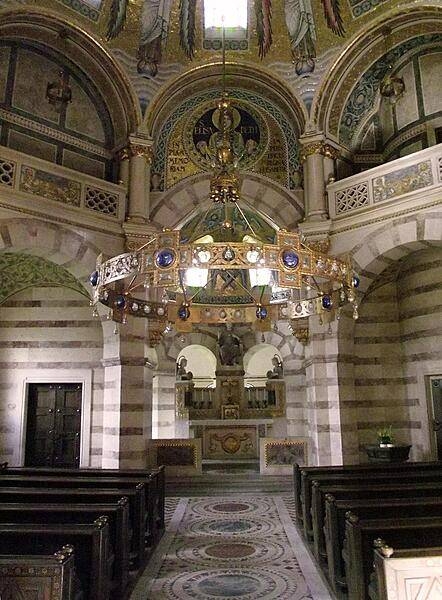
The same year that the Church of St. Francis of Assisi (the Jubilee Church) in Vienna was completed (1898), was also the year that the Empress Elisabeth was assassinated while on holiday. A chapel to her memory - the Elisabethkapelle shown here - was incorporated into the church plan using the left transept. It presents a Byzantine flavor through its use of gold mosaics.
The same year that the Church of St. Francis of Assisi (the Jubilee Church) in Vienna was completed (1898), was also the year that the Empress Elisabeth was assassinated while on holiday. A chapel to her memory - the Elisabethkapelle shown here - was incorporated into the church plan using the left transept. It presents a Byzantine flavor through its use of gold mosaics. • CIA World Factbook • 2020
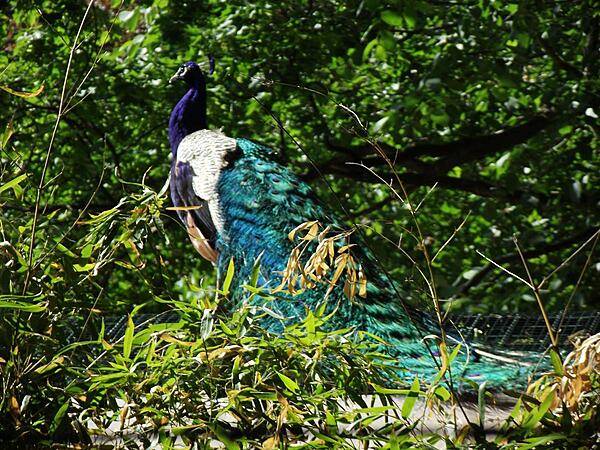
A peacock in the Schoenbrunn Tiergarten (Zoo). Founded originally as an imperial menagerie in 1752, it is today the oldest zoo in the world.
A peacock in the Schoenbrunn Tiergarten (Zoo). Founded originally as an imperial menagerie in 1752, it is today the oldest zoo in the world. • CIA World Factbook • 2020
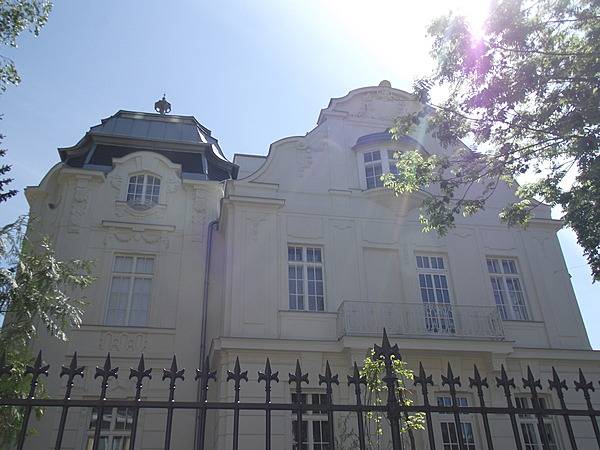
Residence in the western Heitzing district of Vienna. Parts of Heitzing are heavily populated urban areas with many residential buildings, but others contain large areas of the Vienna Woods, along with Schönbrunn Palace.
Residence in the western Heitzing district of Vienna. Parts of Heitzing are heavily populated urban areas with many residential buildings, but others contain large areas of the Vienna Woods, along with Schönbrunn Palace. • CIA World Factbook • 2020
The ceiling in the Prunksaal (Grand Hall) of the Austrian National Library in Vienna.
The ceiling in the Prunksaal (Grand Hall) of the Austrian National Library in Vienna. • CIA World Factbook • 2020
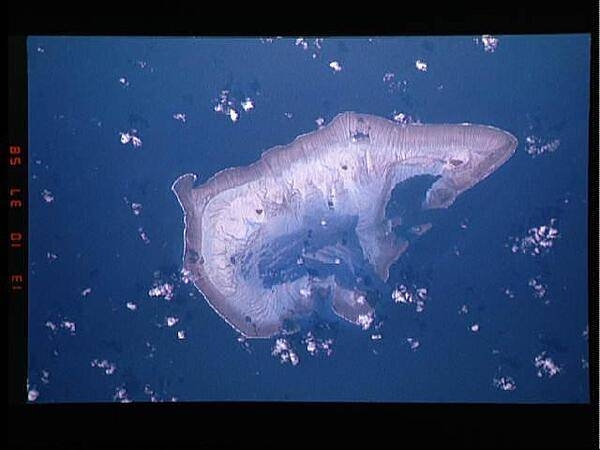
Ashmore Island (actually composed of three reef islets) is part of Ashmore Reef National Nature Reserve, established in August 1983, and covers 583 sq km (225 sq mi). It is of significant biodiversity value since it lies in the flow of the Indonesian Throughflow ocean current from the Pacific Ocean through the Malay archipelago to the Indian Ocean. It is also in a surface current west from the Arafura Sea and Timor Sea. The Reserve comprises several marine habitats, including seagrass meadows, intertidal sand flats, coral reef flats, and lagoons, and supports an important and diverse range of species, including 14 species of sea snakes, a population of dugong that may be genetically distinct, a diverse marine invertebrate fauna, and many endemic species, especially of sea snakes and molluscs. There are feeding and nesting sites for various turtle species. It also serves as a bird sanctuary and has 50,000 breeding pairs of various kinds of seabirds. A high abundance and diversity of sea cucumbers, over-exploited on other reefs in the region, is present, with 45 species recorded. This astronaut photo from 1992 shows that the reef making up the island is not continuous but has several breaks that allow for current and sediment inflow. Image courtesy of NASA.
Ashmore Island (actually composed of three reef islets) is part of Ashmore Reef National Nature Reserve, established in August 1983, and covers 583 sq km (225 sq mi). It is of significant biodiversity value since it lies in the flow of the Indonesian Throughflow ocean current from the Pacific Ocean through the Malay archipelago to the Indian Ocean. It is also in a surface current west from the Arafura Sea and Timor Sea.
The Reserve comprises several marine habitats, including seagrass meadows, intertidal sand flats, coral reef flats, and lagoons, and supports an important and diverse range of species, including 14 species of sea snakes, a population of dugong that may be genetically distinct, a diverse marine invertebrate fauna, and many endemic species, especially of sea snakes and molluscs. There are feeding and nesting sites for various turtle species. It also serves as a bird sanctuary and has 50,000 breeding pairs of various kinds of seabirds. A high abundance and diversity of sea cucumbers, over-exploited on other reefs in the region, is present, with 45 species recorded.
This astronaut photo from 1992 shows that the reef making up the island is not continuous but has several breaks that allow for current and sediment inflow. Image courtesy of NASA. • CIA World Factbook • 2020
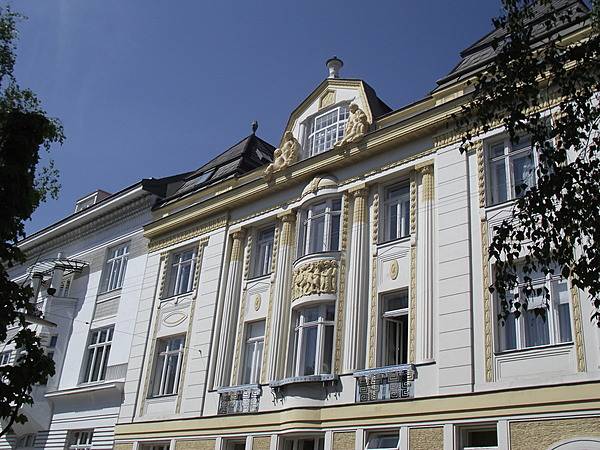
Cherubs highlight this elaborately decorated residence in the Heitzing district of Vienna.
Cherubs highlight this elaborately decorated residence in the Heitzing district of Vienna. • CIA World Factbook • 2020
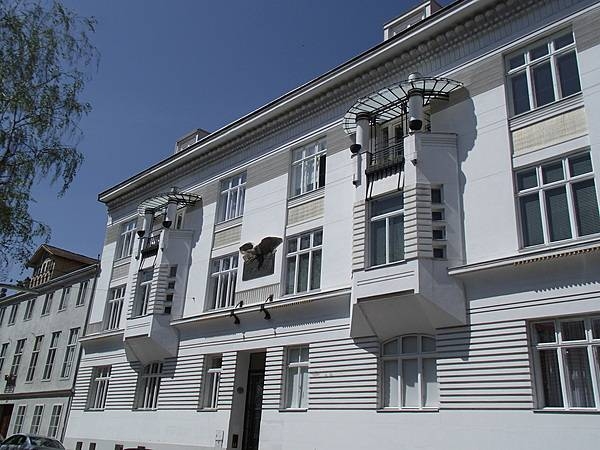
Art Nouveau (Jugendstil) decorated facade on a residence in the Heitzing district of western Vienna.
Art Nouveau (Jugendstil) decorated facade on a residence in the Heitzing district of western Vienna. • CIA World Factbook • 2020
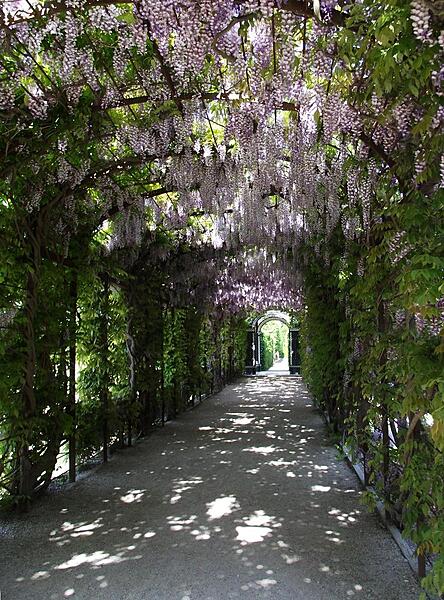
A walkway dripping with wisteria in the gardens of Schoenbrunn Palace.
A walkway dripping with wisteria in the gardens of Schoenbrunn Palace. • CIA World Factbook • 2020
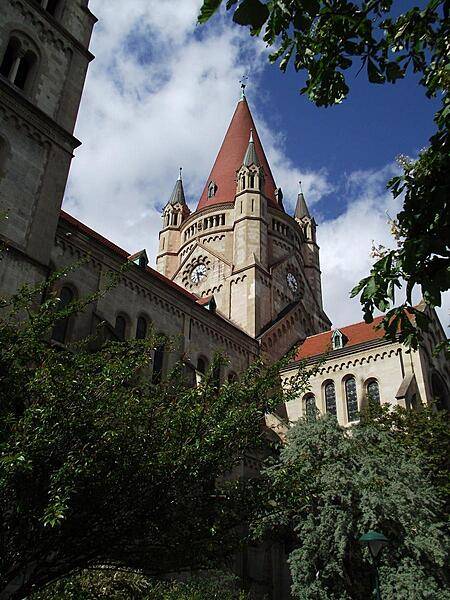
The Church of St. Francis of Assisi in Vienna, also called the Jubilee Church, was constructed to celebrate the Golden Jubilee of Emperor Franz Joseph (r. 1848-1916) in 1898.
The Church of St. Francis of Assisi in Vienna, also called the Jubilee Church, was constructed to celebrate the Golden Jubilee of Emperor Franz Joseph (r. 1848-1916) in 1898. • CIA World Factbook • 2020
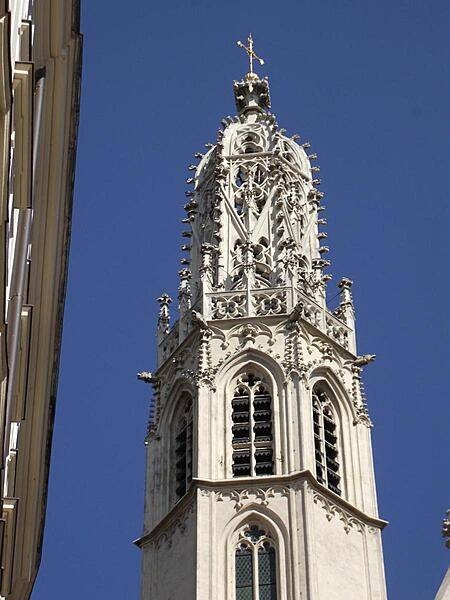
The striking open work tower of the Maria am Gestade church in Vienna rises to 56 m (180 ft); it was built between 1419 and 1428, shortly after the church was completed.
The striking open work tower of the Maria am Gestade church in Vienna rises to 56 m (180 ft); it was built between 1419 and 1428, shortly after the church was completed. • CIA World Factbook • 2020
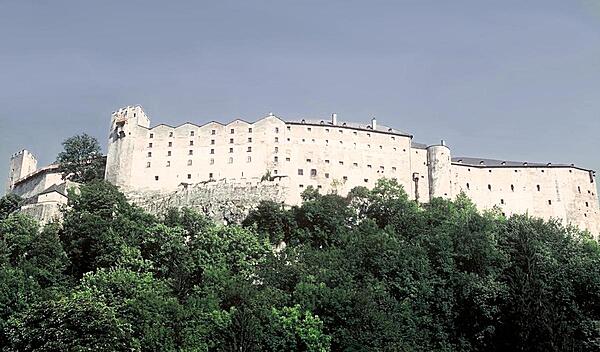
Hohensalzburg Castle overlooks the city of Salzburg. Roughly 250 m long and 150 m wide, it is one of the largest - and best preserved - medieval castles in Europe. Originally built as a wooden fortress in 1077, it was rebuilt and expanded many times in subsequent centuries.
Hohensalzburg Castle overlooks the city of Salzburg. Roughly 250 m long and 150 m wide, it is one of the largest - and best preserved - medieval castles in Europe. Originally built as a wooden fortress in 1077, it was rebuilt and expanded many times in subsequent centuries. • CIA World Factbook • 2020
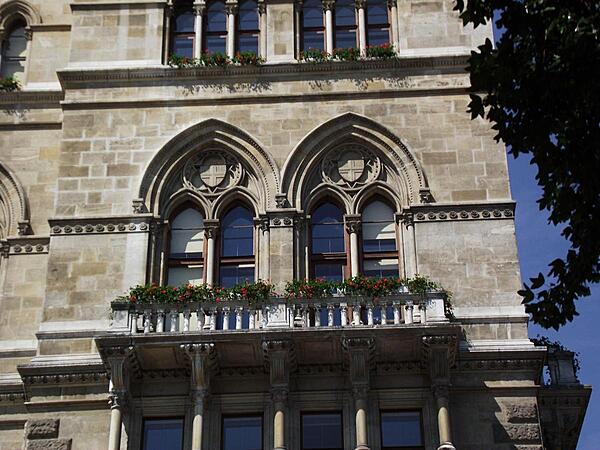
Close up of some of the window ornamentation on the Vienna Rathaus (City Hall).
Close up of some of the window ornamentation on the Vienna Rathaus (City Hall). • CIA World Factbook • 2020
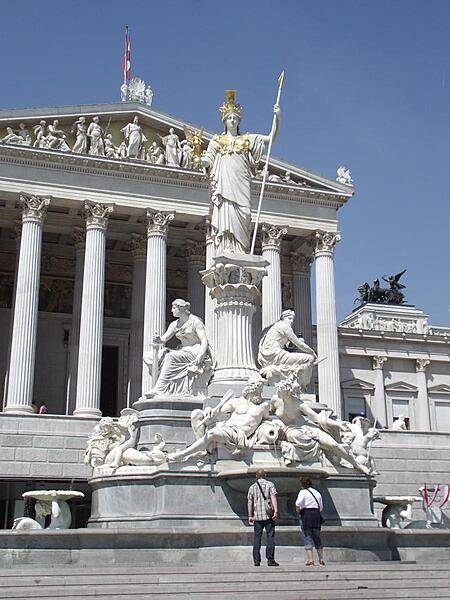
Close up of the Pallas Athena fountain (completed 1902) before the Parliament Building in Vienna.
Close up of the Pallas Athena fountain (completed 1902) before the Parliament Building in Vienna. • CIA World Factbook • 2020
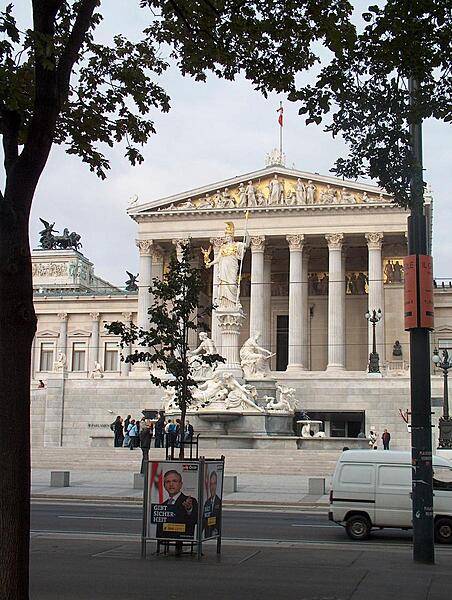
The neo-classical Parliament Building in Vienna took 10 years to complete (1884). The fountain fronting the structure is of Pallas Athena, the goddess of wisdom.
The neo-classical Parliament Building in Vienna took 10 years to complete (1884). The fountain fronting the structure is of Pallas Athena, the goddess of wisdom. • CIA World Factbook • 2020
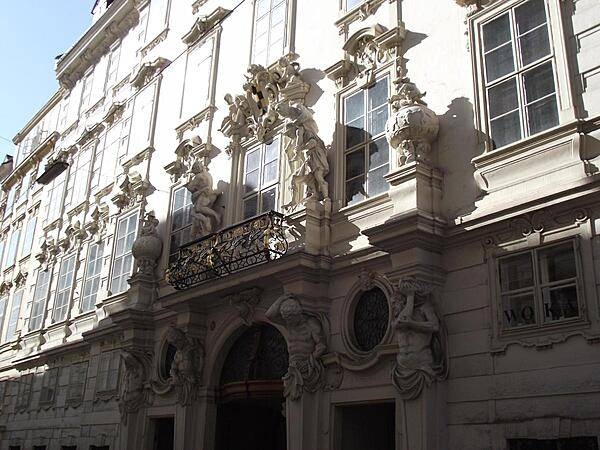
Ornate entranceway fronting a building in Vienna.
Ornate entranceway fronting a building in Vienna. • CIA World Factbook • 2020
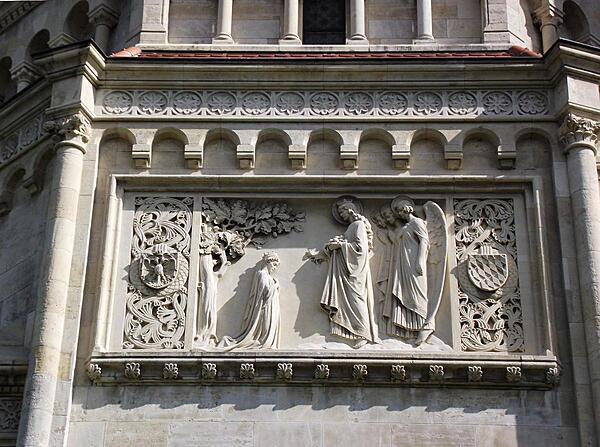
A high relief carving on the exterior of the Church of St. Francis of Assisi (the Jubilee Church) in Vienna.
A high relief carving on the exterior of the Church of St. Francis of Assisi (the Jubilee Church) in Vienna. • CIA World Factbook • 2020
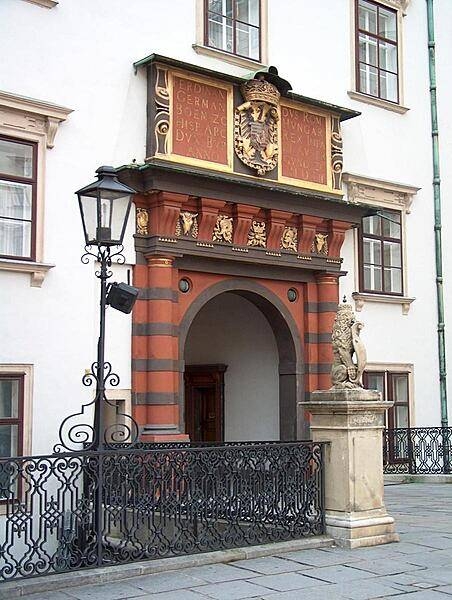
The Hofburg area has been a documented seat of government since 1279. The Schweizertor (Swiss Gate, built 1552), opens into the Alte Burg, the oldest section of the Hofburg.
The Hofburg area has been a documented seat of government since 1279. The Schweizertor (Swiss Gate, built 1552), opens into the Alte Burg, the oldest section of the Hofburg. • CIA World Factbook • 2020
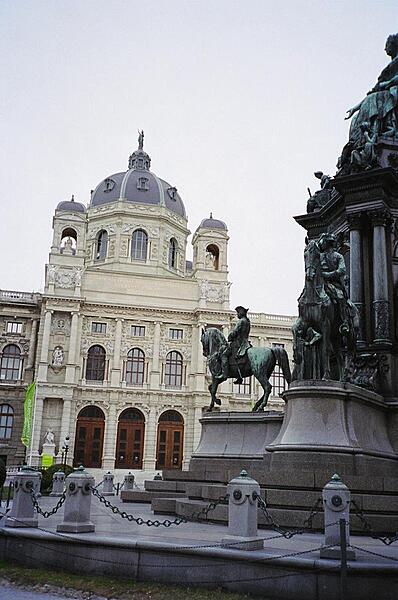
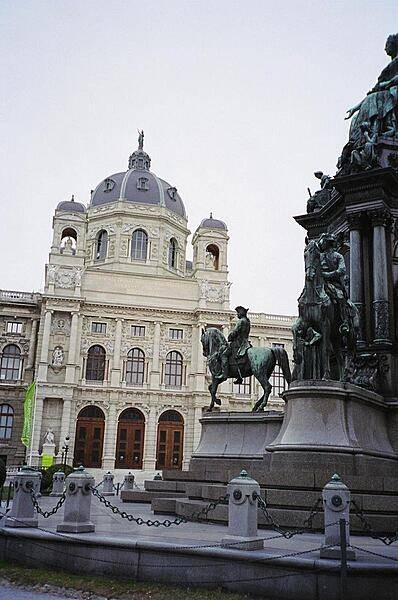
The Naturhistorisches Museum (Natural History Museum) in Vienna flanks the Maria Theresia Monument. Opened in 1889, it is one of the most important museums in the world, housing specimens of species now extinct.
The Naturhistorisches Museum (Natural History Museum) in Vienna flanks the Maria Theresia Monument. Opened in 1889, it is one of the most important museums in the world, housing specimens of species now extinct. • CIA World Factbook • 2020
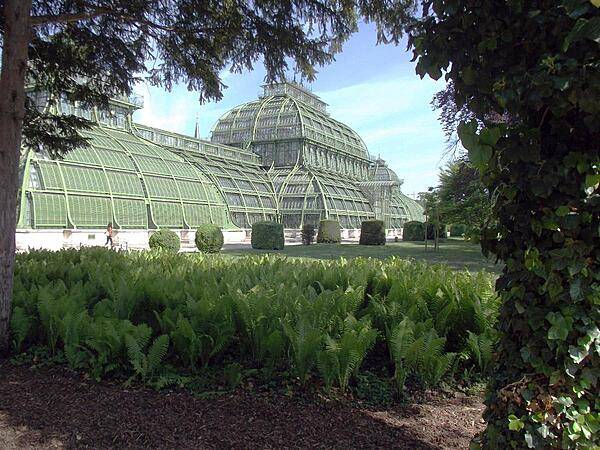
The massive Palmenhaus is the most prominent of four greenhouses on the grounds of Schoenbrunn Palace. Opened in 1882, it is among the largest botanical exhibits of its kind in the world, housing some 4,500 species (most tropical). Its oldest plant is a 350-year-old olive tree.
The massive Palmenhaus is the most prominent of four greenhouses on the grounds of Schoenbrunn Palace. Opened in 1882, it is among the largest botanical exhibits of its kind in the world, housing some 4,500 species (most tropical). Its oldest plant is a 350-year-old olive tree. • CIA World Factbook • 2020
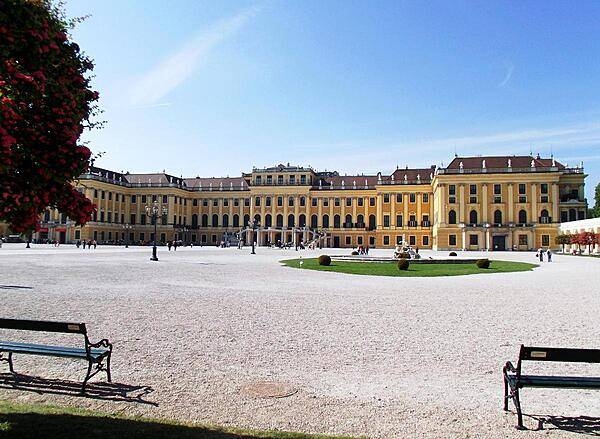
Approaching Schoenbrunn, the most popular tourist destination in Vienna. The 1,400-room Rococo palace served as the imperial summer residence beginning in the mid-18th century. In 1996, UNESCO added the palace and its gardens to its World Heritage List.
Approaching Schoenbrunn, the most popular tourist destination in Vienna. The 1,400-room Rococo palace served as the imperial summer residence beginning in the mid-18th century. In 1996, UNESCO added the palace and its gardens to its World Heritage List. • CIA World Factbook • 2020
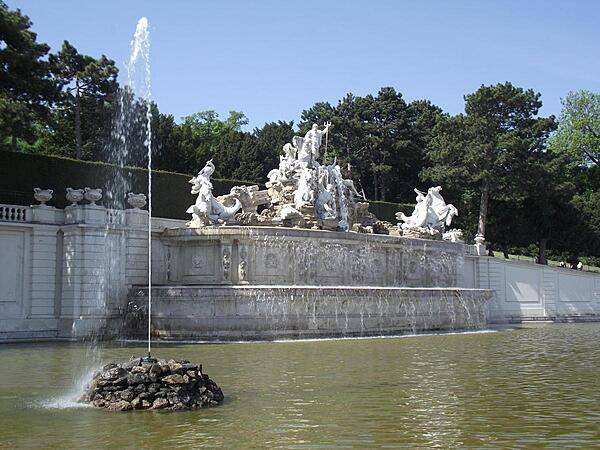
The Neptune Fountain on the grounds of Schoenbrunn Palace in Vienna.
The Neptune Fountain on the grounds of Schoenbrunn Palace in Vienna. • CIA World Factbook • 2020
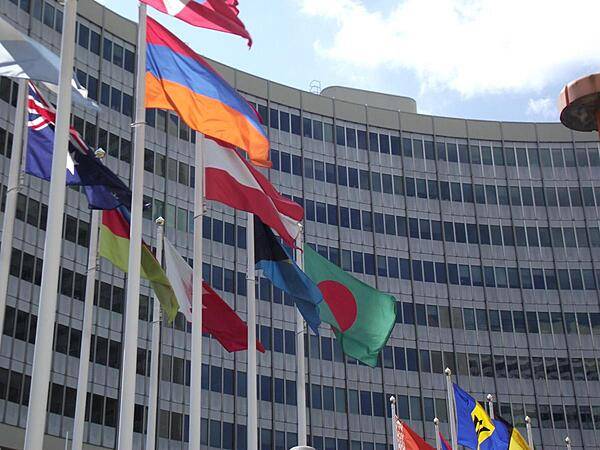
The red-white-red flag of Austria flies with those of all the other UN countries in the entrance plaza of the United Nations Office in Vienna.
The red-white-red flag of Austria flies with those of all the other UN countries in the entrance plaza of the United Nations Office in Vienna. • CIA World Factbook • 2020
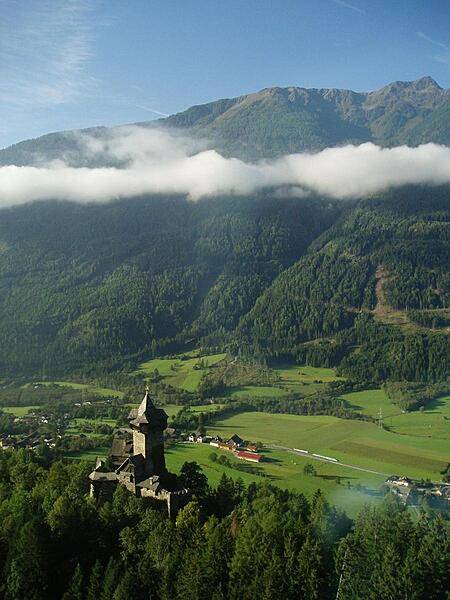
A castle and mountain valley in the Alps.
A castle and mountain valley in the Alps. • CIA World Factbook • 2020
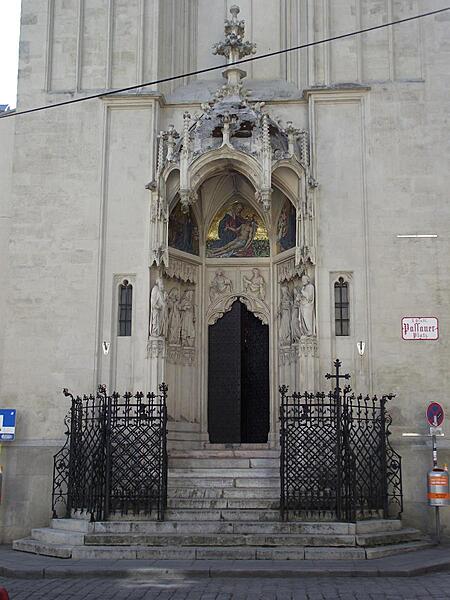
Entrance to the church Maria am Gestade (St. Mary on the Strand) in Vienna. First mentioned in documents from 1158, the present structure (built between 1394 and 1414) is one of the oldest buildings and one of the few surviving examples of Gothic architecture in the city.
Entrance to the church Maria am Gestade (St. Mary on the Strand) in Vienna. First mentioned in documents from 1158, the present structure (built between 1394 and 1414) is one of the oldest buildings and one of the few surviving examples of Gothic architecture in the city. • CIA World Factbook • 2020
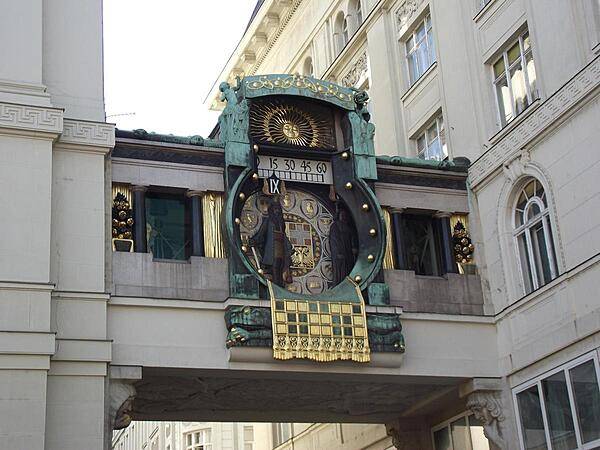
The beautiful and unique Ankeruhr (Anker Clock) overlooks the oldest square in Vienna, the Hoher Markt (Upper Market). The clock - built between 1911 and 1917 in the Jugendstil (Art Nouveau) style - forms a bridge between two buildings; it is adorned with with mosaic ornaments. Over the course of 12 hours, 12 historical figures or pairs of figures move across the bridge. Every day at noon, all of the figures parade to the accompaniment of music.
The beautiful and unique Ankeruhr (Anker Clock) overlooks the oldest square in Vienna, the Hoher Markt (Upper Market). The clock - built between 1911 and 1917 in the Jugendstil (Art Nouveau) style - forms a bridge between two buildings; it is adorned with with mosaic ornaments. Over the course of 12 hours, 12 historical figures or pairs of figures move across the bridge. Every day at noon, all of the figures parade to the accompaniment of music. • CIA World Factbook • 2020
CIA World Factbook • 2020
CIA World Factbook • 2020
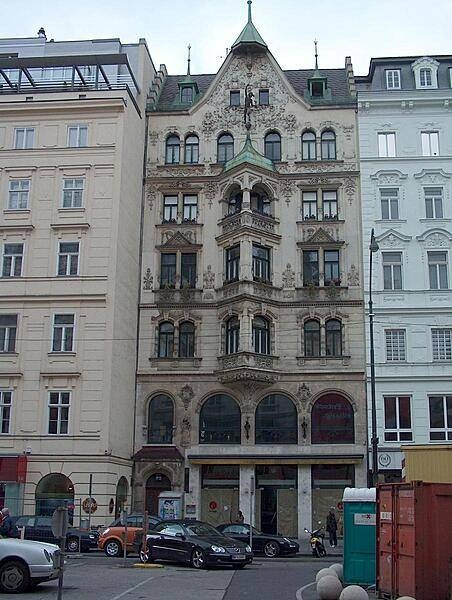
A magnificently decorated building in Vienna.
A magnificently decorated building in Vienna. • CIA World Factbook • 2020
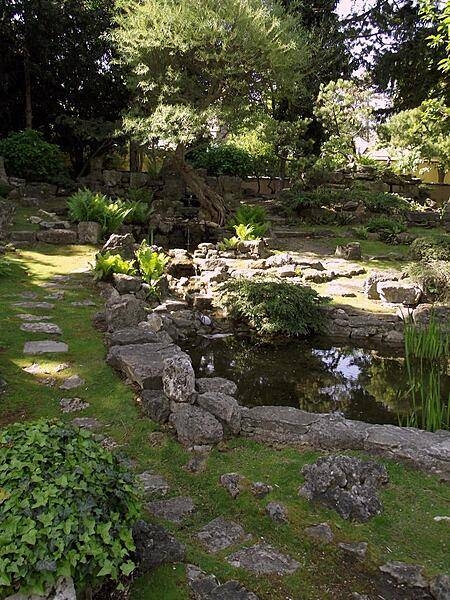
The oriental garden on the grounds of Schoenbrunn Palace in Vienna lies next to the Tiergarten (Zoo).
The oriental garden on the grounds of Schoenbrunn Palace in Vienna lies next to the Tiergarten (Zoo). • CIA World Factbook • 2020
CIA World Factbook • 2020
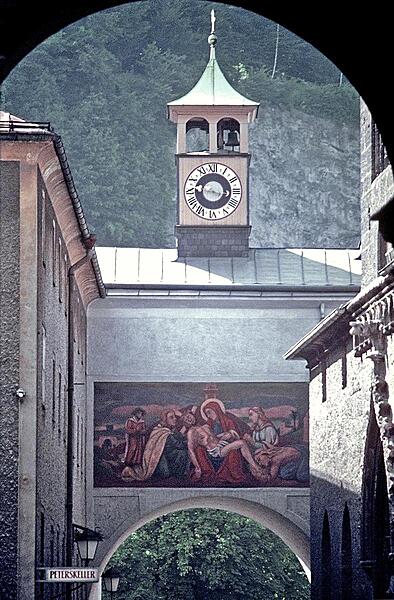
A unique clock archway in Salzburg displays a religious mural.
A unique clock archway in Salzburg displays a religious mural. • CIA World Factbook • 2020
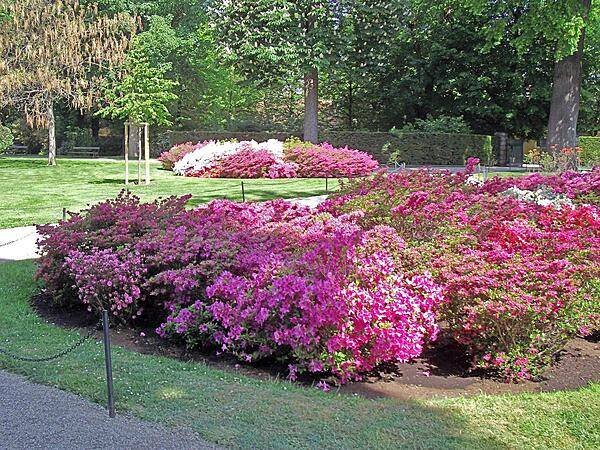
Azaleas in bloom on the grounds of Schoenbrunn Palaca in Vienna.
Azaleas in bloom on the grounds of Schoenbrunn Palaca in Vienna. • CIA World Factbook • 2020
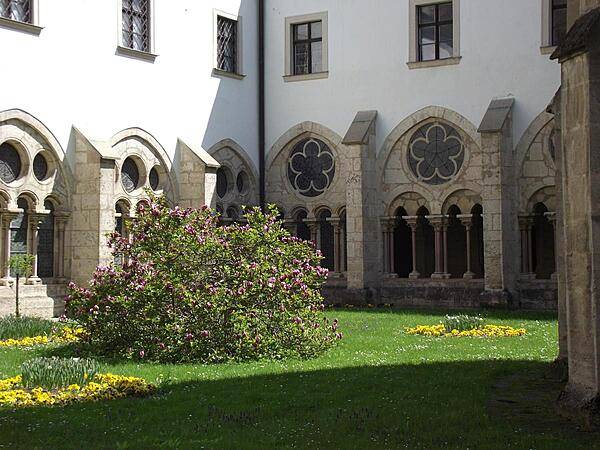
One of the smaller courtyards in Heiligenkreuz (Holy Cross) Abbey in the southern Vienna Woods.
One of the smaller courtyards in Heiligenkreuz (Holy Cross) Abbey in the southern Vienna Woods. • CIA World Factbook • 2020
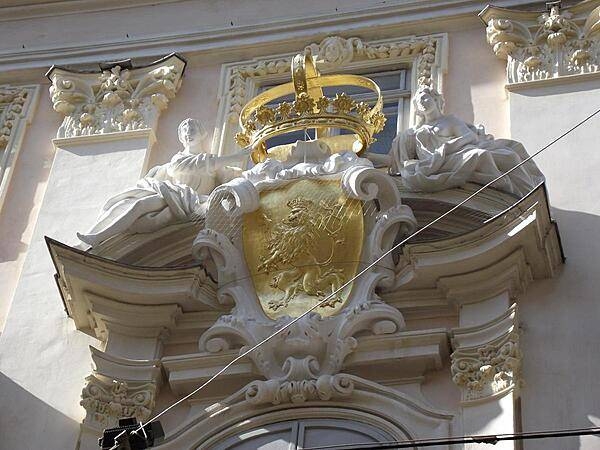
A gilded shield and crown highlight a coat of arms display over a doorway in Vienna.
A gilded shield and crown highlight a coat of arms display over a doorway in Vienna. • CIA World Factbook • 2020
CIA World Factbook • 2020
CIA World Factbook • 2020
CIA World Factbook • 2020
Entrance to the Prunksaal (Grand Hall) of the Austrian National Library in Vienna.
Entrance to the Prunksaal (Grand Hall) of the Austrian National Library in Vienna. • CIA World Factbook • 2020
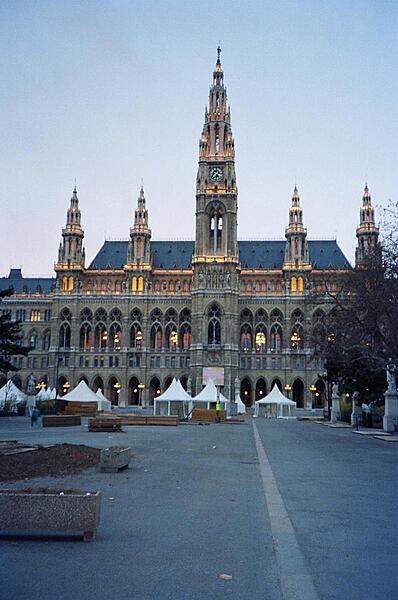
The Rathaus (City Hall) in Vienna is the seat of the mayor and the city council. It was built in the Gothic style between 1872-83.
The Rathaus (City Hall) in Vienna is the seat of the mayor and the city council. It was built in the Gothic style between 1872-83. • CIA World Factbook • 2020
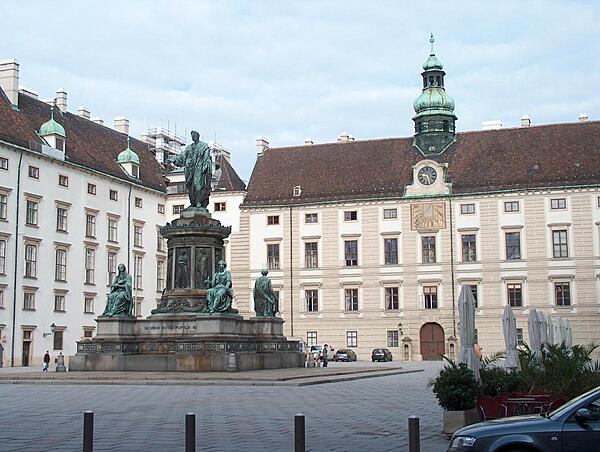
The Amalienburg section of the Hofburg (Imperial Palace) in Vienna. Of note is the small domed tower underlain by an astronomical clock. The statue honors Holy Roman Emperor Francis II (r. 1792-1806), who was also Austrian Emperor Francis I (r. 1804-1835), thus making him the only double emperor in history.
The Amalienburg section of the Hofburg (Imperial Palace) in Vienna. Of note is the small domed tower underlain by an astronomical clock. The statue honors Holy Roman Emperor Francis II (r. 1792-1806), who was also Austrian Emperor Francis I (r. 1804-1835), thus making him the only double emperor in history. • CIA World Factbook • 2020
CIA World Factbook • 2020
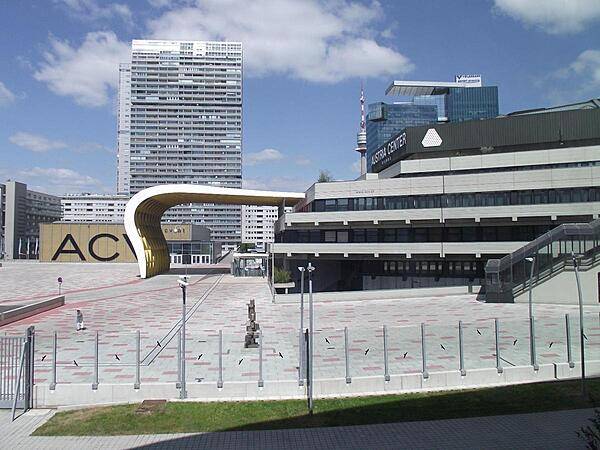
The Austria Center conference building in Vienna as seen from one of the UN Office buildings.
The Austria Center conference building in Vienna as seen from one of the UN Office buildings. • CIA World Factbook • 2020
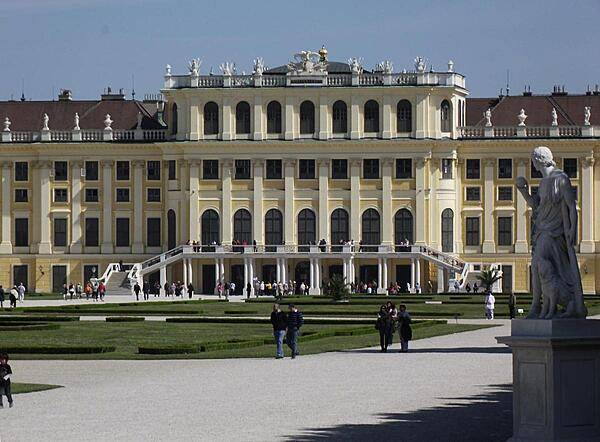
The rear facade of Schloss Shoenbrunn (Shoenbrunn Palace) in Vienna.
The rear facade of Schloss Shoenbrunn (Shoenbrunn Palace) in Vienna. • CIA World Factbook • 2020
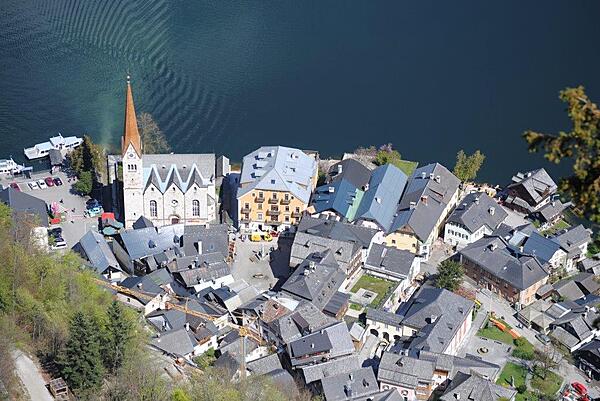
Hallstatt is a picturesque town on the shores of Hallstaetter See in the Austrian Alps and a UN World Heritage Site. There is a funicular in the town that takes one to the bluff above the city from which this "aerial" photo was taken.
Hallstatt is a picturesque town on the shores of Hallstaetter See in the Austrian Alps and a UN World Heritage Site. There is a funicular in the town that takes one to the bluff above the city from which this "aerial" photo was taken. • CIA World Factbook • 2020
CIA World Factbook • 2020
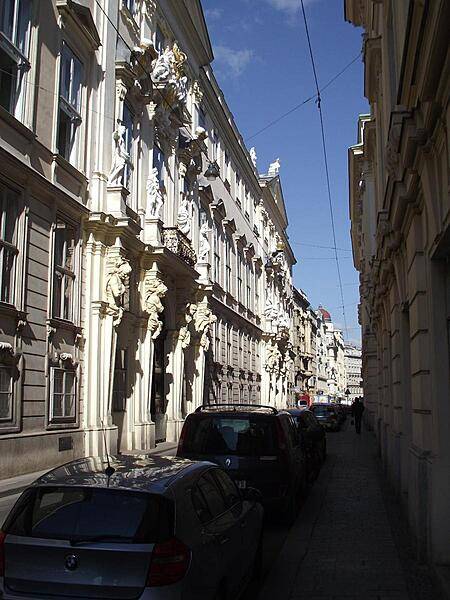
Atlantes and caryatids (male and female supporting sculptures) grace the building facade on a narrow street in Vienna.
Atlantes and caryatids (male and female supporting sculptures) grace the building facade on a narrow street in Vienna. • CIA World Factbook • 2020
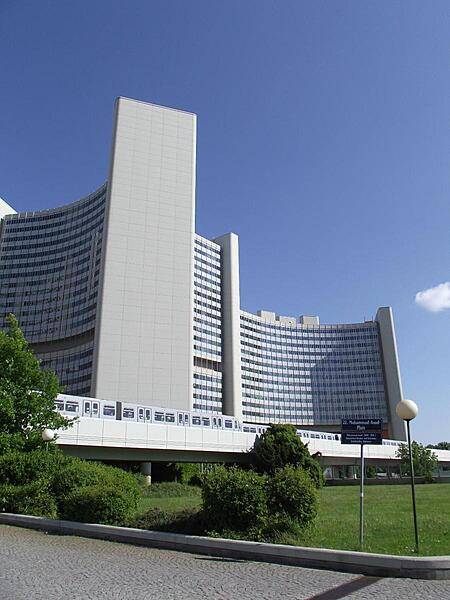
Approaching the towers of the United Nations Office in Vienna. The metro rail line is in the foreground.
Approaching the towers of the United Nations Office in Vienna. The metro rail line is in the foreground. • CIA World Factbook • 2020
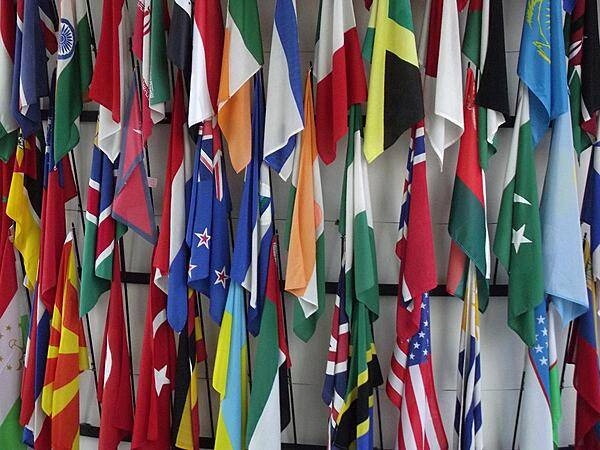
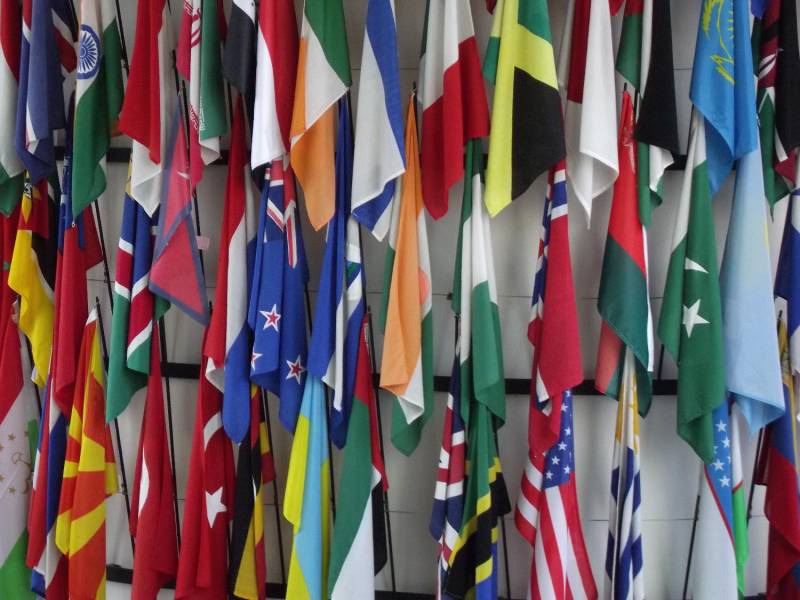
Part of a flag display in one of the buildings of the UN Office in Vienna.
Part of a flag display in one of the buildings of the UN Office in Vienna. • CIA World Factbook • 2020
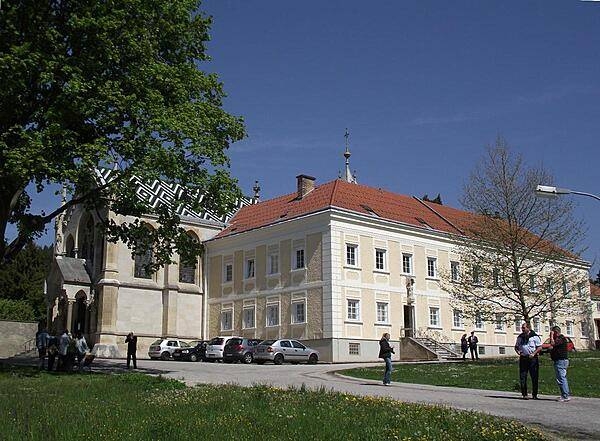
The hunting lodge at Mayering is about 25 km (15 mi) southwest of Vienna. It was here that on 30 January 1889 Crown Prince Rudolf of Austria and his mistress Baroness Vetsera were found dead in an apparent murder-suicide. The shaken Emperor Franz-Josef donated the building to the order of Carmelite nuns. The chapel (on the left) is built over the spot where the tragedy took place.
The hunting lodge at Mayering is about 25 km (15 mi) southwest of Vienna. It was here that on 30 January 1889 Crown Prince Rudolf of Austria and his mistress Baroness Vetsera were found dead in an apparent murder-suicide. The shaken Emperor Franz-Josef donated the building to the order of Carmelite nuns. The chapel (on the left) is built over the spot where the tragedy took place. • CIA World Factbook • 2020
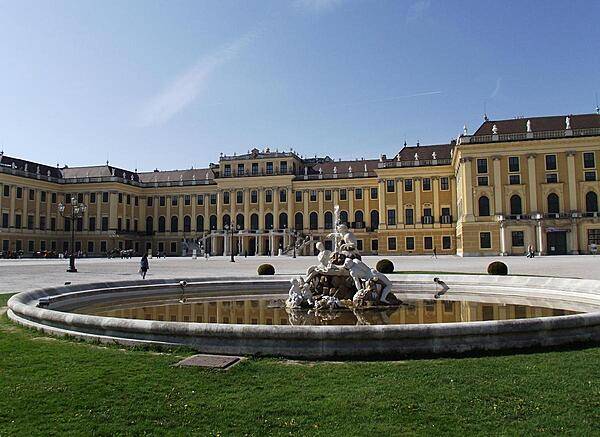
Schoenbrunn (lit. beautiful spring) Palace in Vienna. The magnificent structure served as the summer residence of the Austrian imperial family from the middle of the 18th century to the end of World War I.
Schoenbrunn (lit. beautiful spring) Palace in Vienna. The magnificent structure served as the summer residence of the Austrian imperial family from the middle of the 18th century to the end of World War I. • CIA World Factbook • 2020
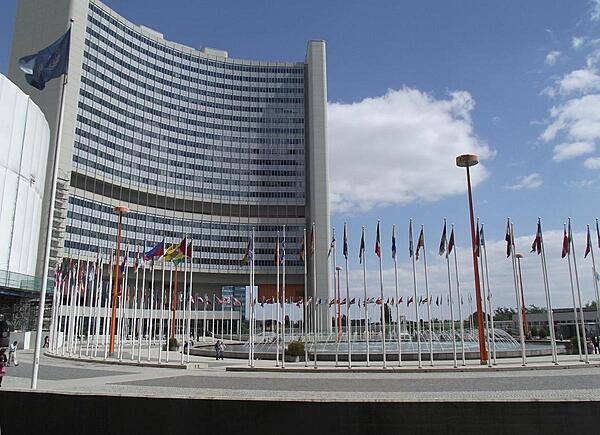
The United Nations Office in Vienna is one of four major UN office sites around the world (the others are in New York, Geneva, and Nairobi). The complex, completed in 1979, is composed of six Y-shaped office towers surrounding a cylindrical conference building.
The United Nations Office in Vienna is one of four major UN office sites around the world (the others are in New York, Geneva, and Nairobi). The complex, completed in 1979, is composed of six Y-shaped office towers surrounding a cylindrical conference building. • CIA World Factbook • 2020
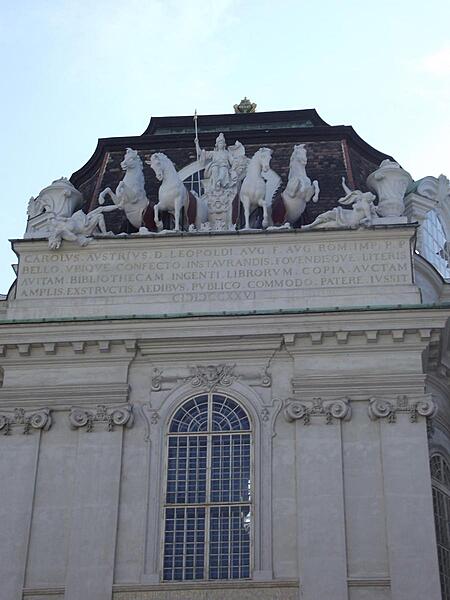
Sculptures and inscription over the entrance to the Prunksaal (Grand Hall) of the Austrian National Library in Vienna.
Sculptures and inscription over the entrance to the Prunksaal (Grand Hall) of the Austrian National Library in Vienna. • CIA World Factbook • 2020
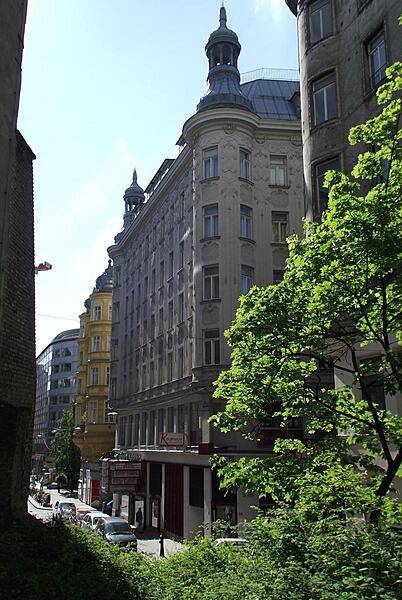
A harmonious blend of 19th and 20th century architecture on a side street in Vienna.
A harmonious blend of 19th and 20th century architecture on a side street in Vienna. • CIA World Factbook • 2020
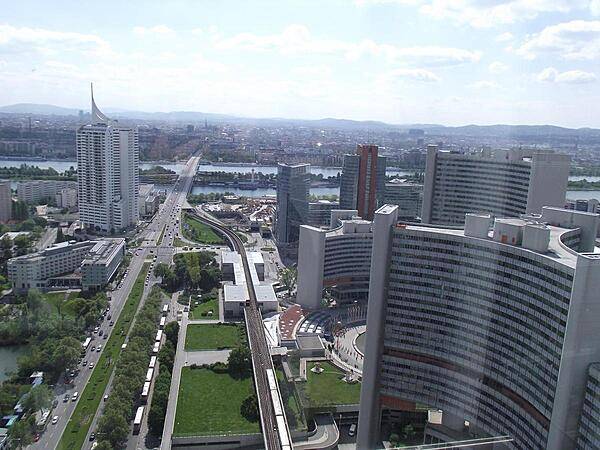
A view of the Kaisermuehlen section of Vienna looking across the Danube to the older, historic areas of the city. Part of the UN complex (also referred to as the Vienna International Center, VIC) appears on the right; the UN visitor center, entrance, and flag plaza are in the lower center. The subway line runs through the middle of the scene; the Kaisermuehlen-VIC metro station is at the center. The distinctive building on the left is the Hochhaus Neue Donau (High Rise New Danube), the tallest residential building in Austria.
A view of the Kaisermuehlen section of Vienna looking across the Danube to the older, historic areas of the city. Part of the UN complex (also referred to as the Vienna International Center, VIC) appears on the right; the UN visitor center, entrance, and flag plaza are in the lower center. The subway line runs through the middle of the scene; the Kaisermuehlen-VIC metro station is at the center. The distinctive building on the left is the Hochhaus Neue Donau (High Rise New Danube), the tallest residential building in Austria. • CIA World Factbook • 2020
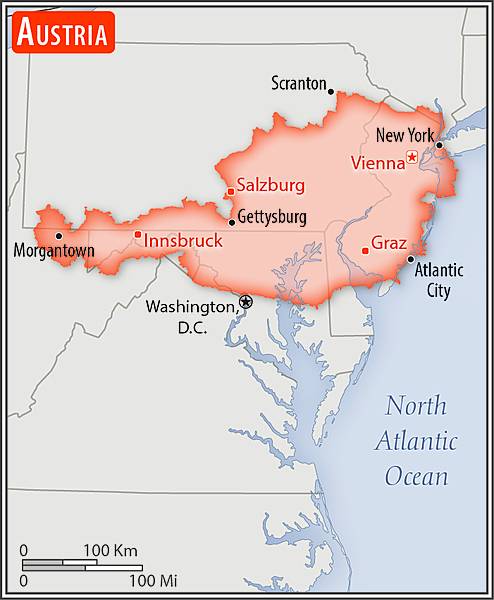
Area comparison map
Area comparison map • CIA World Factbook • 2020
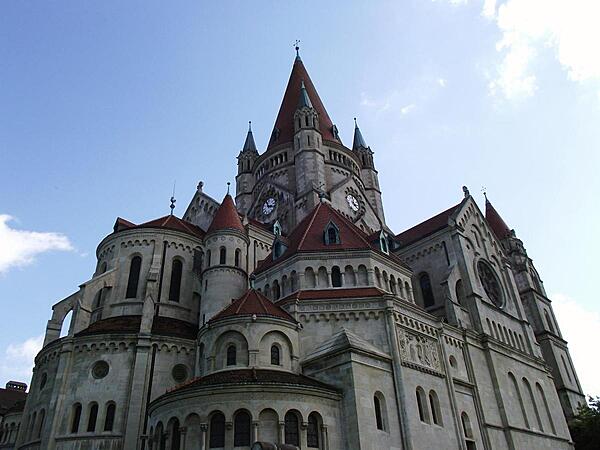
A side view of the Church of St. Francis of Assisi (the Jubilee Church) in Vienna gives an idea of its immensity.
A side view of the Church of St. Francis of Assisi (the Jubilee Church) in Vienna gives an idea of its immensity. • CIA World Factbook • 2020
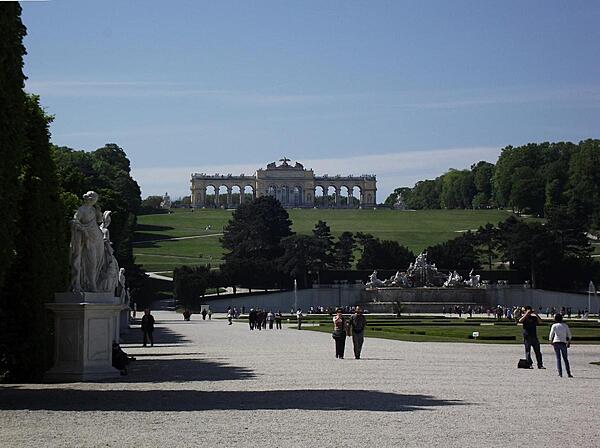
A gloriette is a garden building located on an elevated site. The Gloriette in the palace park of Schoenbrunn is the largest and best known of all gloriettes worldwide; it houses a cafe.
A gloriette is a garden building located on an elevated site. The Gloriette in the palace park of Schoenbrunn is the largest and best known of all gloriettes worldwide; it houses a cafe. • CIA World Factbook • 2020
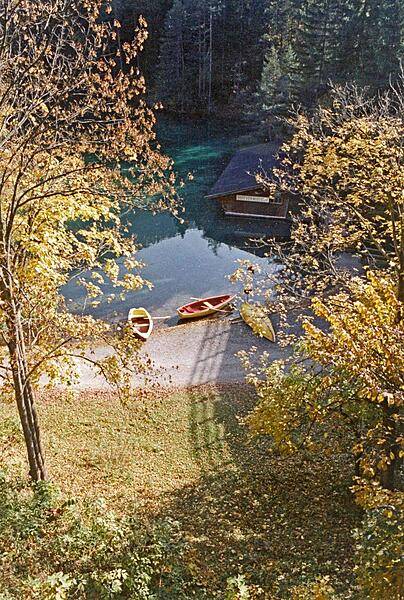
Shoreline along a small Austrian lake.
Shoreline along a small Austrian lake. • CIA World Factbook • 2020
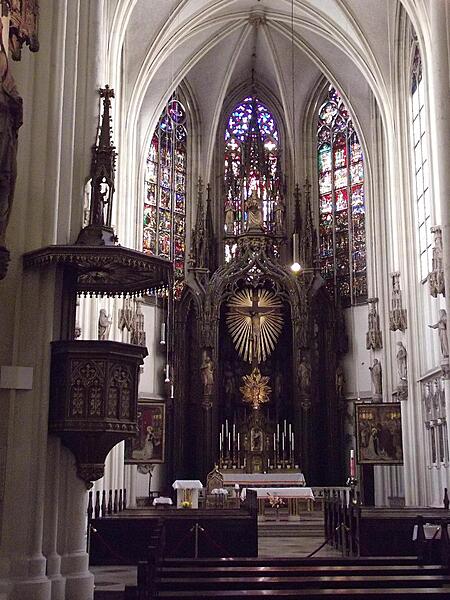
The sanctuary of the Maria am Gestade church in Vienna. Some of the stained glass in the windows dates back to medieval times.
The sanctuary of the Maria am Gestade church in Vienna. Some of the stained glass in the windows dates back to medieval times. • CIA World Factbook • 2020
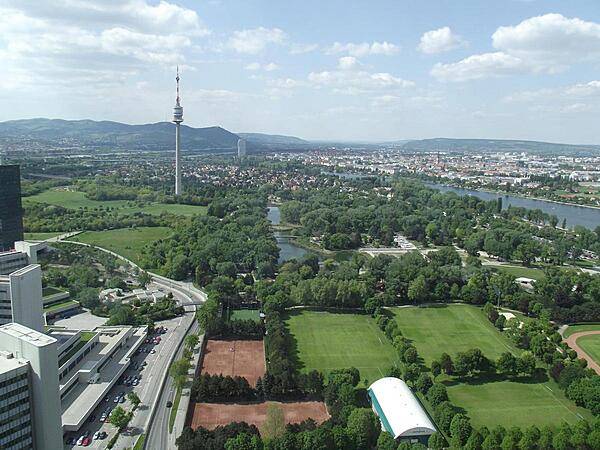
The Donauturm (Danube Tower) overlooks the extensive Danaupark in Vienna. The edges of some of the UN Vienna buildings appear on the left.
The Donauturm (Danube Tower) overlooks the extensive Danaupark in Vienna. The edges of some of the UN Vienna buildings appear on the left. • CIA World Factbook • 2020
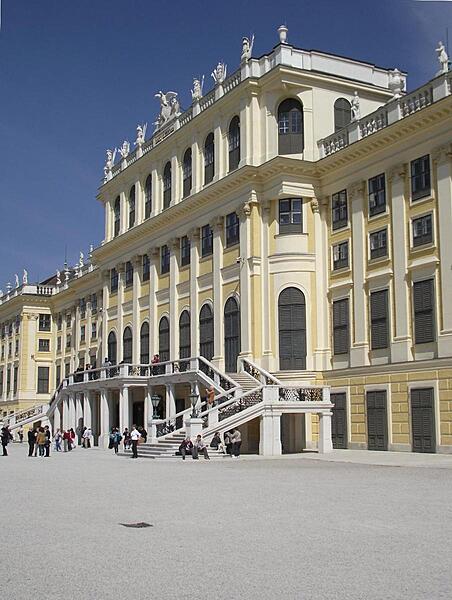
The elaborate rear stairway at Schoenbrunn leading out to the gardens of the palace.
The elaborate rear stairway at Schoenbrunn leading out to the gardens of the palace. • CIA World Factbook • 2020
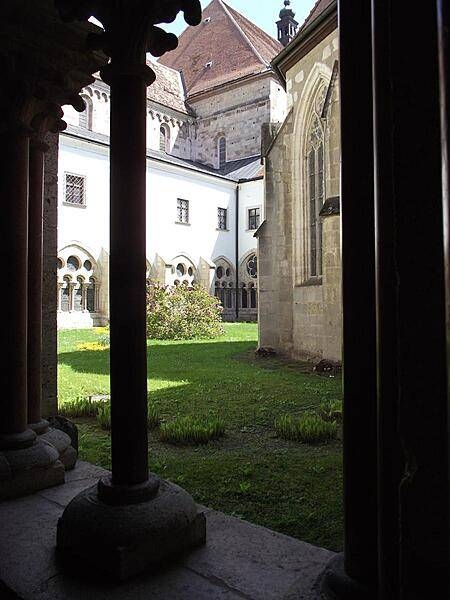
Heiligenkreuz (Holy Cross) Abbey in the eponymous village in the southern Vienna Woods dates back to 1133; it is the oldest continuously occupied Cistercian monastery in the world.
Heiligenkreuz (Holy Cross) Abbey in the eponymous village in the southern Vienna Woods dates back to 1133; it is the oldest continuously occupied Cistercian monastery in the world. • CIA World Factbook • 2020
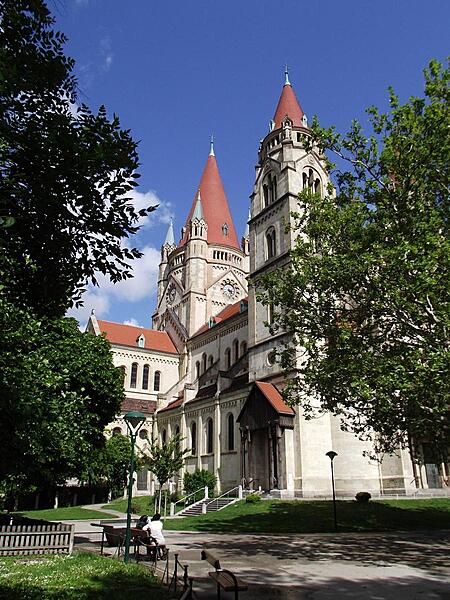
The Church of St. Francis of Assisi (the Jubilee Church) in Vienna dominates Mexikoplatz (Mexico Square) on the banks of the Danube River.
The Church of St. Francis of Assisi (the Jubilee Church) in Vienna dominates Mexikoplatz (Mexico Square) on the banks of the Danube River. • CIA World Factbook • 2020
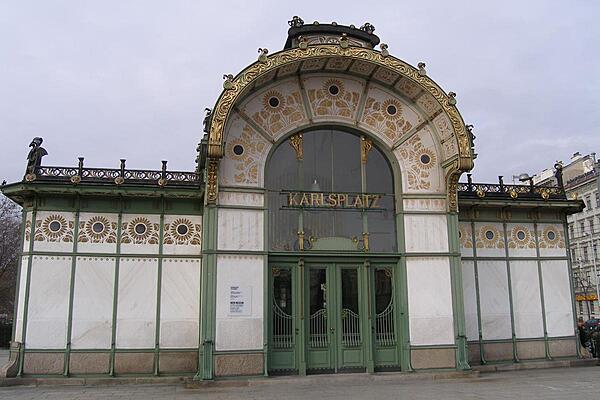
Close up of the former city rail entrance at the Karlsplatz subway station in Vienna. The pavillion is a well-known example of Jugendstil (Art Nouveau) architecture.
Close up of the former city rail entrance at the Karlsplatz subway station in Vienna. The pavillion is a well-known example of Jugendstil (Art Nouveau) architecture. • CIA World Factbook • 2020
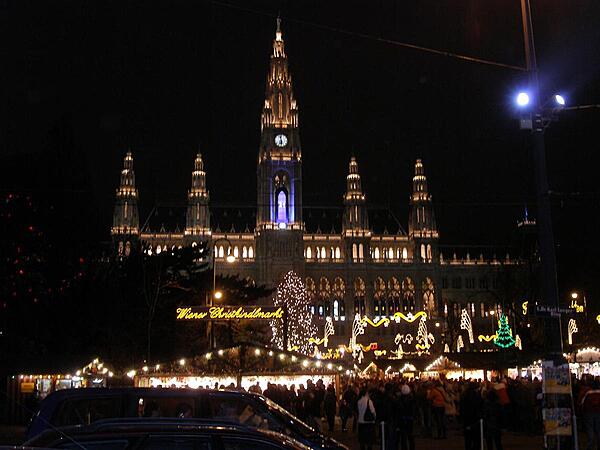
The Vienna City Hall (Rathaus) in December with its Christmas Market (Christkindlmarkt).
The Vienna City Hall (Rathaus) in December with its Christmas Market (Christkindlmarkt). • CIA World Factbook • 2020
Media source: CIA World Factbook (2020) — Public Domain