›››
Belgium — Media Gallery
29 items available (flags, maps, photos)
Photos
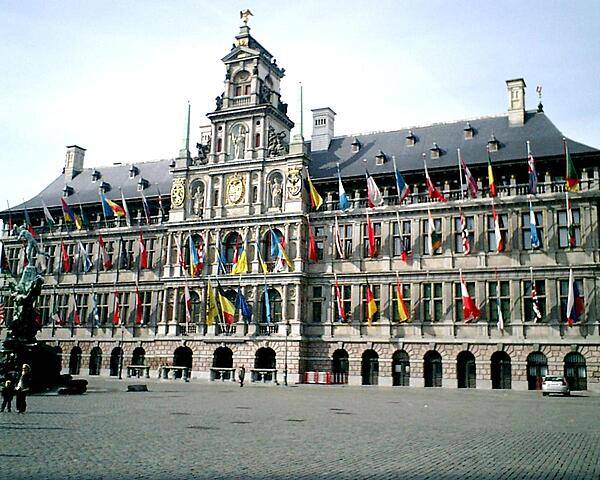
Antwerp's City Hall (Stadhuis) stands on the western side of the Grote Markt (Great Market Square). Built between 1561 and 1565, it displays both Flemish and Italian architectural influences.
Antwerp's City Hall (Stadhuis) stands on the western side of the Grote Markt (Great Market Square). Built between 1561 and 1565, it displays both Flemish and Italian architectural influences. • CIA World Factbook • 2020
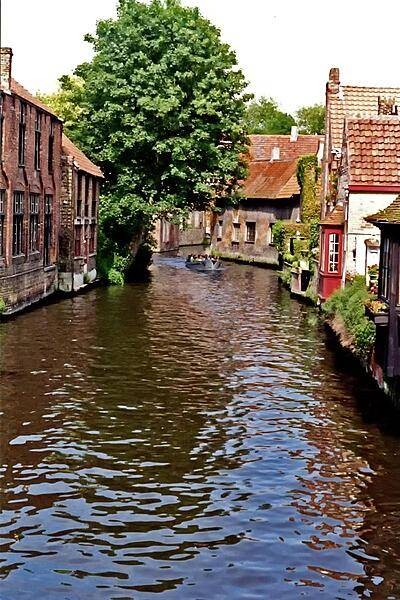
Sightseeing boat on a Brugge canal. The name of Brugge, often called the Venice of the North, is believed to come from the Old Norse word Bryggia meaning 'mooring place.' The canals were important in getting trading goods to their destination. Today, they are used exclusively for tourist boats.
Sightseeing boat on a Brugge canal. The name of Brugge, often called the Venice of the North, is believed to come from the Old Norse word Bryggia meaning 'mooring place.' The canals were important in getting trading goods to their destination. Today, they are used exclusively for tourist boats. • CIA World Factbook • 2020
The Grand Place (Grand Square) or Grote Markt (Grand Market) is the central square of Brussels; it is bounded by opulent guildhalls and two major edifices, the Hotel de Ville/Stadhuis (City Hall) and the King's House or Breadhouse building that houses the Brussels City Museum. Measuring 68 by 110 m (223 by 361 ft), the Grand Place is the most important tourist destination and most memorable landmark in Brussels. Considered to be one of the most beautiful squares in Europe, it has been a UNESCO World Heritage Site since 1998.
The Grand Place (Grand Square) or Grote Markt (Grand Market) is the central square of Brussels; it is bounded by opulent guildhalls and two major edifices, the Hotel de Ville/Stadhuis (City Hall) and the King's House or Breadhouse building that houses the Brussels City Museum. Measuring 68 by 110 m (223 by 361 ft), the Grand Place is the most important tourist destination and most memorable landmark in Brussels. Considered to be one of the most beautiful squares in Europe, it has been a UNESCO World Heritage Site since 1998. • CIA World Factbook • 2020
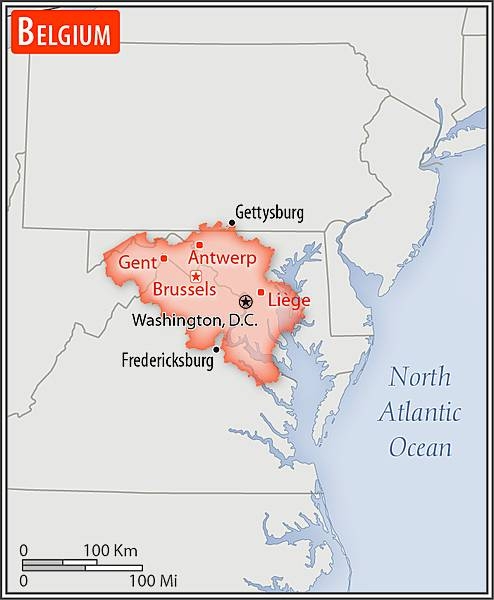
Area comparison map
Area comparison map • CIA World Factbook • 2020
CIA World Factbook • 2020
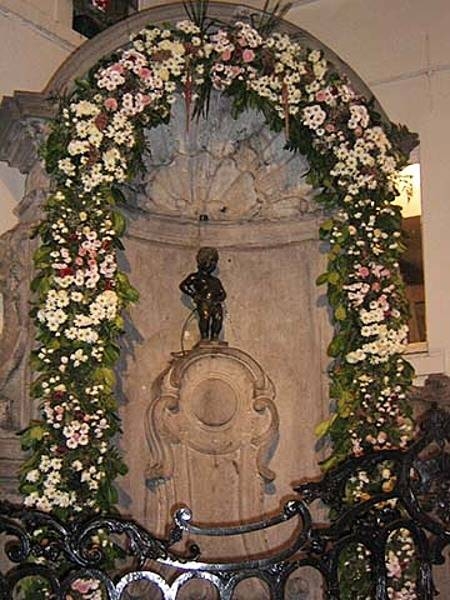
Manneken Pis is a landmark 61 cm (24 in) bronze fountain sculpture in the center of Brussels, depicting a naked little boy urinating into the fountain's basin. Erected in 1618 or 1619, the current statue is a replica that dates from 1965. The original is preserved in the Brussels City Museum. While Manneken Pis is one of the best-known attractions of Brussels, many tourists are taken aback by its small size.
Manneken Pis is a landmark 61 cm (24 in) bronze fountain sculpture in the center of Brussels, depicting a naked little boy urinating into the fountain's basin. Erected in 1618 or 1619, the current statue is a replica that dates from 1965. The original is preserved in the Brussels City Museum. While Manneken Pis is one of the best-known attractions of Brussels, many tourists are taken aback by its small size. • CIA World Factbook • 2020
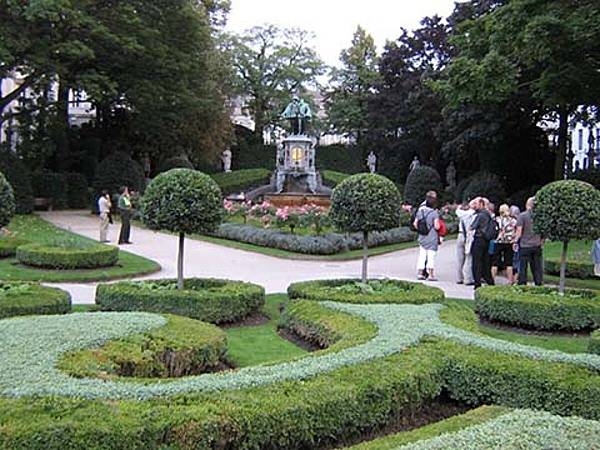
The Sablon is a neighborhood and hill in the historic upper town of Brussels. At its heart are the twin squares of the larger Grand Sablon (Large Sablon) square in the northwest and the smaller Petit Sablon (Small Sablon) square and garden in the southeast, divided by the Church of Our Blessed Lady of the Sablon. In the center of the Petit Sablon gardenlies a fountain of Counts Edgmont and Horne, who were symbols of resistance against Spanish tyranny that sparked the Dutch Revolt in the 16th century.
The Sablon is a neighborhood and hill in the historic upper town of Brussels. At its heart are the twin squares of the larger Grand Sablon (Large Sablon) square in the northwest and the smaller Petit Sablon (Small Sablon) square and garden in the southeast, divided by the Church of Our Blessed Lady of the Sablon. In the center of the Petit Sablon gardenlies a fountain of Counts Edgmont and Horne, who were symbols of resistance against Spanish tyranny that sparked the Dutch Revolt in the 16th century. • CIA World Factbook • 2020
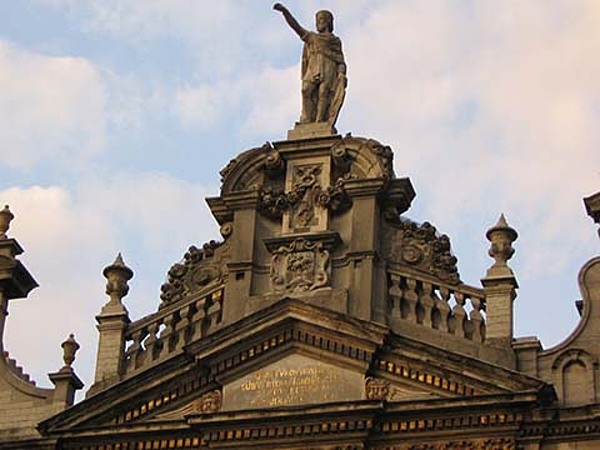
A statue of Saint Homobonus of Cremona, patron saint of tailors, caps the House of the Corporation of Tailors in the Grand Place/Grote Markt in Brussels. The house is also referred to as La Chaloupe d'Or/De Gulden Boot (The Golden Boat).
A statue of Saint Homobonus of Cremona, patron saint of tailors, caps the House of the Corporation of Tailors in the Grand Place/Grote Markt in Brussels. The house is also referred to as La Chaloupe d'Or/De Gulden Boot (The Golden Boat). • CIA World Factbook • 2020
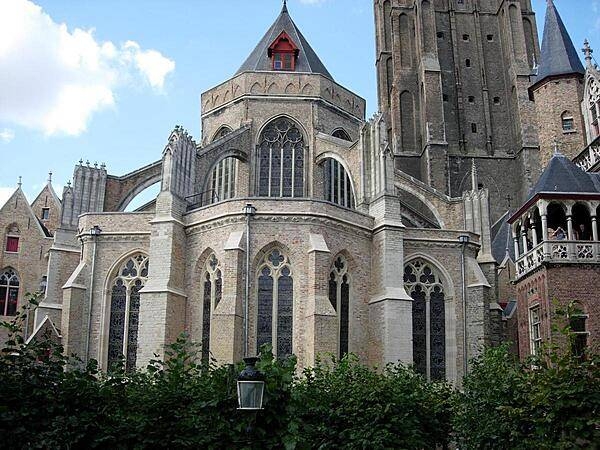
CIA World Factbook • 2020
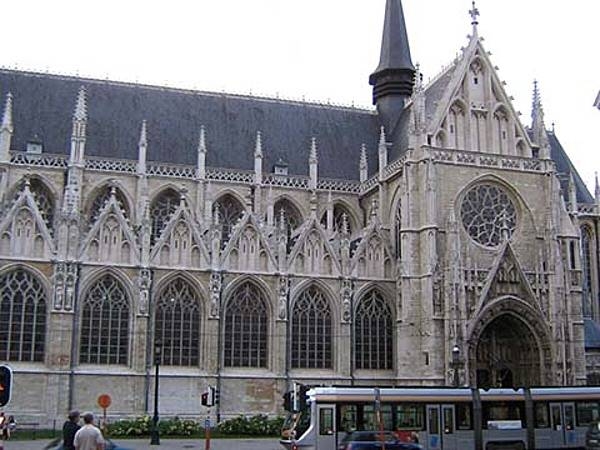
The Church of Our Lady of the Sablon, located in the Sablon/Zavel district in the historic center of Brussels, dates to the 15th century. Its distinctive style is characterized as late Brabantine Gothic.
The Church of Our Lady of the Sablon, located in the Sablon/Zavel district in the historic center of Brussels, dates to the 15th century. Its distinctive style is characterized as late Brabantine Gothic. • CIA World Factbook • 2020
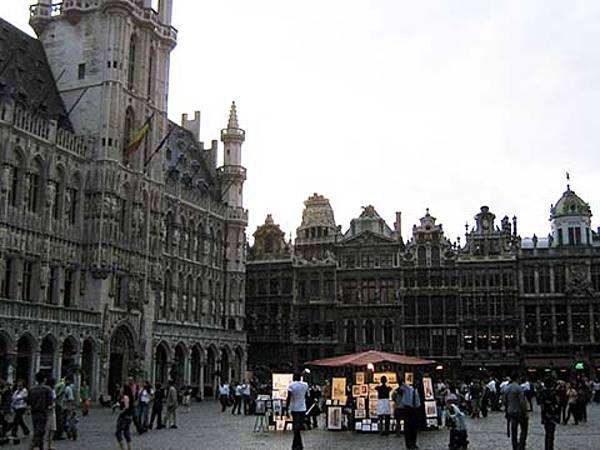
Evening view in the Grand Place/Grote Markt in Brussels; the Hotel de Ville/Stadhuis (City Hall) is on the left.
Evening view in the Grand Place/Grote Markt in Brussels; the Hotel de Ville/Stadhuis (City Hall) is on the left. • CIA World Factbook • 2020
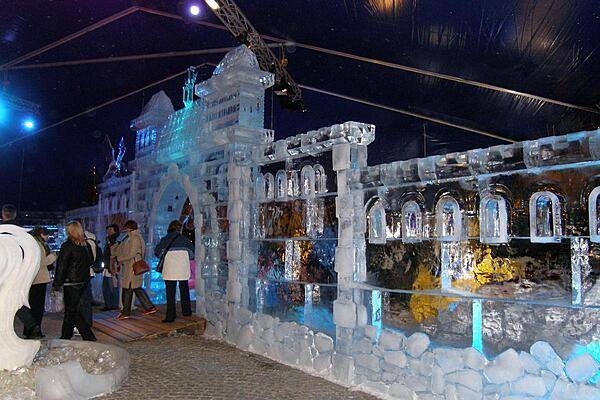
CIA World Factbook • 2020
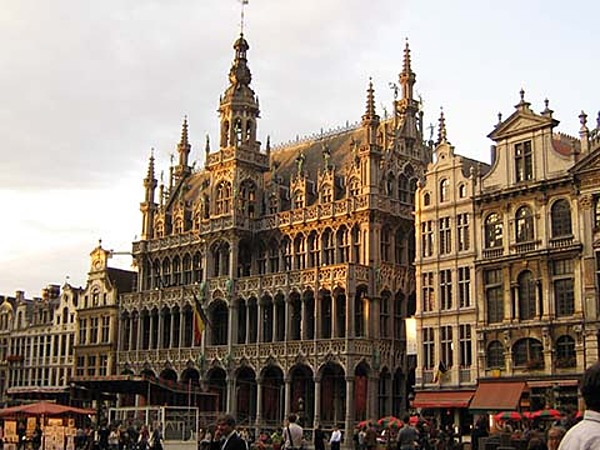
The Maison du Roi (King's House) or Broodhuis (Breadhouse) on the Grand Place/Grote Markt in Brussels houses the Brussels City Museum. The Grand Place (or Grand Square) is the central square of Brussels; it is bounded by opulent guildhalls and two major edifices, the city's Town Hall and the King's House or Breadhouse building. Measuring 68 by 110 m (223 by 361 ft), the Grand Place is the most important tourist destination and most memorable landmark in Brussels. Considered to be one of the most beautiful squares in Europe, it has been a UNESCO World Heritage Site since 1998.
The Maison du Roi (King's House) or Broodhuis (Breadhouse) on the Grand Place/Grote Markt in Brussels houses the Brussels City Museum. The Grand Place (or Grand Square) is the central square of Brussels; it is bounded by opulent guildhalls and two major edifices, the city's Town Hall and the King's House or Breadhouse building. Measuring 68 by 110 m (223 by 361 ft), the Grand Place is the most important tourist destination and most memorable landmark in Brussels. Considered to be one of the most beautiful squares in Europe, it has been a UNESCO World Heritage Site since 1998. • CIA World Factbook • 2020
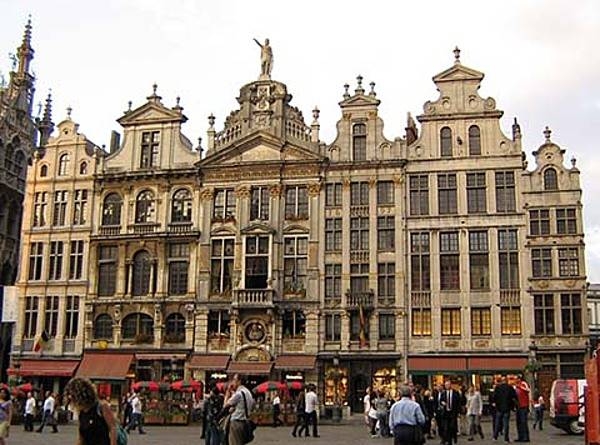
Six guild houses on the northeast side of the Grand Place/Grote Markt in Brussels. From right to left they are: Le Cerf, Joseph et Anne, L'Ange, La Chaloupe d'Or, Le Pigeon, and Le Marchand d'Or.
Six guild houses on the northeast side of the Grand Place/Grote Markt in Brussels. From right to left they are: Le Cerf, Joseph et Anne, L'Ange, La Chaloupe d'Or, Le Pigeon, and Le Marchand d'Or. • CIA World Factbook • 2020
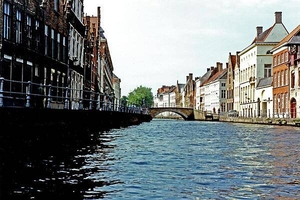
A bridge over a quiet Brugge canal.
A bridge over a quiet Brugge canal. • CIA World Factbook • 2020
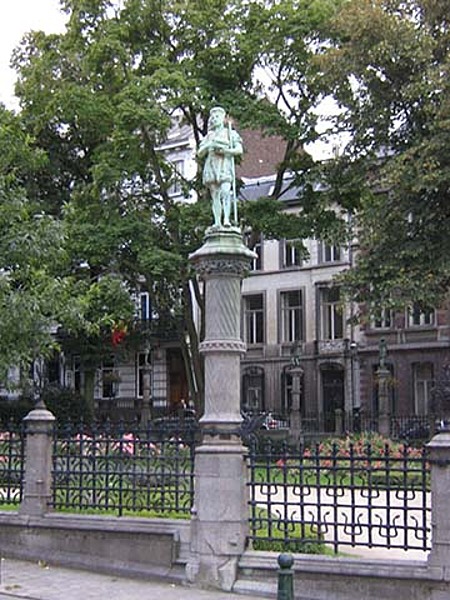
The fence around the Petit Sablon garden is punctuated by tall stone pillars; atop each pillar is a statue of one or more historical professions.
The fence around the Petit Sablon garden is punctuated by tall stone pillars; atop each pillar is a statue of one or more historical professions. • CIA World Factbook • 2020
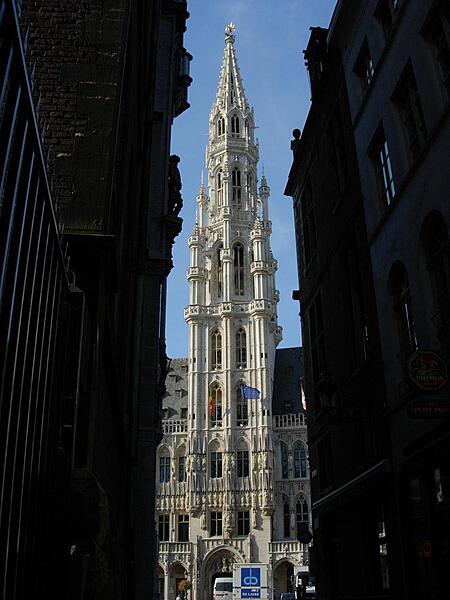
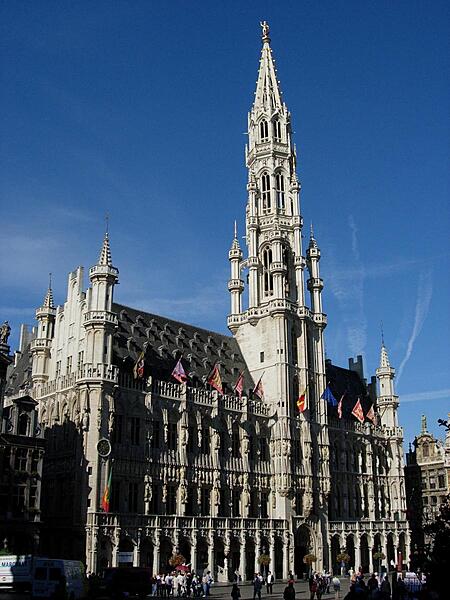
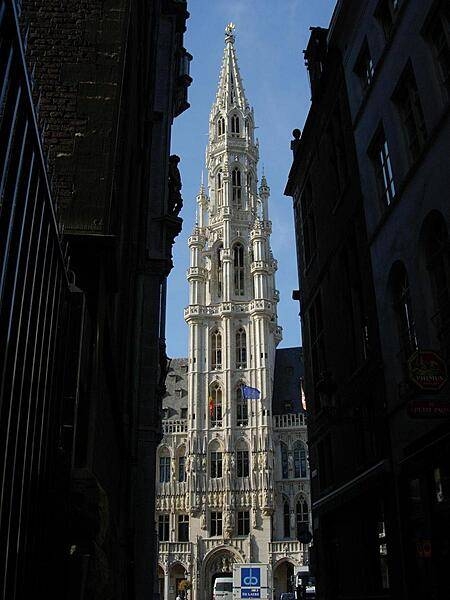
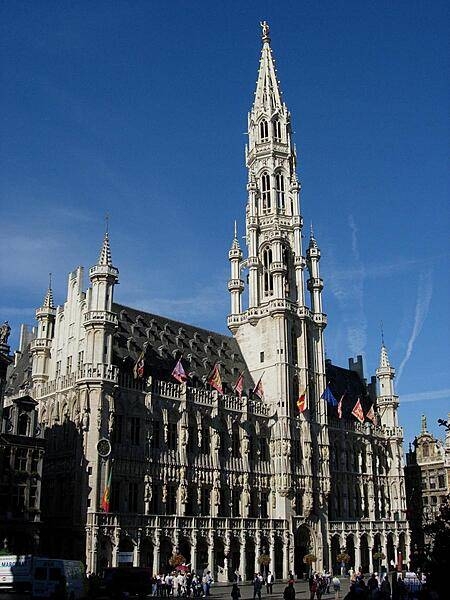
The imposing main tower of the Hotel de Ville/Stadhuis (City Hall) in Brussels. Built in the Gothic style, parts of the structure date back to the early 15th century. Its spire is topped by a gilt metal statue of the Archangel Michael, patron saint of Brussels. The facade is decorated with statues of nobles, saints, and allegorical figures.
The imposing main tower of the Hotel de Ville/Stadhuis (City Hall) in Brussels. Built in the Gothic style, parts of the structure date back to the early 15th century. Its spire is topped by a gilt metal statue of the Archangel Michael, patron saint of Brussels. The facade is decorated with statues of nobles, saints, and allegorical figures. • CIA World Factbook • 2020
CIA World Factbook • 2020
CIA World Factbook • 2020
CIA World Factbook • 2020
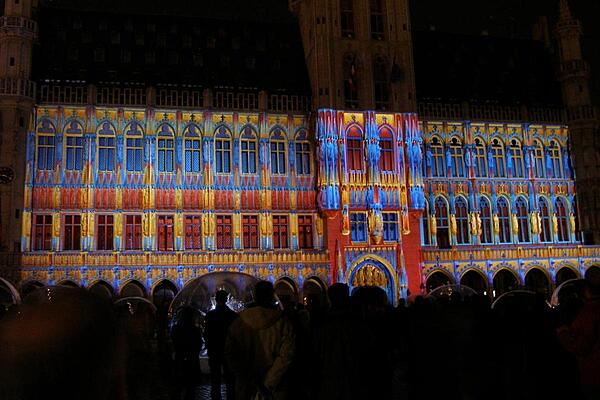
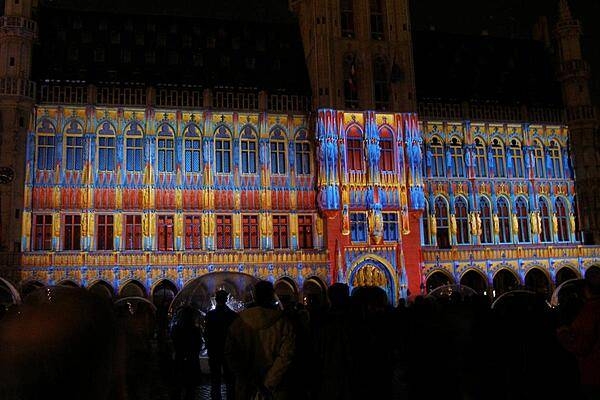
The Hotel de Ville/Stadhuis (City Hall) with Winter Festival lighting.
The Hotel de Ville/Stadhuis (City Hall) with Winter Festival lighting. • CIA World Factbook • 2020
CIA World Factbook • 2020
CIA World Factbook • 2020
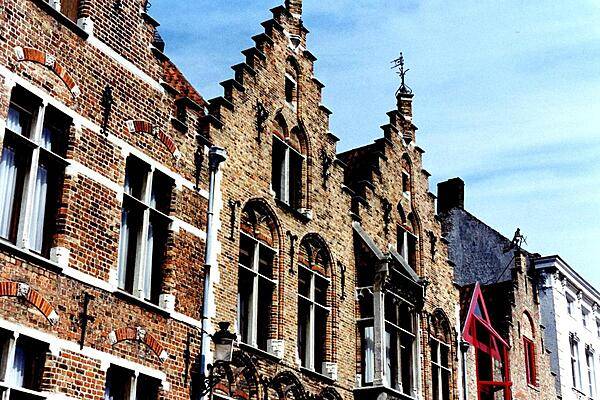
Weather vanes, tall windows, and distinctive roof lines along a Brugge canal.
Weather vanes, tall windows, and distinctive roof lines along a Brugge canal. • CIA World Factbook • 2020
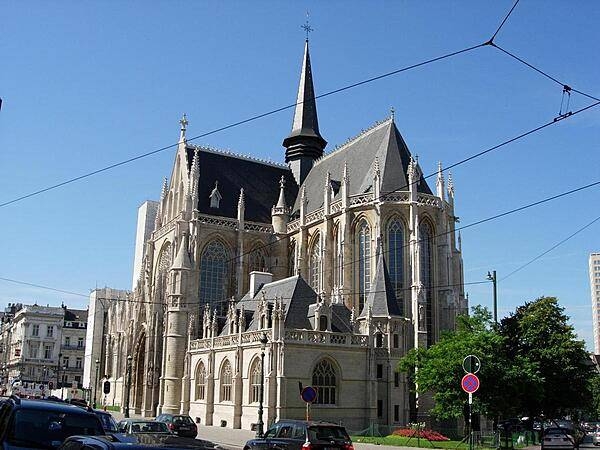
CIA World Factbook • 2020
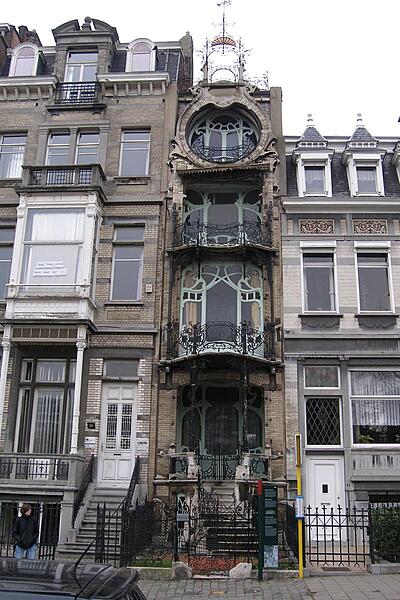
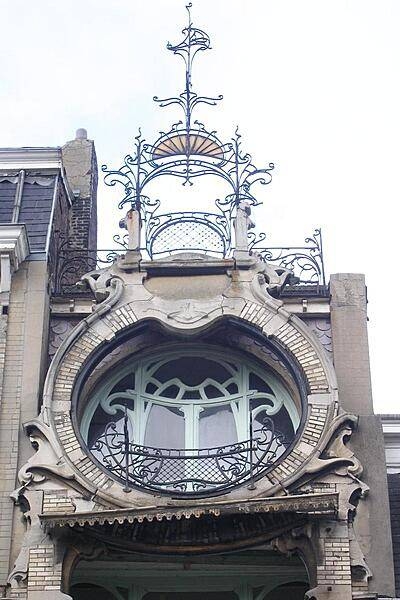
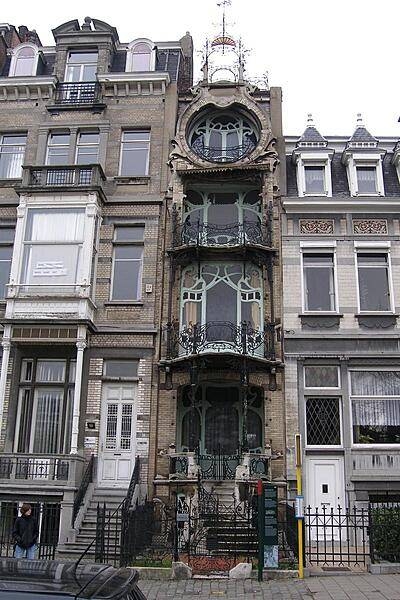
The Saint-Cyr House in Brussels was built between 1901-03 for painter Georges de Saint-Cyr; it is an Art Nouveau masterpiece.
The Saint-Cyr House in Brussels was built between 1901-03 for painter
Georges de Saint-Cyr; it is an Art Nouveau masterpiece. • CIA World Factbook • 2020
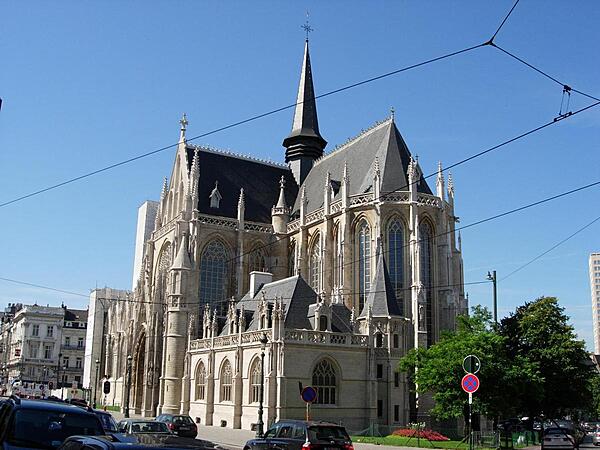
Our Lady of the Sablon Church in Brussels was built in the 15th century in a late Gothic style known as Brabantine. It is renowned for its brightly colored stained-glass windows.
Our Lady of the Sablon Church in Brussels was built in the 15th century in a late Gothic style known as Brabantine. It is renowned for its brightly colored stained-glass windows. • CIA World Factbook • 2020
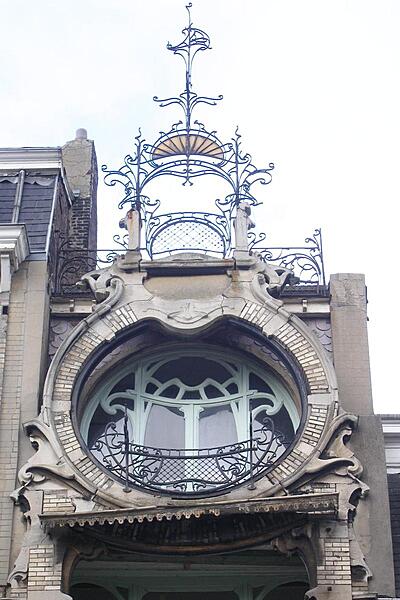
The uppermost window of the Saint-Cyr House in Brussels
The uppermost window of the Saint-Cyr House in Brussels • CIA World Factbook • 2020
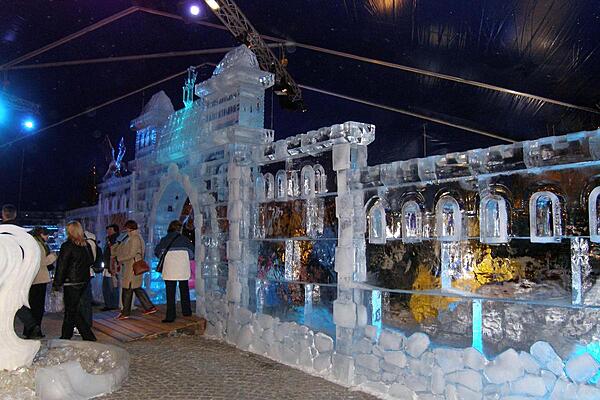
At the Snow and Ice Sculpture Festival in Brugge. The festival runs from the end of November until the middle of January and is located on Station Square.
At the Snow and Ice Sculpture Festival in Brugge. The festival runs from the end of November until the middle of January and is located on Station Square. • CIA World Factbook • 2020
Media source: CIA World Factbook (2020) — Public Domain