›››
Poland — Media Gallery
36 items available (flags, maps, photos)
Photos
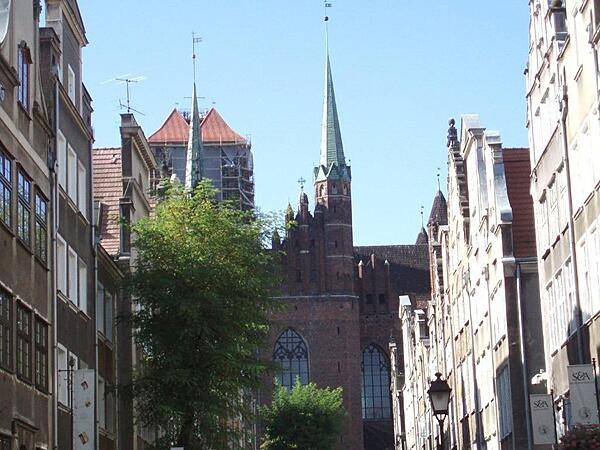
Saint Mary's Church in Gdansk as seen from Mariacka (Saint Mary's Gate). Saint Mary's, built between 1343 and 1502, is the largest brick church in the world, and can hold 25,000 people.
Saint Mary's Church in Gdansk as seen from Mariacka (Saint Mary's Gate). Saint Mary's, built between 1343 and 1502, is the largest brick church in the world, and can hold 25,000 people. • CIA World Factbook • 2020
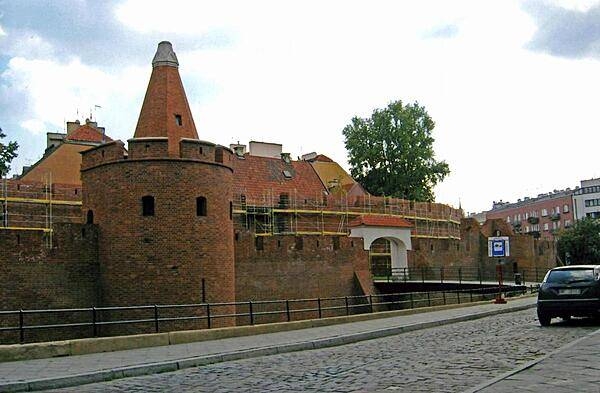
The barbican in Warsaw's Old Town.
The barbican in Warsaw's Old Town. • CIA World Factbook • 2020
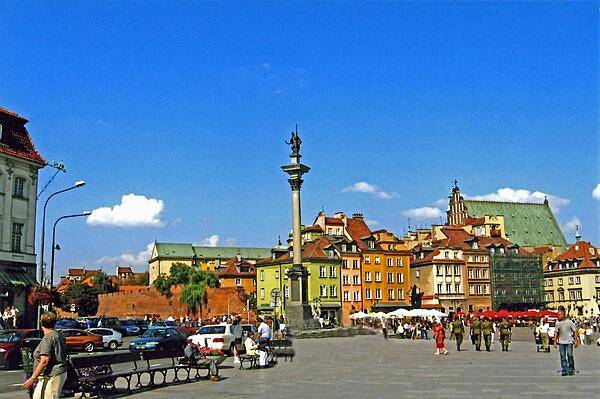
Castle Square, with Zygmunt's Column, in Warsaw.
Castle Square, with Zygmunt's Column, in Warsaw. • CIA World Factbook • 2020
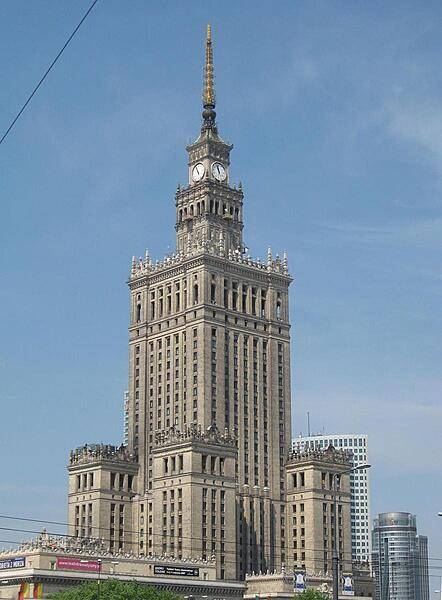
The Palace of Culture and Science in Warsaw is the tallest building in Poland; it was built between 1952 and 1955 as a gift to Poland by the Soviet Union. For decades the building was hated by the Poles, who considered it a symbol of Soviet domination. Since the fall of the Soviet Bloc, however, the structure's negative symbolism has diminished. The building currently serves as an exhibition center and office complex
The Palace of Culture and Science in Warsaw is the tallest building in Poland; it was built between 1952 and 1955 as a gift to Poland by the Soviet Union. For decades the building was hated by the Poles, who considered it a symbol of Soviet domination. Since the fall of the Soviet Bloc, however, the structure's negative symbolism has diminished. The building currently serves as an exhibition center and office complex • CIA World Factbook • 2020
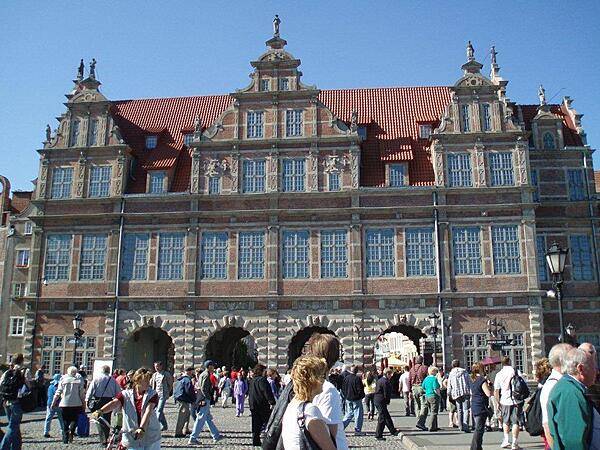
The Green Gate in Gdansk, built between 1568 and 1571 at the end of the city's Long Market, served as the residence of visiting Polish monarchs.
The Green Gate in Gdansk, built between 1568 and 1571 at the end of the city's Long Market, served as the residence of visiting Polish monarchs. • CIA World Factbook • 2020
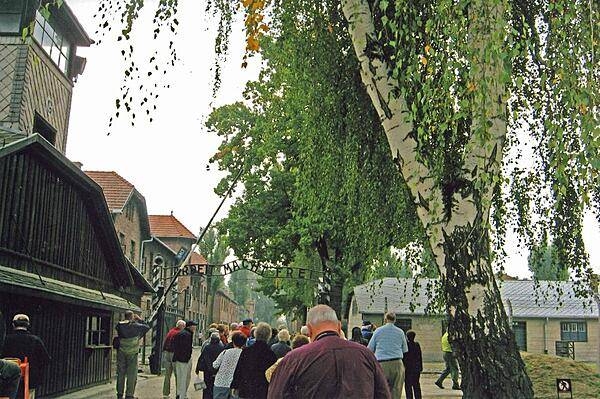
Entrance to the Auschwitz I concentration camp. The slogan over the gate translates as "Work makes you free." At the conclusion of World War II, the Polish Government established a memorial museum to honor the more than 1 million victims who died at this and surrounding camps.
Entrance to the Auschwitz I concentration camp. The slogan over the gate translates as "Work makes you free." At the conclusion of World War II, the Polish Government established a memorial museum to honor the more than 1 million victims who died at this and surrounding camps. • CIA World Factbook • 2020
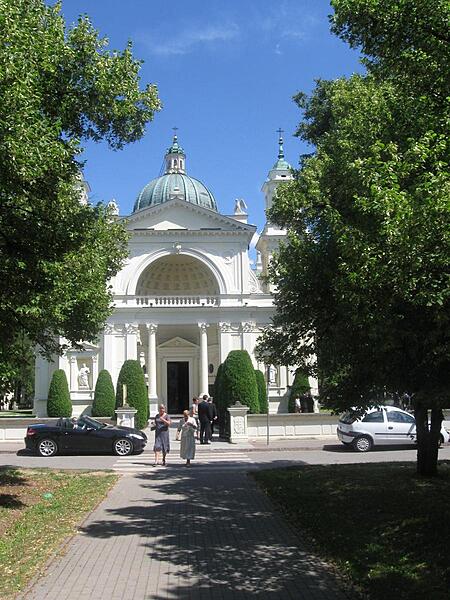
Saint Anne's Church outside the Palace at Wilanow in Warsaw.
Saint Anne's Church outside the Palace at Wilanow in Warsaw. • CIA World Factbook • 2020
CIA World Factbook • 2020
CIA World Factbook • 2020
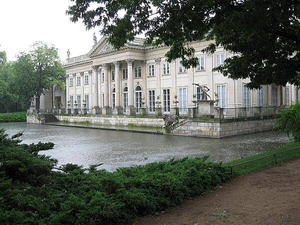
The north face (rear) of the Palac na Wodzie (Palace on the Water) located in the Park Lazienkowsi (Royal Baths Park) - the largest park in Warsaw. Built in the 17th century, the structure was remodeled in the 18th century and became a royal residence. The building is now a beautiful and harmonious mixture of architectural styles.
The north face (rear) of the Palac na Wodzie (Palace on the Water) located in the Park Lazienkowsi (Royal Baths Park) - the largest park in Warsaw. Built in the 17th century, the structure was remodeled in the 18th century and became a royal residence. The building is now a beautiful and harmonious mixture of architectural styles. • CIA World Factbook • 2020
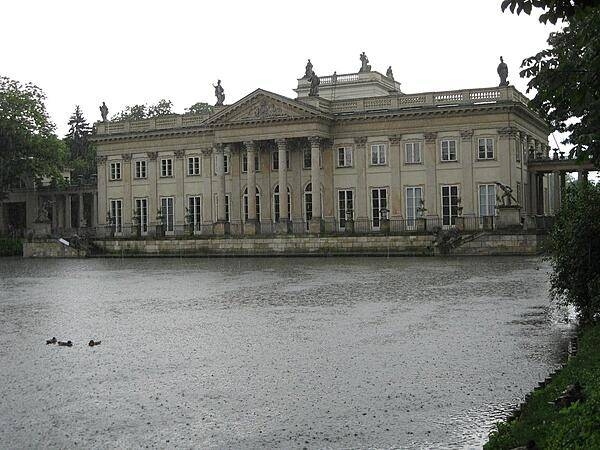
The Palac na Wodzie (Palace on the Water) located in the Park Lazienkowsi (Royal Baths Park) in Warsaw as seen during a downpour. The palace stands on an artificial island in Lazienki Lake, which it divides in two. The building is connected to the rest of the park by two arcaded bridges.
The Palac na Wodzie (Palace on the Water) located in the Park Lazienkowsi (Royal Baths Park) in Warsaw as seen during a downpour. The palace stands on an artificial island in Lazienki Lake, which it divides in two. The building is connected to the rest of the park by two arcaded bridges. • CIA World Factbook • 2020
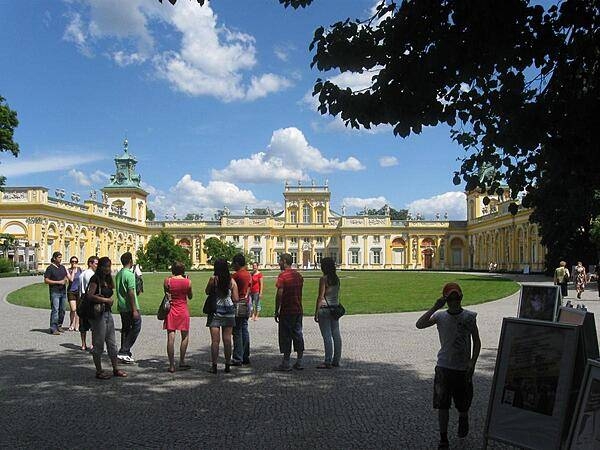
Wilanow Palace in Warsaw is one of the most important examples of Polish Baroque architecture. King Jan (John) III Sobieski ordered its construction in the late 17th century. The palace was enlarged by other owners in subsequent centuries.
Wilanow Palace in Warsaw is one of the most important examples of Polish Baroque architecture. King Jan (John) III Sobieski ordered its construction in the late 17th century. The palace was enlarged by other owners in subsequent centuries. • CIA World Factbook • 2020
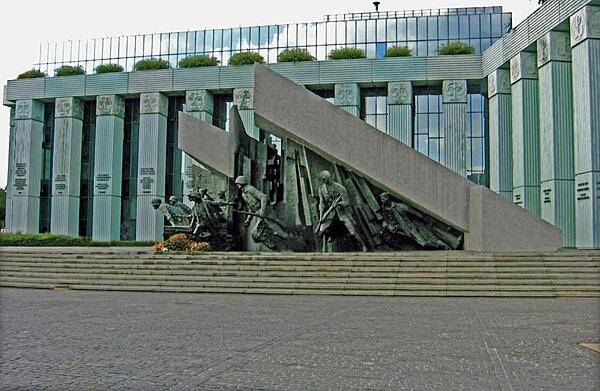
Warsaw Uprising Memorial in Warsaw.
Warsaw Uprising Memorial in Warsaw. • CIA World Factbook • 2020
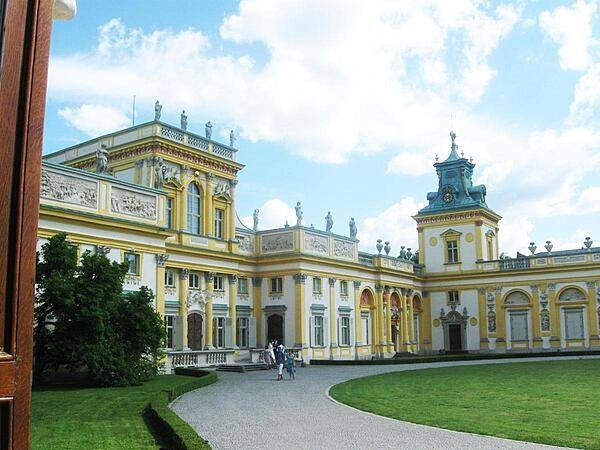
View of the corps de logis (large central block) of Wilanow Palace in Warsaw.
View of the corps de logis (large central block) of Wilanow Palace in Warsaw. • CIA World Factbook • 2020
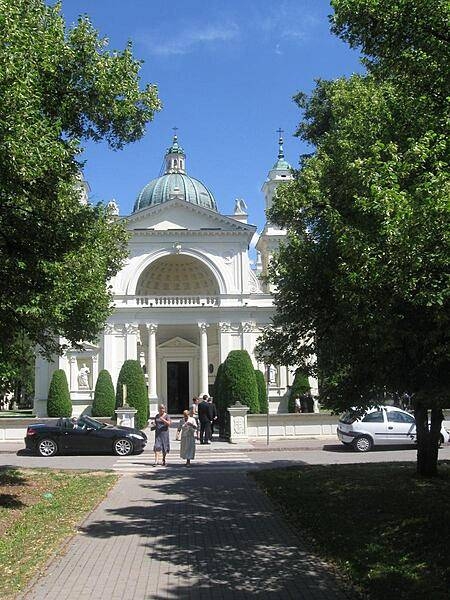
CIA World Factbook • 2020
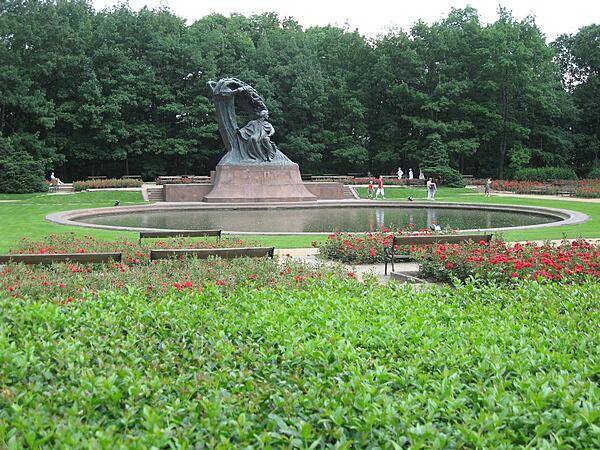
The bronze Frederic Chopin Monument in the Park Lazienkowski (Royal Baths Park) in Warsaw, erected in 1926.
The bronze Frederic Chopin Monument in the Park Lazienkowski (Royal Baths Park) in Warsaw, erected in 1926. • CIA World Factbook • 2020
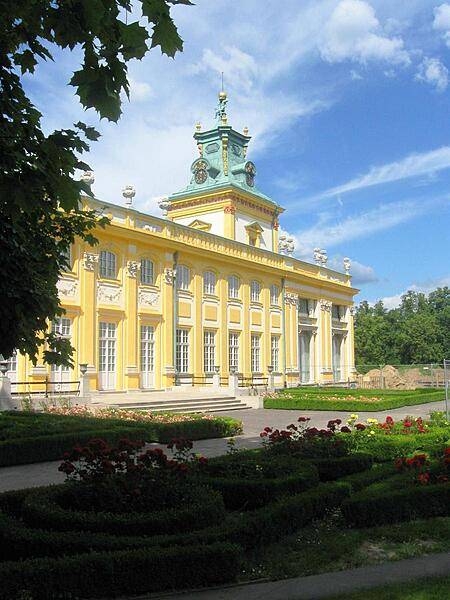
Some of the flower beds on the periphery of Wilanow Palace in Warsaw.
Some of the flower beds on the periphery of Wilanow Palace in Warsaw. • CIA World Factbook • 2020
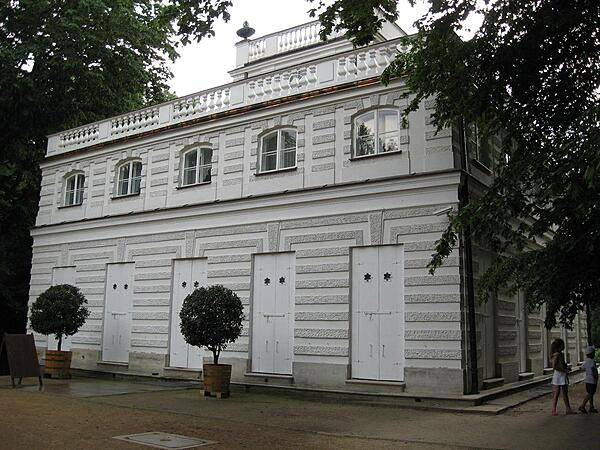
The Bialy Domek (Little White House) is a garden villa in the Park Lazienkowski (Royal Baths Park) in Warsaw.
The Bialy Domek (Little White House) is a garden villa in the Park Lazienkowski (Royal Baths Park) in Warsaw. • CIA World Factbook • 2020
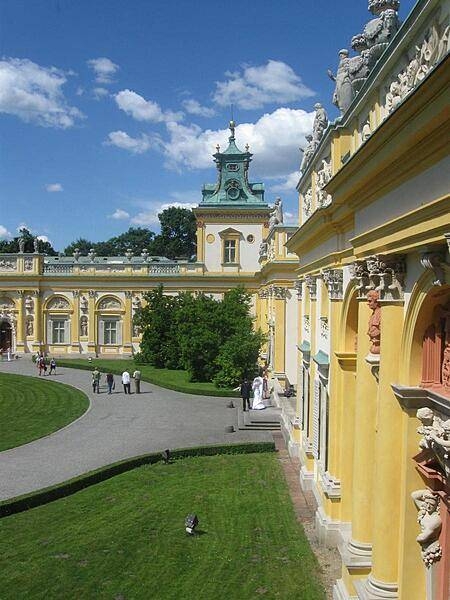
CIA World Factbook • 2020
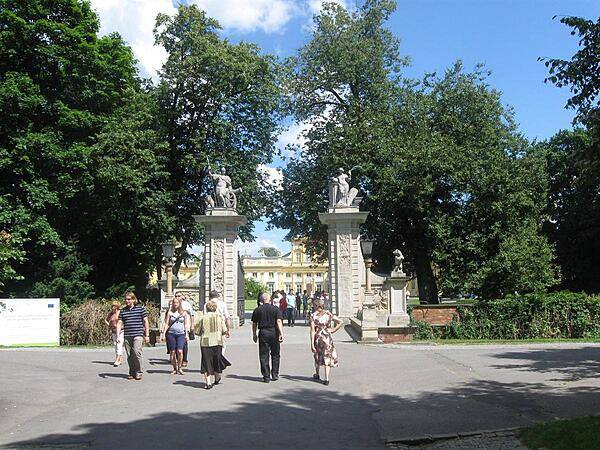
The gateway leading to Wilanow Palace in Warsaw.
The gateway leading to Wilanow Palace in Warsaw. • CIA World Factbook • 2020
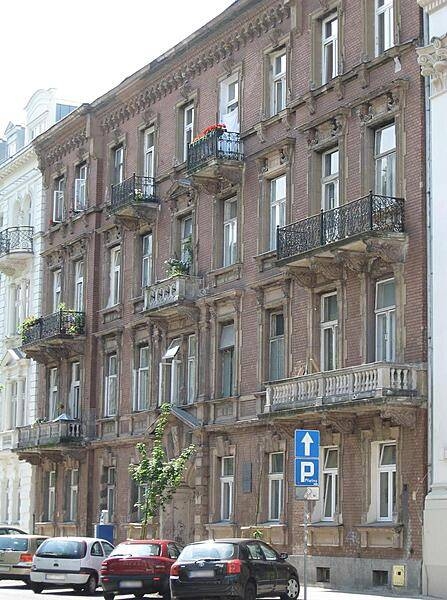
Interesting architectural details in the brick and stone facade of a Warsaw building.
Interesting architectural details in the brick and stone facade of a Warsaw building. • CIA World Factbook • 2020
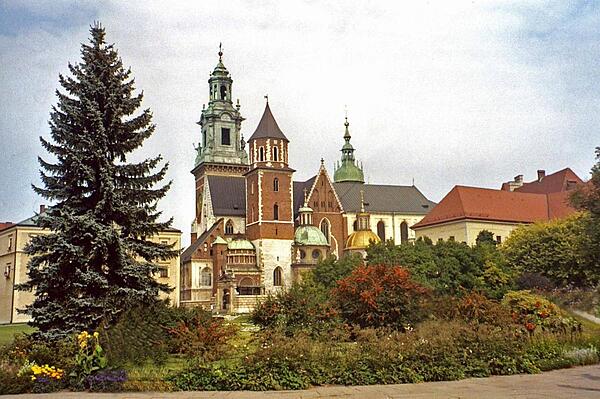
The Cathedral Basilica of Sts. Stanislaw and Vaclav, also known as the Wawel Cathedral, in Krakow.
The Cathedral Basilica of Sts. Stanislaw and Vaclav, also known as the Wawel Cathedral, in Krakow. • CIA World Factbook • 2020
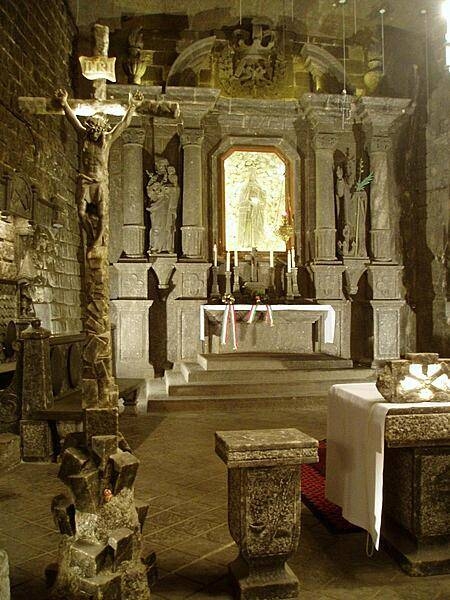
An altar constructed of salt in the Wieliczka salt mines.
An altar constructed of salt in the Wieliczka salt mines. • CIA World Factbook • 2020
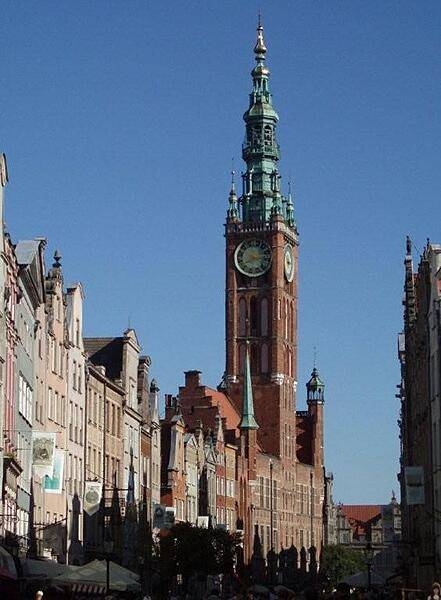
A Gdansk Town Hall was first constructed in the 14th century and then added to over a period of more than 200 years. The current structure dates to the late 16th century.
A Gdansk Town Hall was first constructed in the 14th century and then added to over a period of more than 200 years. The current structure dates to the late 16th century. • CIA World Factbook • 2020
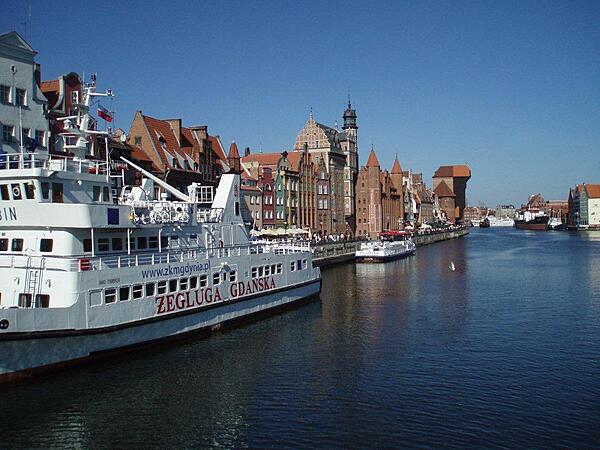
A view of the inner harbor of Gdansk. The city lies on the southern shore of Gdansk Bay on the mouth of the Motlawa River.
A view of the inner harbor of Gdansk. The city lies on the southern shore of Gdansk Bay on the mouth of the Motlawa River. • CIA World Factbook • 2020
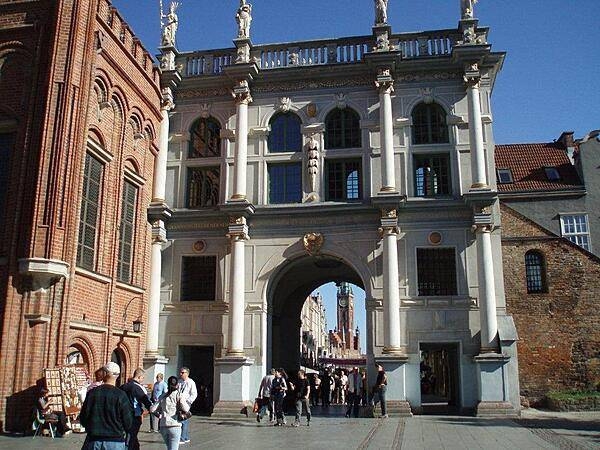
The Golden Gate in Gdansk, erected between 1612 and 1614, leads to Long Street and Long Market on the Royal Road.
The Golden Gate in Gdansk, erected between 1612 and 1614, leads to Long Street and Long Market on the Royal Road. • CIA World Factbook • 2020
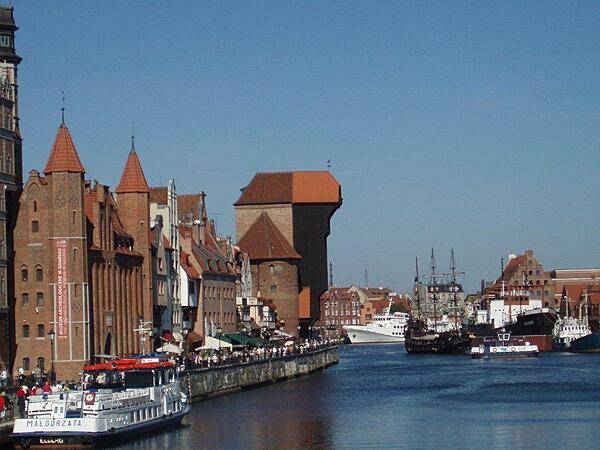
The inner harbor of Gdansk with its distinctive medieval port crane, which was used to hoist cargo and fit masts. Built in 1367, the crane (called Krantor) was rebuilt in the middle of the 15th century.
The inner harbor of Gdansk with its distinctive medieval port crane, which was used to hoist cargo and fit masts. Built in 1367, the crane (called Krantor) was rebuilt in the middle of the 15th century. • CIA World Factbook • 2020
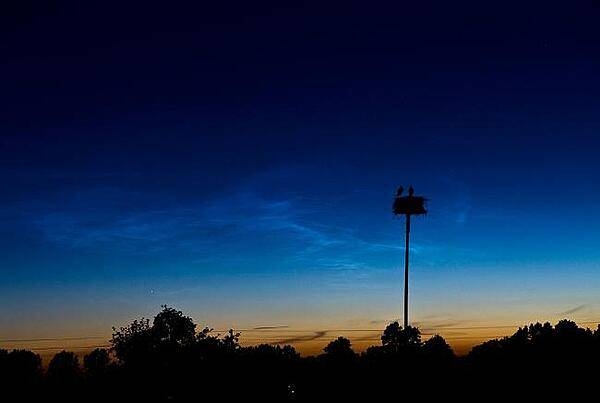
The setting sun's last rays highlight some high-altitude polar mesospheric clouds (noctilucent clouds) and silhouette two storks in a nesting platform.
The setting sun's last rays highlight some high-altitude polar mesospheric clouds (noctilucent clouds) and silhouette two storks in a nesting platform. • CIA World Factbook • 2020
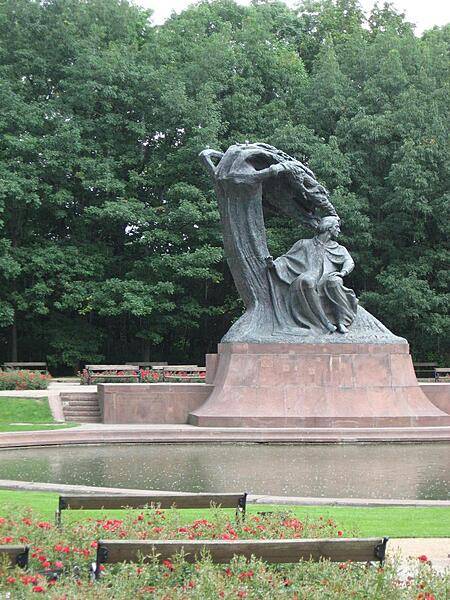
A closer view of the Frederic Chopin Monument in the Park Lazienkowski (Royal Baths Park) in Warsaw.
A closer view of the Frederic Chopin Monument in the Park Lazienkowski (Royal Baths Park) in Warsaw. • CIA World Factbook • 2020
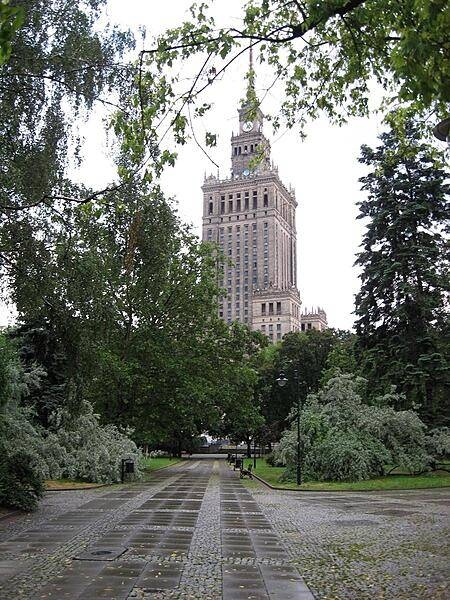
Another view of the Palace of Culture and Science, the tallest building in Poland with 42 stories. Its total height is 231 m (757 ft), which includes a 43 m spire. The building contains 3,288 rooms.
Another view of the Palace of Culture and Science, the tallest building in Poland with 42 stories. Its total height is 231 m (757 ft), which includes a 43 m spire. The building contains 3,288 rooms. • CIA World Factbook • 2020
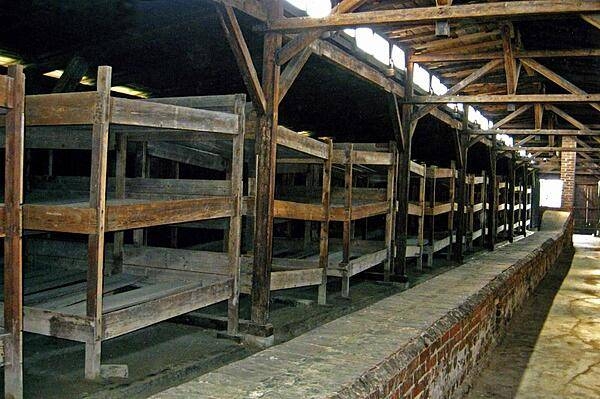
Barracks at the Auschwitz II (Birkenau) concentration camp. The camp and surrounding satellite camps were built by Nazi Germany in occupied Poland during World War II. Following the war, the Polish Government established a memorial museum to honor the more than 1 million victims who died at the camp.
Barracks at the Auschwitz II (Birkenau) concentration camp. The camp and surrounding satellite camps were built by Nazi Germany in occupied Poland during World War II. Following the war, the Polish Government established a memorial museum to honor the more than 1 million victims who died at the camp. • CIA World Factbook • 2020
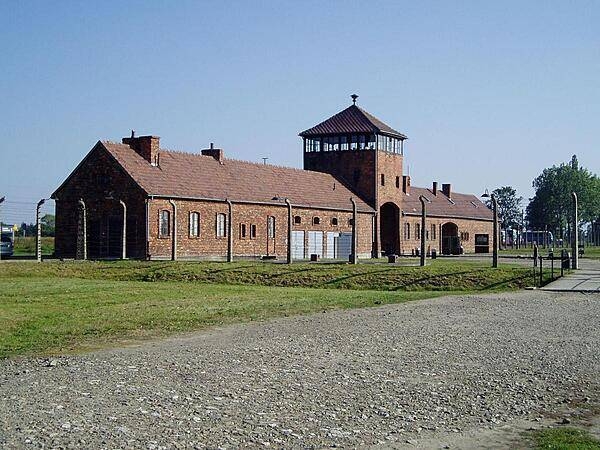
The infamous entrance building to the Auschwitz II (Birkenau) death camp in Oswiecim. The camp was built by Nazi Germany in occupied Poland during World War II. Over 1 million people died at this camp and surrounding satellite camps. The vast majority of the victims were Jews, but some Poles, Roma, and other Eastern European ethnic groups were also included. Following the war, the Polish Government decided to preserve part of the camp complex as a memorial museum.
The infamous entrance building to the Auschwitz II (Birkenau) death camp in Oswiecim. The camp was built by Nazi Germany in occupied Poland during World War II. Over 1 million people died at this camp and surrounding satellite camps. The vast majority of the victims were Jews, but some Poles, Roma, and other Eastern European ethnic groups were also included. Following the war, the Polish Government decided to preserve part of the camp complex as a memorial museum. • CIA World Factbook • 2020
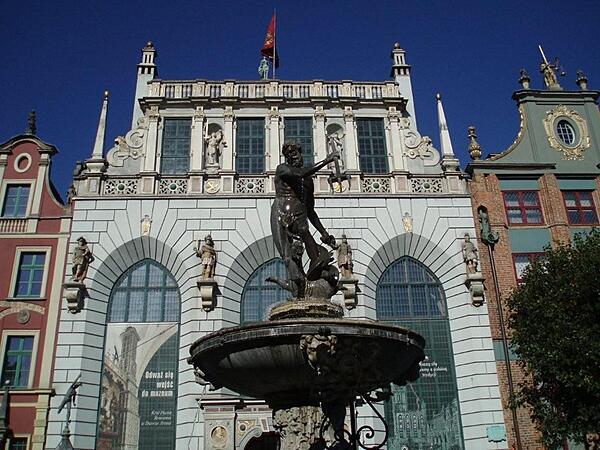
The Neptune Fountain in Gdansk is one of the most recognizable symbols of the city. First erected as a statue in 1549, it was converted into a fountain in 1633. The monument fronts a merchant house near the Town Hall.
The Neptune Fountain in Gdansk is one of the most recognizable symbols of the city. First erected as a statue in 1549, it was converted into a fountain in 1633. The monument fronts a merchant house near the Town Hall. • CIA World Factbook • 2020
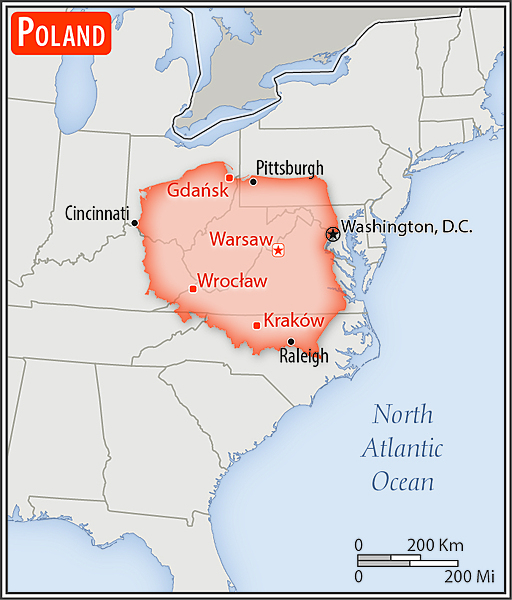
Area comparison map
Area comparison map • CIA World Factbook • 2020
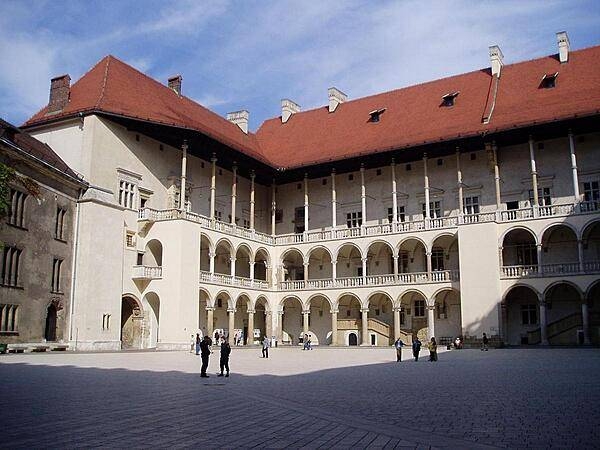
The interior courtyard of Wawel Castle in Krakow.
The interior courtyard of Wawel Castle in Krakow. • CIA World Factbook • 2020
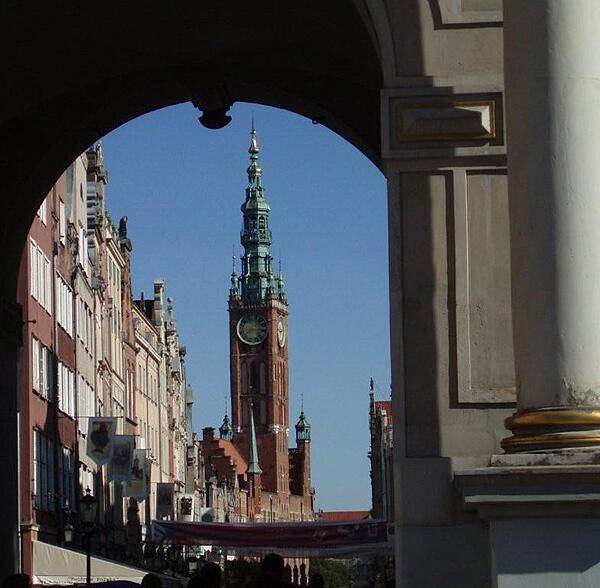
The Town Hall of Gdansk as seen through the arch of the Golden Gate.
The Town Hall of Gdansk as seen through the arch of the Golden Gate. • CIA World Factbook • 2020
Media source: CIA World Factbook (2020) — Public Domain