›››
Czechia — Media Gallery
27 items available (flags, maps, photos)
Photos
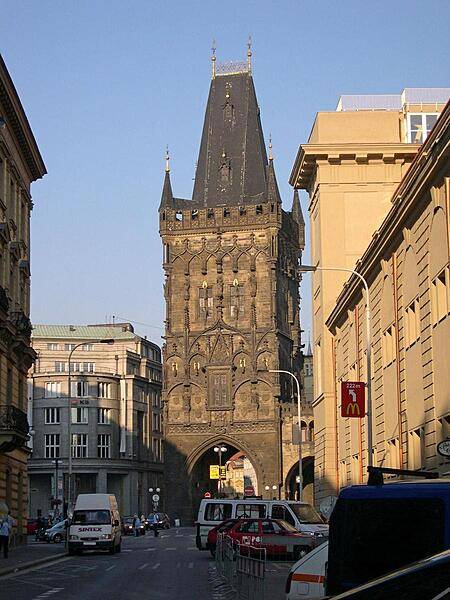
The Gothic Powder Tower in Prague, dating to 1475, is at the site of an 11th century gate - one of the city's 13 medieval gates. Originally connected - via a small bridge - to the royal palace, it eventually lost its importance and by the 17th century was being used to store gunpowder, hence its name.
The Gothic Powder Tower in Prague, dating to 1475, is at the site of an 11th century gate - one of the city's 13 medieval gates. Originally connected - via a small bridge - to the royal palace, it eventually lost its importance and by the 17th century was being used to store gunpowder, hence its name. • CIA World Factbook • 2020
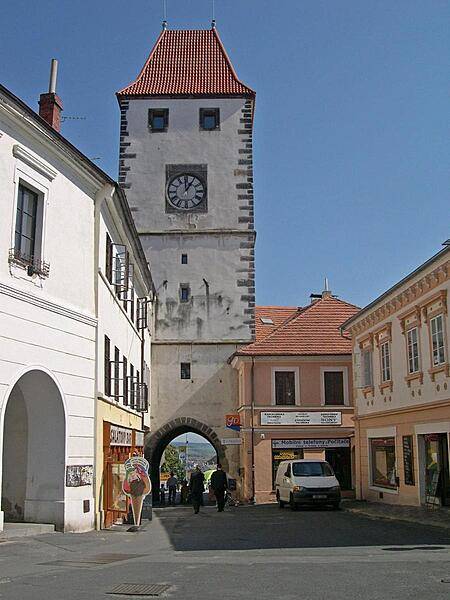
The Prague Gate in the town square of Melnik dates from 1500 when the portal was part of an old medieval fortress. Today its lower floor is a café.
The Prague Gate in the town square of Melnik dates from 1500 when the portal was part of an old medieval fortress. Today its lower floor is a café. • CIA World Factbook • 2020
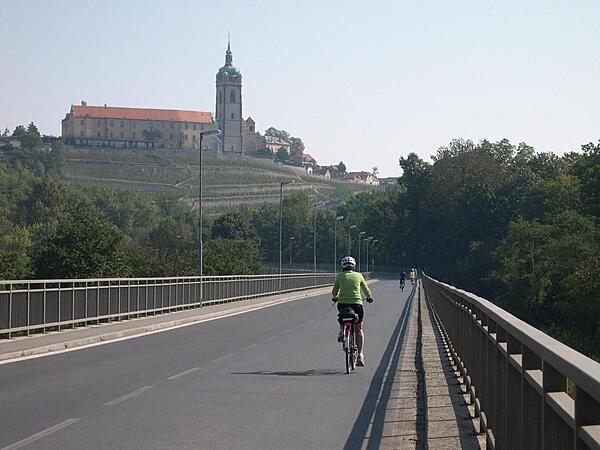
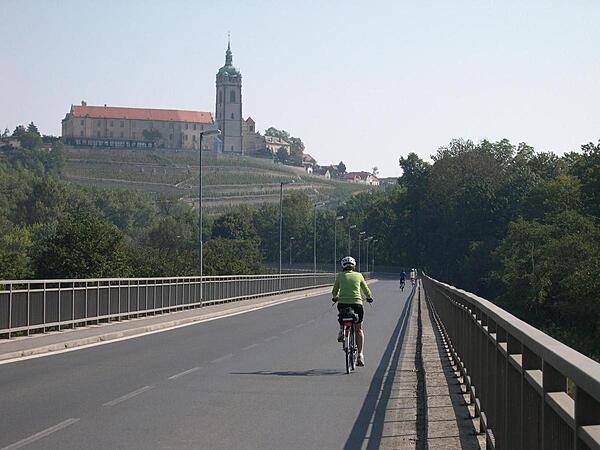
The town of Melnik lies some 35 km (22 mi) north of Prague - at the confluence of the Labe and Vltava rivers - in the agricultural region of the Czech Republic. The town's strategic location allows it to serve as one of the largest river ports in the country.
The town of Melnik lies some 35 km (22 mi) north of Prague - at the confluence of the Labe and Vltava rivers - in the agricultural region of the Czech Republic. The town's strategic location allows it to serve as one of the largest river ports in the country. • CIA World Factbook • 2020
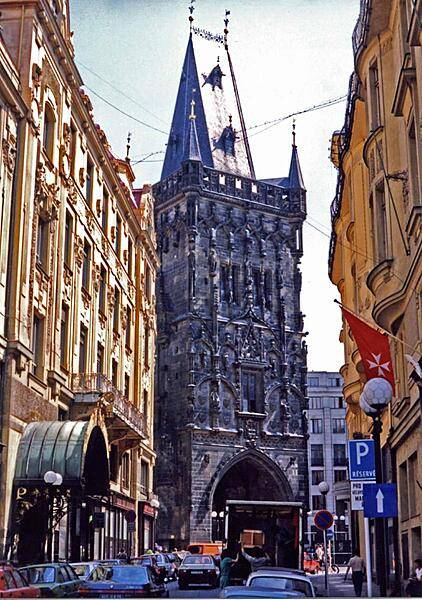
The Gothic Powder Tower in Prague, built in 1475, is at the site of an 11th century gate - one of the city's 13 original gates.
The Gothic Powder Tower in Prague, built in 1475, is at the site of an 11th century gate - one of the city's 13 original gates. • CIA World Factbook • 2020
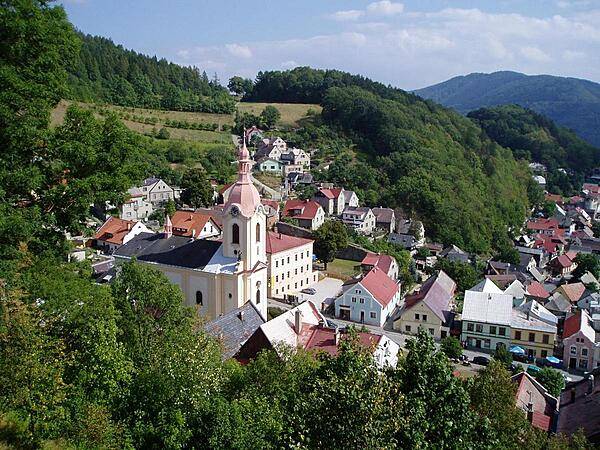
The town of Stramberk in the eastern Czech region of Moravia, as seen from the town's medieval hilltop tower.
The town of Stramberk in the eastern Czech region of Moravia, as seen from the town's medieval hilltop tower. • CIA World Factbook • 2020
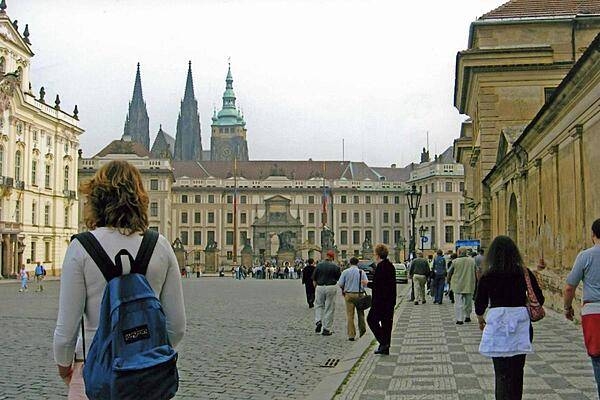
Entrance to Prague Castle on Hradczany.
Entrance to Prague Castle on Hradczany. • CIA World Factbook • 2020
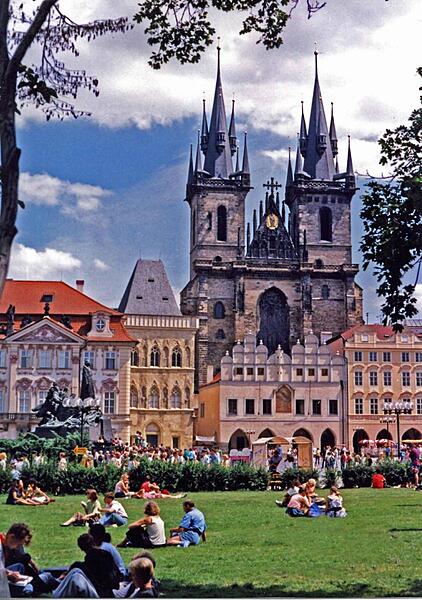
The Church of Our Lady before Tyn (also known as the Tyn Cathedral) overlooks Old Town Square in Prague.
The Church of Our Lady before Tyn (also known as the Tyn Cathedral) overlooks Old Town Square in Prague. • CIA World Factbook • 2020
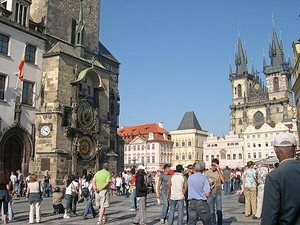
A view of a section of the Old Town Square in Prague. The medieval astronomical clock on the Old Town City Hall dates to 1410. In the background is Tyn Cathedral, one of the oldest churches in Prague, whose construction began in the 14th century.
A view of a section of the Old Town Square in Prague. The medieval astronomical clock on the Old Town City Hall dates to 1410. In the background is Tyn Cathedral, one of the oldest churches in Prague, whose construction began in the 14th century. • CIA World Factbook • 2020
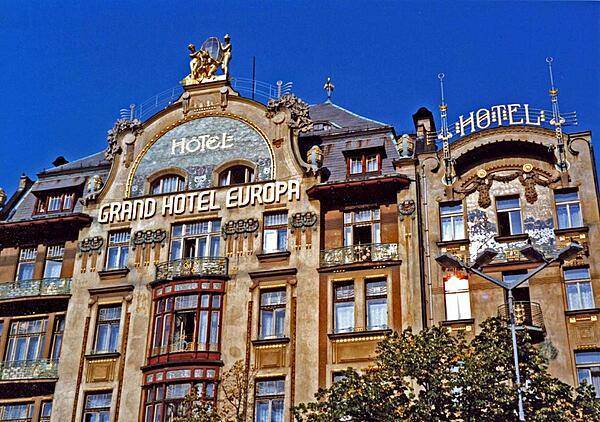
Art Nouveau architecture in Prague.
Art Nouveau architecture in Prague. • CIA World Factbook • 2020
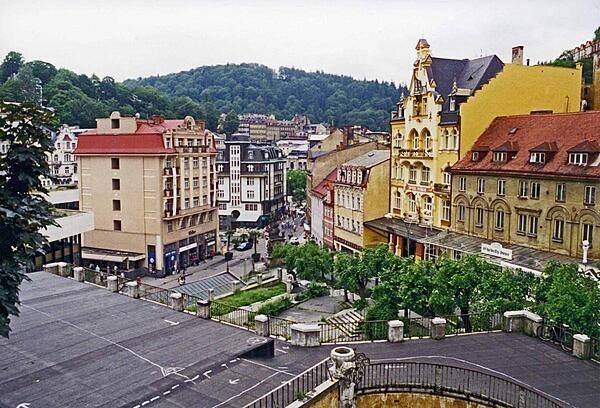
The spa town of Karlovy Vary is situated in the mountainous region of western Bohemia.
The spa town of Karlovy Vary is situated in the mountainous region of western Bohemia. • CIA World Factbook • 2020
CIA World Factbook • 2020
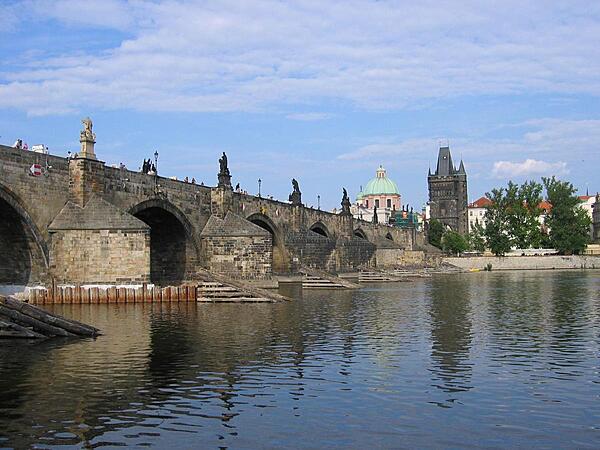
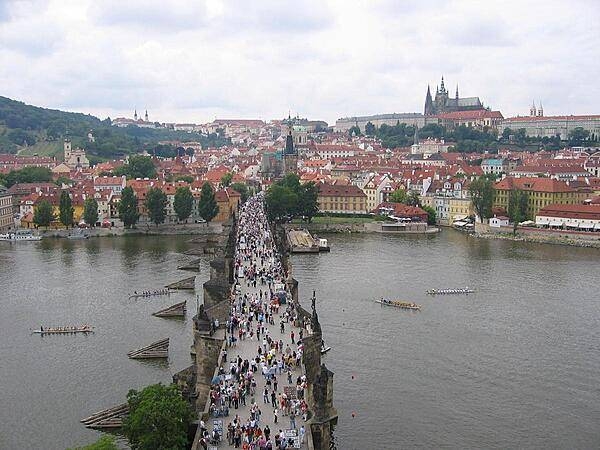
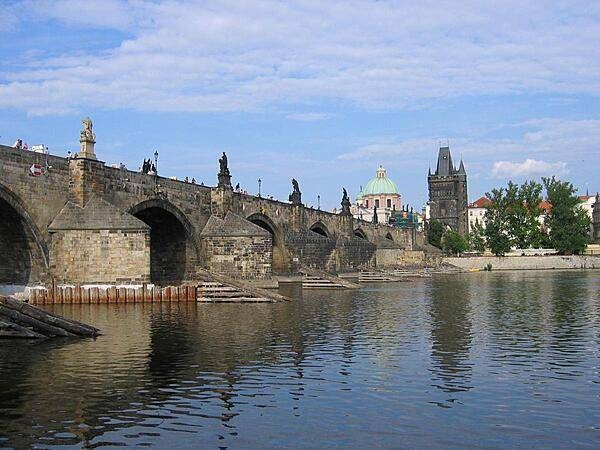
A riverside view of Charles Bridge in Prague showing the ice guards that protect the pillars.
A riverside view of Charles Bridge in Prague showing the ice guards that protect the pillars. • CIA World Factbook • 2020
CIA World Factbook • 2020
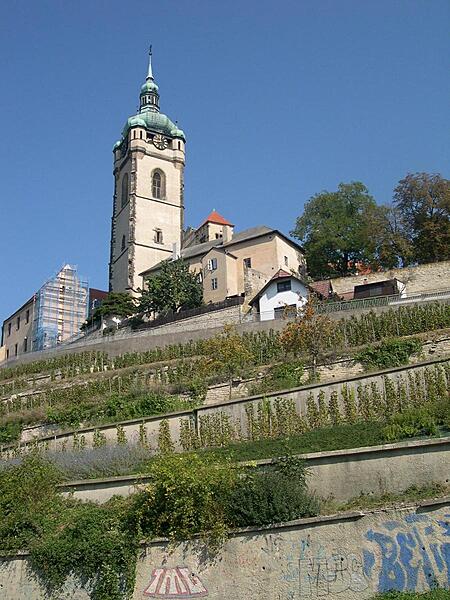
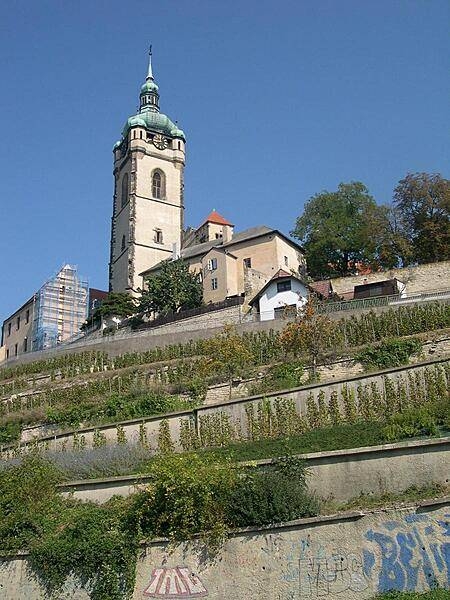
A closer look at the terraced gardens before Melnik. In the background, the Church of Sts. Peter and Paul faces Melnik castle.
A closer look at the terraced gardens before Melnik. In the background, the Church of Sts. Peter and Paul faces Melnik castle. • CIA World Factbook • 2020
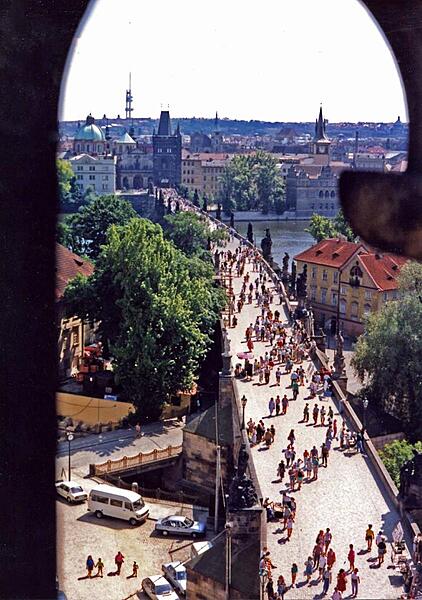
View of the Charles Bridge in Prague as seen from the Mala Strana (Lesser Quarter) Bridge Tower.
View of the Charles Bridge in Prague as seen from the Mala Strana (Lesser Quarter) Bridge Tower. • CIA World Factbook • 2020
CIA World Factbook • 2020
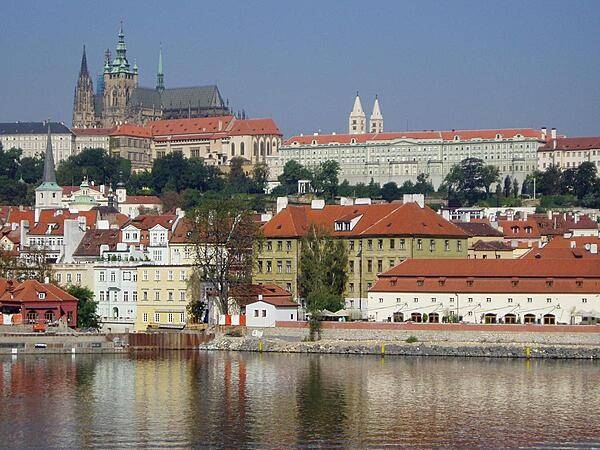
A view of Hradcany, the Castle District, and St. Vitus Cathedral from across the Vltava River in Prague.
A view of Hradcany, the Castle District, and St. Vitus Cathedral from across the Vltava River in Prague. • CIA World Factbook • 2020
CIA World Factbook • 2020
CIA World Factbook • 2020
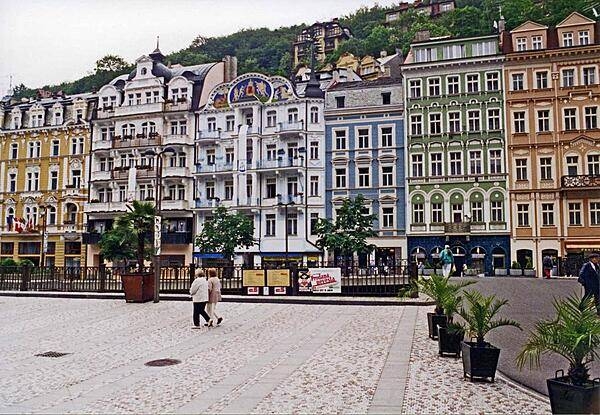
Square in the lovely spa town of Karlovy Vary, famed for its hot springs.
Square in the lovely spa town of Karlovy Vary, famed for its hot springs. • CIA World Factbook • 2020
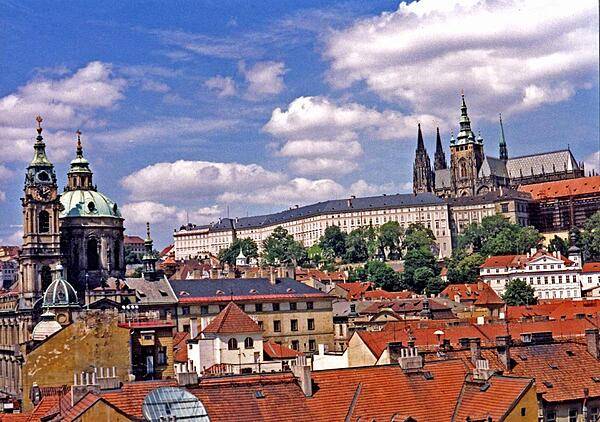
The Hradcany (Castle District) in Prague; its two most prominent features are St. Vitus Cathedral (upper right) and Prague Castle (the long white building, which is one of the largest castles in the world).
The Hradcany (Castle District) in Prague; its two most prominent features are St. Vitus Cathedral (upper right) and Prague Castle (the long white building, which is one of the largest castles in the world). • CIA World Factbook • 2020
CIA World Factbook • 2020
CIA World Factbook • 2020
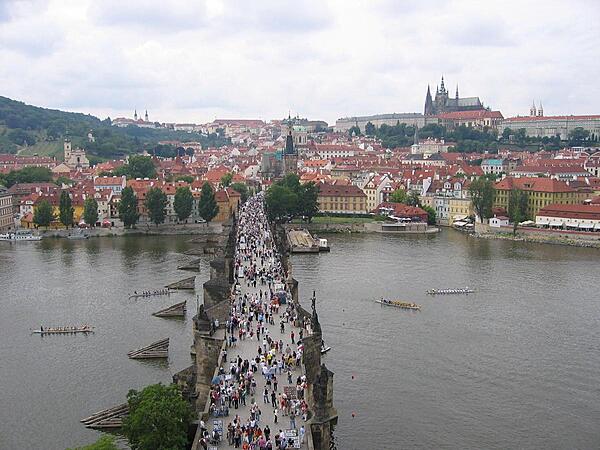
The bustling, pedestrian-friendly Charles Bridge as viewed from the tower on the Stare Mesto (Old Town) side of the structure. The bridge is 516 m long and almost 10 m wide and rests on 16 arches shielded by ice guards. Thirty statues of saints decorate the bridge avenue; most were originally erected between 1683 and 1714, but then replaced with replicas beginning in 1965. The originals are currently housed in the National Museum.
The bustling, pedestrian-friendly Charles Bridge as viewed from the tower on the Stare Mesto (Old Town) side of the structure. The bridge is 516 m long and almost 10 m wide and rests on 16 arches shielded by ice guards. Thirty statues of saints decorate the bridge avenue; most were originally erected between 1683 and 1714, but then replaced with replicas beginning in 1965. The originals are currently housed in the National Museum. • CIA World Factbook • 2020
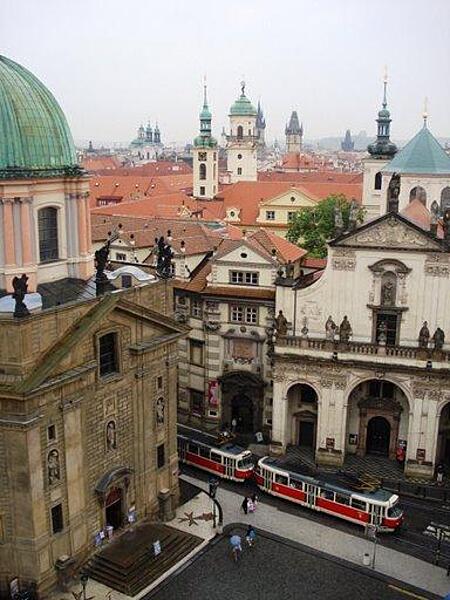
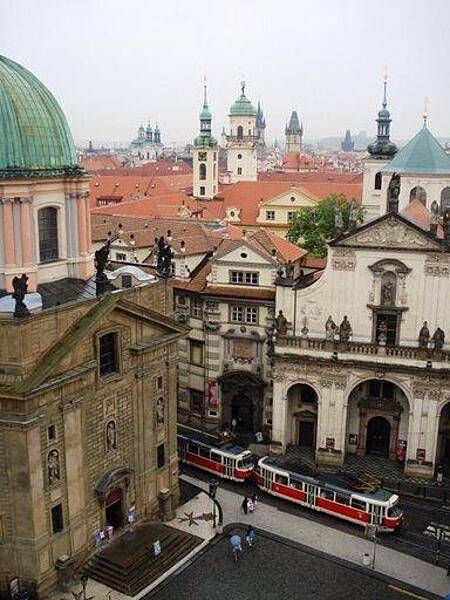
Some of the many spires that decorate old Prague.
Some of the many spires that decorate old Prague. • CIA World Factbook • 2020
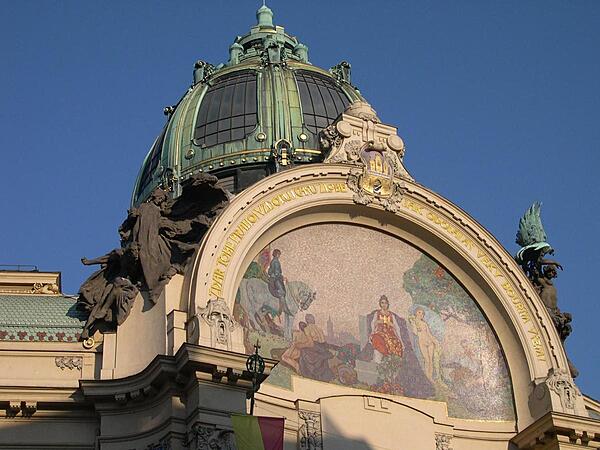
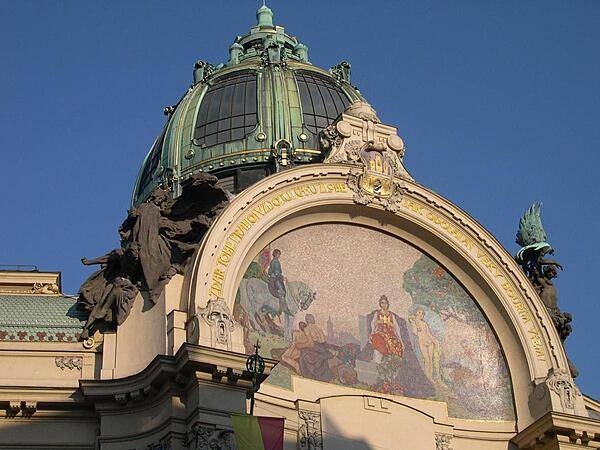
The Municipal House (Obecni Dum) is a national cultural landmark and the premier Art Noveau building in Prague. Opened in 1912 on Republic Square, it houses a concert hall and an elegant French restaurant. Shown is the large exedra under the main cupola of the building with its colorful glass mosaic depicting The Apotheosis of Prague.
The Municipal House (Obecni Dum) is a national cultural landmark and the premier Art Noveau building in Prague. Opened in 1912 on Republic Square, it houses a concert hall and an elegant French restaurant. Shown is the large exedra under the main cupola of the building with its colorful glass mosaic depicting The Apotheosis of Prague. • CIA World Factbook • 2020
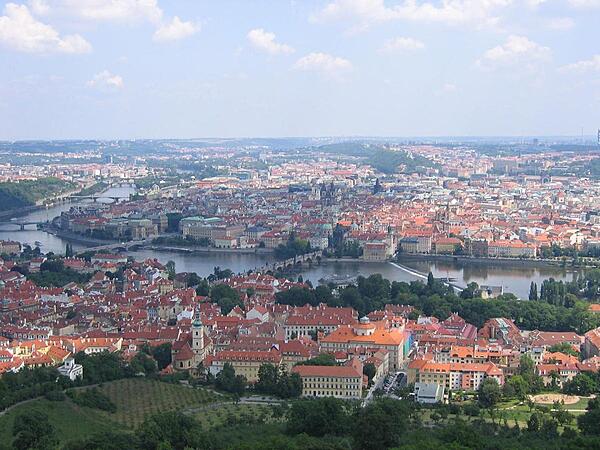
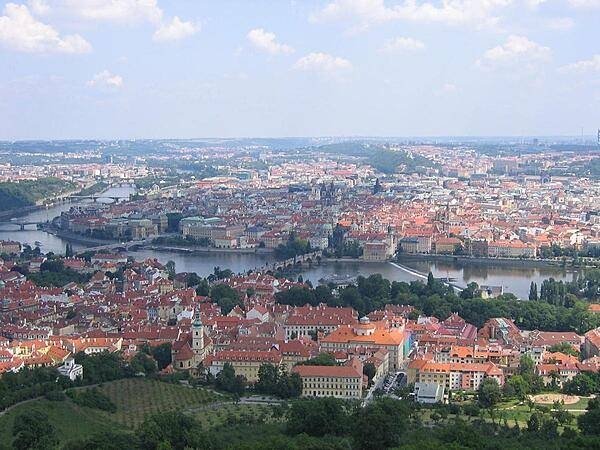
A view of Prague as seen from Castle Hill. The famous Charles Bridge over the Vltava (Moldau) River may be seen in the center of the image.
A view of Prague as seen from Castle Hill. The famous Charles Bridge over the Vltava (Moldau) River may be seen in the center of the image. • CIA World Factbook • 2020
Media source: CIA World Factbook (2020) — Public Domain