›››
Finland — Media Gallery
11 items available (flags, maps, photos)
Photos
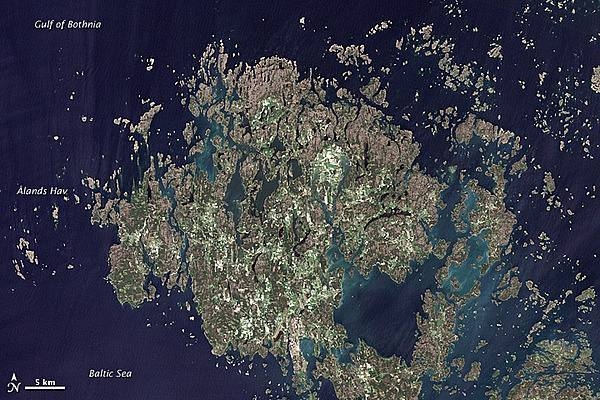
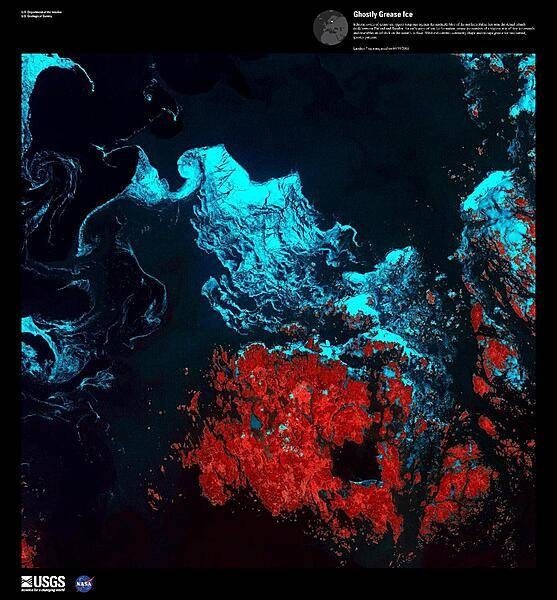
The Åland Islands (pronounced O-lahnd) lie at the southern end of the Gulf of Bothnia, between Sweden and Finland. The archipelago consists of several large islands and roughly 6,500 small isles, many of them too small for human habitation. Åland vegetation is a combination of pine and deciduous forest, meadows, and farmed fields. Image courtesy of NASA/Jesse Allen & Robert Simmon, using USGS Landsat data.
The Åland Islands (pronounced O-lahnd) lie at the southern end of the Gulf of Bothnia, between Sweden and Finland. The archipelago consists of several large islands and roughly 6,500 small isles, many of them too small for human habitation.
Åland vegetation is a combination of pine and deciduous forest, meadows, and farmed fields.
Image courtesy of NASA/Jesse Allen & Robert Simmon, using USGS Landsat data. • CIA World Factbook • 2020
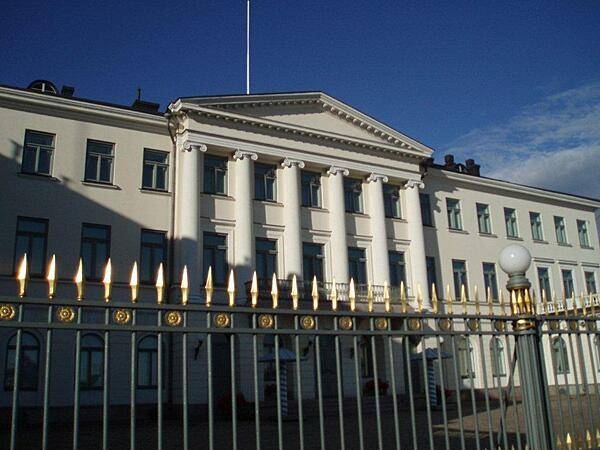
The Presidential Palace on Market Square in Helsinki. Originally built as the grand home of a local merchant in 1822, the structure was rebuilt in the 1840s to make it the official residence of the Russian czar. It served as the residence of most of the presidents of Finland during the 20th century. Today it is one of three official residences of the Finnish president.
The Presidential Palace on Market Square in Helsinki. Originally built as the grand home of a local merchant in 1822, the structure was rebuilt in the 1840s to make it the official residence of the Russian czar. It served as the residence of most of the presidents of Finland during the 20th century. Today it is one of three official residences of the Finnish president. • CIA World Factbook • 2020
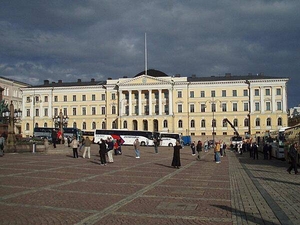
Formerly the Senate Building, the Palace of the Council of State on Senate Square in Helsinki now houses the offices of the prime minister as well as the cabinet.
Formerly the Senate Building, the Palace of the Council of State on Senate Square in Helsinki now houses the offices of the prime minister as well as the cabinet. • CIA World Factbook • 2020
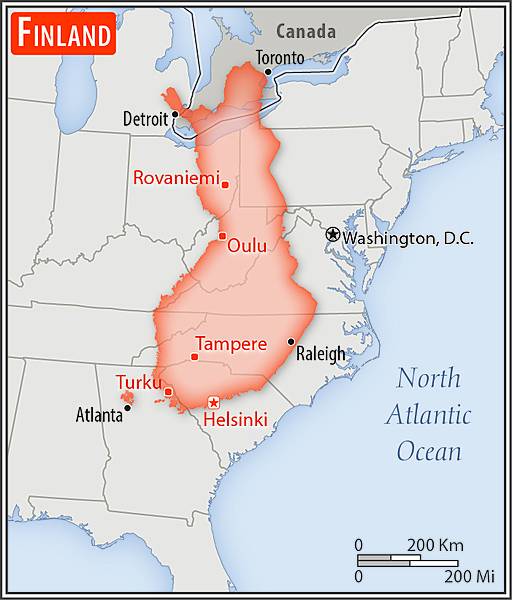
Area comparison map
Area comparison map • CIA World Factbook • 2020
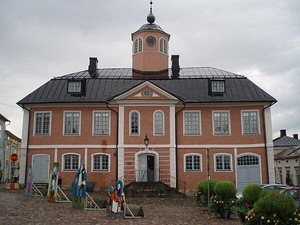
Erected in 1764, the former city hall in the town of Porvoo is now a museum.
Erected in 1764, the former city hall in the town of Porvoo is now a museum. • CIA World Factbook • 2020
CIA World Factbook • 2020
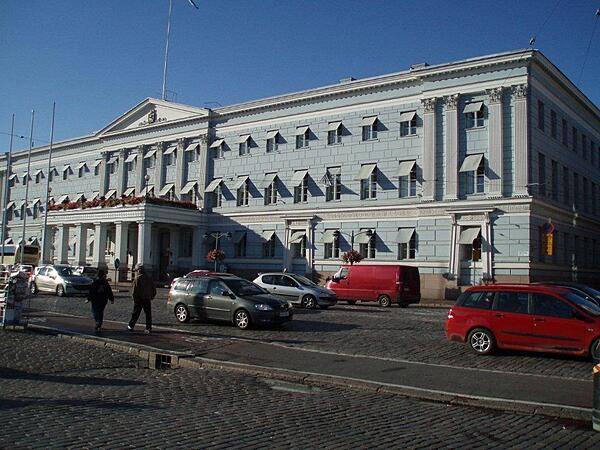
Erected in 1833, the City Hall on Market Square in Helsinki was formerly a hotel.
Erected in 1833, the City Hall on Market Square in Helsinki was formerly a hotel. • CIA World Factbook • 2020
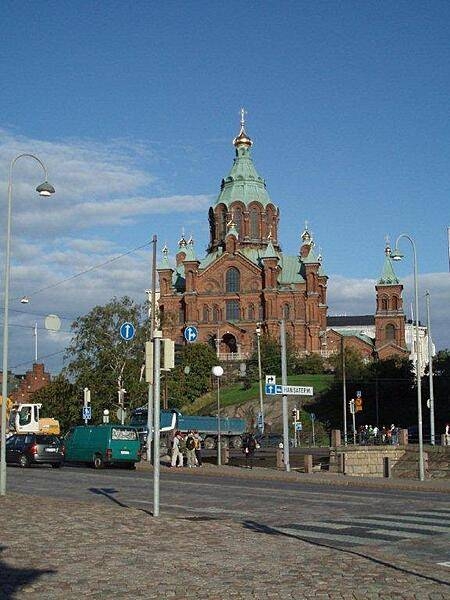
Completed in 1868, the Uspenski Russian Orthodox Cathedral in Helsinki is the largest Russian Orthodox church in Western or Central Europe.
Completed in 1868, the Uspenski Russian Orthodox Cathedral in Helsinki is the largest Russian Orthodox church in Western or Central Europe. • CIA World Factbook • 2020
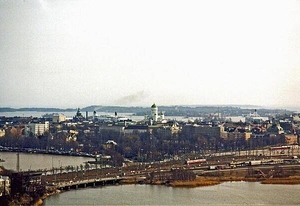
Aerial view of Helsinki. The prominent building with the dome in the center is Helsinki Cathedral.
Aerial view of Helsinki. The prominent building with the dome in the center is Helsinki Cathedral. • CIA World Factbook • 2020
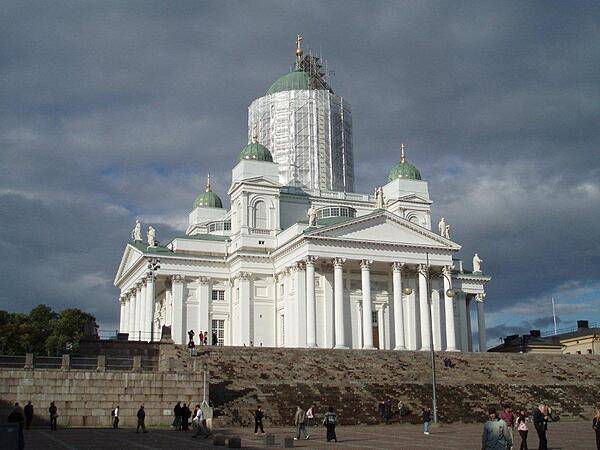
Completed in 1852, Helsinki Cathedral, formerly St. Nicholas Cathedral, overlooks Senate Square in the Finnish capital.
Completed in 1852, Helsinki Cathedral, formerly St. Nicholas Cathedral, overlooks Senate Square in the Finnish capital. • CIA World Factbook • 2020
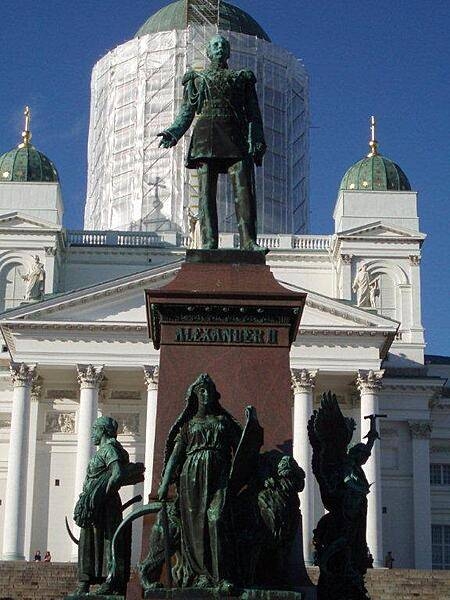
The statue of Alexander II stands in front of Helsinki Cathedral in Senate Square. The Russian czar introduced a number of reforms during the 19th century - when Finland was still a province of Russia - and is generally well regarded.
The statue of Alexander II stands in front of Helsinki Cathedral in Senate Square. The Russian czar introduced a number of reforms during the 19th century - when Finland was still a province of Russia - and is generally well regarded. • CIA World Factbook • 2020
Media source: CIA World Factbook (2020) — Public Domain