›››
Ireland — Media Gallery
49 items available (flags, maps, photos)
Photos
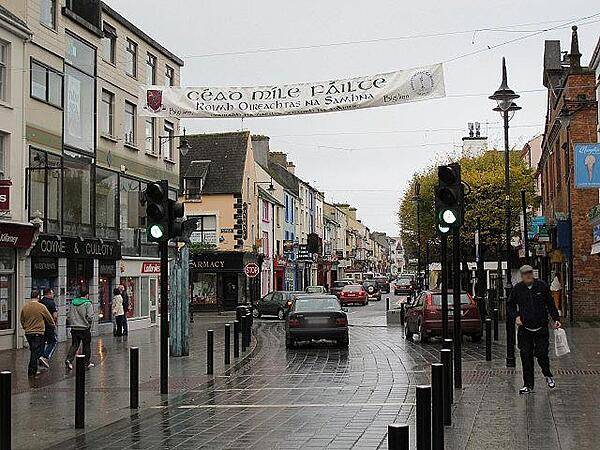
Street view of Killarney, County Kerry. Killarney is one of the principal towns in the country and a center of tourism for the region. The sign over the street reads "A Hundred Thousand Welcomes" (Cead Mille Failte).
Street view of Killarney, County Kerry. Killarney is one of the principal towns in the country and a center of tourism for the region. The sign over the street reads "A Hundred Thousand Welcomes" (Cead Mille Failte). • CIA World Factbook • 2020
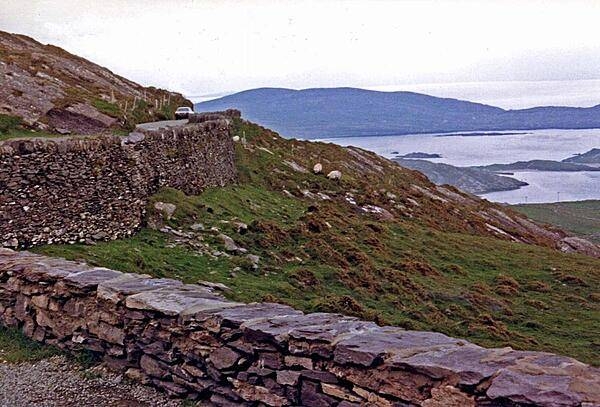
View along the "Ring of Kerry" drive, Iveragh Peninsula, County Kerry. The Ring is a 179 km (111 mi) tourist trail in southwestern Ireland that starts and ends in Killarney. Because the narrow roads make it difficult for tour busses to pass, all tour coaches travel in a counter clockwise direction. There is also a shorter bike/foot path.
View along the "Ring of Kerry" drive, Iveragh Peninsula, County Kerry. The Ring is a 179 km (111 mi) tourist trail in southwestern Ireland that starts and ends in Killarney. Because the narrow roads make it difficult for tour busses to pass, all tour coaches travel in a counter clockwise direction. There is also a shorter bike/foot path. • CIA World Factbook • 2020
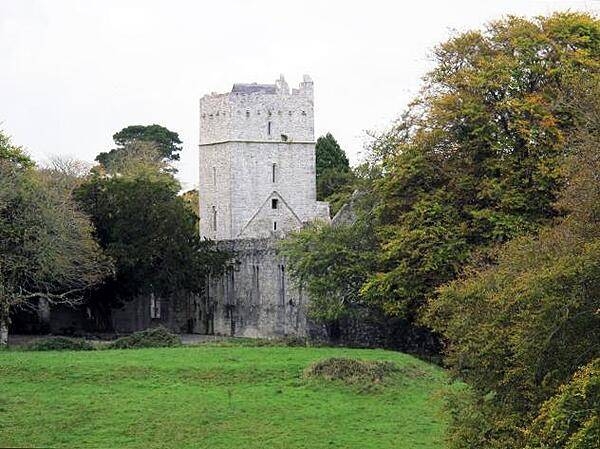
Muckross Abbey was built in 1448 as a Franciscan Friary; its monks were driven out by Oliver Cromwell's army in 1652. The Abbey is close to Muckross House near Killarney in County Kerry.
Muckross Abbey was built in 1448 as a Franciscan Friary; its monks were driven out by Oliver Cromwell's army in 1652. The Abbey is close to Muckross House near Killarney in County Kerry. • CIA World Factbook • 2020
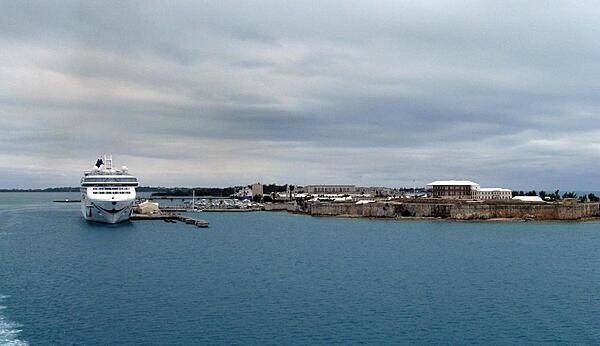
Cruise ship at King's Wharf on North Ireland Island near the Royal Navy Dockyard.
Cruise ship at King's Wharf on North Ireland Island near the Royal Navy Dockyard. • CIA World Factbook • 2020
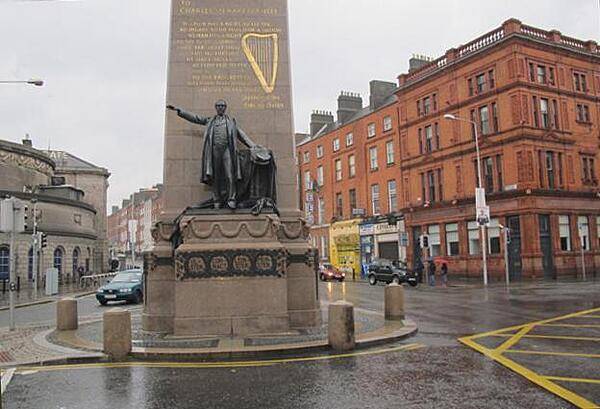
A statue of Charles Stewart Parnell in upper O'Connell Street near Parnell Square. Parnell was a 19th-century member of Parliament and a champion of home rule for Ireland (he is often referred to as "the uncrowned King of Ireland").
A statue of Charles Stewart Parnell in upper O'Connell Street near Parnell Square. Parnell was a 19th-century member of Parliament and a champion of home rule for Ireland (he is often referred to as "the uncrowned King of Ireland"). • CIA World Factbook • 2020
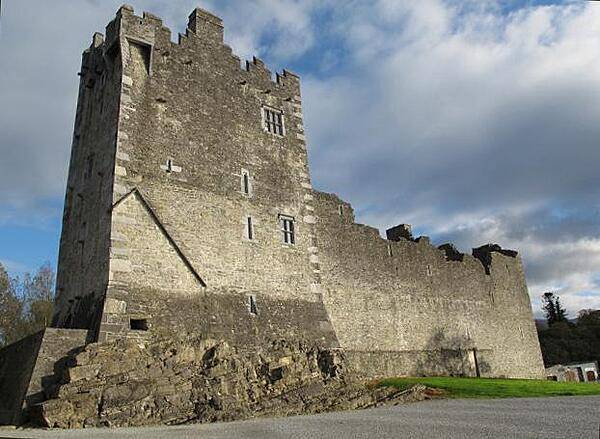
Ross Castle, near Killarney, County Kerry, is a fully restored 14th-century stronghold; it was last place in the province of Munster to fall to Oliver Cromwell's forces in 1652.
Ross Castle, near Killarney, County Kerry, is a fully restored 14th-century stronghold; it was last place in the province of Munster to fall to Oliver Cromwell's forces in 1652. • CIA World Factbook • 2020
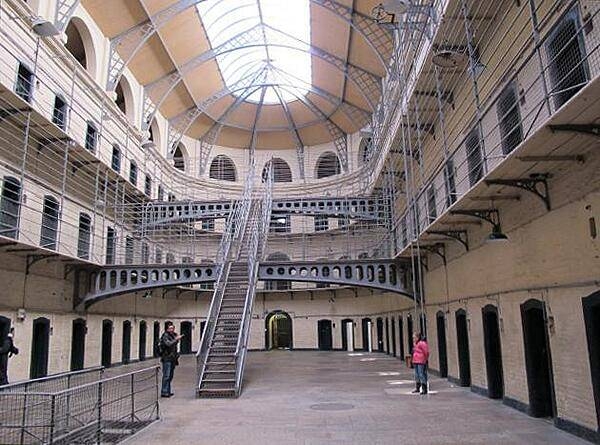
Interior of a section of the Victorian Wing or East Wing of the Kilmainham Gaol in Dublin "modernized" in the mid-19th century to allow more light and space for the inmates.
Interior of a section of the Victorian Wing or East Wing of the Kilmainham Gaol in Dublin "modernized" in the mid-19th century to allow more light and space for the inmates. • CIA World Factbook • 2020
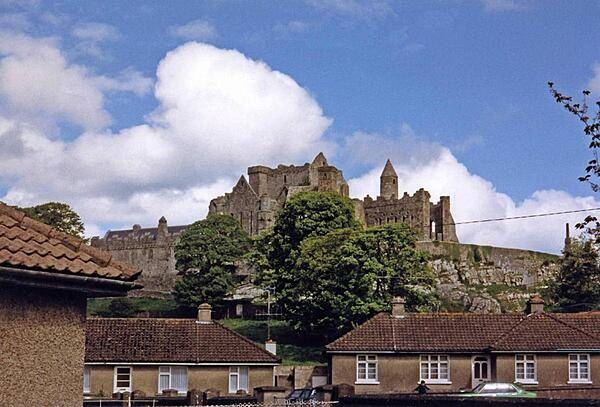
The Rock of Cashel (also known as Cashel of the Kings and Saint Patrick's Rock) is in County Tipperary. Tradition has it that Saint Patrick converted the King of Munster to Christianity there.
The Rock of Cashel (also known as Cashel of the Kings and Saint Patrick's Rock) is in County Tipperary. Tradition has it that Saint Patrick converted the King of Munster to Christianity there. • CIA World Factbook • 2020
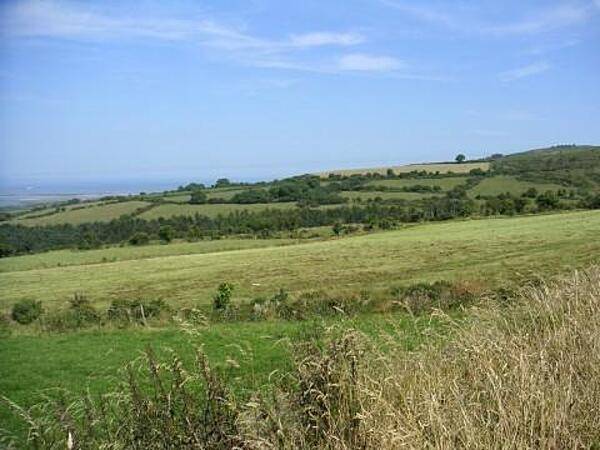
Some of the famed "forty shades of green" displayed in a pastoral Irish setting.
Some of the famed "forty shades of green" displayed in a pastoral Irish setting. • CIA World Factbook • 2020
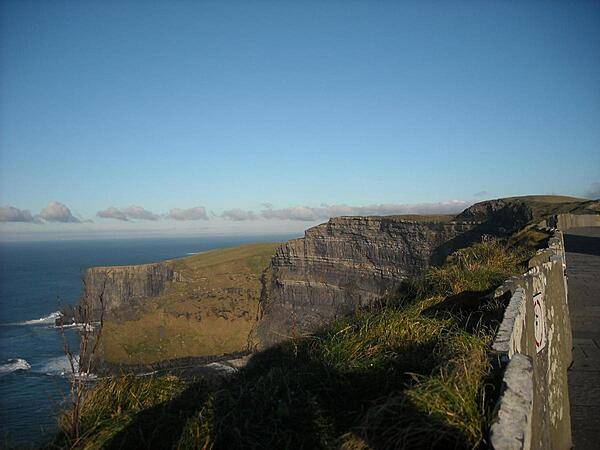
The Cliffs of Moher in County Clare range from 120 m (394 ft) at Hag's Head to their maximum height of 214 m (702 ft) above the Atlantic Ocean just north of O'Brien's Tower. Comprised of mainly shale and sandstone, the cliffs are home to large colonies of Atlantic Puffins.
The Cliffs of Moher in County Clare range from 120 m (394 ft) at Hag's Head to their maximum height of 214 m (702 ft) above the Atlantic Ocean just north of O'Brien's Tower. Comprised of mainly shale and sandstone, the cliffs are home to large colonies of Atlantic Puffins. • CIA World Factbook • 2020
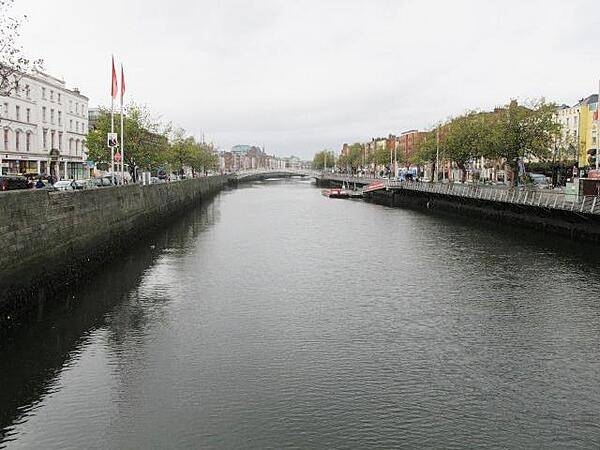
The River Liffey in Dublin divides the city into the "Northside" and the "Southside." It flows 125 km (78 mi) from the Wicklow Mountains to the Irish Sea.
The River Liffey in Dublin divides the city into the "Northside" and the "Southside." It flows 125 km (78 mi) from the Wicklow Mountains to the Irish Sea. • CIA World Factbook • 2020
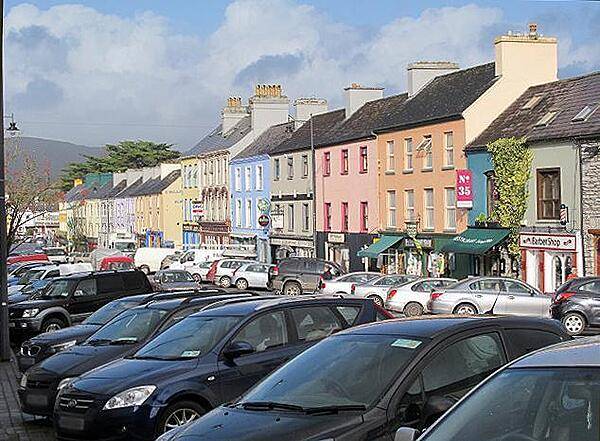
Street view of Kenmare, County Kerry. Kenmare is the southern gateway to the "Ring of Kerry" scenic drive.
Street view of Kenmare, County Kerry. Kenmare is the southern gateway to the "Ring of Kerry" scenic drive. • CIA World Factbook • 2020
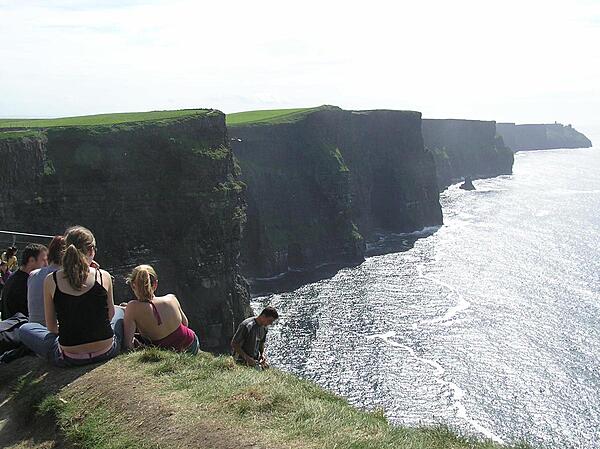
The Cliffs of Moher are one of the most popular tourist destinations in Ireland. This view looks south towards Hag's Head, where the cliffs rise to 120 m (394 ft).
The Cliffs of Moher are one of the most popular tourist destinations in Ireland. This view looks south towards Hag's Head, where the cliffs rise to 120 m (394 ft). • CIA World Factbook • 2020
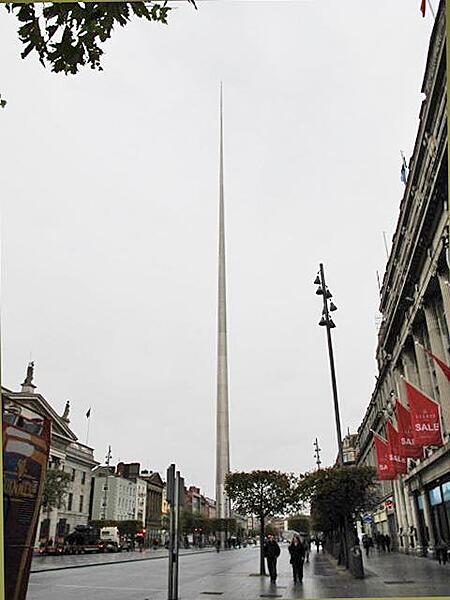
The Spire on O'Connell Street in Dublin near the General Post Office was erected in 2003. The 120 m- (394 ft-) high structure is also known as "The Tower of Light." It replaced a pillar with a statue of England's Lord Nelson that was destroyed in 1966 and that was seen as a relic of English colonialism. The Spire consists of eight hollow stainless steel cone sections and contains a tuned mass damper to ensure aerodynamic stability during a wind storm.
The Spire on O'Connell Street in Dublin near the General Post Office was erected in 2003. The 120 m- (394 ft-) high structure is also known as "The Tower of Light." It replaced a pillar with a statue of England's Lord Nelson that was destroyed in 1966 and that was seen as a relic of English colonialism. The Spire consists of eight hollow stainless steel cone sections and contains a tuned mass damper to ensure aerodynamic stability during a wind storm. • CIA World Factbook • 2020
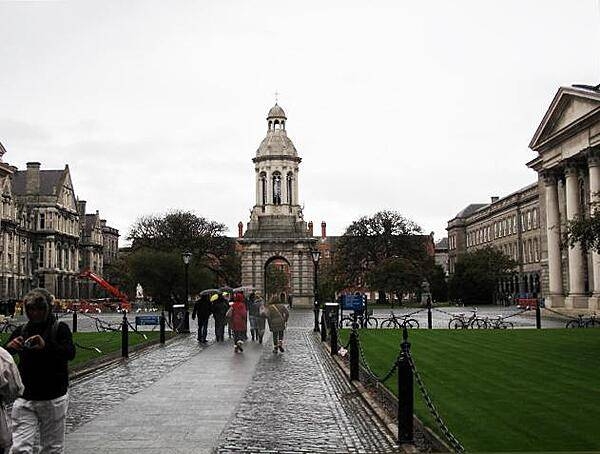
The quadrangle in Trinity College in Dublin. The college was founded in 1592 by Queen Elizabeth I.
The quadrangle in Trinity College in Dublin. The college was founded in 1592 by Queen Elizabeth I. • CIA World Factbook • 2020
CIA World Factbook • 2020
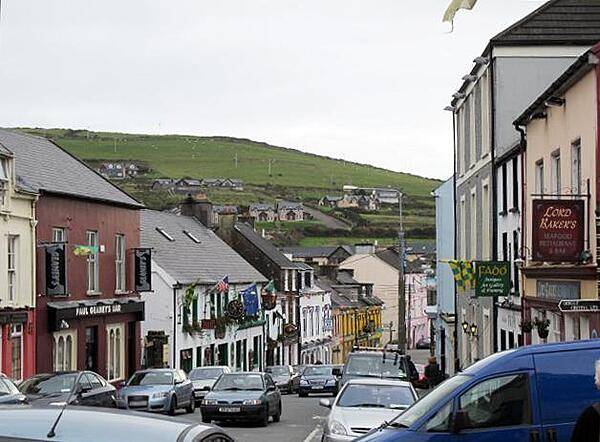
Another view of bustling Dingle, County Kerry.
Another view of bustling Dingle, County Kerry. • CIA World Factbook • 2020
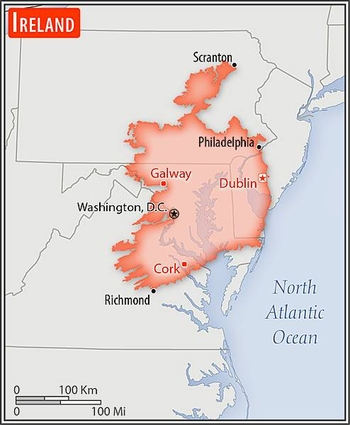
Area comparison map
Area comparison map • CIA World Factbook • 2020
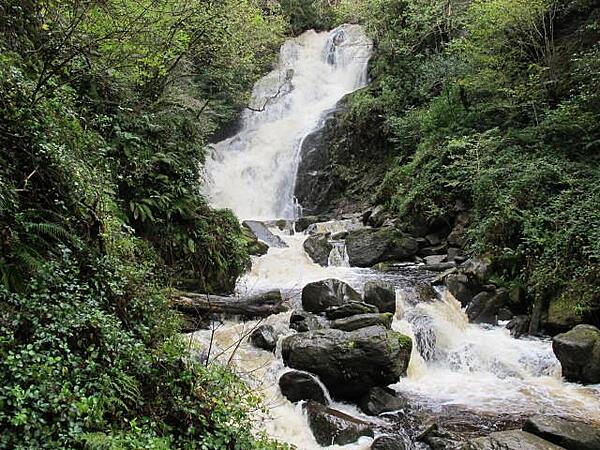
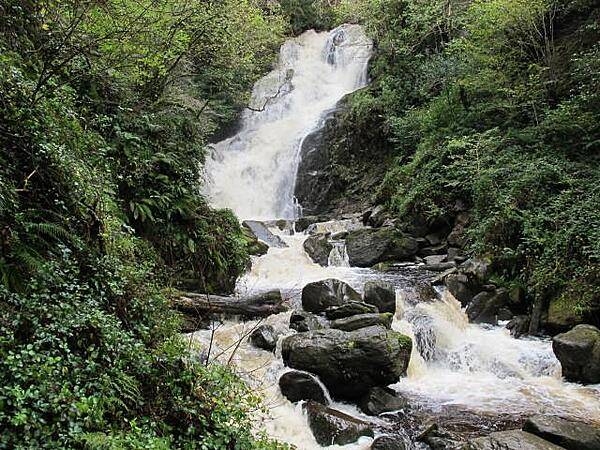
Torc Waterfall in County Kerry.
Torc Waterfall in County Kerry. • CIA World Factbook • 2020
CIA World Factbook • 2020
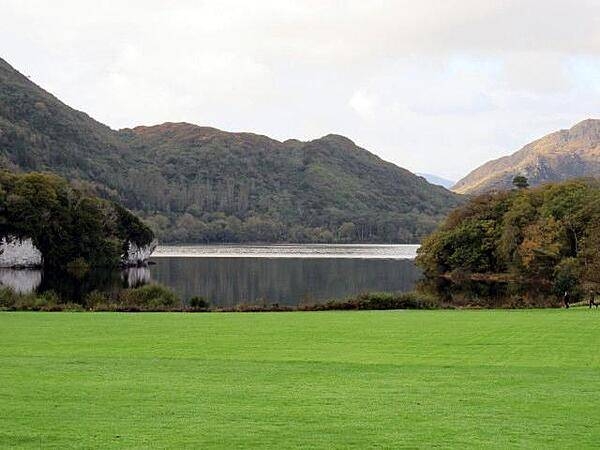
Lough Leane in Killarney, County Kerry.
Lough Leane in Killarney, County Kerry. • CIA World Factbook • 2020
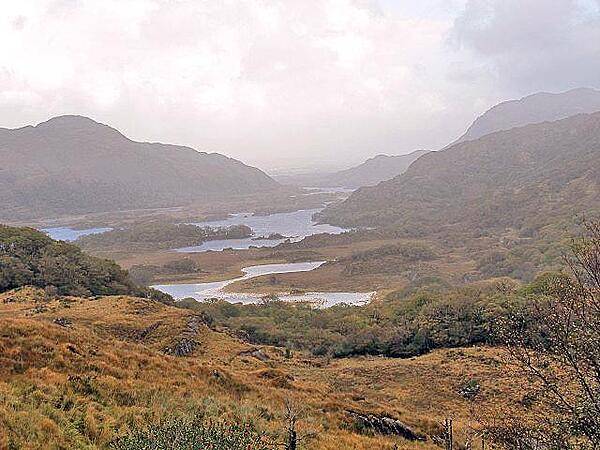
The lakes of Killarney, Country Kerry. The lakes consist of the Upper Lake, the Middle Lake (Muckross Lake), and the Lower Lake (Lough Leane).
The lakes of Killarney, Country Kerry. The lakes consist of the Upper Lake, the Middle Lake (Muckross Lake), and the Lower Lake (Lough Leane). • CIA World Factbook • 2020
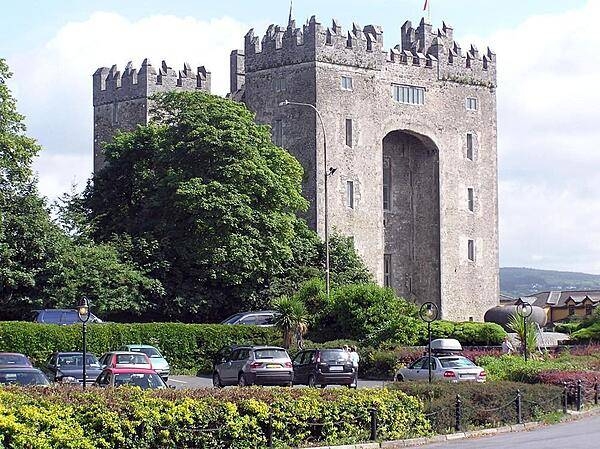
Bunratty Castle in County Clare. The area was first settled as a Viking village in the 10th century; several castles and fortifications were subsequently built there. The present structure was completed by the MacNamara family around 1425.
Bunratty Castle in County Clare. The area was first settled as a Viking village in the 10th century; several castles and fortifications were subsequently built there. The present structure was completed by the MacNamara family around 1425. • CIA World Factbook • 2020
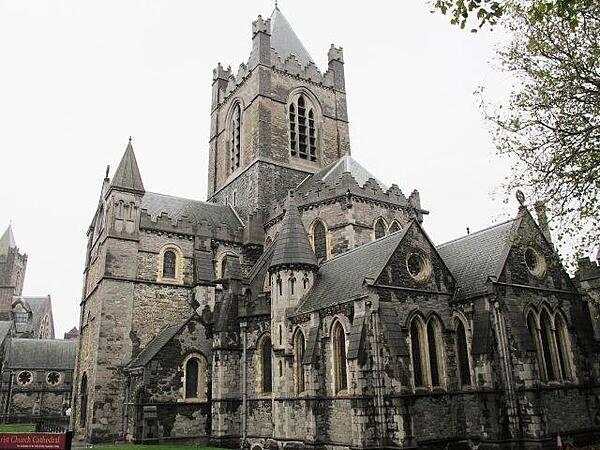
Christ Church was built on the site of a Viking church that dated back to A.D. 1038. Construction of the current church was begun in 1172 by Strongbow, a Norman baron and conqueror of Dublin for the English crown. It is presently the seat of the Protestant Church of Ireland.
Christ Church was built on the site of a Viking church that dated back to A.D. 1038. Construction of the current church was begun in 1172 by Strongbow, a Norman baron and conqueror of Dublin for the English crown. It is presently the seat of the Protestant Church of Ireland. • CIA World Factbook • 2020
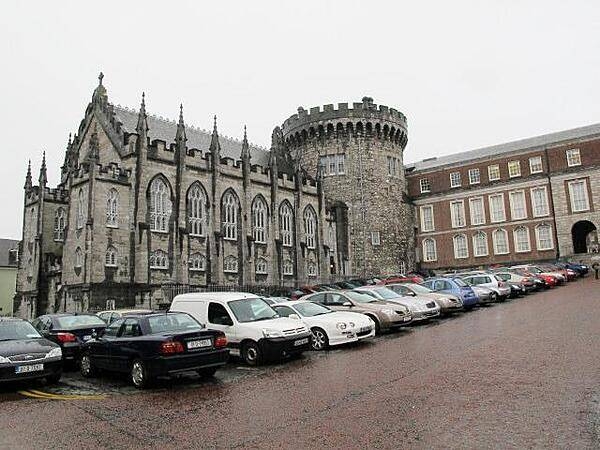
Dublin Castle was the seat of British rule in Ireland for seven centuries until 1922; it is now used mainly for Irish and EU governmental purposes. The Record Tower dates to A.D. 1208.
Dublin Castle was the seat of British rule in Ireland for seven centuries until 1922; it is now used mainly for Irish and EU governmental purposes. The Record Tower dates to A.D. 1208. • CIA World Factbook • 2020
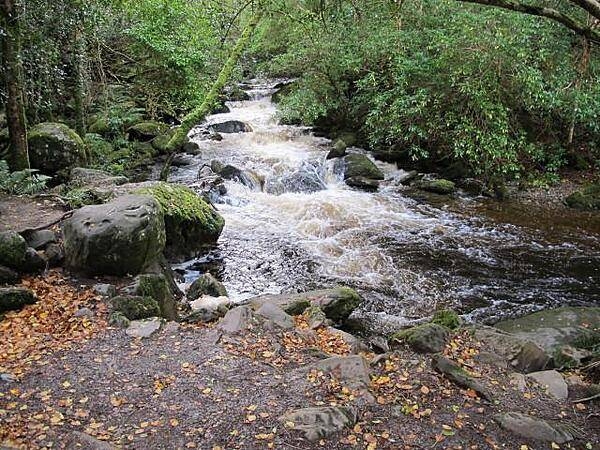
CIA World Factbook • 2020
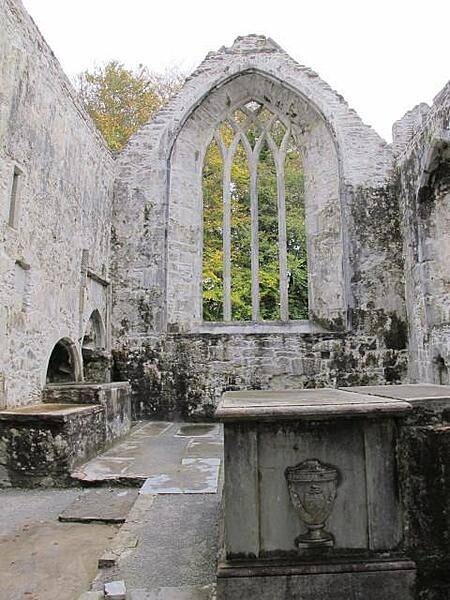
CIA World Factbook • 2020
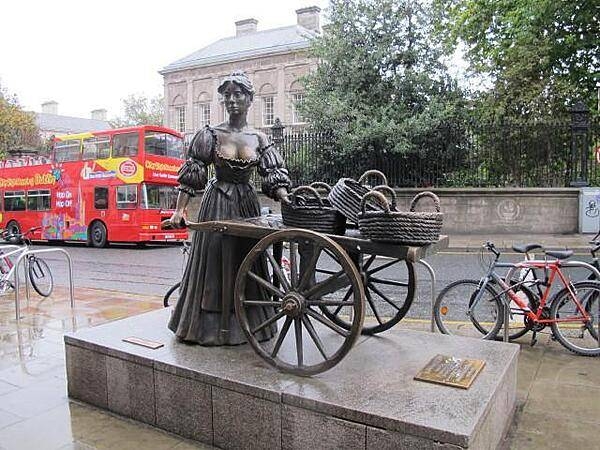
CIA World Factbook • 2020
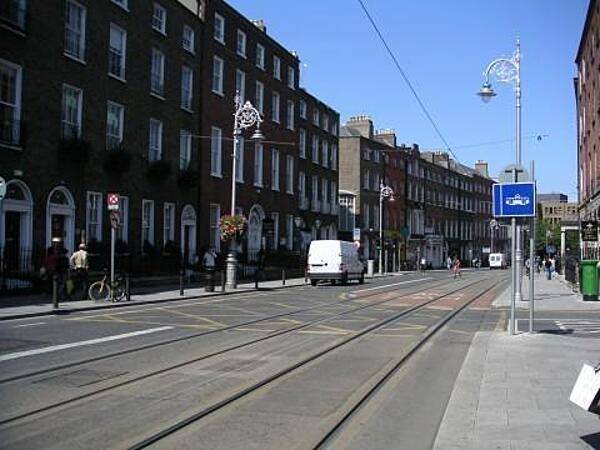
Street scene in Dublin.
Street scene in Dublin. • CIA World Factbook • 2020
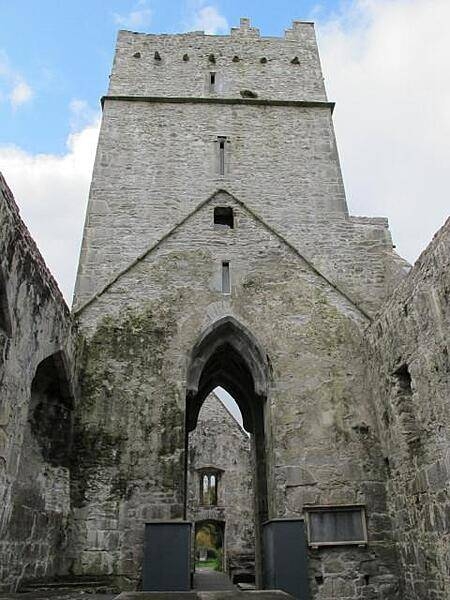
CIA World Factbook • 2020
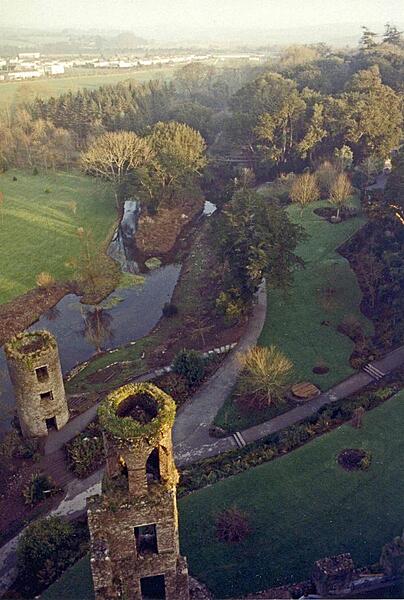
View of the towers and river from Blarney Castle, near Cork.
View of the towers and river from Blarney Castle, near Cork. • CIA World Factbook • 2020
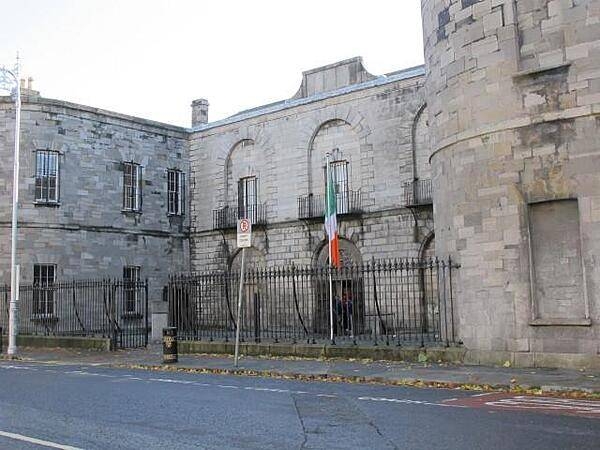
CIA World Factbook • 2020
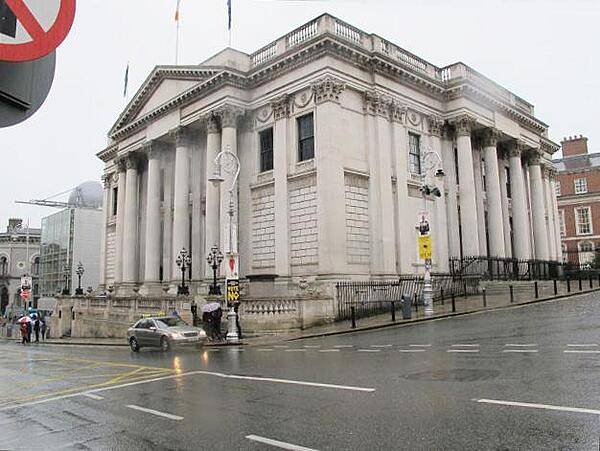
City Hall in Dublin was constructed between 1769 to 1779; it was used as the Royal Exchange during the time of British rule and currently is the seat of the Dublin Corporation, the elected body that governs the city.
City Hall in Dublin was constructed between 1769 to 1779; it was used as the Royal Exchange during the time of British rule and currently is the seat of the Dublin Corporation, the elected body that governs the city. • CIA World Factbook • 2020
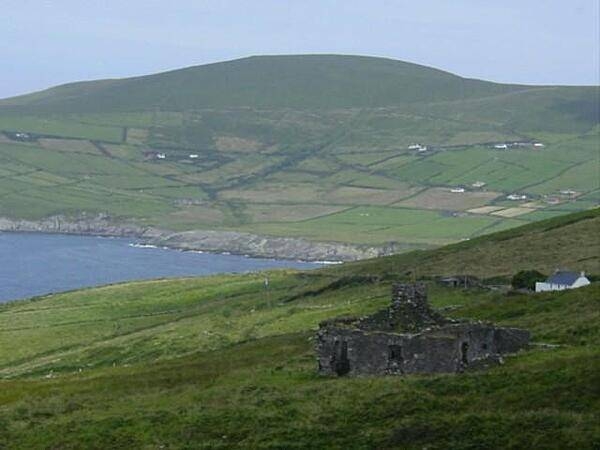
The ruins of an old farm house front a vista of patchwork Irish countryside.
The ruins of an old farm house front a vista of patchwork Irish countryside. • CIA World Factbook • 2020
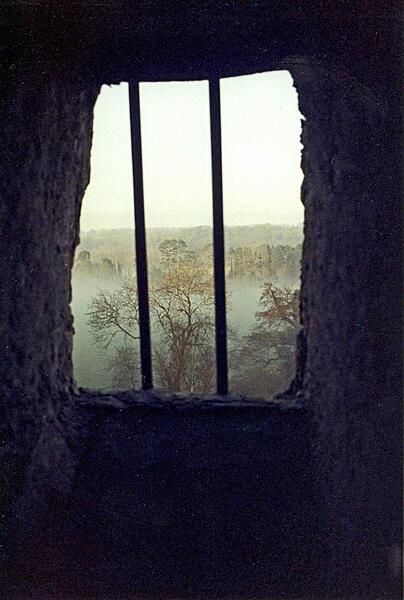
View of the park in the mist outside of Blarney Castle, near Cork.
View of the park in the mist outside of Blarney Castle, near Cork. • CIA World Factbook • 2020
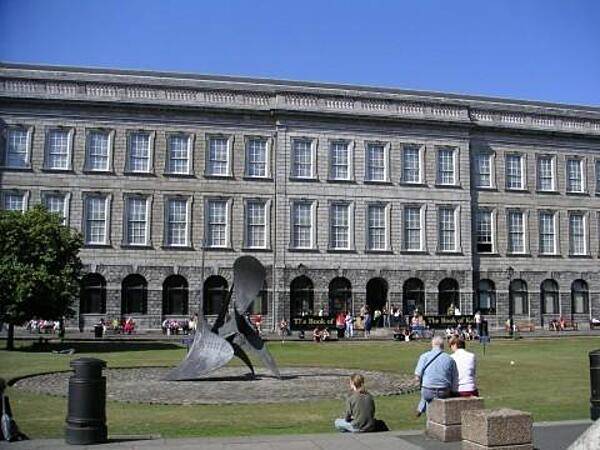
Trinity College in Dublin.
Trinity College in Dublin. • CIA World Factbook • 2020
CIA World Factbook • 2020
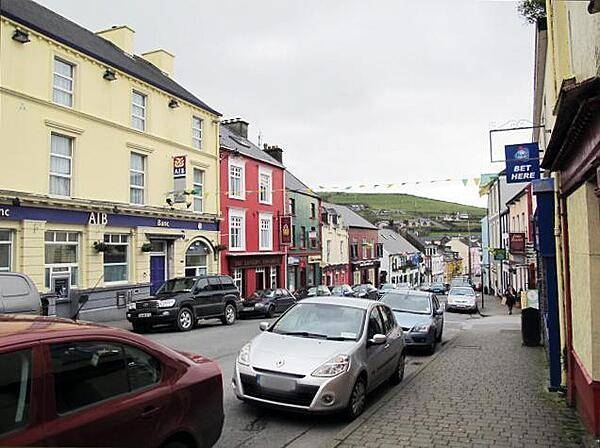
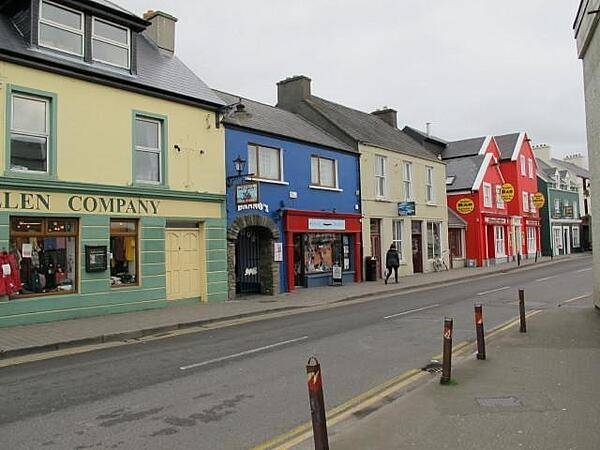
Street view in Dingle, County Kerry.
Street view in Dingle, County Kerry. • CIA World Factbook • 2020
CIA World Factbook • 2020
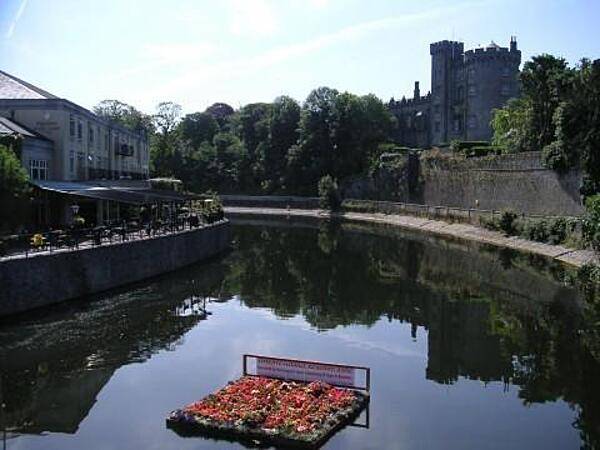
Kilkenny Castle as seen from the nearby River Nore.
Kilkenny Castle as seen from the nearby River Nore. • CIA World Factbook • 2020
CIA World Factbook • 2020
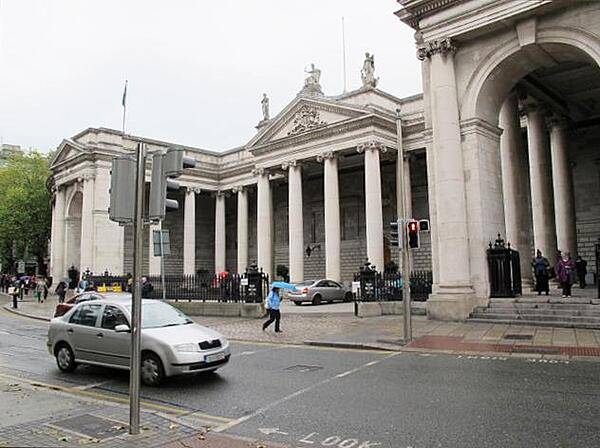
Constructed in 1729, the Bank of Ireland in Dublin building was the original home of the Irish Parliament. Following the 1801 Act of Union that abolished the Irish Parliament and placed Ireland under the direct rule of London, the building was sold to the Bank of Ireland in 1803.
Constructed in 1729, the Bank of Ireland in Dublin building was the original home of the Irish Parliament. Following the 1801 Act of Union that abolished the Irish Parliament and placed Ireland under the direct rule of London, the building was sold to the Bank of Ireland in 1803. • CIA World Factbook • 2020
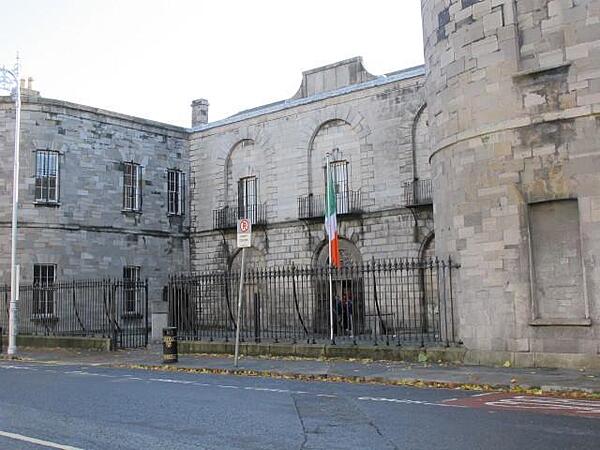
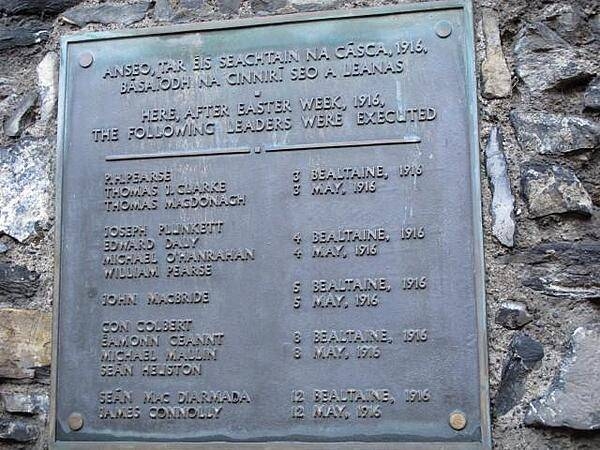
The entrance to the massive Kilmainham Gaol (Jail) in Dublin. Built in 1796, it was the site of numerous hangings and deportations in the early 19th century. Many famous Irish revolutionaries were imprisoned there. Leaders of the Easter Uprising from 24 to 30 April 1916 were held there before their execution a short time later.
The entrance to the massive Kilmainham Gaol (Jail) in Dublin. Built in 1796, it was the site of numerous hangings and deportations in the early 19th century. Many famous Irish revolutionaries were imprisoned there. Leaders of the Easter Uprising from 24 to 30 April 1916 were held there before their execution a short time later. • CIA World Factbook • 2020
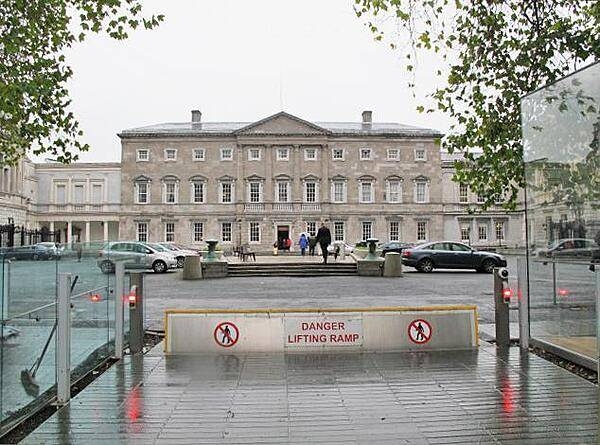
Leinster House in Dublin was built by the Duke of Leinster in 1745. The building now houses the Irish bicameral Parliament - the Seanad Eireann (Senate) and the Dail Eireann (House of Representatives).
Leinster House in Dublin was built by the Duke of Leinster in 1745. The building now houses the Irish bicameral Parliament - the Seanad Eireann (Senate) and the Dail Eireann (House of Representatives). • CIA World Factbook • 2020
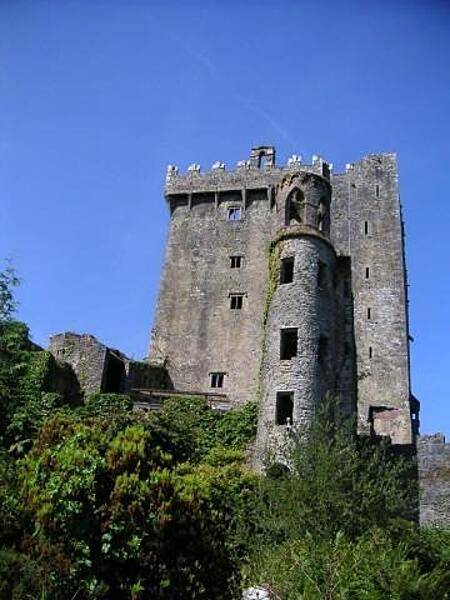
Blarney Castle, near Cork, was built in the 15th century and houses the famed Stone of Eloquence (the Blarney Stone). It has a huge square tower with a massive parapet, and a lookout tower. The castle was the stronghold of the McCarthys.
Blarney Castle, near Cork, was built in the 15th century and houses the famed Stone of Eloquence (the Blarney Stone). It has a huge square tower with a massive parapet, and a lookout tower. The castle was the stronghold of the McCarthys. • CIA World Factbook • 2020
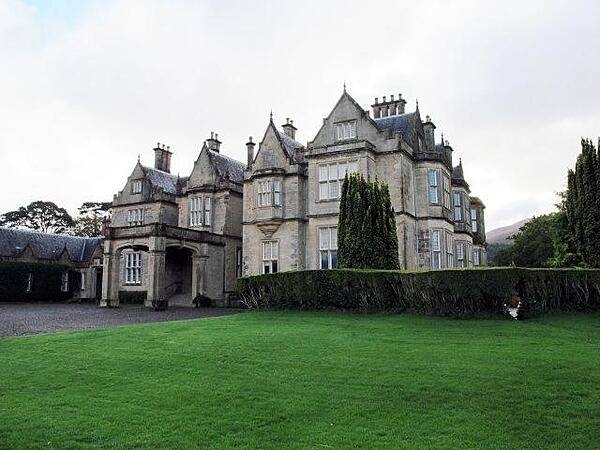
Built in 1843, Muckross House is an Elizabethan-style manor house 6 km (4 mi) from the town of Killarney in County Kerry. The grounds of the estate became the basis for Killarney National Park in 1932.
Built in 1843, Muckross House is an Elizabethan-style manor house 6 km (4 mi) from the town of Killarney in County Kerry. The grounds of the estate became the basis for Killarney National Park in 1932. • CIA World Factbook • 2020
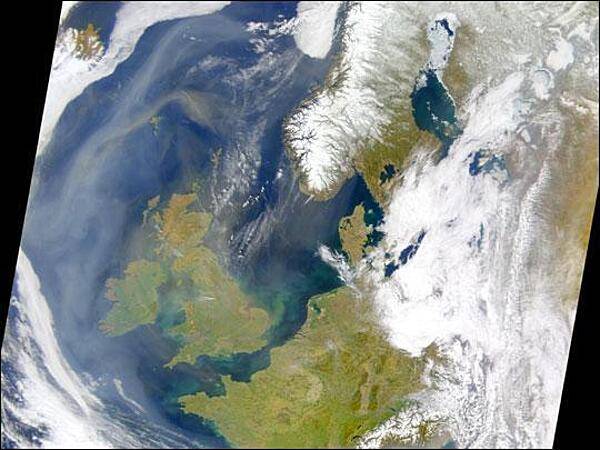
Dust from North Africa mingled with other aerosols in the skies over the United Kingdom (left of center) and Ireland (farther west) on 18 April 2003. In this scene, the dust is more prominent to the north over the Atlantic, where it can be seen as a tan swirl west of Norway. West of Ireland, the haze is grayer, and is more likely pollution. In the United Kingdom, a few bright plumes of white could be associated with fires. Photo courtesy of NASA.
Dust from North Africa mingled with other aerosols in the skies over the United Kingdom (left of center) and Ireland (farther west) on 18 April 2003. In this scene, the dust is more prominent to the north over the Atlantic, where it can be seen as a tan swirl west of Norway. West of Ireland, the haze is grayer, and is more likely pollution. In the United Kingdom, a few bright plumes of white could be associated with fires. Photo courtesy of NASA. • CIA World Factbook • 2020
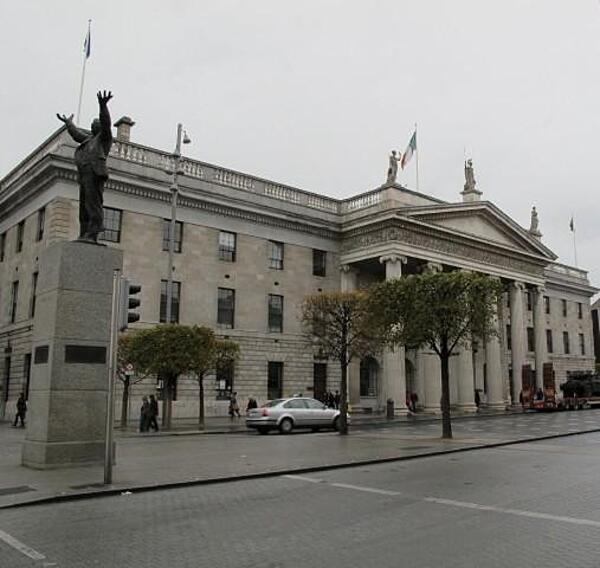
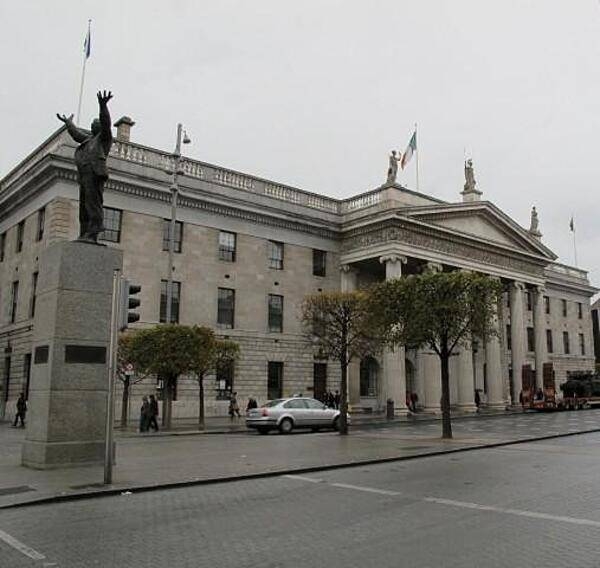
The General Post Office in Dublin, constructed between 1814 and 1818 by the British as a center of communications, was the scene of the Irish Easter Uprising against British occupation from 24 to 30 April 1916.
The General Post Office in Dublin, constructed between 1814 and 1818 by the British as a center of communications, was the scene of the Irish Easter Uprising against British occupation from 24 to 30 April 1916. • CIA World Factbook • 2020
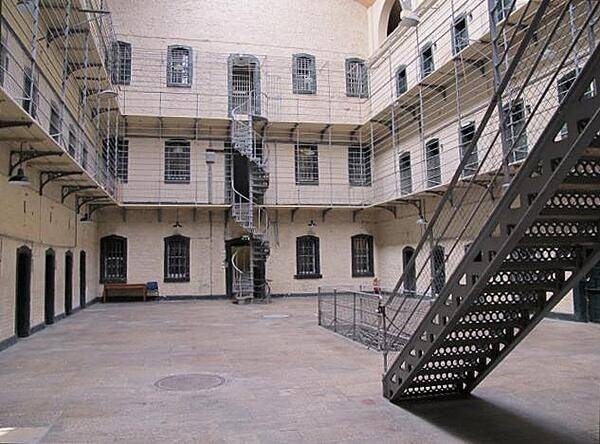
A view of the cells in the Victorian Wing of the Kilmainham Gaol in Dublin.
A view of the cells in the Victorian Wing of the Kilmainham Gaol in Dublin. • CIA World Factbook • 2020
Media source: CIA World Factbook (2020) — Public Domain