›››
Italy — Media Gallery
218 items available (flags, maps, photos)
Photos
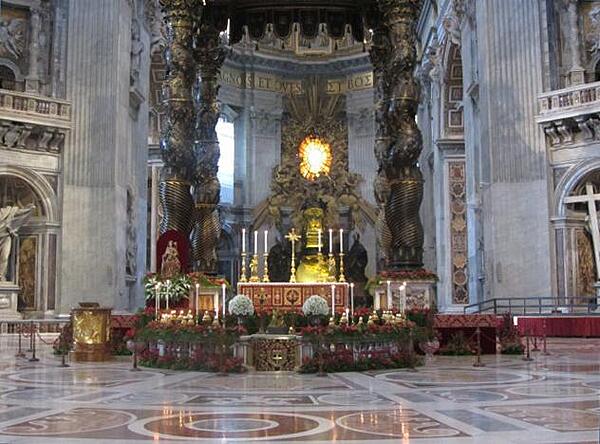
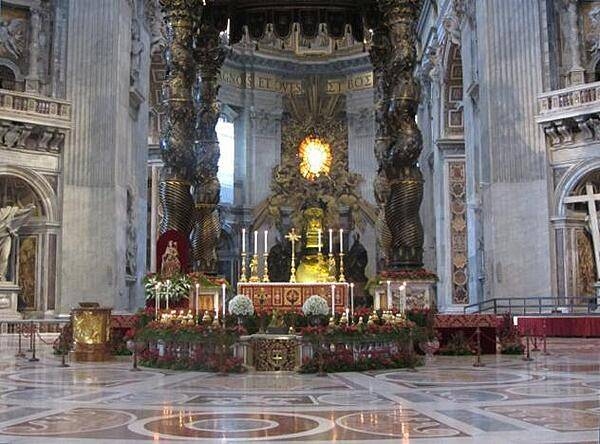
The main altar in Saint Peter's Basilica in Rome is covered by a 30m- (98 ft-) tall bronze baldacchino (canopy) designed by Gian Lorenzo Bernini.
The main altar in Saint Peter's Basilica in Rome is covered by a 30m- (98 ft-) tall bronze baldacchino (canopy) designed by Gian Lorenzo Bernini. • CIA World Factbook • 2020
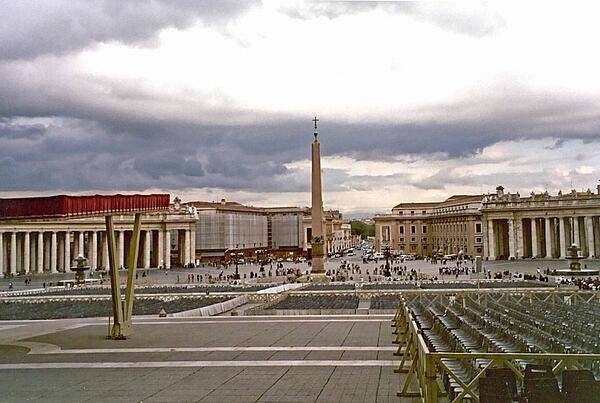
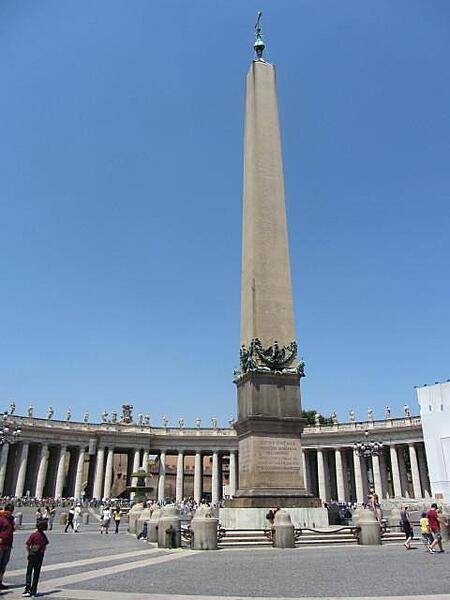
Looking past the obelisk that stands at the center of St. Peter's Square in the Vatican out to the city of Rome.
Looking past the obelisk that stands at the center of St. Peter's Square in the Vatican out to the city of Rome. • CIA World Factbook • 2020
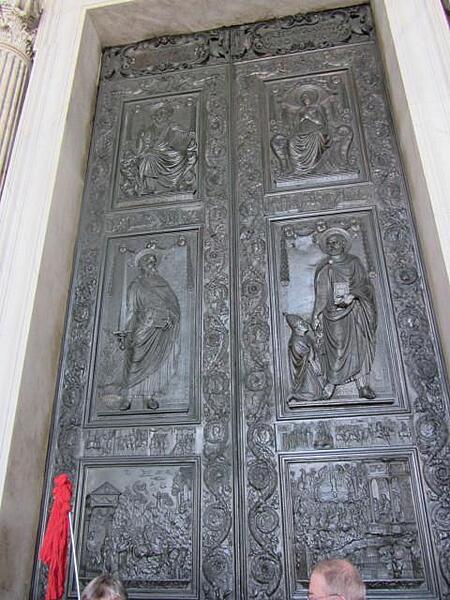
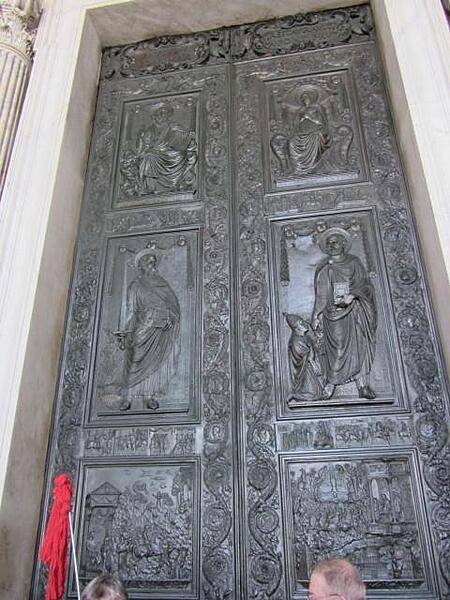
Decorated doors leading into Saint Peter's Basilica in Rome.
Decorated doors leading into Saint Peter's Basilica in Rome. • CIA World Factbook • 2020
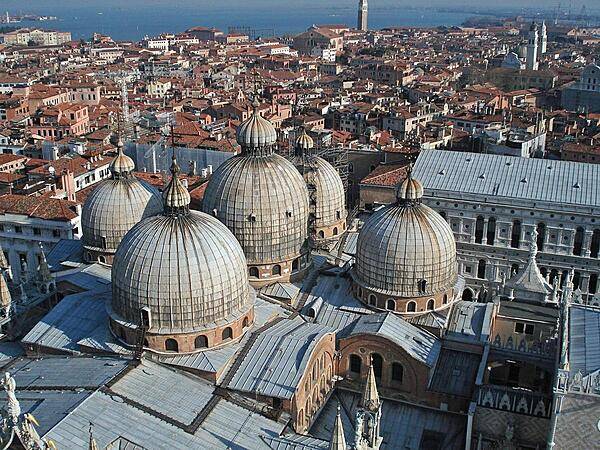
Looking down on St. Mark's Cathedral in Venice from the campanile (bell tower).
Looking down on St. Mark's Cathedral in Venice from the campanile (bell tower). • CIA World Factbook • 2020
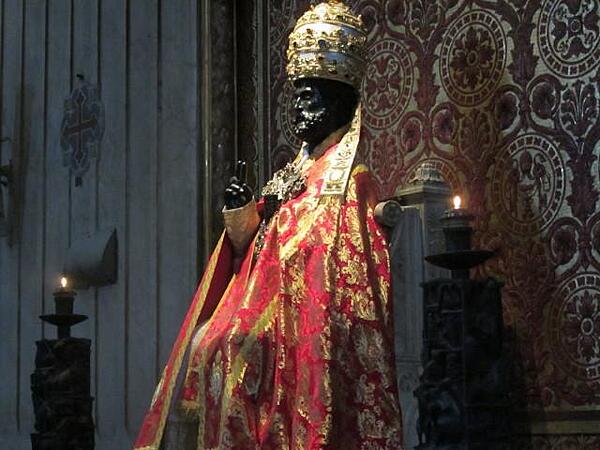
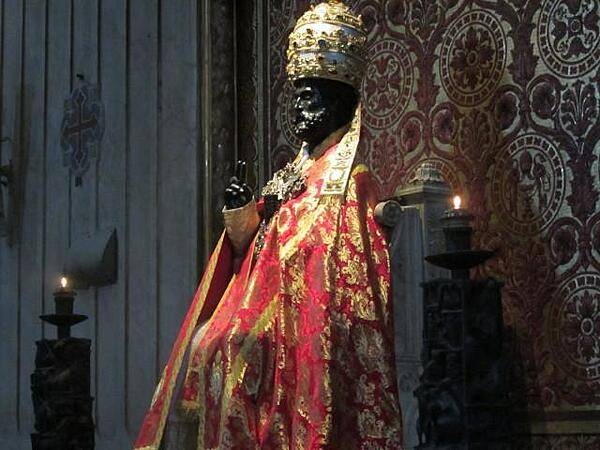
Figure of St. Peter in vestments on the occasion of his feast day on 29 June in Saint Peter's Basilica in Rome.
Figure of St. Peter in vestments on the occasion of his feast day on 29 June in Saint Peter's Basilica in Rome. • CIA World Factbook • 2020
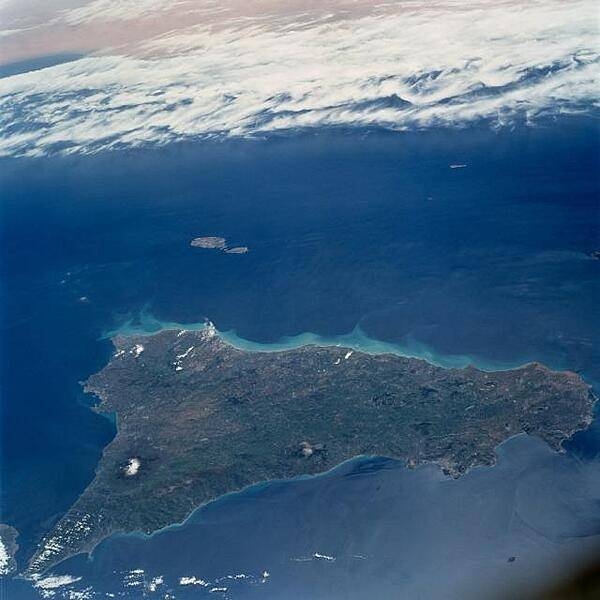
This southerly-looking view taken from onboard the space shuttle, shows the triangular-shaped island of Sicily. With only very limited coastal plains, the island's topography consists of rugged hills and low mountains. Snow-capped Mt. Etna is visible near the northeast point of the island. Some other distinctive features in this image are the lighter-colored zone of suspended sediment in the water along the southern coast, in the middle distance, the smaller islands of Malta, and off to the south, across the Mediterranean, the north African shore. Image courtesy of NASA.
This southerly-looking view taken from onboard the space shuttle, shows the triangular-shaped island of Sicily. With only very limited coastal plains, the island's topography consists of rugged hills and low mountains. Snow-capped Mt. Etna is visible near the northeast point of the island. Some other distinctive features in this image are the lighter-colored zone of suspended sediment in the water along the southern coast, in the middle distance, the smaller islands of Malta, and off to the south, across the Mediterranean, the north African shore. Image courtesy of NASA. • CIA World Factbook • 2020
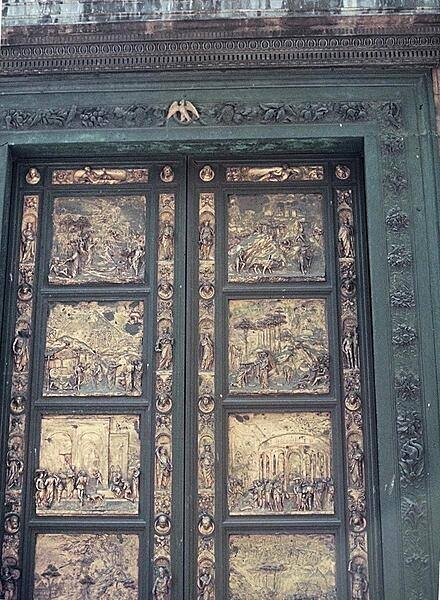
The east doors of the Battistero di San Giovanni (Baptistery of Saint John) in Florence, referred to as "The Gates of Paradise." The gilded bronze doors took the artist, Lorenzo Ghiberti, 27 years to complete.
The east doors of the Battistero di San Giovanni (Baptistery of Saint John) in Florence, referred to as "The Gates of Paradise." The gilded bronze doors took the artist, Lorenzo Ghiberti, 27 years to complete. • CIA World Factbook • 2020
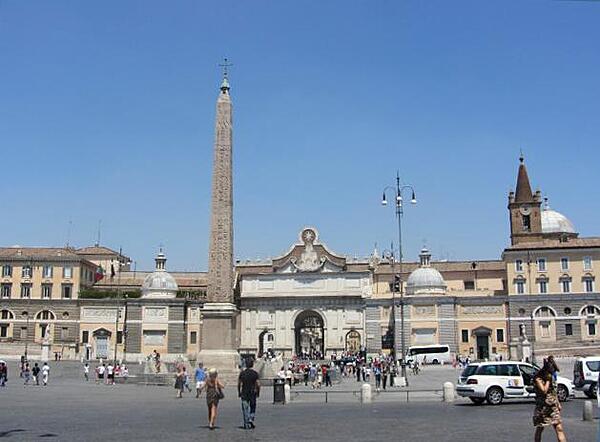
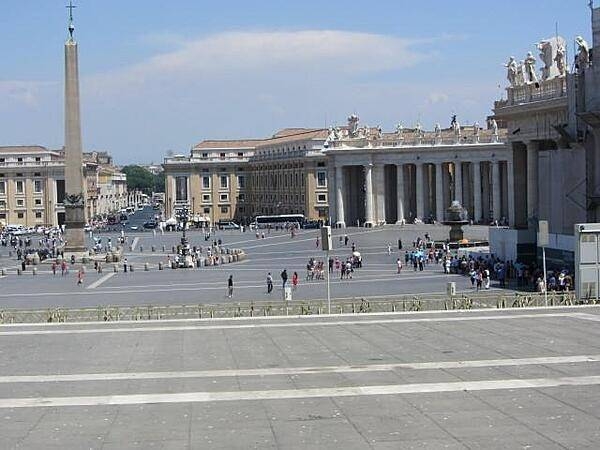
View of Piazza San Pietro (Saint Peter's Square) in Rome. The 240 m (787 ft) elliptical space was laid out by Gian Lorenzo Bernini between 1657 to 1667.
View of Piazza San Pietro (Saint Peter's Square) in Rome. The 240 m (787 ft) elliptical space was laid out by Gian Lorenzo Bernini between 1657 to 1667. • CIA World Factbook • 2020
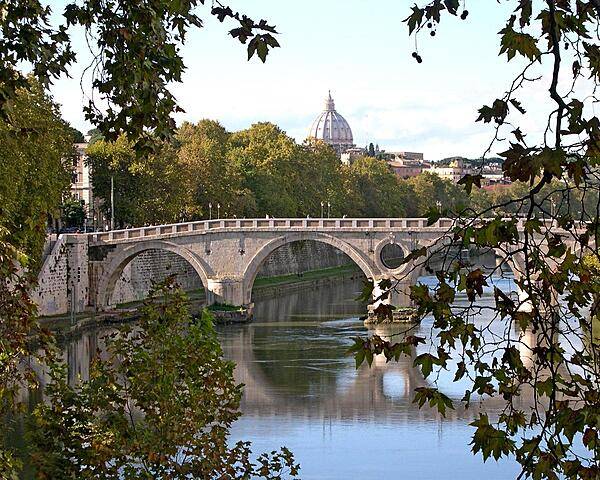
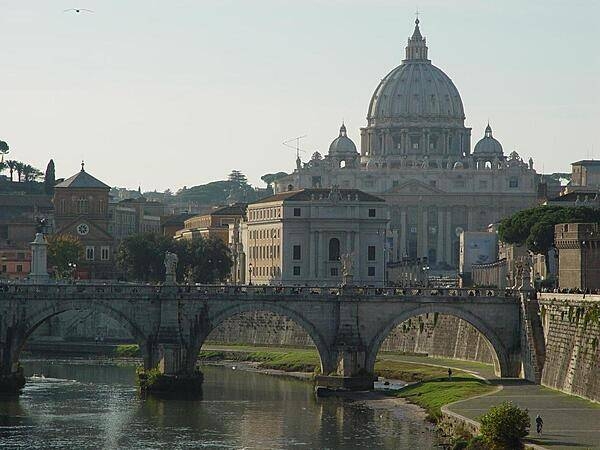
The Garibaldi Bridge over the Tiber River in Rome. The dome of St. Peter's Basilica appears in the background.
The Garibaldi Bridge over the Tiber River in Rome. The dome of St. Peter's Basilica appears in the background. • CIA World Factbook • 2020
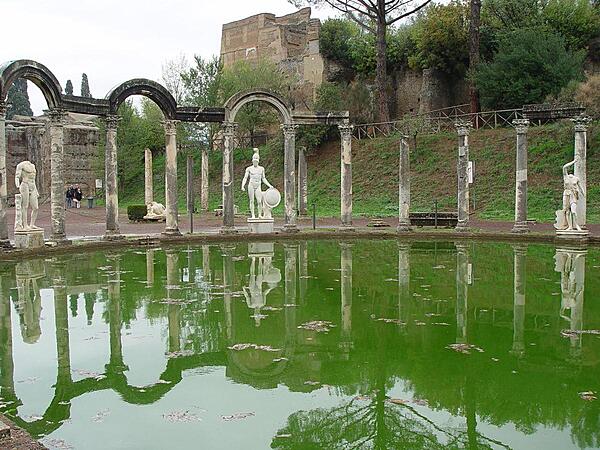
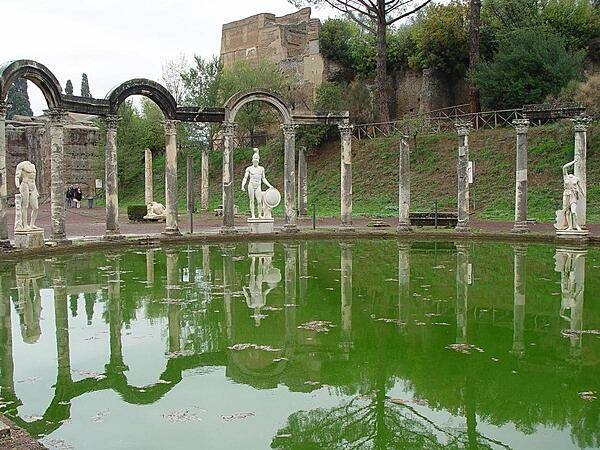
Another view of Canopus, sanctuary of the god Serapis, at Hadrian's Villa in Tivoli.
Another view of Canopus, sanctuary of the god Serapis, at Hadrian's Villa in Tivoli. • CIA World Factbook • 2020
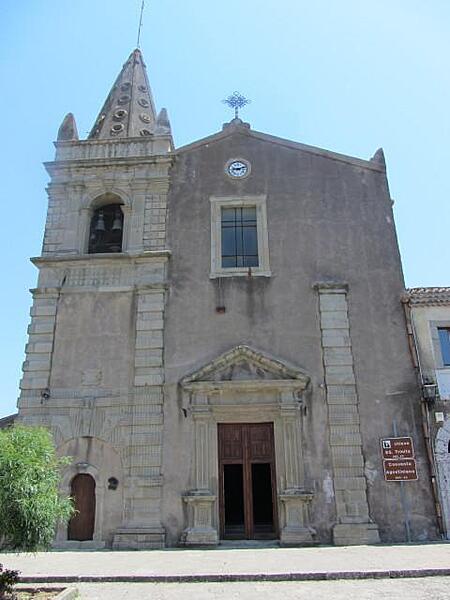
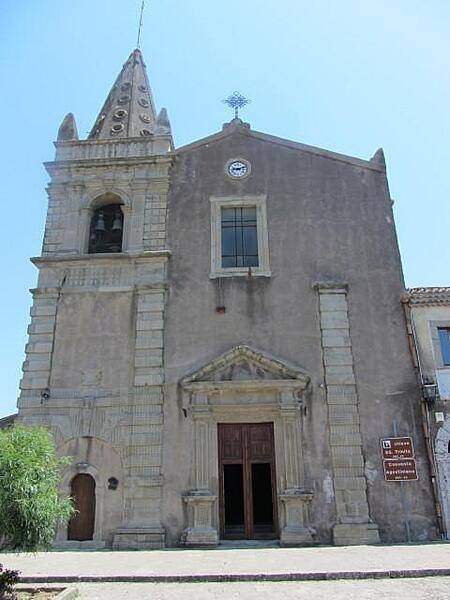
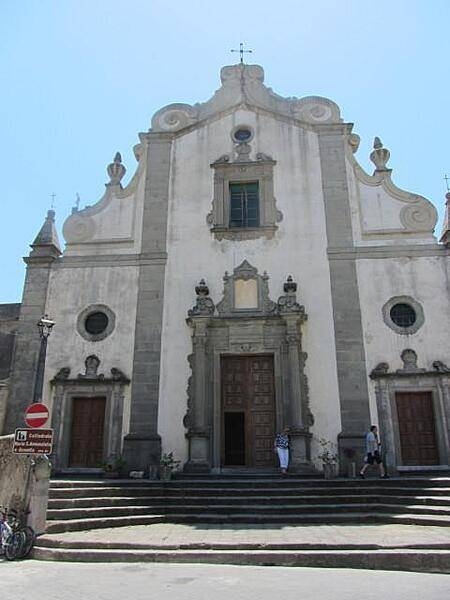
The Church of the Holy Trinity in Forza d'Agro, Sicily is also referred to as Saint Augustine's Church, because of the adjacent Augustinian Convent (Convento Agostiniano). The church was built in the 15th century and restored in 1576; the convent was constructed between 1559 and 1591.
The Church of the Holy Trinity in Forza d'Agro, Sicily is also referred to as Saint Augustine's Church, because of the adjacent Augustinian Convent (Convento Agostiniano). The church was built in the 15th century and restored in 1576; the convent was constructed between 1559 and 1591. • CIA World Factbook • 2020
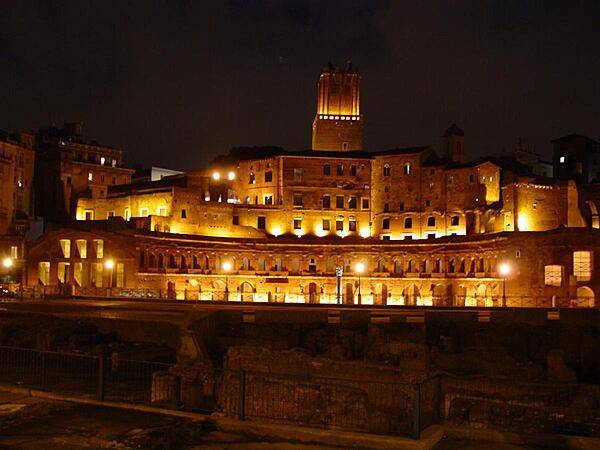
A nighttime view of Trajan's Market in Rome. Now a complex of ruins, it was built in A.D. 100-110. Its upper floor was filled by offices; a road divided it from the lower floor, which held shops.
A nighttime view of Trajan's Market in Rome. Now a complex of ruins, it was built in A.D. 100-110. Its upper floor was filled by offices; a road divided it from the lower floor, which held shops. • CIA World Factbook • 2020
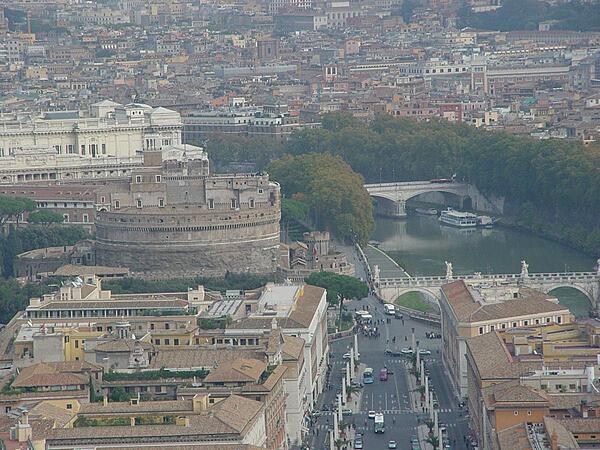
The Castel Sant'Angelo along the Tiber River in Rome is also known as the Mausoleum of Hadrian. The Roman emperor built it as a tomb for himself and his family around A.D. 135. Succeeding emperors were also entombed there. The structure was in turn a fortress, a castle, and a museum.
The Castel Sant'Angelo along the Tiber River in Rome is also known as the Mausoleum of Hadrian. The Roman emperor built it as a tomb for himself and his family around A.D. 135. Succeeding emperors were also entombed there. The structure was in turn a fortress, a castle, and a museum. • CIA World Factbook • 2020
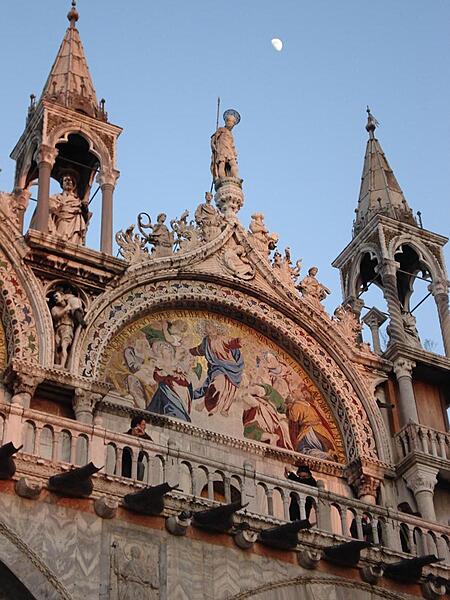
One of the four gilded lunettes on the facade of St. Mark's Cathedral in Venice.
One of the four gilded lunettes on the facade of St. Mark's Cathedral in Venice. • CIA World Factbook • 2020
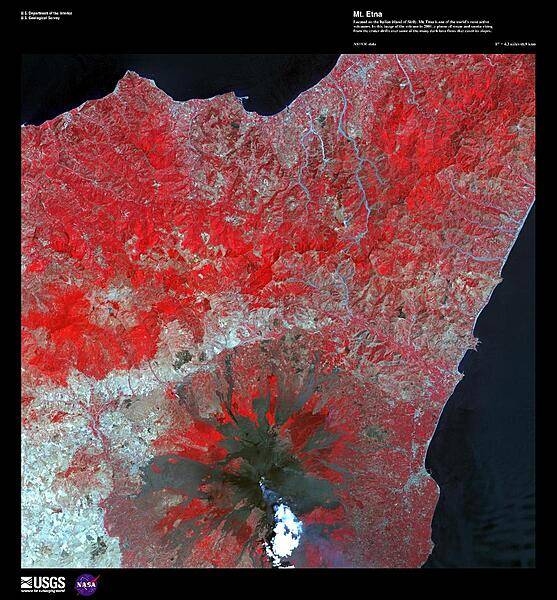
Located on the Italian island of Sicily, Mt. Etna is one of the world's most active volcanoes. In this false-color satellite image of the volcano in 2001, a plume of steam and smoke rising from the crater drifts over some of the many dark lava flows that cover its slopes. Due to summit eruptions, Mt. Etna's elevation of 3,329 m (10,922 ft) is 21 m (69 ft) lower than it was in 1981. Because of its recent activity and proximity to nearby population centers, it has been designated as a Decade Volcano by the International Association of Volcanology and Chemistry of the Earth's Interior. For other active volcanoes in Italy, see the Natural hazards-volcanism subfield in the Geography section. Image courtesy of USGS.
Located on the Italian island of Sicily, Mt. Etna is one of the world's most active volcanoes. In this false-color satellite image of the volcano in 2001, a plume of steam and smoke rising from the crater drifts over some of the many dark lava flows that cover its slopes. Due to summit eruptions, Mt. Etna's elevation of 3,329 m (10,922 ft) is 21 m (69 ft) lower than it was in 1981. Because of its recent activity and proximity to nearby population centers, it has been designated as a Decade Volcano by the International Association of Volcanology and Chemistry of the Earth's Interior. For other active volcanoes in Italy, see the Natural hazards-volcanism subfield in the Geography section. Image courtesy of USGS. • CIA World Factbook • 2020
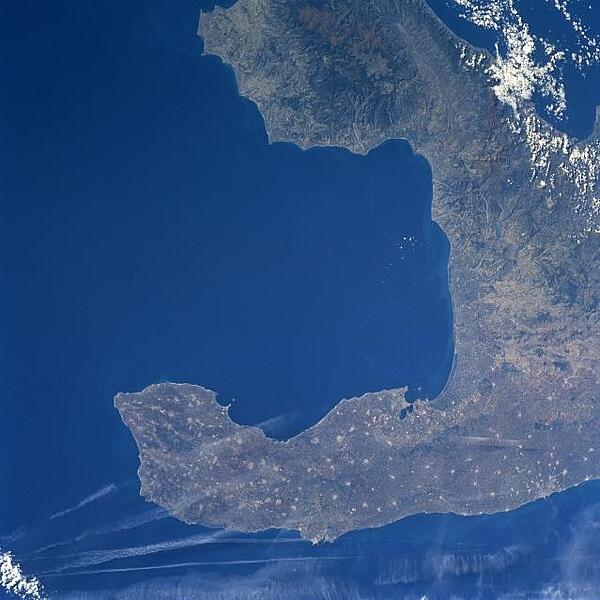
The Salentino Peninsula (bottom of image), also known as "the heel of Italy," is the elongated promontory that juts southeasterly from the larger Italian Peninsula. This peninsula is bordered by the Adriatic Sea to the northeast (bottom of image) and the Gulf of Taranto to the southwest (center of image). The peninsula consists of gently rolling hills and coastal plains, thereby promoting an agrarian economy. The numerous, light-colored spots seen throughout the peninsula show the location of small agricultural towns and villages. Photo courtesy of NASA.
The Salentino Peninsula (bottom of image), also known as "the heel of Italy," is the elongated promontory that juts southeasterly from the larger Italian Peninsula. This peninsula is bordered by the Adriatic Sea to the northeast (bottom of image) and the Gulf of Taranto to the southwest (center of image). The peninsula consists of gently rolling hills and coastal plains, thereby promoting an agrarian economy. The numerous, light-colored spots seen throughout the peninsula show the location of small agricultural towns and villages. Photo courtesy of NASA. • CIA World Factbook • 2020
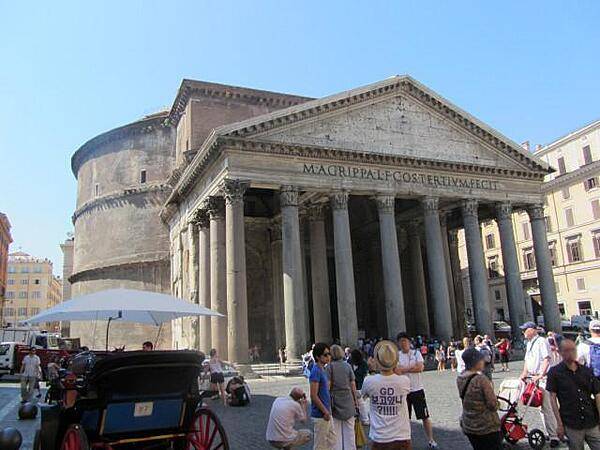
The Pantheon in the Plaza della Rotonda in Rome. Its current form dates from about A.D. 126 when the Emperor Hadrian rebuilt it over Marcus Agrippa's original temple dating from 27 B.C. The temple was dedicated to the classical gods. The name comes from the Greek words pan (all) and theos (god). The Pantheon has been a Christian church since about 608.
The Pantheon in the Plaza della Rotonda in Rome. Its current form dates from about A.D. 126 when the Emperor Hadrian rebuilt it over Marcus Agrippa's original temple dating from 27 B.C. The temple was dedicated to the classical gods. The name comes from the Greek words pan (all) and theos (god). The Pantheon has been a Christian church since about 608. • CIA World Factbook • 2020
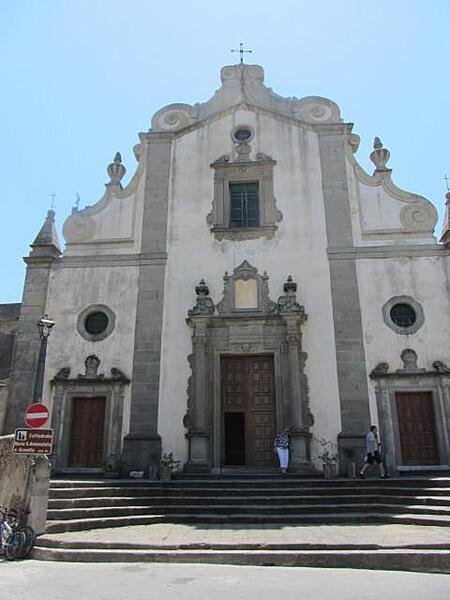
The Church of Saint Francis (or Saint Catherine) in Forza d'Agro, Sicily where scenes from the Godfather Trilogy were filmed. Built in the 15th century by Franciscan friars, the church faces the town hall square; it was restored in 1991.
The Church of Saint Francis (or Saint Catherine) in Forza d'Agro, Sicily where scenes from the Godfather Trilogy were filmed. Built in the 15th century by Franciscan friars, the church faces the town hall square; it was restored in 1991. • CIA World Factbook • 2020
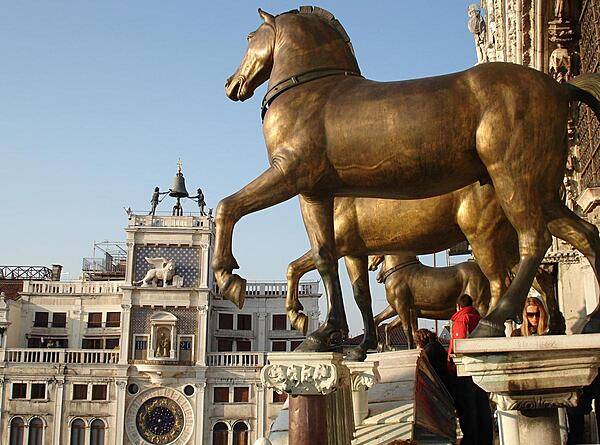
View of St. Mark's Square in Venice showing the famous Greek horses and the astronomical clock. The bronze horses were originally installed at the Hippodrome in Constantinople and so date back to at least the 4th century. In 1254 they came to Venice where they remained until 1797 when they were brought to Paris by Napoleon. In 1815 they were returned to Venice. The originals are now in St. Mark's Museum. The original astronomical clock was built between 1496-99. It has been renovated many times, most recently in 1996.
View of St. Mark's Square in Venice showing the famous Greek horses and the astronomical clock. The bronze horses were originally installed at the Hippodrome in Constantinople and so date back to at least the 4th century. In 1254 they came to Venice where they remained until 1797 when they were brought to Paris by Napoleon. In 1815 they were returned to Venice. The originals are now in St. Mark's Museum. The original astronomical clock was built between 1496-99. It has been renovated many times, most recently in 1996. • CIA World Factbook • 2020
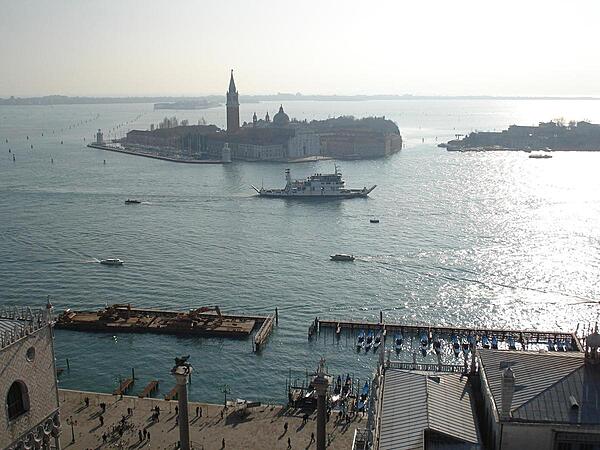
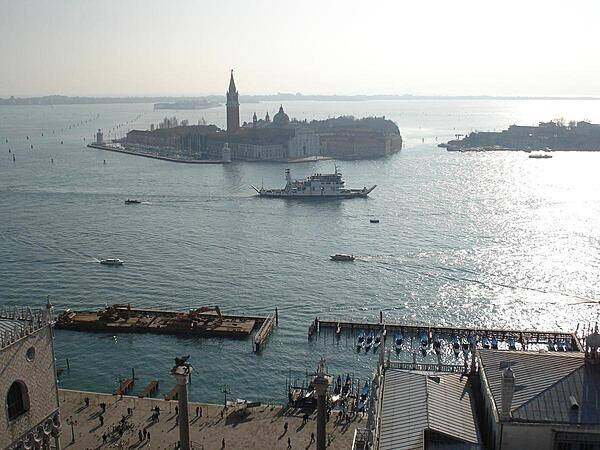
San Giorgio Maggiore Island in Venice viewed from St. Mark's campanile.
San Giorgio Maggiore Island in Venice viewed from St. Mark's campanile. • CIA World Factbook • 2020
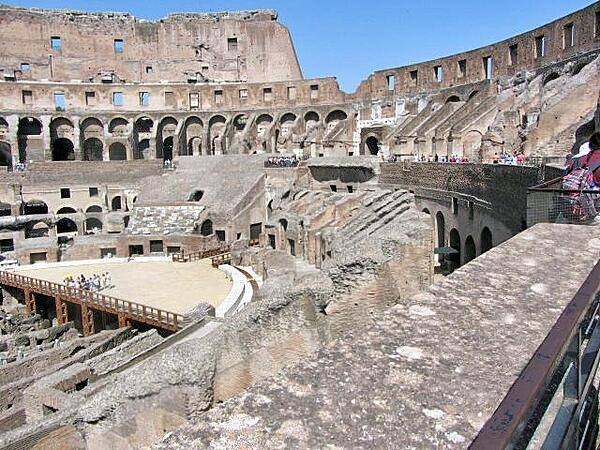
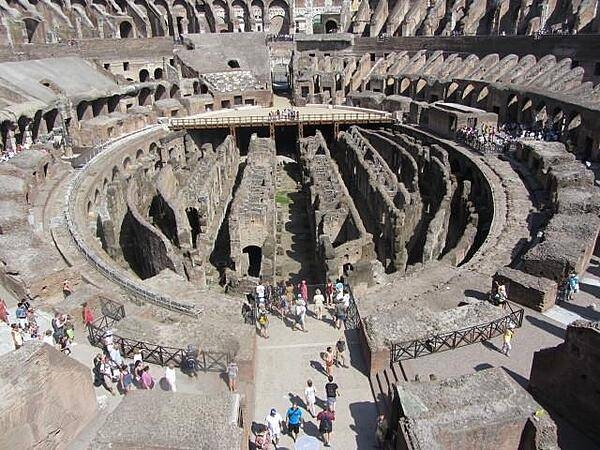
The Roman Colosseum's arena was a wooden floor covered with sand, underlain with rooms and passageways for performers, sets, and animals. Spectator seating was divided into three sections: ordinary people sat in the upper level, the better off in the middle sections, and the elite in the lower level.
The Roman Colosseum's arena was a wooden floor covered with sand, underlain with rooms and passageways for performers, sets, and animals. Spectator seating was divided into three sections: ordinary people sat in the upper level, the better off in the middle sections, and the elite in the lower level. • CIA World Factbook • 2020
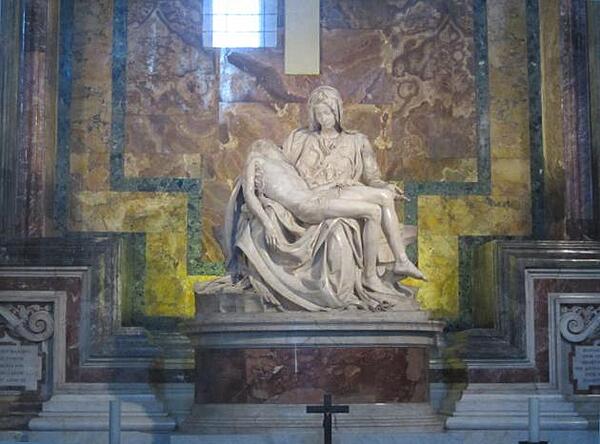
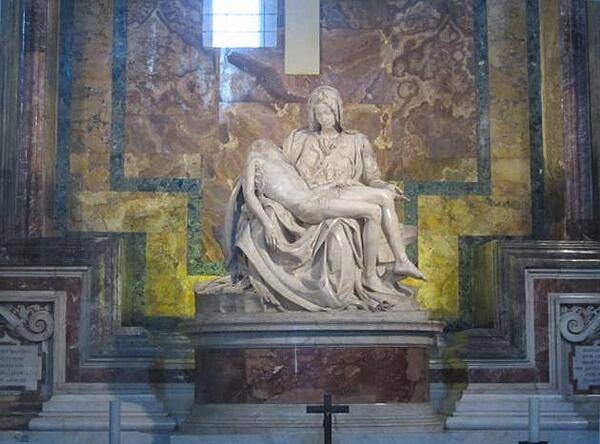
Pieta by Michelangelo in Saint Peter's Basilica in Rome. The sculpture was created from 1498 to 1499 of Carrara marble when the sculptor was only 25 years old.
Pieta by Michelangelo in Saint Peter's Basilica in Rome. The sculpture was created from 1498 to 1499 of Carrara marble when the sculptor was only 25 years old. • CIA World Factbook • 2020
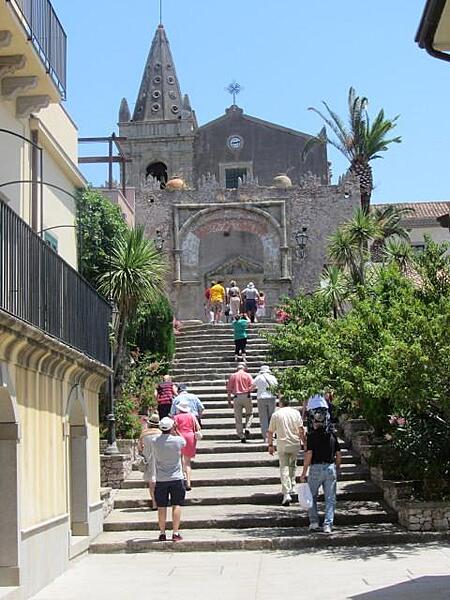
Steps leading to the Church of the Holy Trinity and to the Convento Agostiniano (Augustinian Convent) in Forza d'Agro in Sicily. The arch is named the Porta Durazzo.
Steps leading to the Church of the Holy Trinity and to the Convento Agostiniano (Augustinian Convent) in Forza d'Agro in Sicily. The arch is named the Porta Durazzo. • CIA World Factbook • 2020
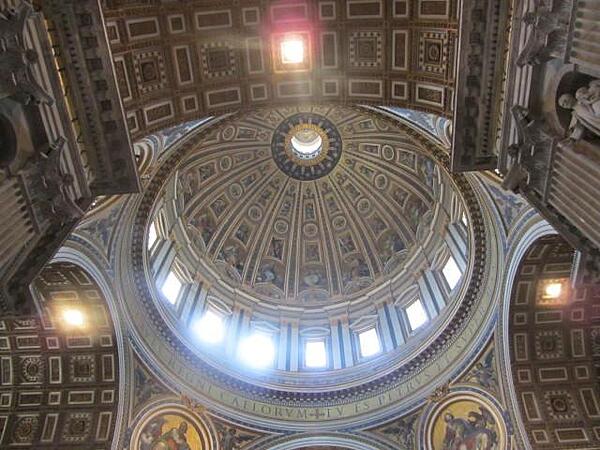
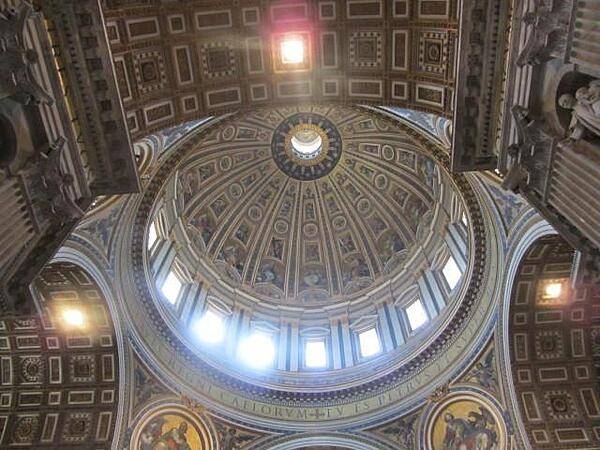
The dome over the main altar in Saint Peter's Basilica in Rome was designed by Michelangelo in 1547; it was completed in 1590 after his death. The dome is 136.57 m (448.1 ft) high making it the tallest dome in the world.
The dome over the main altar in Saint Peter's Basilica in Rome was designed by Michelangelo in 1547; it was completed in 1590 after his death. The dome is 136.57 m (448.1 ft) high making it the tallest dome in the world. • CIA World Factbook • 2020
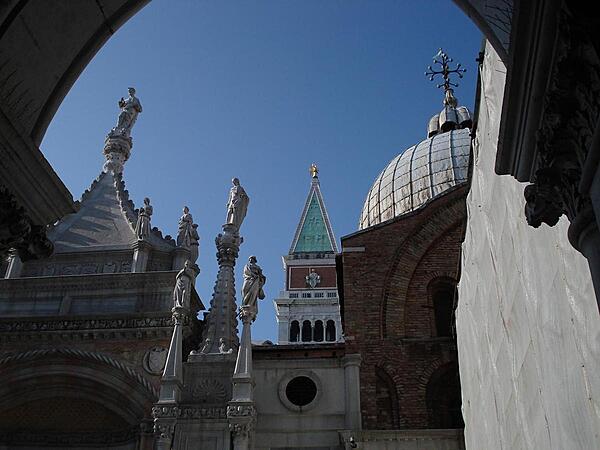
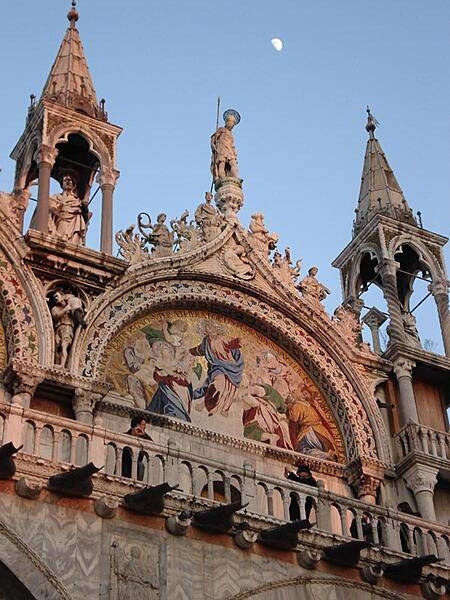
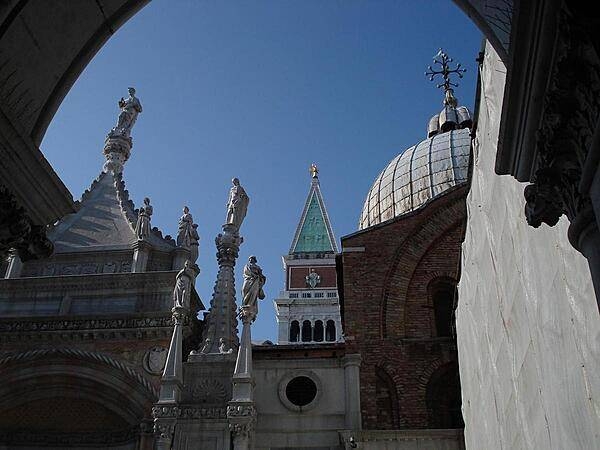
A view of the Cathedral of St. Mark's in Venice showing some of the saints adorning its roof, and a peek at its bell tower.
A view of the Cathedral of St. Mark's in Venice showing some of the saints adorning its roof, and a peek at its bell tower. • CIA World Factbook • 2020
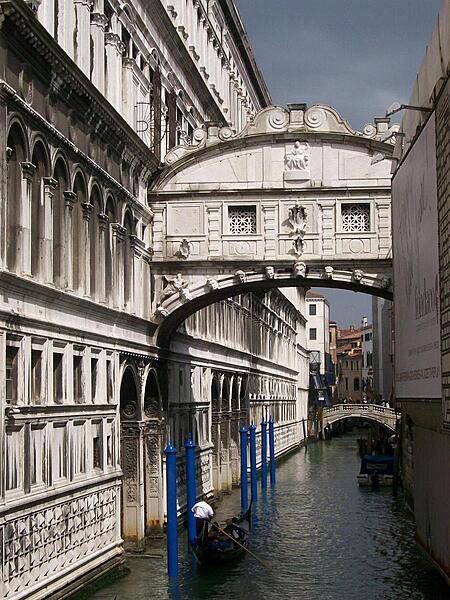
The Bridge of Sighs over one of many canals in Venice was built in 1602 and connects the old prisons with the interrogation rooms in the Doge's Palace. The name was applied by Lord Byron.
The Bridge of Sighs over one of many canals in Venice was built in 1602 and connects the old prisons with the interrogation rooms in the Doge's Palace. The name was applied by Lord Byron. • CIA World Factbook • 2020
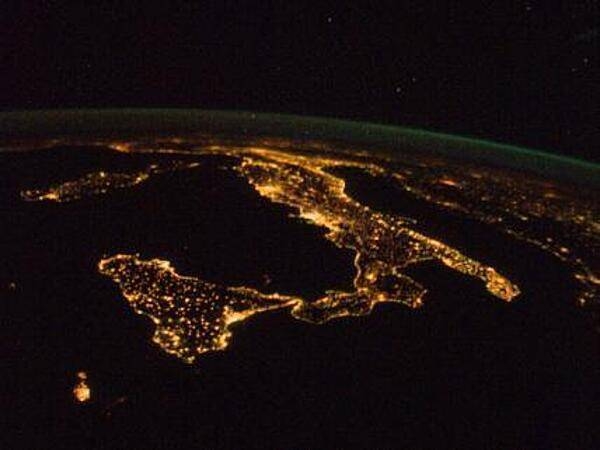
The "boot" of Italy is visible running diagonally southward from the horizon across the center of the frame, with the night lights of Rome and Naples being visible on the coast near the center. Sardinia and Corsica are just above left center of the photo, and Sicily is at lower left. The Adriatic Sea is on the other side of Italy, and beyond it to the east and north can be seen parts of several other European nations. Image courtesy of NASA.
The "boot" of Italy is visible running diagonally southward from the horizon across the center of the frame, with the night lights of Rome and Naples being visible on the coast near the center. Sardinia and Corsica are just above left center of the photo, and Sicily is at lower left. The Adriatic Sea is on the other side of Italy, and beyond it to the east and north can be seen parts of several other European nations. Image courtesy of NASA. • CIA World Factbook • 2020
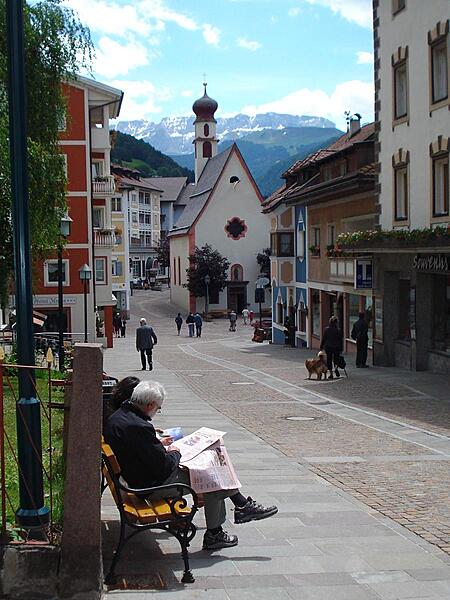
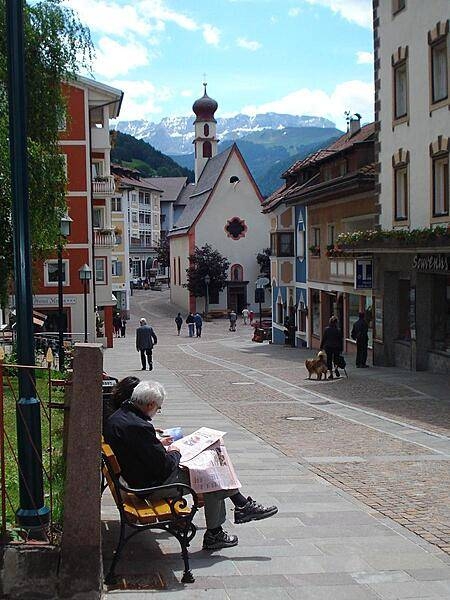
Street scene in Ortesei, the main town in the ski resort of Val Gardena in the Dolomites. In the center of the photo is St. Anthony's Chapel, built in 1673 on the main square.
Street scene in Ortesei, the main town in the ski resort of Val Gardena in the Dolomites. In the center of the photo is St. Anthony's Chapel, built in 1673 on the main square. • CIA World Factbook • 2020
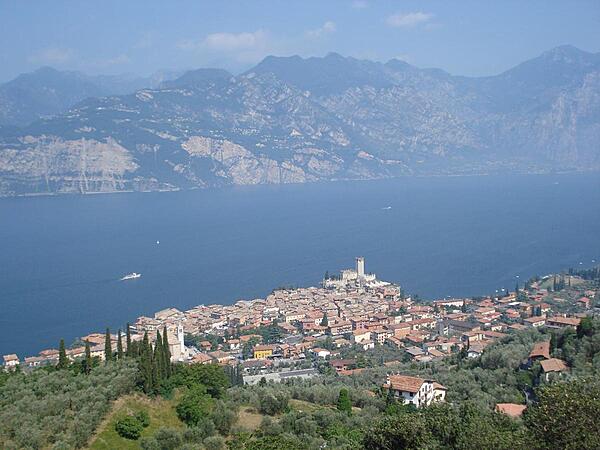
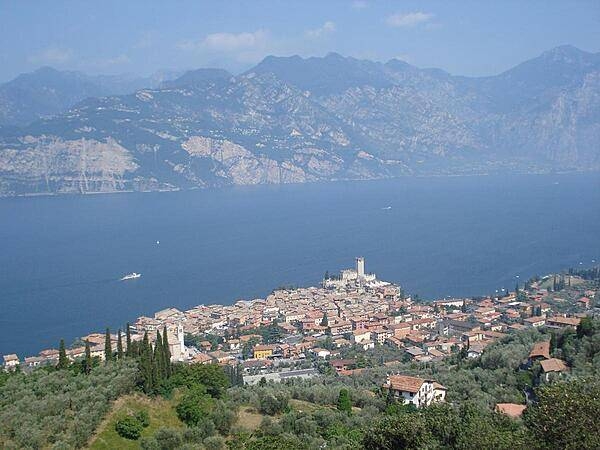
Malcesine is an old medieval town on the eastern shore of Lago di Garda, Italy's largest lake.
Malcesine is an old medieval town on the eastern shore of Lago di Garda, Italy's largest lake. • CIA World Factbook • 2020
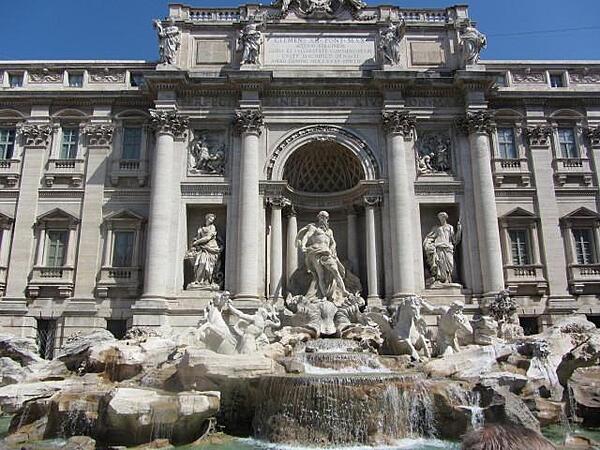
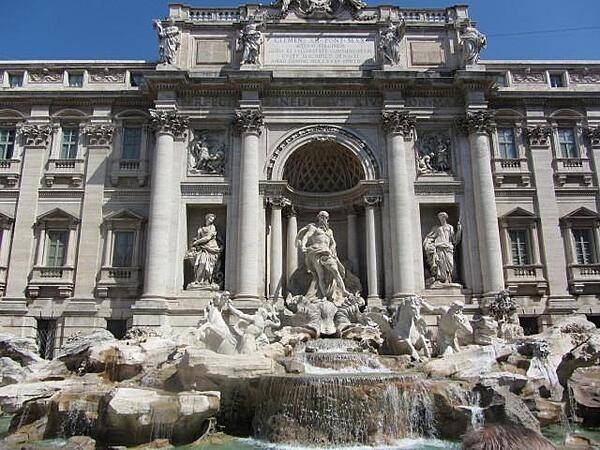
The Trevi Fountain in Rome. The baroque fountain was designed by Nicola Salvi in 1732. It depicts Neptune's chariot being led by Tritons with sea horses - one wild and one docile - representing the various moods of the sea.
The Trevi Fountain in Rome. The baroque fountain was designed by Nicola Salvi in 1732. It depicts Neptune's chariot being led by Tritons with sea horses - one wild and one docile - representing the various moods of the sea. • CIA World Factbook • 2020
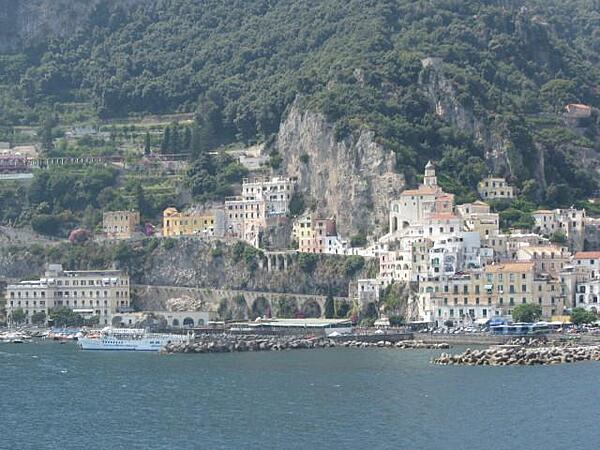
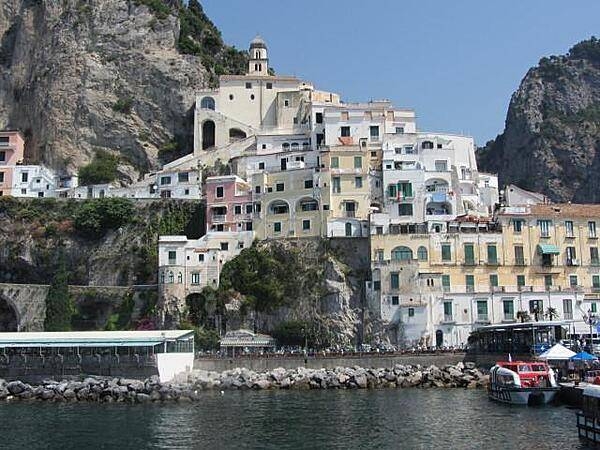
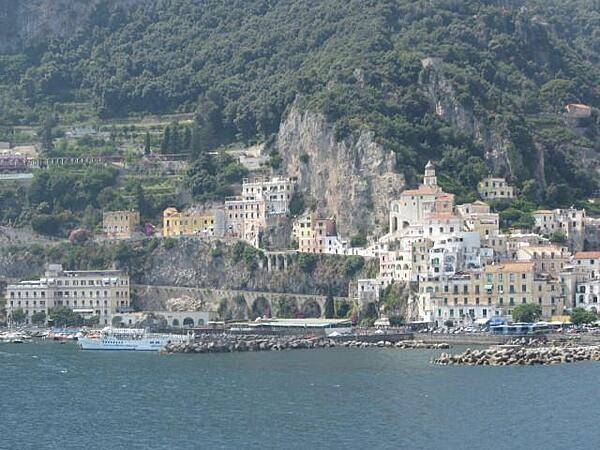
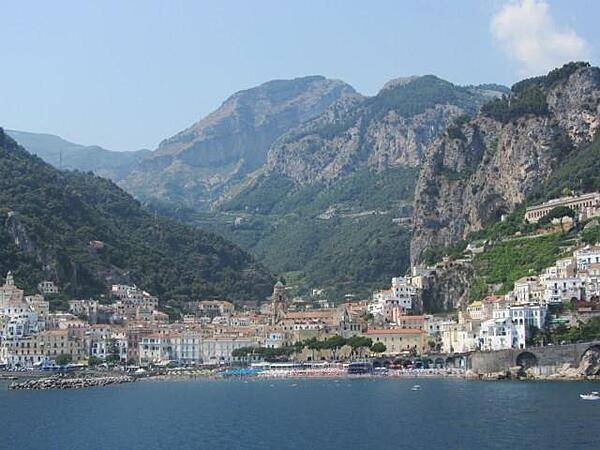
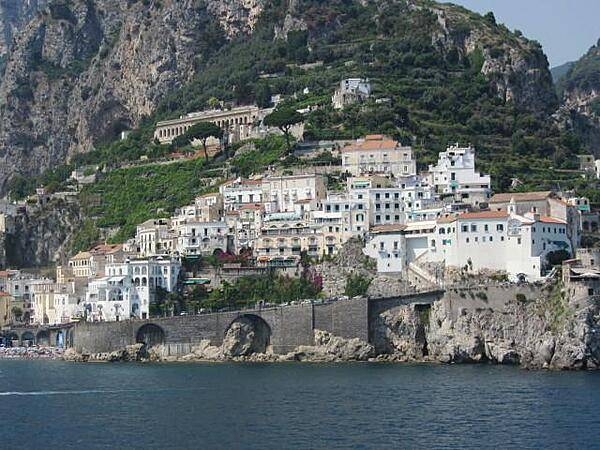
View of homes and hotels on the rugged western coast of Italy in the city of Amalfi.
View of homes and hotels on the rugged western coast of Italy in the city of Amalfi. • CIA World Factbook • 2020
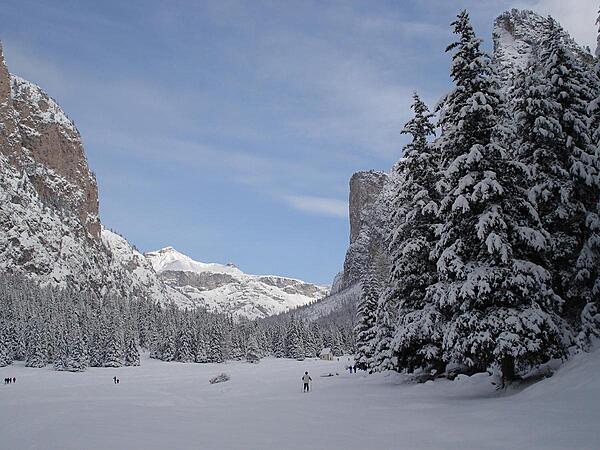
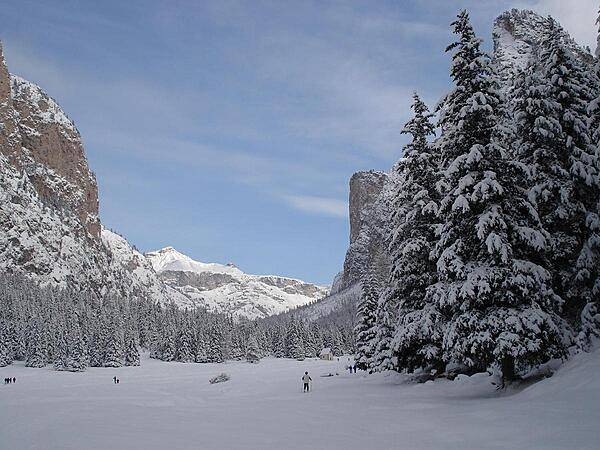
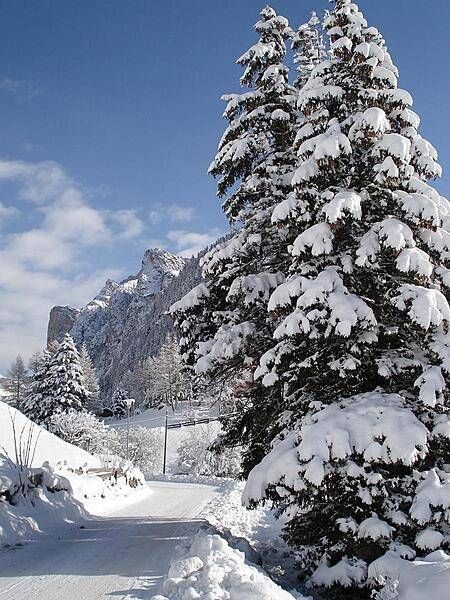
Cross-country skiing in Val Gardena. During the summer, tourists enjoy hiking in the area.
Cross-country skiing in Val Gardena. During the summer, tourists enjoy hiking in the area. • CIA World Factbook • 2020
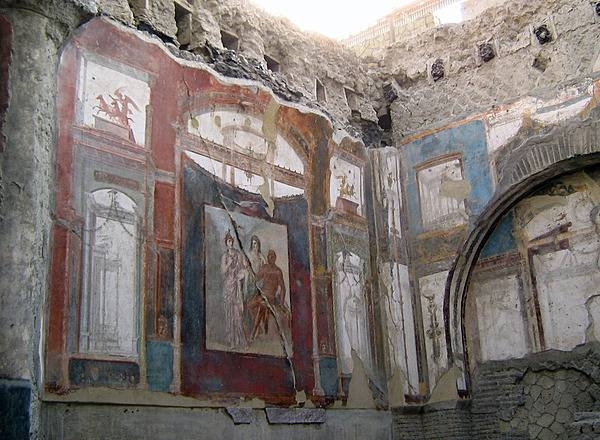
A fresco at the College of Augustales in Herculaneum.
A fresco at the College of Augustales in Herculaneum. • CIA World Factbook • 2020
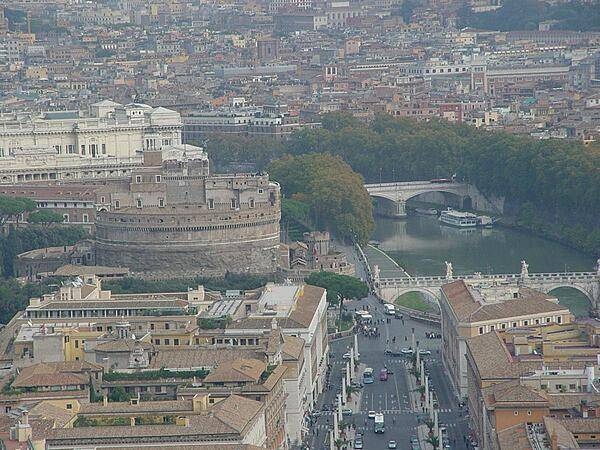
CIA World Factbook • 2020
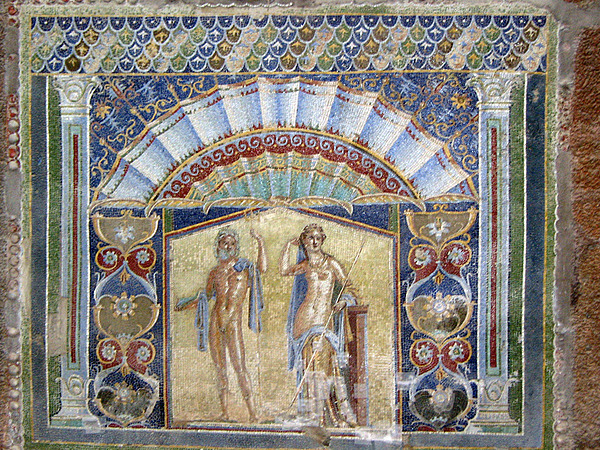
A mosaic of Neptune and Amphitrite in the eponymous house in Herculaneum.
A mosaic of Neptune and Amphitrite in the eponymous house in Herculaneum. • CIA World Factbook • 2020
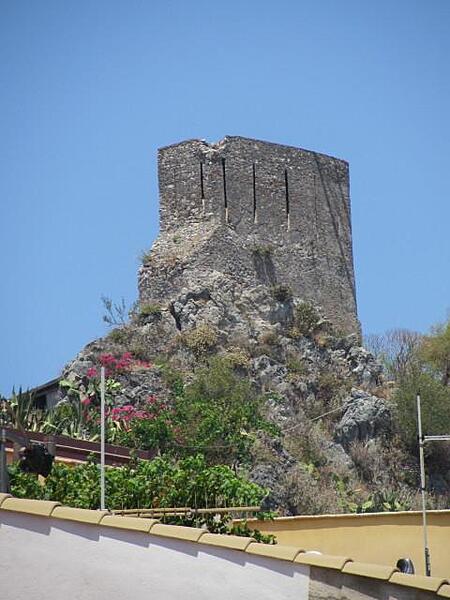
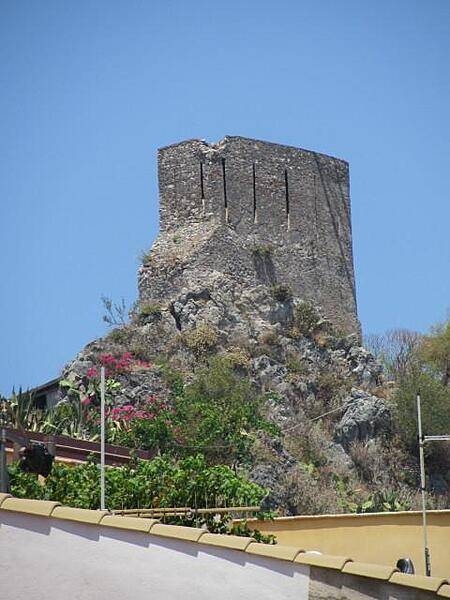
Arab watch tower outside the town of Savoca in Sicily.
Arab watch tower outside the town of Savoca in Sicily. • CIA World Factbook • 2020
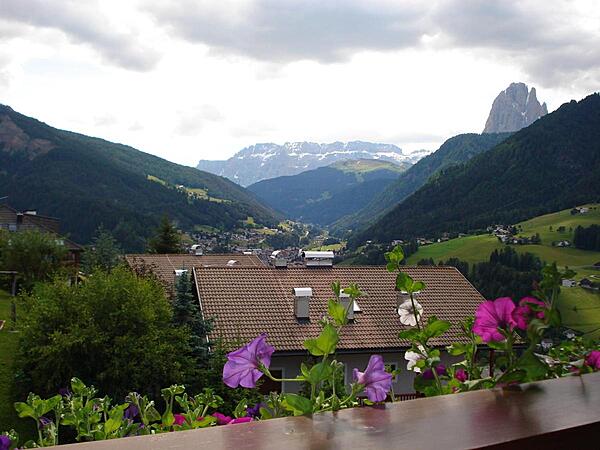
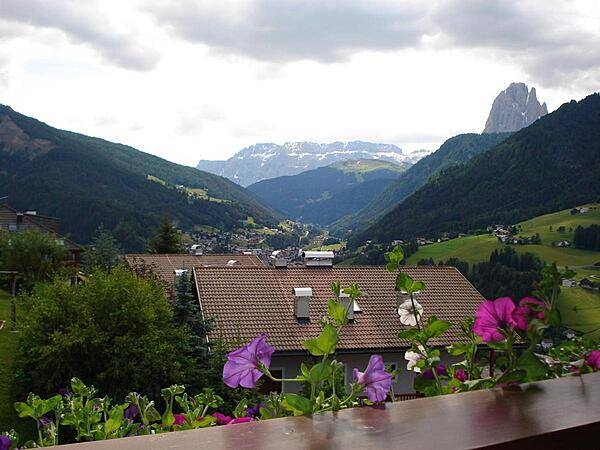
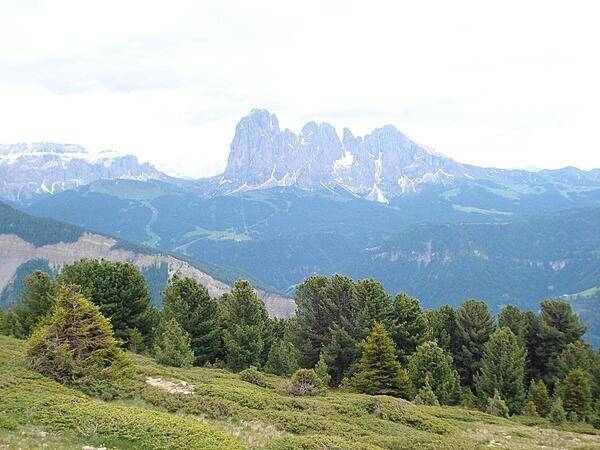
Val Gardena in the Dolomites is one of five valleys in northern Italy with a majority of Ladin speakers. Nestled in the valley are three towns: Ortisei, the main settlement; Selva, the best known ski resort; and Santa Cristina, which lies between the other two towns.
Val Gardena in the Dolomites is one of five valleys in northern Italy with a majority of Ladin speakers. Nestled in the valley are three towns: Ortisei, the main settlement; Selva, the best known ski resort; and Santa Cristina, which lies between the other two towns. • CIA World Factbook • 2020
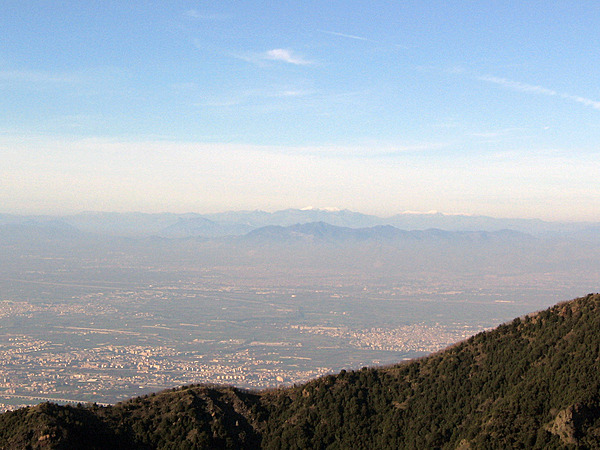
Countryside view from the top of Mount Vesuvius.
Countryside view from the top of Mount Vesuvius. • CIA World Factbook • 2020
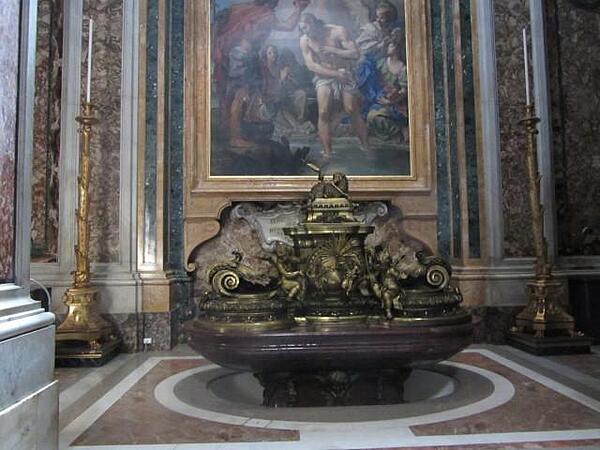
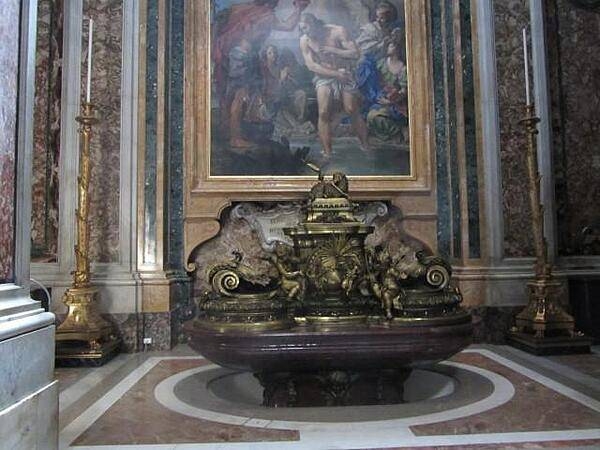
Baptismal font in St. Peter's Basilica in Rome.
Baptismal font in St. Peter's Basilica in Rome. • CIA World Factbook • 2020
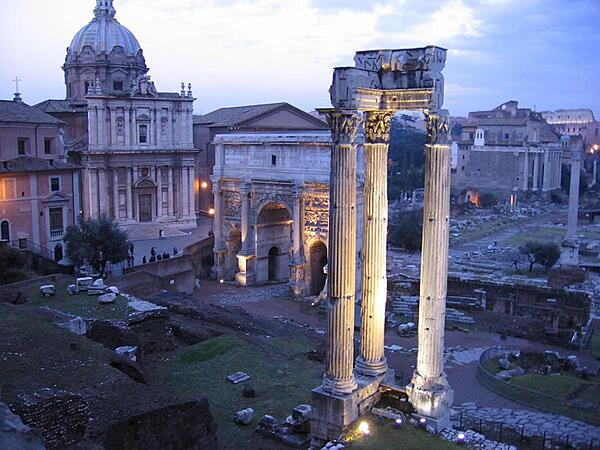
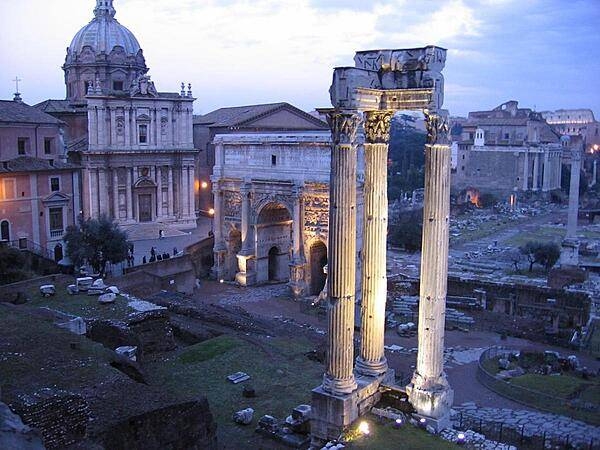
Evening at the Forum in Rome. Note the Colosseum in the distance.
Evening at the Forum in Rome. Note the Colosseum in the distance. • CIA World Factbook • 2020
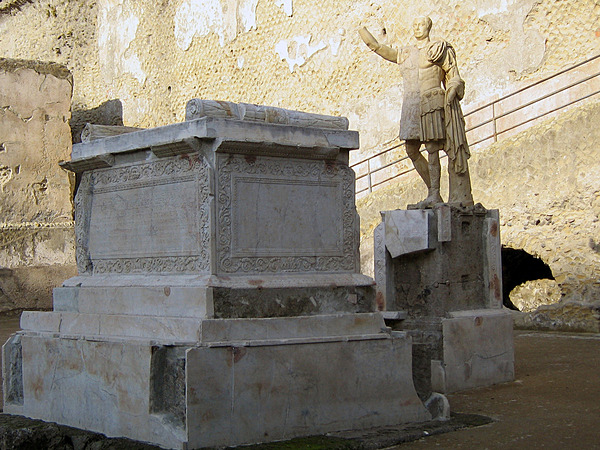
Funerary altar and statue of Marcus Nonium Balbus in Herculaneum.
Funerary altar and statue of Marcus Nonium Balbus in Herculaneum. • CIA World Factbook • 2020
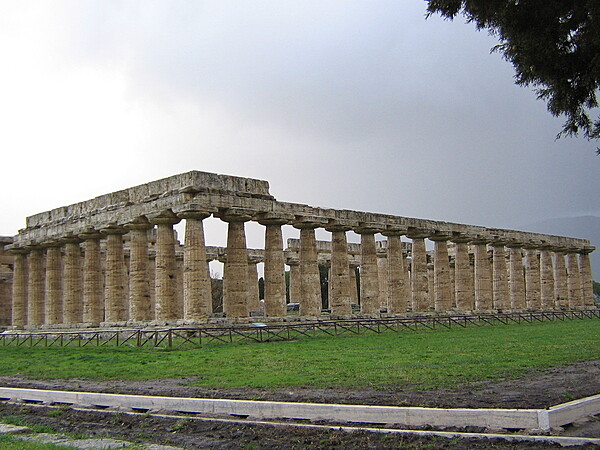
The First Greek Temple of Hera at Paestum in southern Italy. Paestum was a major ancient Greek city on the coast of the Tyrrhenian Sea in Magna Graecia (southern Italy). The ruins of Paestum are famous for their well-preserved ancient Greek temples - including two dedicated to Hera - dating from about 550 to 450 B.C.
The First Greek Temple of Hera at Paestum in southern Italy. Paestum was a major ancient Greek city on the coast of the Tyrrhenian Sea in Magna Graecia (southern Italy). The ruins of Paestum are famous for their well-preserved ancient Greek temples - including two dedicated to Hera - dating from about 550 to 450 B.C. • CIA World Factbook • 2020
CIA World Factbook • 2020
CIA World Factbook • 2020
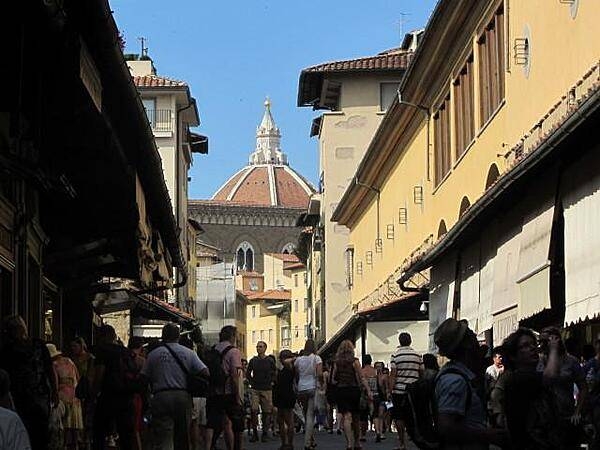
CIA World Factbook • 2020
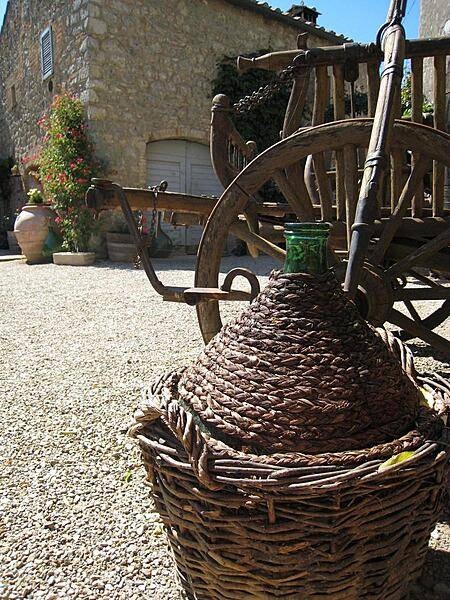
A farmhouse at a winery in Siena.
A farmhouse at a winery in Siena. • CIA World Factbook • 2020
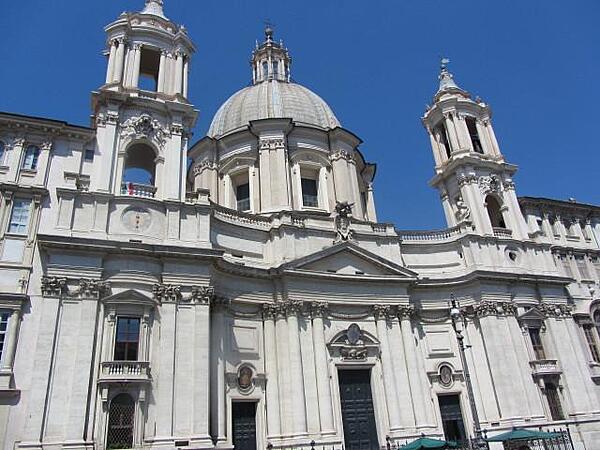
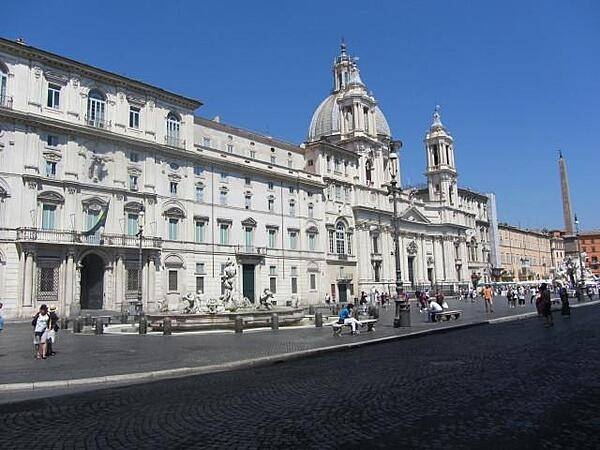
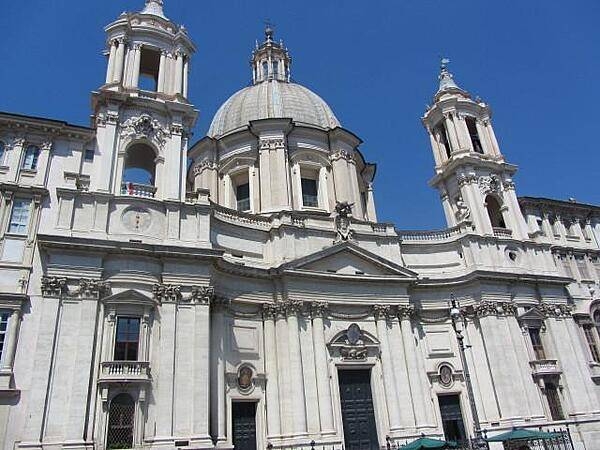
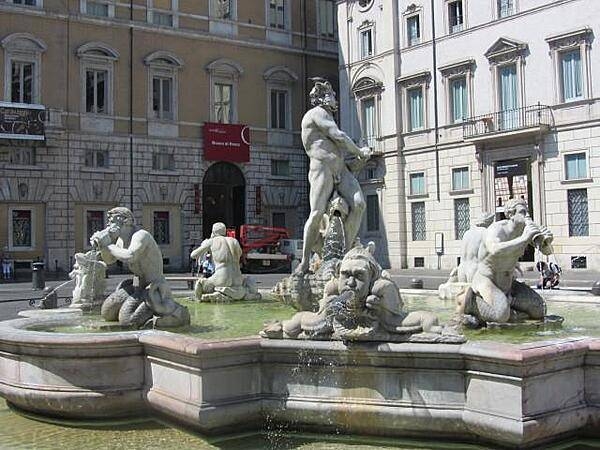
Facade of the Palazzo Pamphilj in the Piazza Navona in Rome.
Facade of the Palazzo Pamphilj in the Piazza Navona in Rome. • CIA World Factbook • 2020
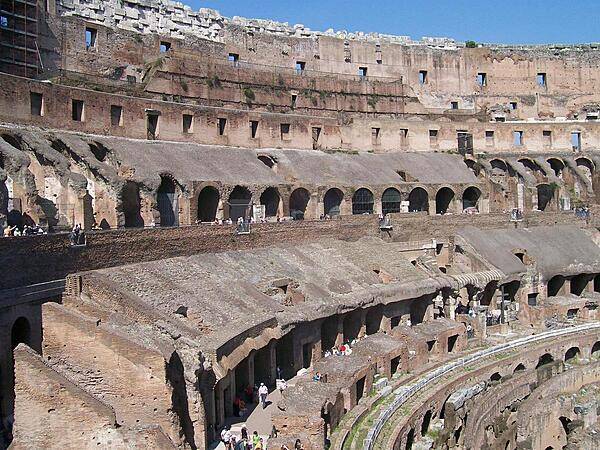
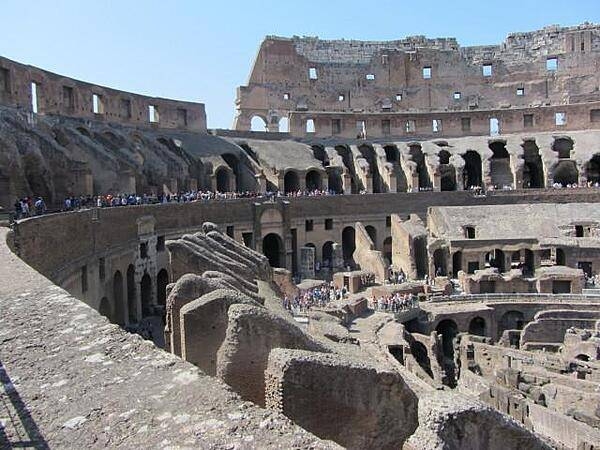
The Colosseum in Rome, the largest ever built in the Roman Empire, could seat 50,000 (some estimates go as high as 80,000). Begun in A.D. 72 and completed in A.D. 80, it accommodated gladiatorial contests, games, and spectacles. This is a view of its ruins from the inside.
The Colosseum in Rome, the largest ever built in the Roman Empire, could seat 50,000 (some estimates go as high as 80,000). Begun in A.D. 72 and completed in A.D. 80, it accommodated gladiatorial contests, games, and spectacles. This is a view of its ruins from the inside. • CIA World Factbook • 2020
CIA World Factbook • 2020
CIA World Factbook • 2020
CIA World Factbook • 2020
CIA World Factbook • 2020
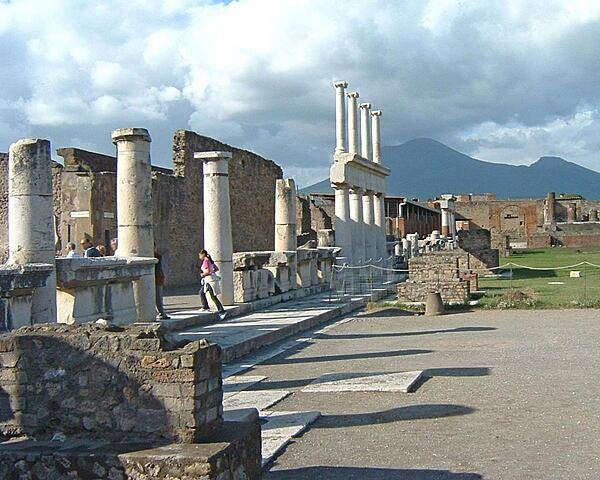
The forum at Pompeii with Mt. Vesuvius in the background.
The forum at Pompeii with Mt. Vesuvius in the background. • CIA World Factbook • 2020
CIA World Factbook • 2020
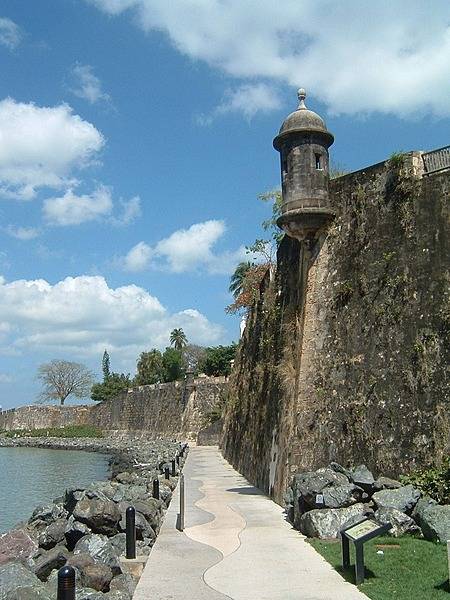
The Paseo del Morro, a promenade along the fort’s outer walls. Photo courtesy of the US National Park Service.
The Paseo del Morro, a promenade along the fort’s outer walls. Photo courtesy of the US National Park Service. • CIA World Factbook • 2020
CIA World Factbook • 2020
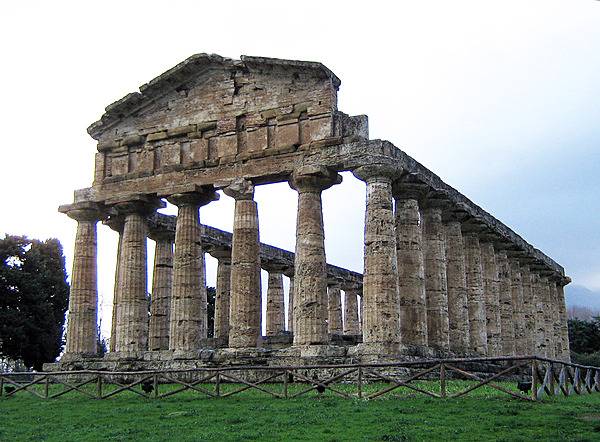
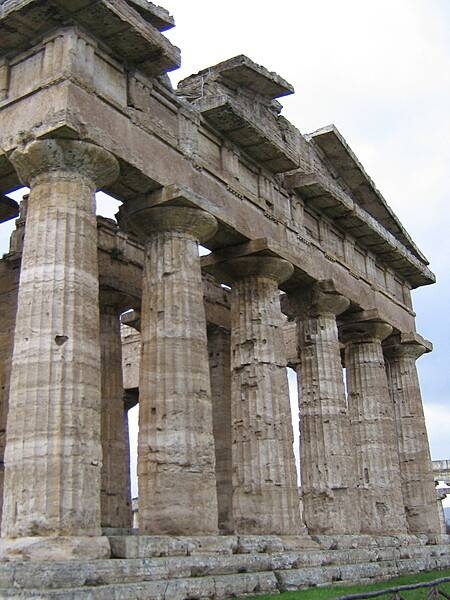
The Greek Temple of Athena at Paestum in southern Italy dates to circa 500 B.C.
The Greek Temple of Athena at Paestum in southern Italy dates to circa 500 B.C. • CIA World Factbook • 2020
CIA World Factbook • 2020
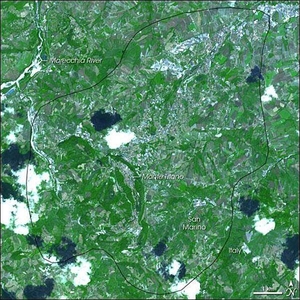
With an area of just 61 sq km (23.5 sq mi), San Marino is the third-smallest country in Europe, behind Monaco and the Holy See. Located in the northern part of the Italian Peninsula, near the Adriatic Sea, this tiny nation is surrounded by Italy.This satellite picture of San Marino shows a combination of vegetation (bright green); and buildings, pavement, and bare rock (blue-gray to white). Purplish-gray polygons are probably fallow agricultural land. Overhead, fluffy white clouds cast their charcoal-colored shadows over the land surface. The Apennine Mountains give the region a rough terrain, and the limestone Monte Titano dominates the area, with a fort perched on each of the mountain's three summits. According to legend, San Marino is the world's oldest surviving republic, dating back to 301. The original city sits atop Monte Titano. Today, however, development has spread throughout the republic, evidenced by the many areas of blue-gray and the meandering roads. Tourism has brought prosperity to this small republic, but historically, its rugged terrain and lack of wealth may have helped it escape the unwanted attention of potential invaders. Image courtesy of NASA.
With an area of just 61 sq km (23.5 sq mi), San Marino is the third-smallest country in Europe, behind Monaco and the Holy See. Located in the northern part of the Italian Peninsula, near the Adriatic Sea, this tiny nation is surrounded by Italy.This satellite picture of San Marino shows a combination of vegetation (bright green); and buildings, pavement, and bare rock (blue-gray to white). Purplish-gray polygons are probably fallow agricultural land. Overhead, fluffy white clouds cast their charcoal-colored shadows over the land surface. The Apennine Mountains give the region a rough terrain, and the limestone Monte Titano dominates the area, with a fort perched on each of the mountain's three summits. According to legend, San Marino is the world's oldest surviving republic, dating back to 301. The original city sits atop Monte Titano. Today, however, development has spread throughout the republic, evidenced by the many areas of blue-gray and the meandering roads. Tourism has brought prosperity to this small republic, but historically, its rugged terrain and lack of wealth may have helped it escape the unwanted attention of potential invaders. Image courtesy of NASA. • CIA World Factbook • 2020
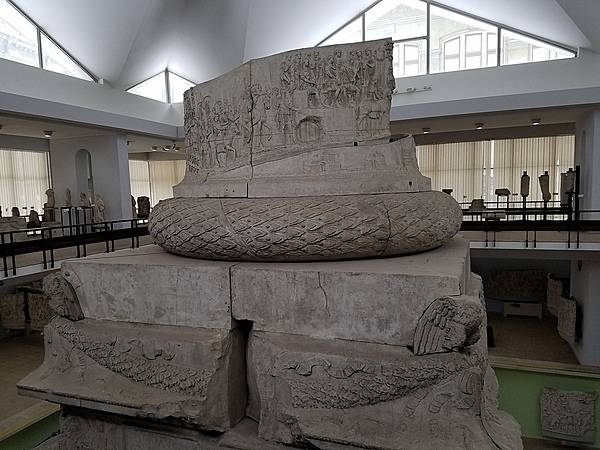
Cast of part of the base of Trajan's Column (the original stands in Rome) at the National Museum of Romanian History in Bucharest. The bas reliefs on Trajan's Column - which is about 30 m (98 ft) in height, 35 m (115 ft) including its large pedestal - depict the second century A.D. Roman conquest of Dacia, the area that today is Romania and Moldova.
Cast of part of the base of Trajan's Column (the original stands in Rome) at the National Museum of Romanian History in Bucharest. The bas reliefs on Trajan's Column - which is about 30 m (98 ft) in height, 35 m (115 ft) including its large pedestal - depict the second century A.D. Roman conquest of Dacia, the area that today is Romania and Moldova. • CIA World Factbook • 2020
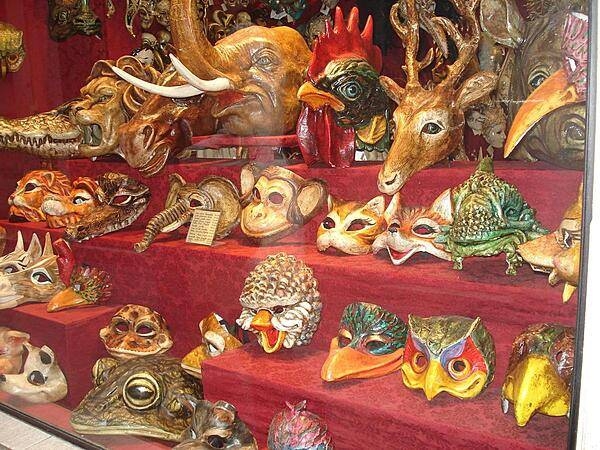
CIA World Factbook • 2020
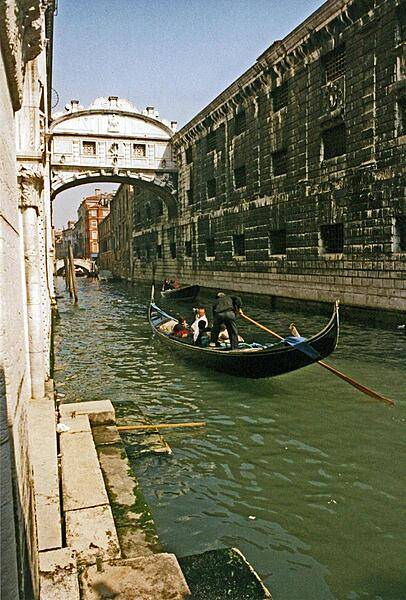
Gondola on a Venetian canal approaching the Bridge of Sighs.
Gondola on a Venetian canal approaching the Bridge of Sighs. • CIA World Factbook • 2020
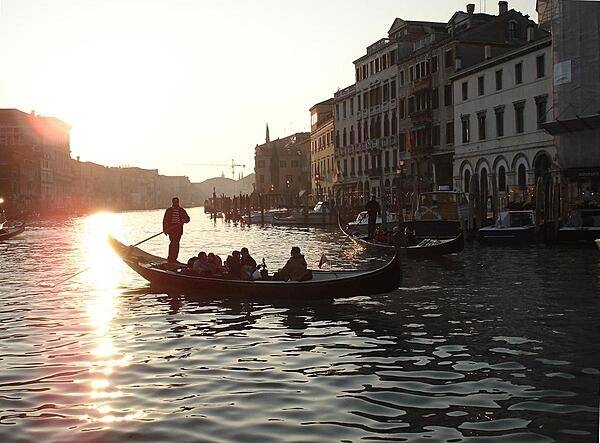
Gondolas on the Grand Canal. A gondola is a traditional flat-bottomed Venetian rowing boat, hand-made using eight different types of wood and composed of 280 pieces.
Gondolas on the Grand Canal. A gondola is a traditional flat-bottomed Venetian rowing boat, hand-made using eight different types of wood and composed of 280 pieces. • CIA World Factbook • 2020
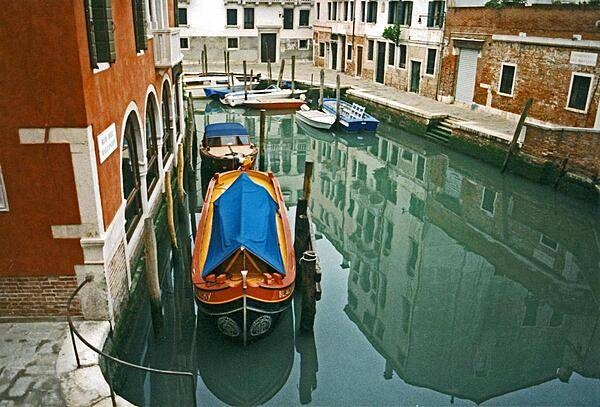
Moored boats along a quiet Venetian canal.
Moored boats along a quiet Venetian canal. • CIA World Factbook • 2020
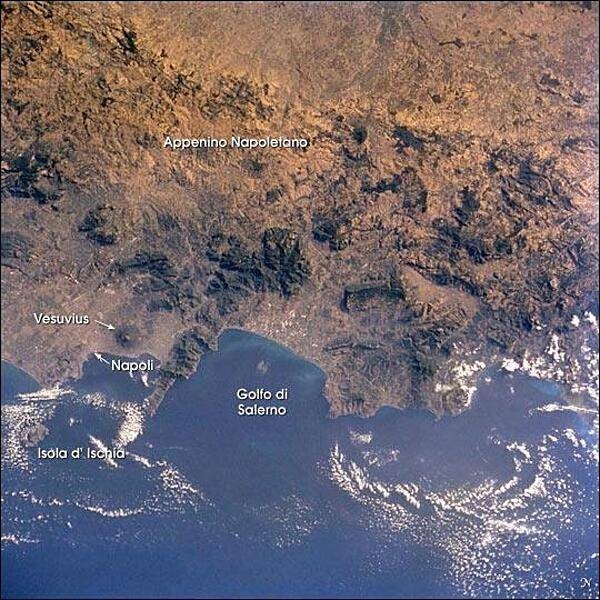
For more than 240 million years the region now known as Italy has been the scene of episodic volcanic activity. East-southeast of Napoli (Naples) stands the imposing cone of Vesuvius, which erupted explosively in A.D. 79 to bury Pompeii and Herculaneum. The Appenine ranges extend from northern Italy, down the boot of the peninsula and westward into Sicily. This photograph shows the Appenino Napoletano part of the mountain chain. Image courtesy of NASA.
For more than 240 million years the region now known as Italy has been the scene of episodic volcanic activity. East-southeast of Napoli (Naples) stands the imposing cone of Vesuvius, which erupted explosively in A.D. 79 to bury Pompeii and Herculaneum. The Appenine ranges extend from northern Italy, down the boot of the peninsula and westward into Sicily. This photograph shows the Appenino Napoletano part of the mountain chain. Image courtesy of NASA. • CIA World Factbook • 2020
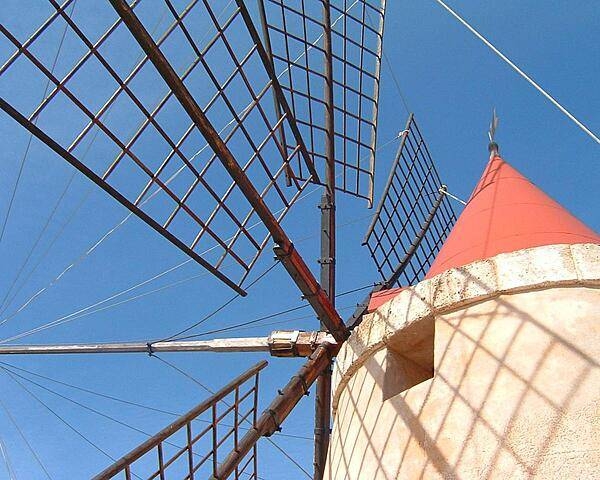
A Sicilian windmill.
A Sicilian windmill. • CIA World Factbook • 2020
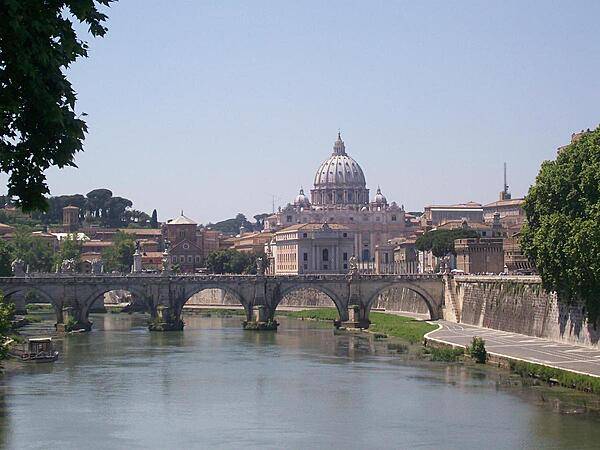
The Vittorio Emanuele Bridge over the Tiber River in Rome with Vatican City in the background. The bridge was completed in 1911.
The Vittorio Emanuele Bridge over the Tiber River in Rome with Vatican City in the background. The bridge was completed in 1911. • CIA World Factbook • 2020
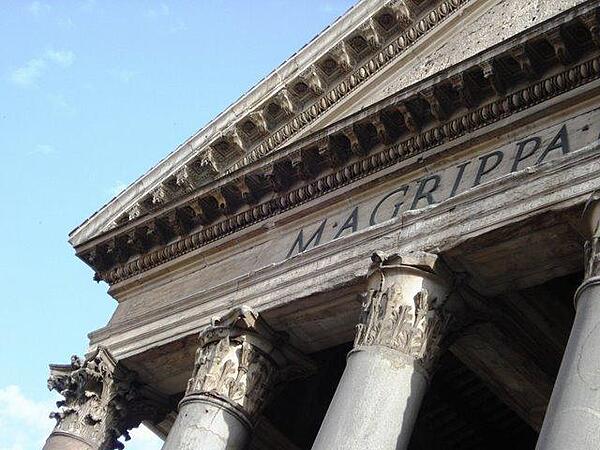
Part of the inscription on the facade of the Pantheon in Rome naming Marcus Agrippa as the builder. The structure was dedicated in 27 B.C. as a temple to all the gods.
Part of the inscription on the facade of the Pantheon in Rome naming Marcus Agrippa as the builder. The structure was dedicated in 27 B.C. as a temple to all the gods. • CIA World Factbook • 2020
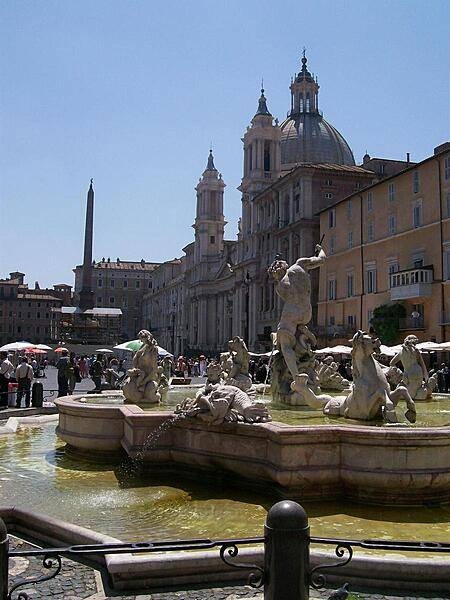
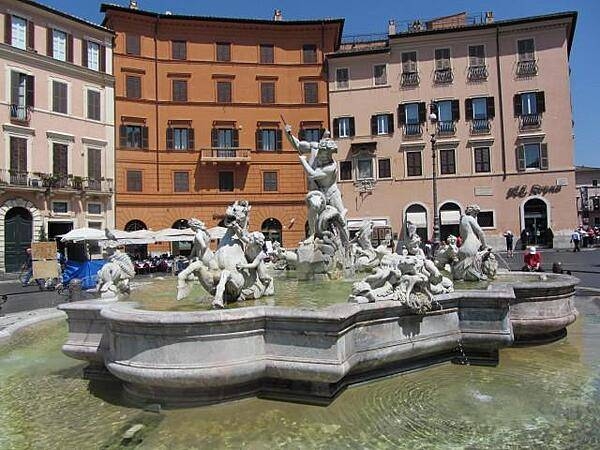
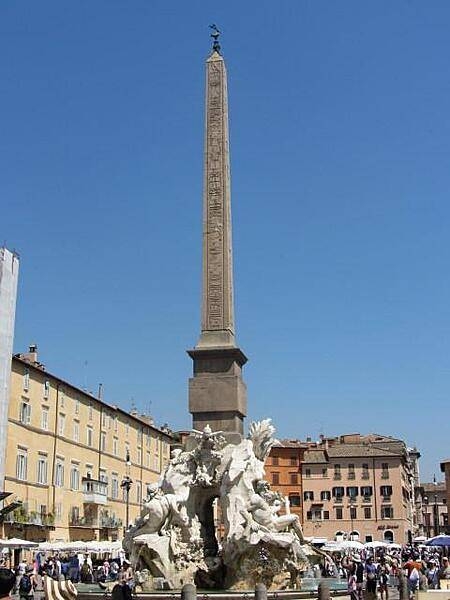
The Piazza Navona in Rome is surrounded by Baroque Era buildings and has been used for markets, theatrical shows, and horse races. Its Fountain of the Four Rivers was sculpted by Gian Lorenzo Bernini in 1651.
The Piazza Navona in Rome is surrounded by Baroque Era buildings and has been used for markets, theatrical shows, and horse races. Its Fountain of the Four Rivers was sculpted by Gian Lorenzo Bernini in 1651. • CIA World Factbook • 2020
CIA World Factbook • 2020
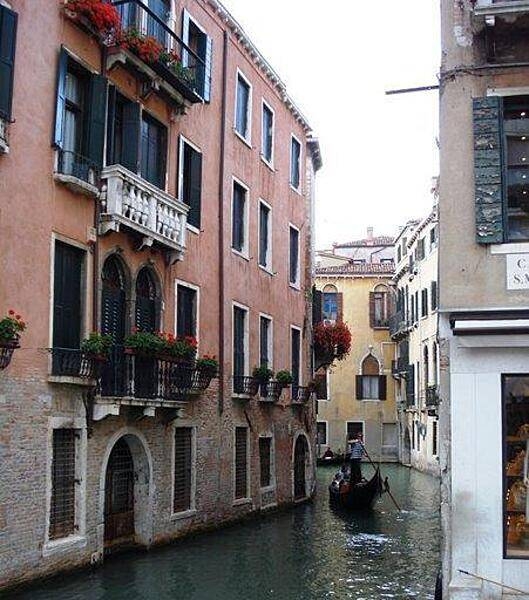
A gondola winds its way through a Venice canal.
A gondola winds its way through a Venice canal. • CIA World Factbook • 2020
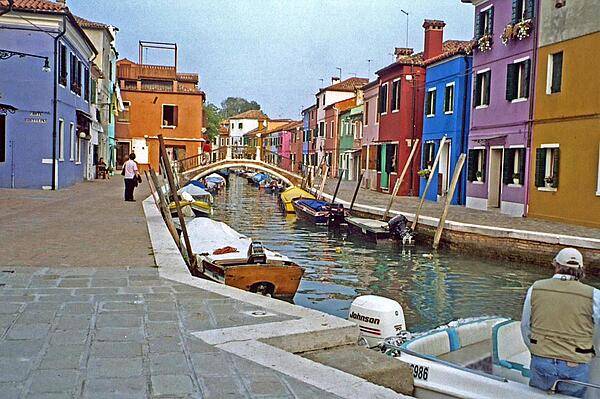
Colorfully painted houses on the island of Burano in Venice.
Colorfully painted houses on the island of Burano in Venice. • CIA World Factbook • 2020
CIA World Factbook • 2020
CIA World Factbook • 2020
CIA World Factbook • 2020
CIA World Factbook • 2020
CIA World Factbook • 2020
CIA World Factbook • 2020
CIA World Factbook • 2020
CIA World Factbook • 2020
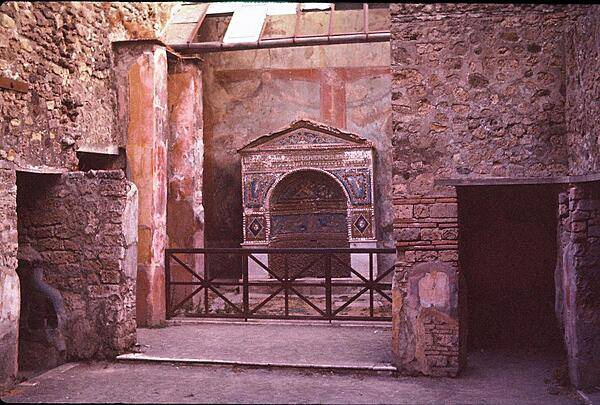
Part of a Roman home buried in Pompeii by the eruption of Mt. Vesuvius in A.D. 79. The ancient tragedy proved a boon for historians and archaeologists, since it provided a snapshot of Roman life from the 1st century.
Part of a Roman home buried in Pompeii by the eruption of Mt. Vesuvius in A.D. 79. The ancient tragedy proved a boon for historians and archaeologists, since it provided a snapshot of Roman life from the 1st century. • CIA World Factbook • 2020
CIA World Factbook • 2020
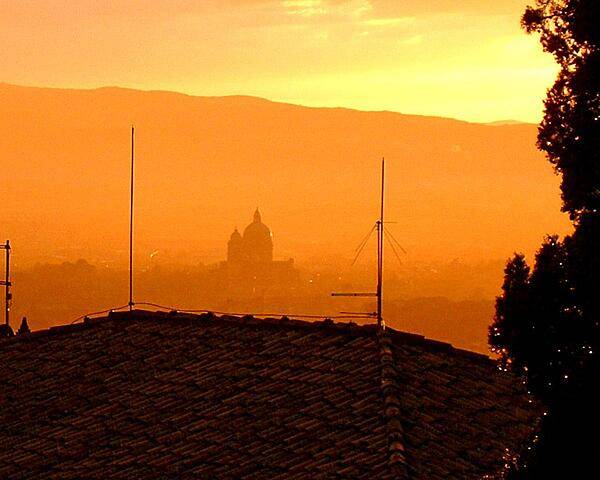
Dawn in Assisi reveals the dome of the Basilica of Santa Maria degli Angeli (St. Mary of the Angels).
Dawn in Assisi reveals the dome of the Basilica of Santa Maria degli Angeli (St. Mary of the Angels). • CIA World Factbook • 2020
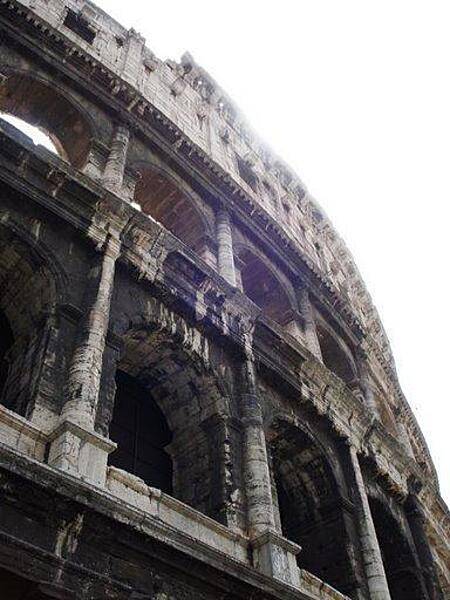
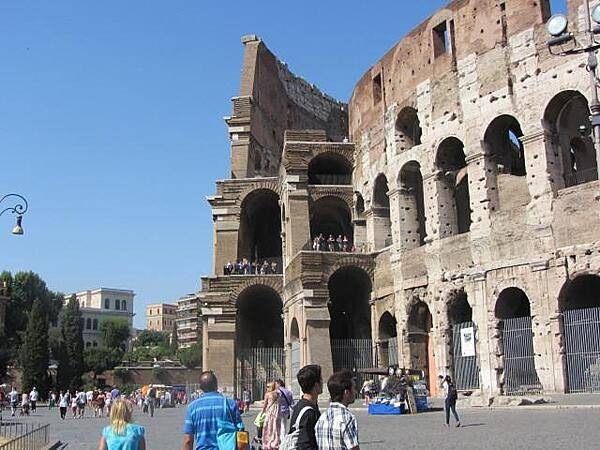
Close-up of some of the arches of the Roman Colosseum.
Close-up of some of the arches of the Roman Colosseum. • CIA World Factbook • 2020
CIA World Factbook • 2020
CIA World Factbook • 2020
CIA World Factbook • 2020
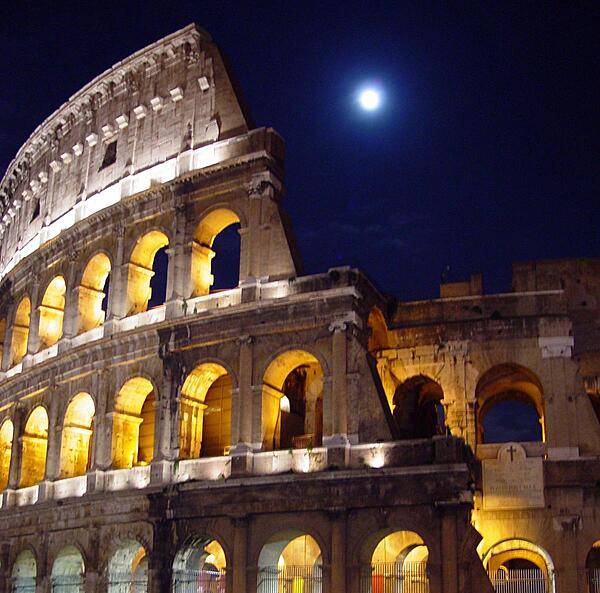
A nighttime view of the Roman Colosseum.
A nighttime view of the Roman Colosseum. • CIA World Factbook • 2020
CIA World Factbook • 2020
CIA World Factbook • 2020
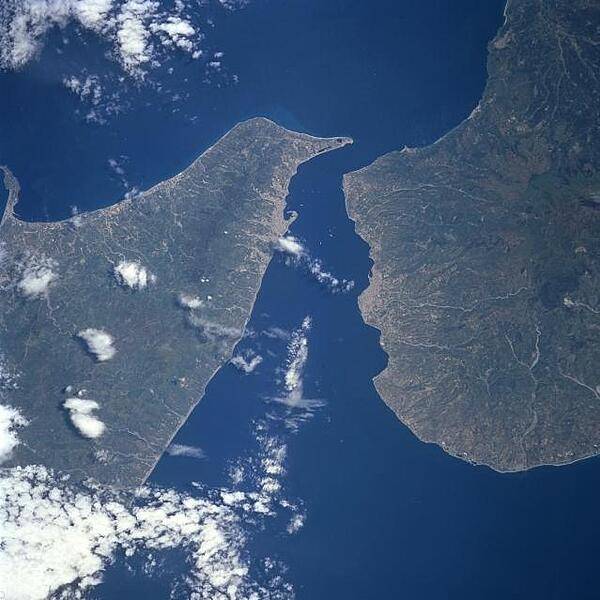
The Strait of Messina separates Sicily (left-west) from the mainland of Italy (right-east) and also provides a water passage, connecting the Tyrrhenian Sea with the Ionian Sea. The landscape on both sides of the strait is characterized by rugged mountainous terrain, short-flowing rivers, and clustered urban areas along the narrow coastline. The concentration of lighter colored areas along the shoreline identifies the location of Messina (Sicily) and Reggio di Calabria (Italy). Image courtesy of NASA.
The Strait of Messina separates Sicily (left-west) from the mainland of Italy (right-east) and also provides a water passage, connecting the Tyrrhenian Sea with the Ionian Sea. The landscape on both sides of the strait is characterized by rugged mountainous terrain, short-flowing rivers, and clustered urban areas along the narrow coastline. The concentration of lighter colored areas along the shoreline identifies the location of Messina (Sicily) and Reggio di Calabria (Italy). Image courtesy of NASA. • CIA World Factbook • 2020
CIA World Factbook • 2020
CIA World Factbook • 2020
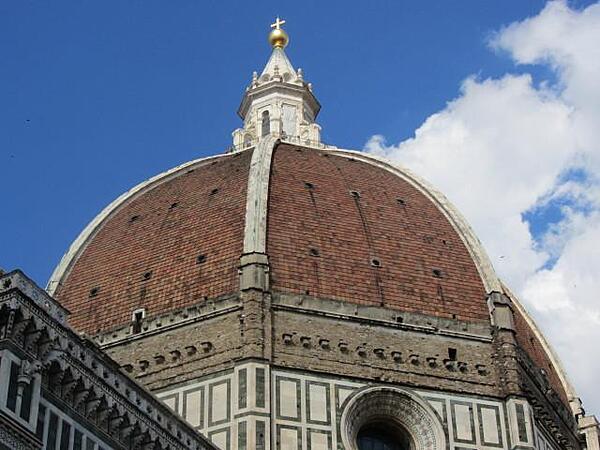
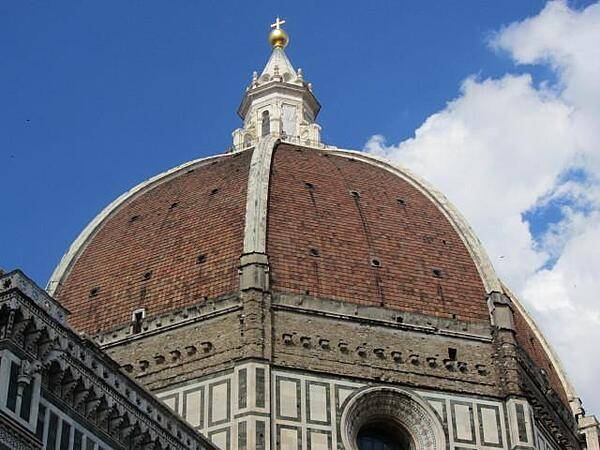
The dome of the Basilica di Santa Maria del Fiore (Basilica of St. Mary of the Flower), also referred to as the Duomo (Cathedral), in Florence. Work on the Duomo began in 1296. The dome, designed by Filippo Brunelleschi, was built between 1420 and 1436.
The dome of the Basilica di Santa Maria del Fiore (Basilica of St. Mary of the Flower), also referred to as the Duomo (Cathedral), in Florence. Work on the Duomo began in 1296. The dome, designed by Filippo Brunelleschi, was built between 1420 and 1436. • CIA World Factbook • 2020
CIA World Factbook • 2020
CIA World Factbook • 2020
CIA World Factbook • 2020
CIA World Factbook • 2020
CIA World Factbook • 2020
CIA World Factbook • 2020
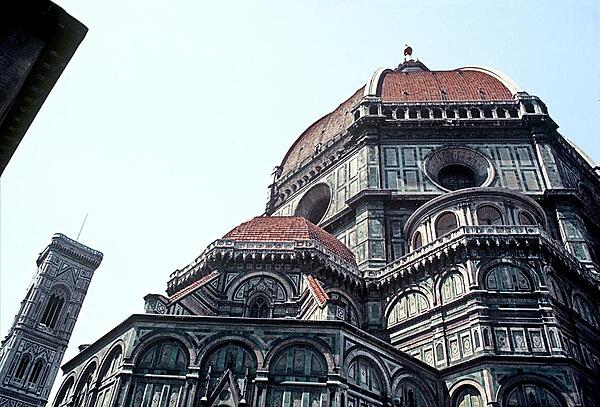
A look up at the dome of the Basilica di Santa Maria del Fiore (Basilica of Saint Mary of the Flower) in Florence. Until modern times the dome - engineered by Brunelleschi - was the largest in the world. It remains the largest brick dome ever constructed. The campanile - designed by Giotto - appears on the left.
A look up at the dome of the Basilica di Santa Maria del Fiore (Basilica of Saint Mary of the Flower) in Florence. Until modern times the dome - engineered by Brunelleschi - was the largest in the world. It remains the largest brick dome ever constructed. The campanile - designed by Giotto - appears on the left. • CIA World Factbook • 2020
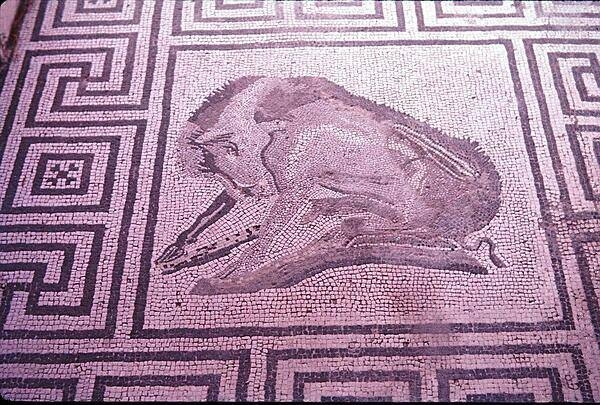
Floor mosaic in Pompeii, the Roman town buried in the eruption of Mt. Vesuvius in A.D. 79. Pompeii is a short distance from the Gulf of Naples and is a UNESCO World Heritage Site.
Floor mosaic in Pompeii, the Roman town buried in the eruption of Mt. Vesuvius in A.D. 79. Pompeii is a short distance from the Gulf of Naples and is a UNESCO World Heritage Site. • CIA World Factbook • 2020
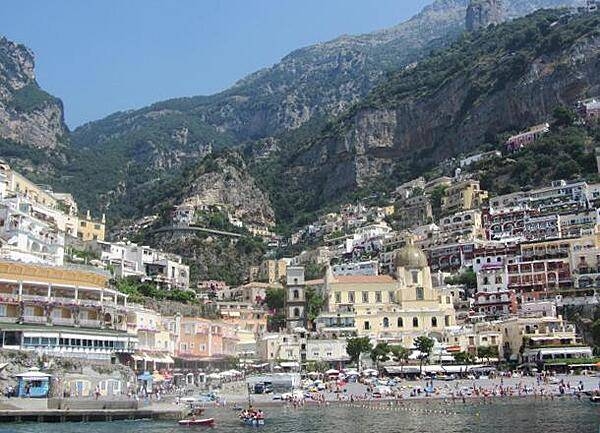
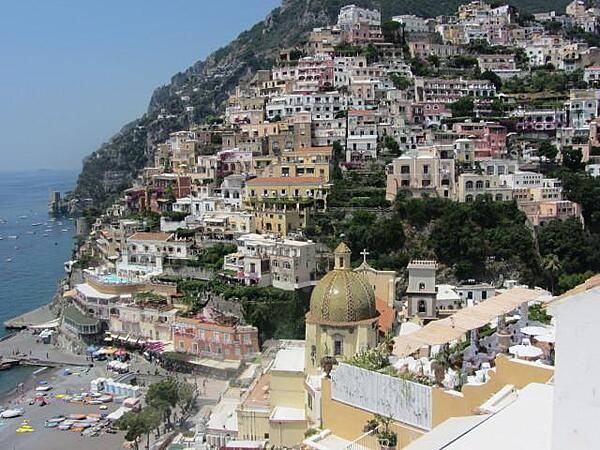
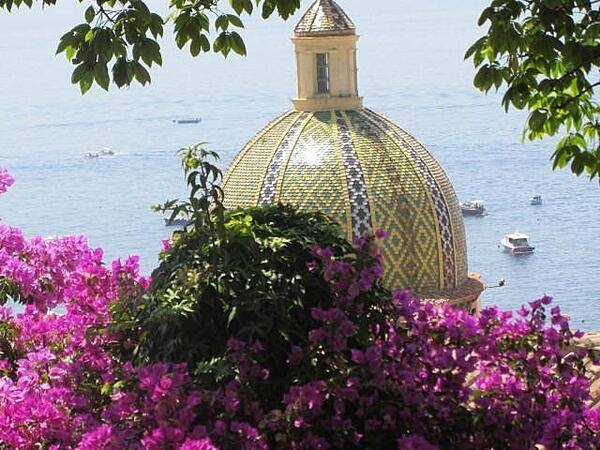
This view show the city of Positano built vertically on the face of a cliff on the rugged Amalfi Coast. In the foreground is the church Our Lady of the Assumption (Santa Maria Assunta) with its gleaming ceramic dome.
This view show the city of Positano built vertically on the face of a cliff on the rugged Amalfi Coast. In the foreground is the church Our Lady of the Assumption (Santa Maria Assunta) with its gleaming ceramic dome. • CIA World Factbook • 2020
CIA World Factbook • 2020
CIA World Factbook • 2020
CIA World Factbook • 2020
CIA World Factbook • 2020
CIA World Factbook • 2020
CIA World Factbook • 2020
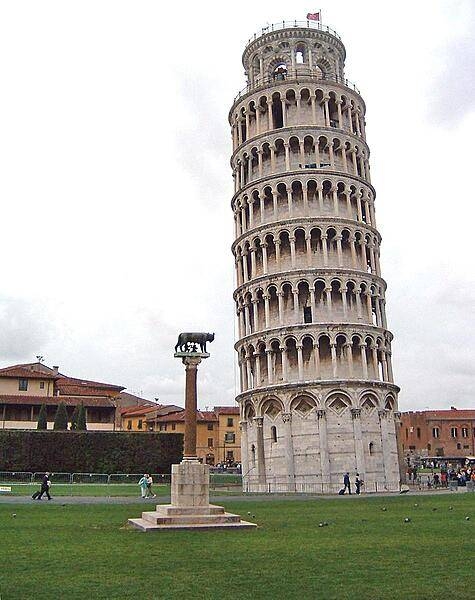
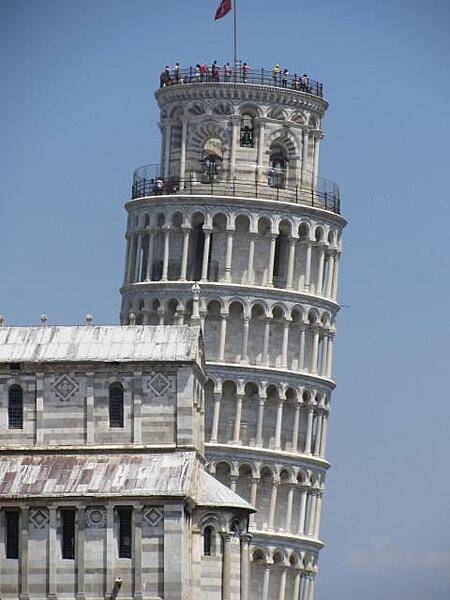
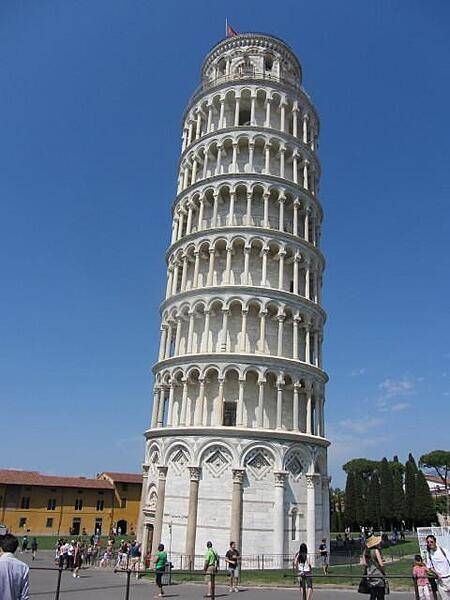
The famous Leaning Tower at Pisa. A statue of the legendary founders of Rome, Romulus and Remus, being suckled by a she-wolf appears in the foreground.
The famous Leaning Tower at Pisa. A statue of the legendary founders of Rome, Romulus and Remus, being suckled by a she-wolf appears in the foreground. • CIA World Factbook • 2020
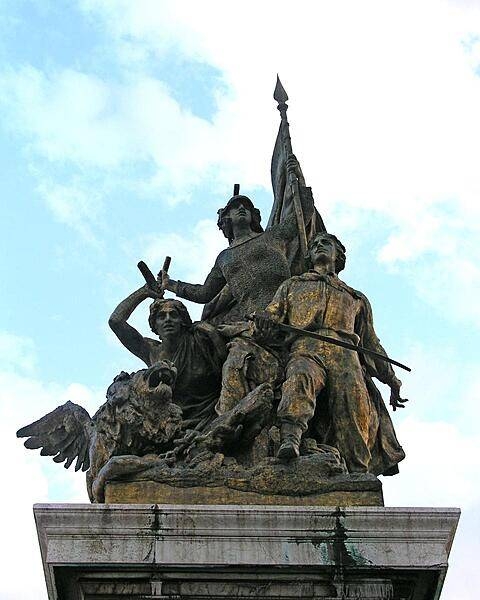
One of the alegorical statues at the foot of the Monumento Nazionale a Vittorio Emanuele II (National Monument of Victor Emmanuel II) in Rome. Victor Emmanuel was the first king of a unified Italy, ruling from 1861-1878.
One of the alegorical statues at the foot of the Monumento Nazionale a Vittorio Emanuele II (National Monument of Victor Emmanuel II) in Rome. Victor Emmanuel was the first king of a unified Italy, ruling from 1861-1878. • CIA World Factbook • 2020
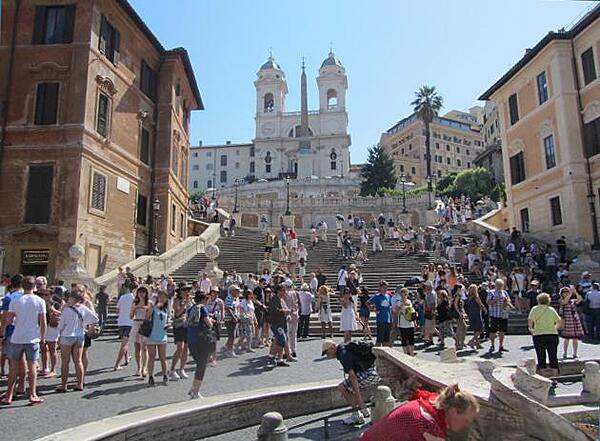
The Spanish Steps in the Plaza di Spagna in Rome. The steps were built with a legacy from France in 1725 and lead to a French church, Trinita del Monti.
The Spanish Steps in the Plaza di Spagna in Rome. The steps were built with a legacy from France in 1725 and lead to a French church, Trinita del Monti. • CIA World Factbook • 2020
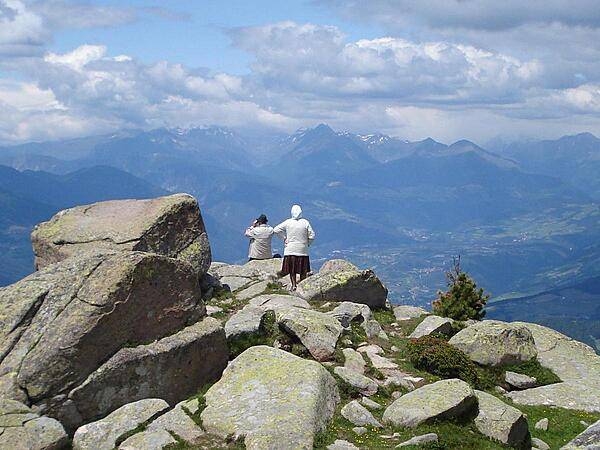
CIA World Factbook • 2020
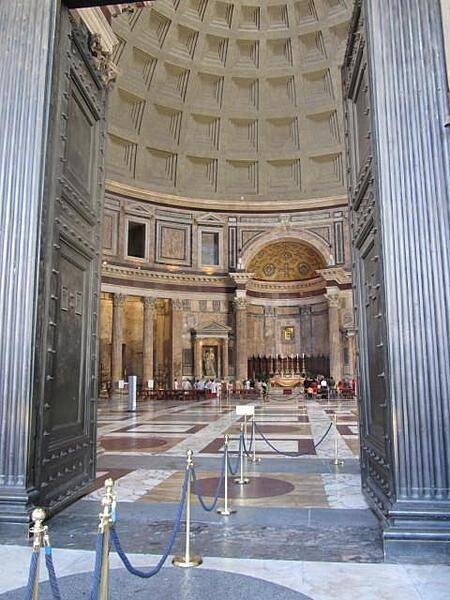
CIA World Factbook • 2020
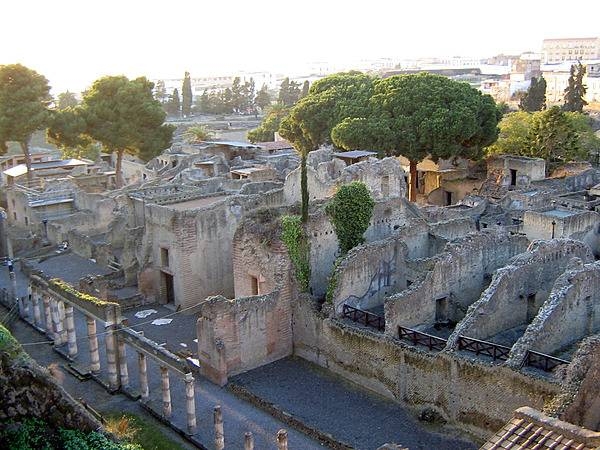
A view of some of the remarkably well-preserved buildings in Herculaneum.
A view of some of the remarkably well-preserved buildings in Herculaneum. • CIA World Factbook • 2020
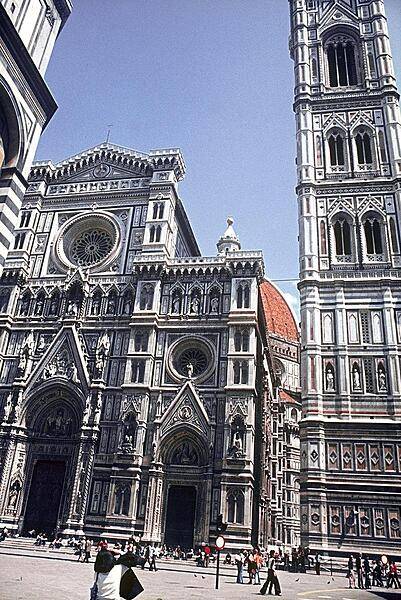
The facade of the Basilica di Santa Maria del Fiore (Saint Mary of the Flowers) in Florence. Begun in 1296, the magnificent structure was not finished until 1436. The entire cathedral complex consists of the church itself, the free-standing campanile (bell tower), and the Baptistery, which stands across the square (portion seen in upper left).
The facade of the Basilica di Santa Maria del Fiore (Saint Mary of the Flowers) in Florence. Begun in 1296, the magnificent structure was not finished until 1436. The entire cathedral complex consists of the church itself, the free-standing campanile (bell tower), and the Baptistery, which stands across the square (portion seen in upper left). • CIA World Factbook • 2020
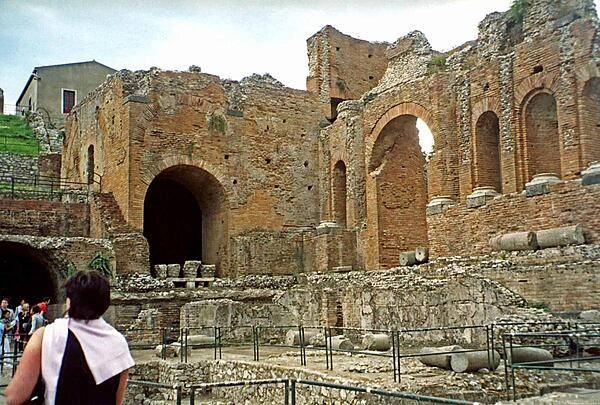
The Greek Theater at Taormina on the east coast of Sicily.
The Greek Theater at Taormina on the east coast of Sicily. • CIA World Factbook • 2020
CIA World Factbook • 2020
CIA World Factbook • 2020
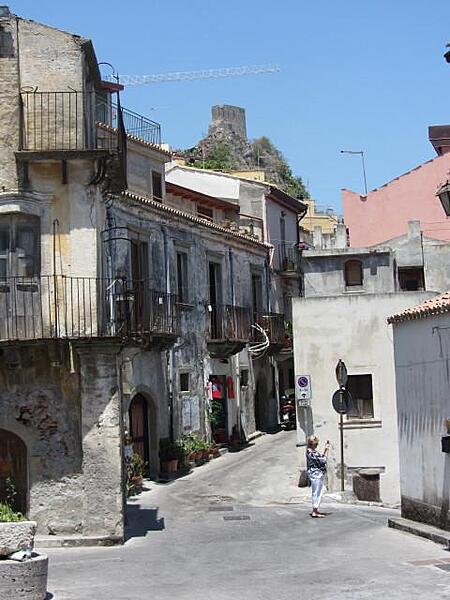
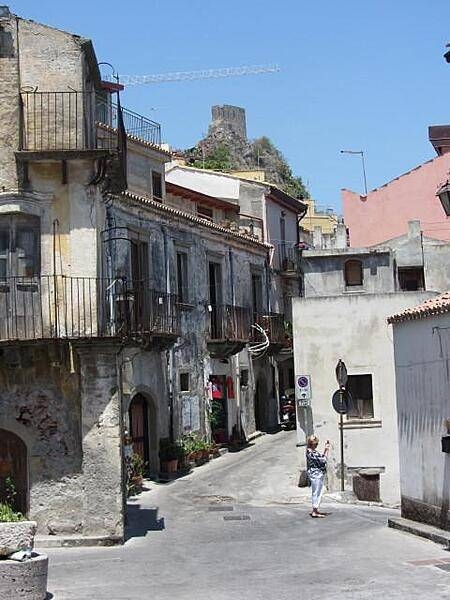
Street scene in Savoca with an Arab watch tower in the background.
Street scene in Savoca with an Arab watch tower in the background. • CIA World Factbook • 2020
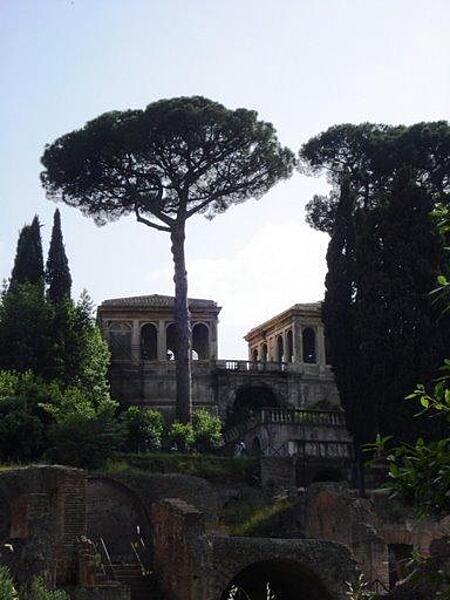
A view of the Forum in Rome.
A view of the Forum in Rome. • CIA World Factbook • 2020
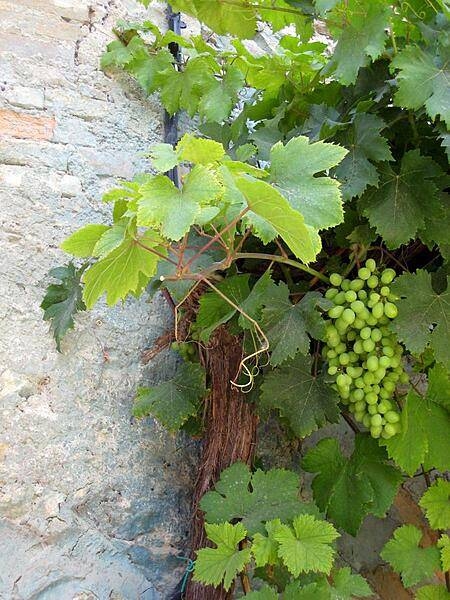
A grapevine at a vineyard in the town of San Giovanni.
A grapevine at a vineyard in the town of San Giovanni. • CIA World Factbook • 2020
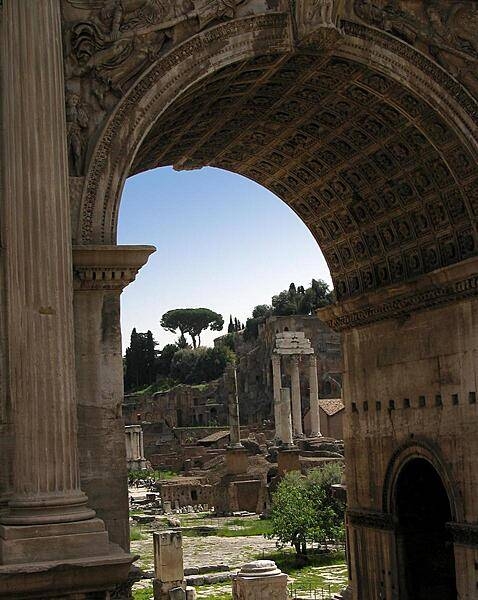
The Roman Forum and Palatine Hill as seen through the Arch of Septimius Severus in Rome. The Arch was constructed in A.D. 203.
The Roman Forum and Palatine Hill as seen through the Arch of Septimius Severus in Rome. The Arch was constructed in A.D. 203. • CIA World Factbook • 2020
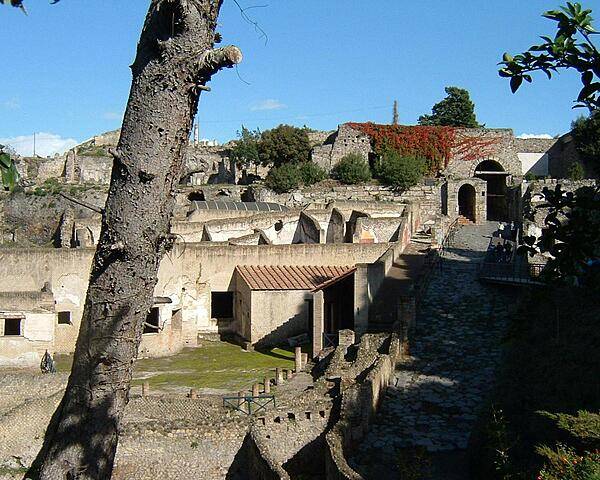
A view of some of the ruins at Pompeii, buried in the eruption of Mt. Vesuvius in A.D. 79 and not rediscovered until the 18th century.
A view of some of the ruins at Pompeii, buried in the eruption of Mt. Vesuvius in A.D. 79 and not rediscovered until the 18th century. • CIA World Factbook • 2020
CIA World Factbook • 2020
CIA World Factbook • 2020
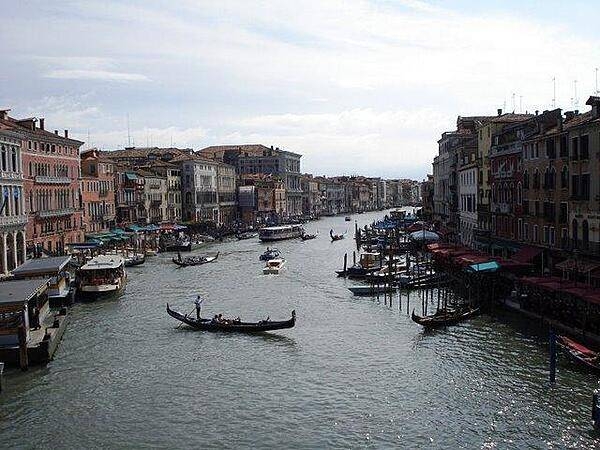
The Grand Canal, one of the major water-traffic corridors in Venice, as seen from the Rialto Bridge.
The Grand Canal, one of the major water-traffic corridors in Venice, as seen from the Rialto Bridge. • CIA World Factbook • 2020
CIA World Factbook • 2020
CIA World Factbook • 2020
CIA World Factbook • 2020
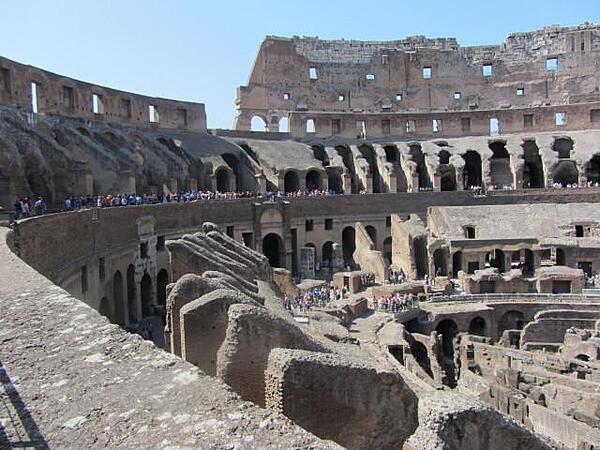
The Colosseum in Rome had seating for 50,000 spectators. Most of the stones used for construction of the building were taken by citizens of Rome in the Middle Ages for construction of other buildings in the city. The upper level of the Colosseum had supports for 240 masts that held up a canvas awning to shield spectators from sun and rain.
The Colosseum in Rome had seating for 50,000 spectators. Most of the stones used for construction of the building were taken by citizens of Rome in the Middle Ages for construction of other buildings in the city. The upper level of the Colosseum had supports for 240 masts that held up a canvas awning to shield spectators from sun and rain. • CIA World Factbook • 2020
CIA World Factbook • 2020
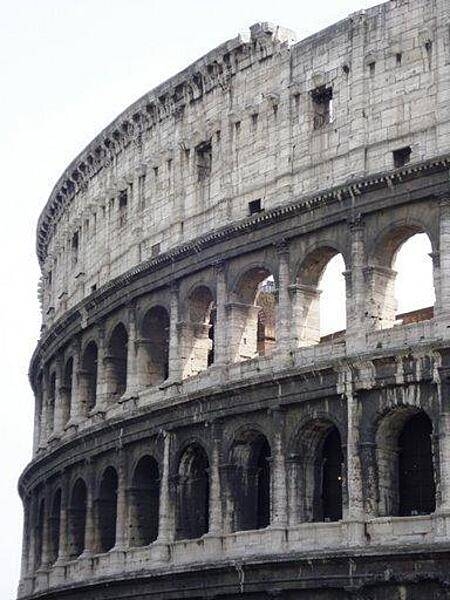
A view of the upper portions of the Roman Colosseum showing many of its arches.
A view of the upper portions of the Roman Colosseum showing many of its arches. • CIA World Factbook • 2020
CIA World Factbook • 2020
CIA World Factbook • 2020
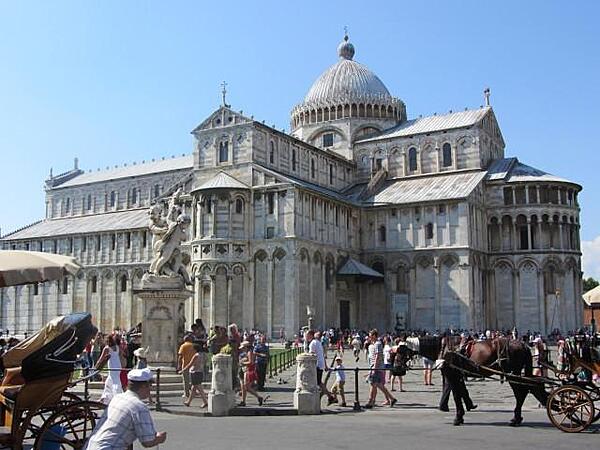
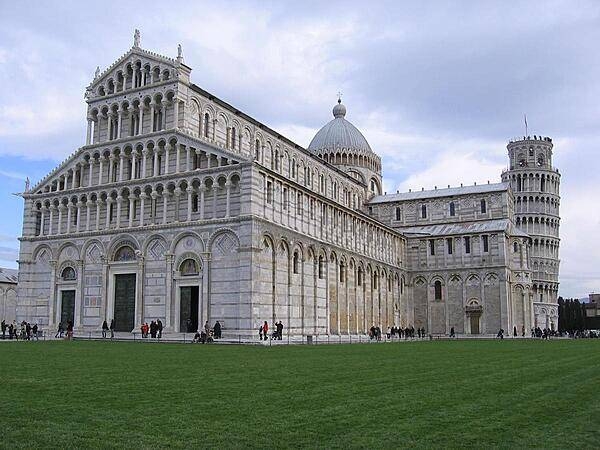
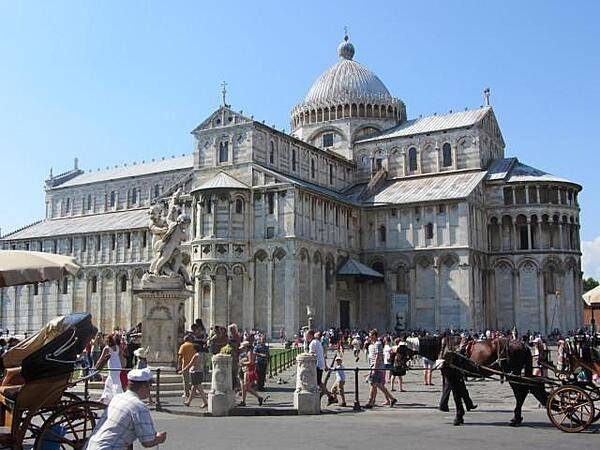
Side view of the Cathedral of Santa Maria of the Assumption in Cathedral Plaza in Pisa. It was built in Pisan Romanesque style by the master Rainaldo using gray marble and white stone.
Side view of the Cathedral of Santa Maria of the Assumption in Cathedral Plaza in Pisa. It was built in Pisan Romanesque style by the master Rainaldo using gray marble and white stone. • CIA World Factbook • 2020
CIA World Factbook • 2020
CIA World Factbook • 2020
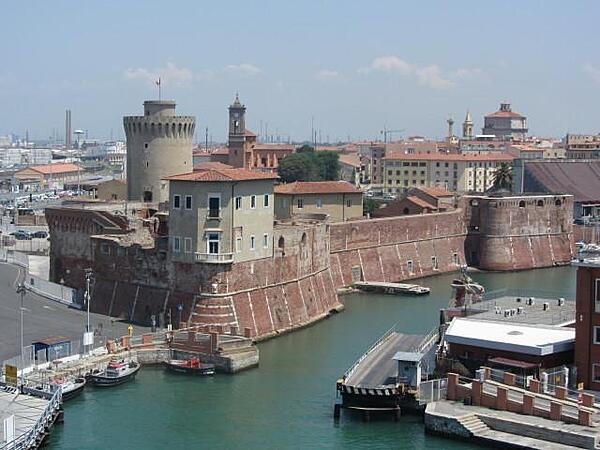
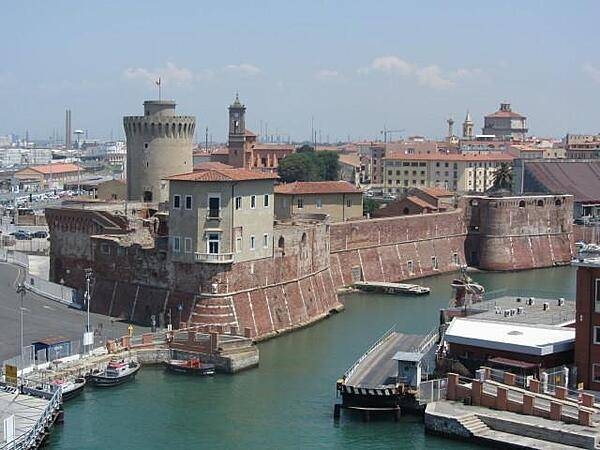
Fortrezza Nuova at the harbor in Livorno, on the west coast of Tuscany. The fortress was built for the Medici family in the late 16th Century.
Fortrezza Nuova at the harbor in Livorno, on the west coast of Tuscany. The fortress was built for the Medici family in the late 16th Century. • CIA World Factbook • 2020
CIA World Factbook • 2020
CIA World Factbook • 2020
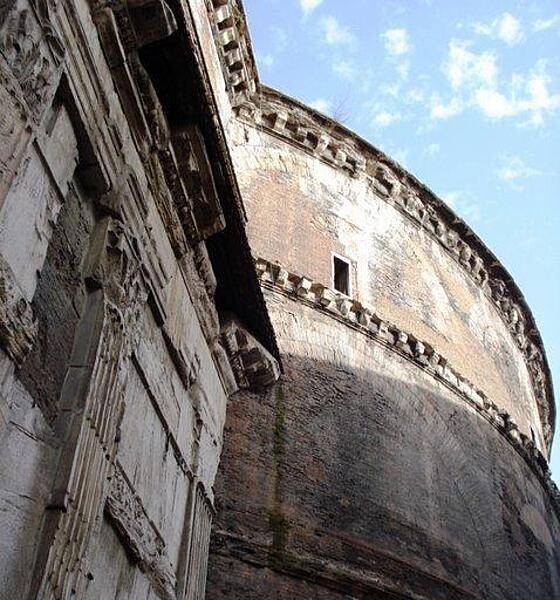
A close-up of the Pantheon in Rome.
A close-up of the Pantheon in Rome. • CIA World Factbook • 2020
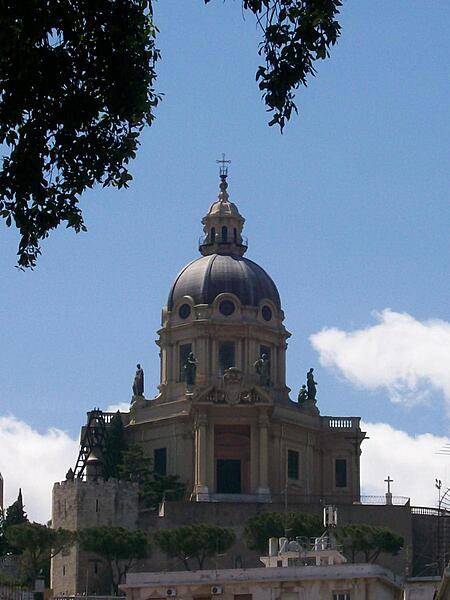
The Santuario di Cristo Re (Sanctuary of Christ the King) in Messina, Sicily was built in 1937 after previous constructions on the same site were destroyed by two earthquakes. The edifice has a commanding view of the city and the port.
The Santuario di Cristo Re (Sanctuary of Christ the King) in Messina, Sicily was built in 1937 after previous constructions on the same site were destroyed by two earthquakes. The edifice has a commanding view of the city and the port. • CIA World Factbook • 2020
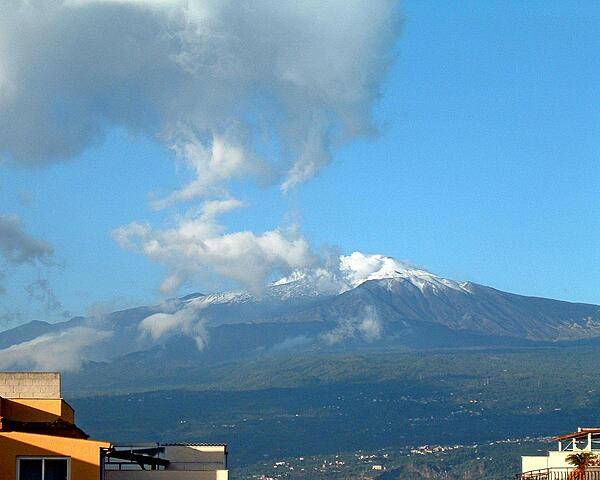
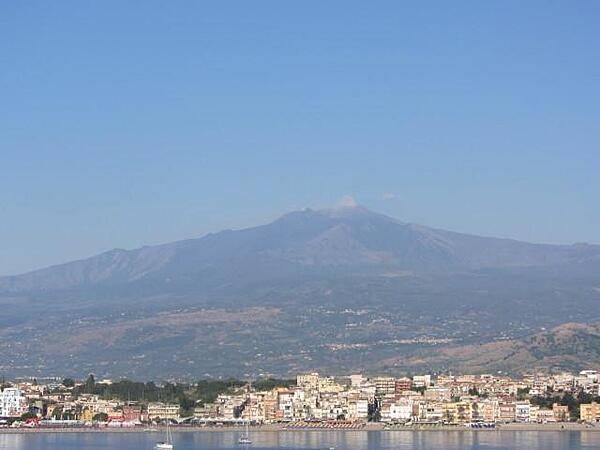
Mt. Etna, the largest active volcano in Europe, looms over rooftops on the island of Sicily.
Mt. Etna, the largest active volcano in Europe, looms over rooftops on the island of Sicily. • CIA World Factbook • 2020
CIA World Factbook • 2020
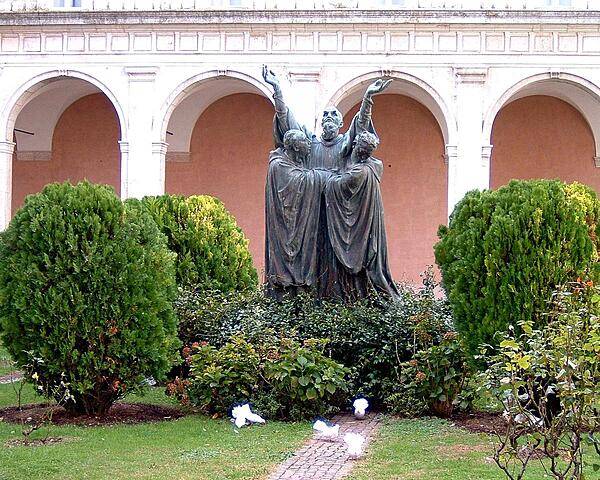
Statue of St. Benedict at the Abbey of Monte Cassino, about 130 km (80 mi) southeast of Rome. Benedict established his first monastery here in about 529; it became the source for the Benedictine Order.
Statue of St. Benedict at the Abbey of Monte Cassino, about 130 km (80 mi) southeast of Rome. Benedict established his first monastery here in about 529; it became the source for the Benedictine Order. • CIA World Factbook • 2020
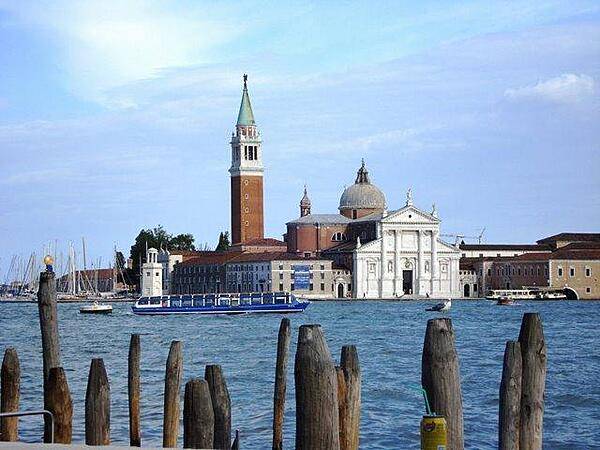
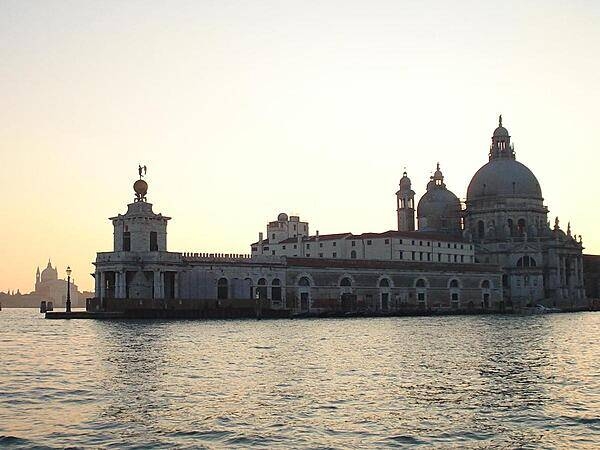
The Basilica of San Giorgio Maggiore (St. George the Great) on the eponymous island in Venice.
The Basilica of San Giorgio Maggiore (St. George the Great) on the eponymous island in Venice. • CIA World Factbook • 2020
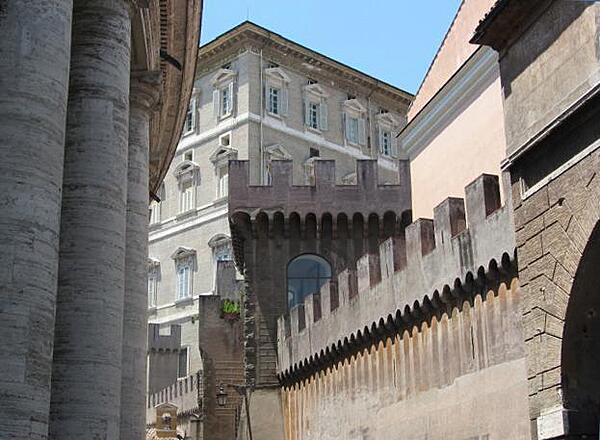
The Papal Apartment occupies the top floor of the Apostolic Palace. The two right windows facing front are the study and bedroom of the pope. Sundays at noon, the pope usually appears at the second window from the right to pray the Angelus and to bless the crowd in Saint Peter's Square.
The Papal Apartment occupies the top floor of the Apostolic Palace. The two right windows facing front are the study and bedroom of the pope. Sundays at noon, the pope usually appears at the second window from the right to pray the Angelus and to bless the crowd in Saint Peter's Square. • CIA World Factbook • 2020
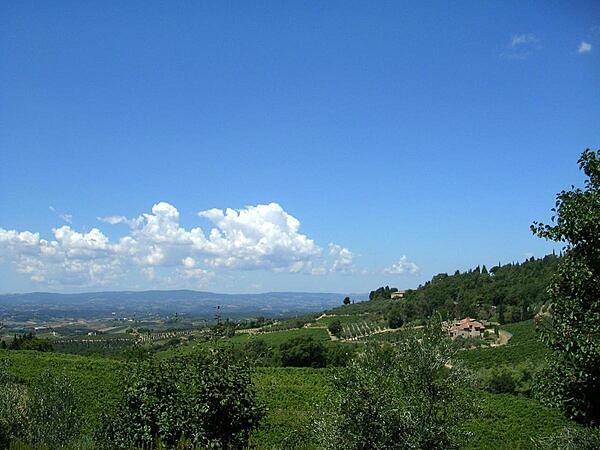
A view of a vineyard in Tuscany.
A view of a vineyard in Tuscany. • CIA World Factbook • 2020
CIA World Factbook • 2020
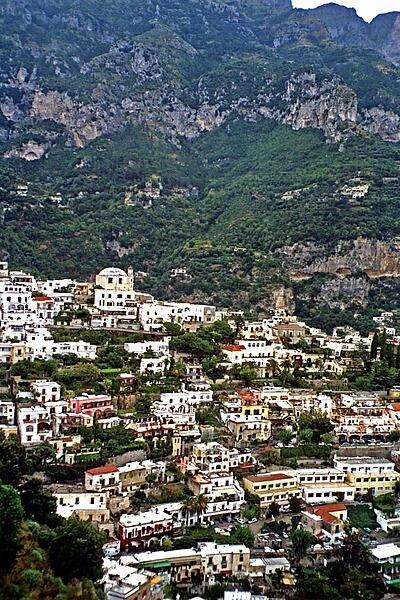
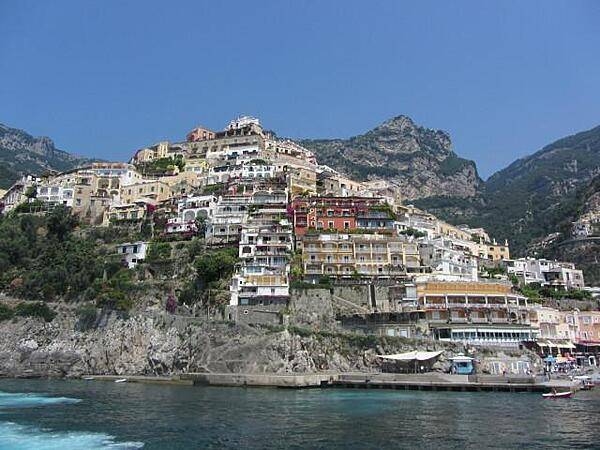
Positano is a small, picturesque town on the Amalfi coast. In the 16th and 17th centuries, at the peak of its importance, it was the main port of the Amalfi Republic, but by the first half of the 20th century, it was a poor fishing village. In the 1950s, it emerged as a tourist attraction.
Positano is a small, picturesque town on the Amalfi coast. In the 16th and 17th centuries, at the peak of its importance, it was the main port of the Amalfi Republic, but by the first half of the 20th century, it was a poor fishing village. In the 1950s, it emerged as a tourist attraction. • CIA World Factbook • 2020
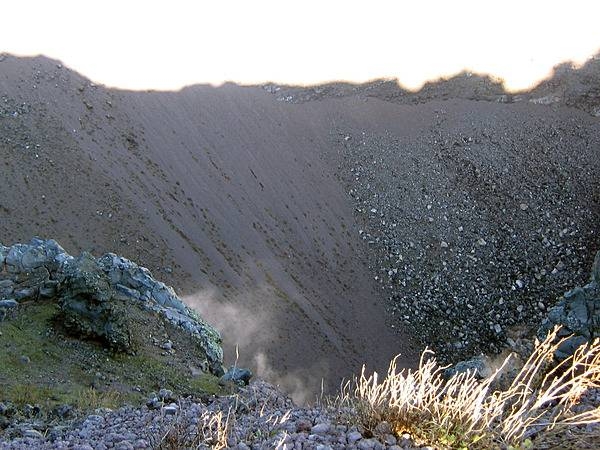
Inside the caldera on Mount Vesuvius.
Inside the caldera on Mount Vesuvius. • CIA World Factbook • 2020
CIA World Factbook • 2020
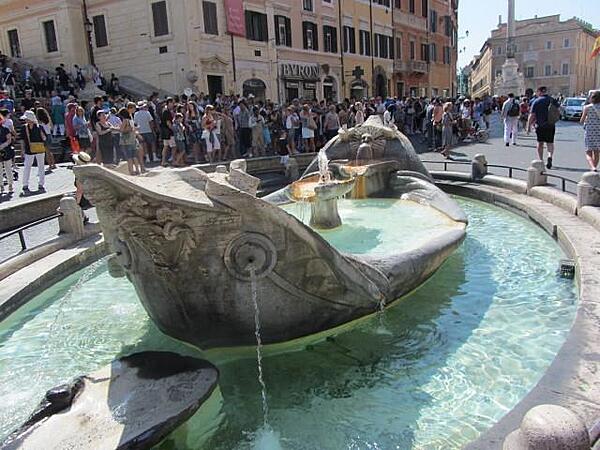
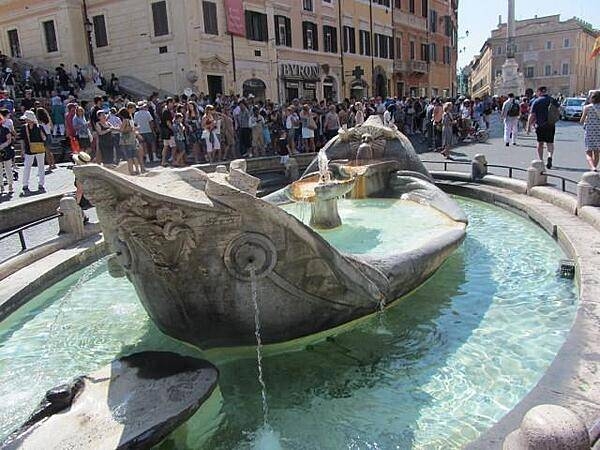
Fountain of a sinking boat in the Plaza di Spagna in Rome close to the Spanish Steps. The fountain is believed to be by Pietro Bernini.
Fountain of a sinking boat in the Plaza di Spagna in Rome close to the Spanish Steps. The fountain is believed to be by Pietro Bernini. • CIA World Factbook • 2020
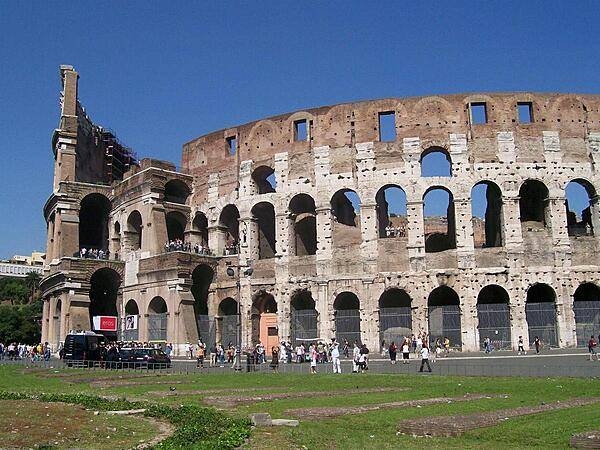
The Colosseum ruins from the outside in Rome. Despite its run-down state, the building remains an iconic symbol of Imperial Rome and is one of the most popular tourist attractions in the world.
The Colosseum ruins from the outside in Rome. Despite its run-down state, the building remains an iconic symbol of Imperial Rome and is one of the most popular tourist attractions in the world. • CIA World Factbook • 2020
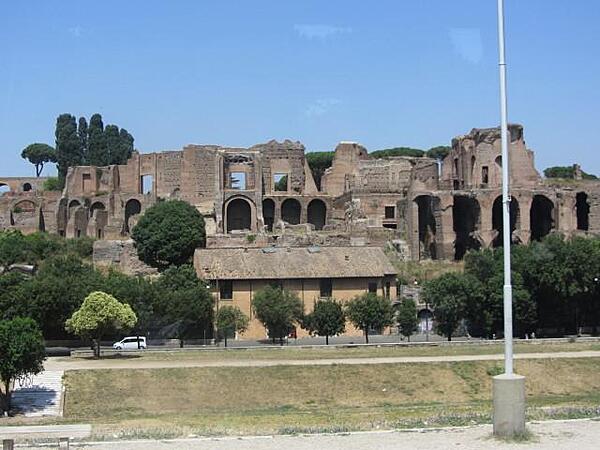
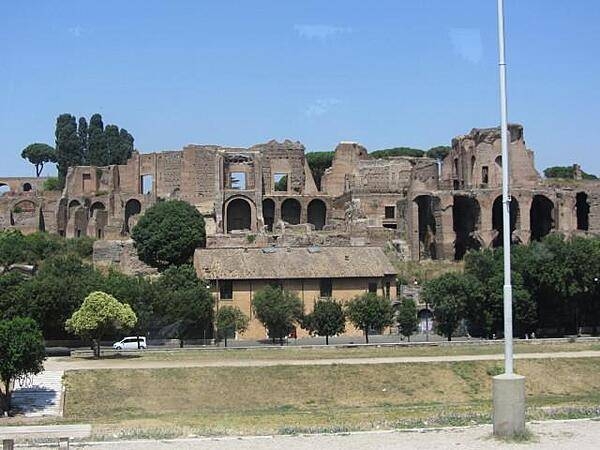
Ruins of a Roman building in Rome.
Ruins of a Roman building in Rome. • CIA World Factbook • 2020
CIA World Factbook • 2020
CIA World Factbook • 2020
CIA World Factbook • 2020
CIA World Factbook • 2020
CIA World Factbook • 2020
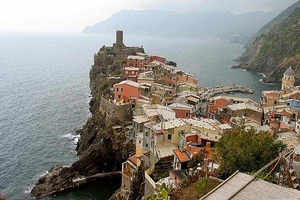
The town of Vernazza on the Italian Riviera is part of the Cinque Terre National Park (a World Heritage Site) established in 1999; which consists of five picturesque villages reached only by hiking trail, train, or ferry.
The town of Vernazza on the Italian Riviera is part of the Cinque Terre National Park (a World Heritage Site) established in 1999; which consists of five picturesque villages reached only by hiking trail, train, or ferry. • CIA World Factbook • 2020
CIA World Factbook • 2020
CIA World Factbook • 2020
CIA World Factbook • 2020
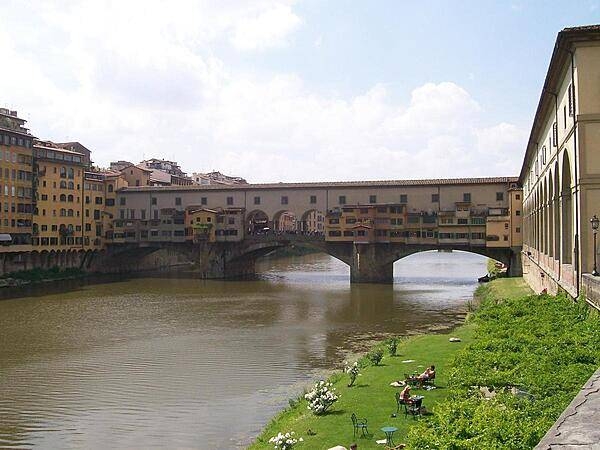
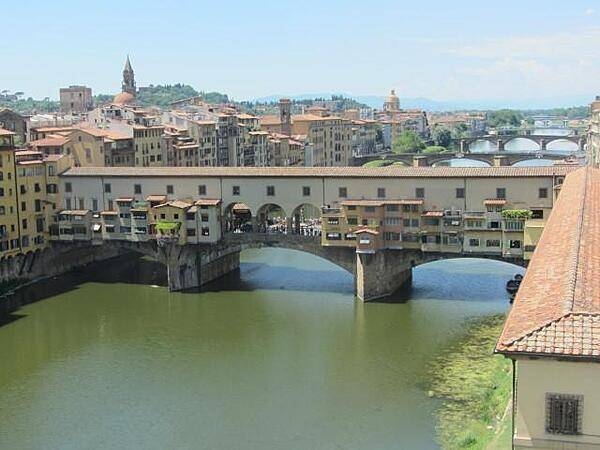
The Ponte Vecchio (Old Bridge) spans the Arno River in Florence; since Medieval times it has hosted shops and merchants along its length.
The Ponte Vecchio (Old Bridge) spans the Arno River in Florence; since Medieval times it has hosted shops and merchants along its length. • CIA World Factbook • 2020
CIA World Factbook • 2020
CIA World Factbook • 2020
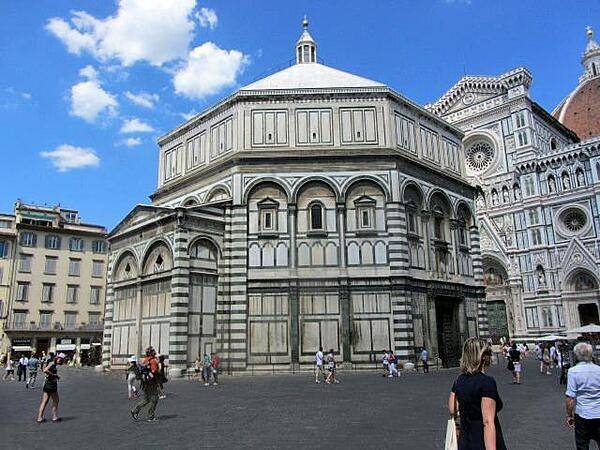
The Battistero di San Giovanni (Baptistry of St. John) in front of the Duomo (Cathedral) in Florence is one of the oldest buildings in the city. Its construction dates to between 1059 and 1128.
The Battistero di San Giovanni (Baptistry of St. John) in front of the Duomo (Cathedral) in Florence is one of the oldest buildings in the city. Its construction dates to between 1059 and 1128. • CIA World Factbook • 2020
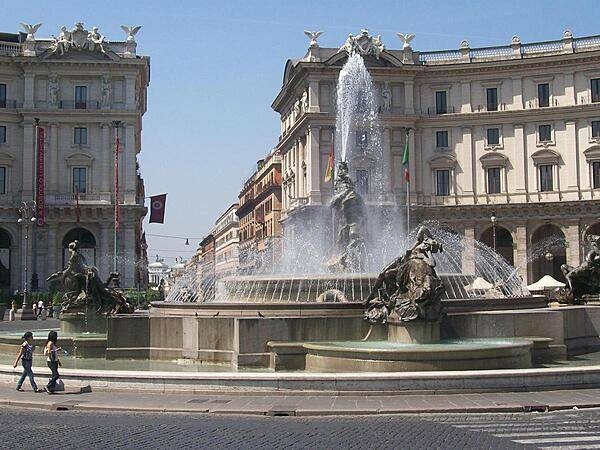
Piazza della Republica (Plaza of the Republic) looking down Via Nazionale in Rome. The Fountain of the Naiads was construced in 1901.
Piazza della Republica (Plaza of the Republic) looking down Via Nazionale in Rome. The Fountain of the Naiads was construced in 1901. • CIA World Factbook • 2020
CIA World Factbook • 2020
CIA World Factbook • 2020
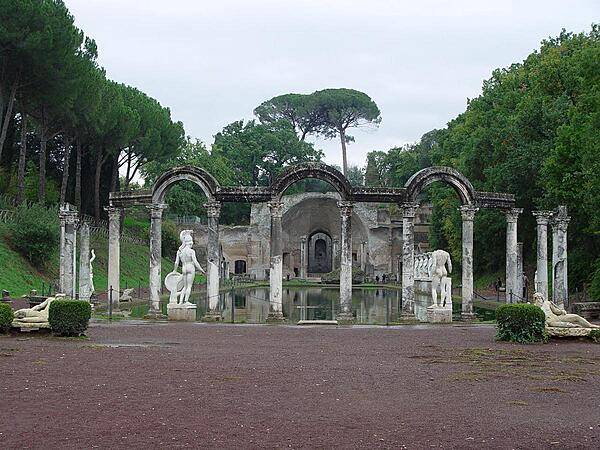
A view of Canopus, a sanctuary to the god Serapis, located in Tivoli at the Villa of Emperor Hadrian (also known as Villa Adriana). The villa complex was created as a retreat for the emperor.
A view of Canopus, a sanctuary to the god Serapis, located in Tivoli at the Villa of Emperor Hadrian (also known as Villa Adriana). The villa complex was created as a retreat for the emperor. • CIA World Factbook • 2020
CIA World Factbook • 2020
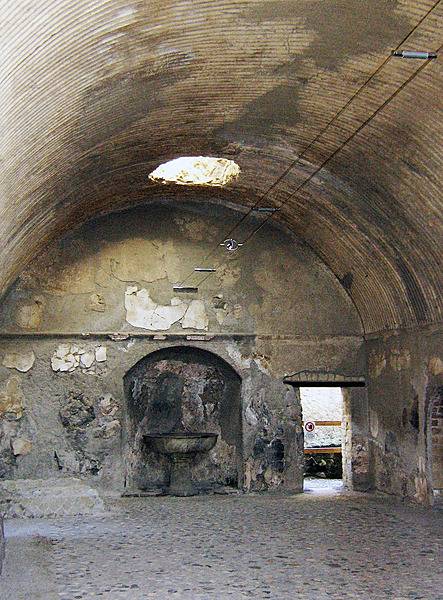
The interior of a Roman bath house in Herculaneum.
The interior of a Roman bath house in Herculaneum. • CIA World Factbook • 2020
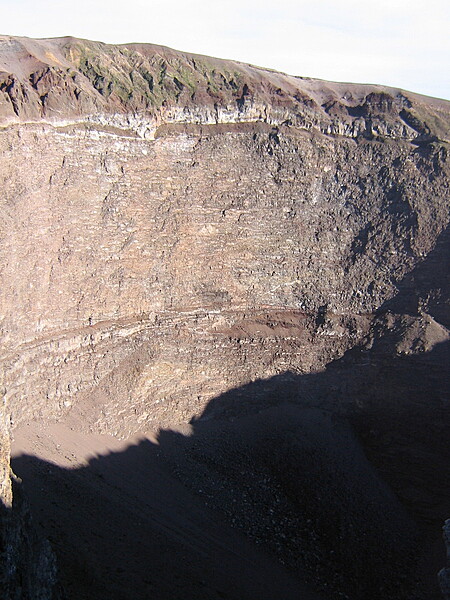
View inside the caldera of Mount Vesuvius.
View inside the caldera of Mount Vesuvius. • CIA World Factbook • 2020
CIA World Factbook • 2020
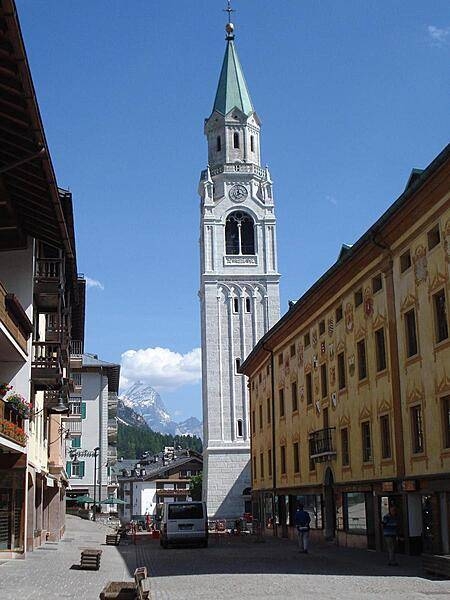
CIA World Factbook • 2020
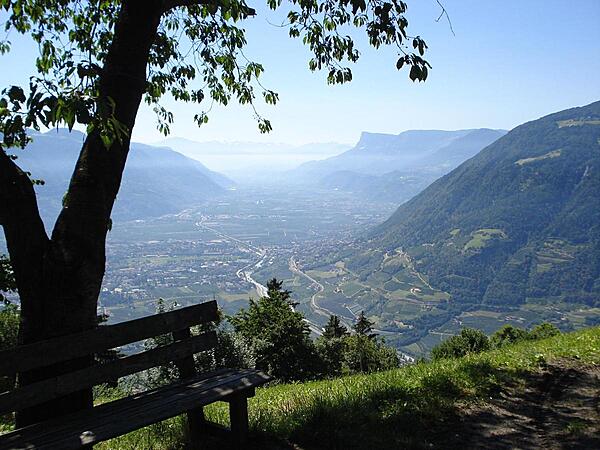
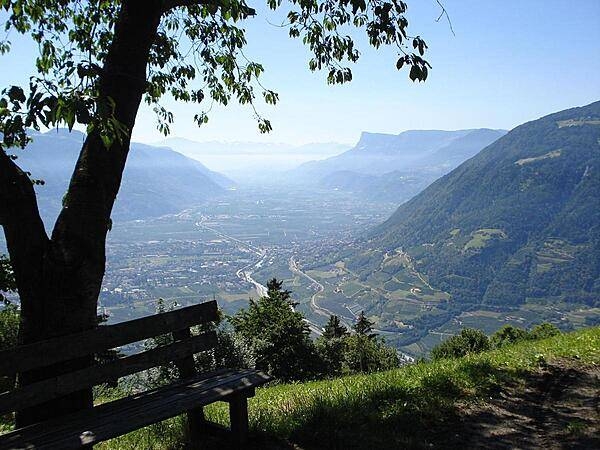
A scenic view of the town of Meran nestled in the mountains.
A scenic view of the town of Meran nestled in the mountains. • CIA World Factbook • 2020
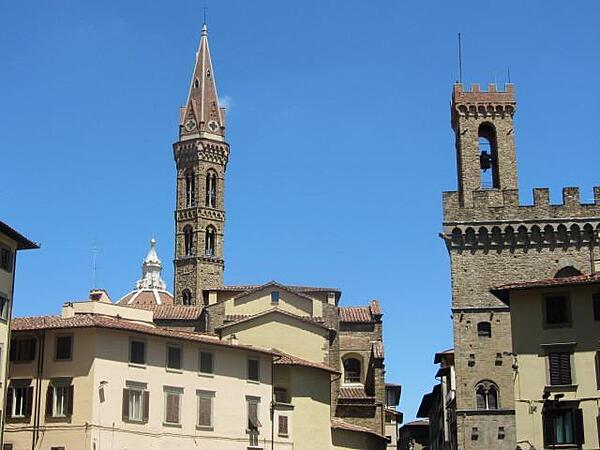
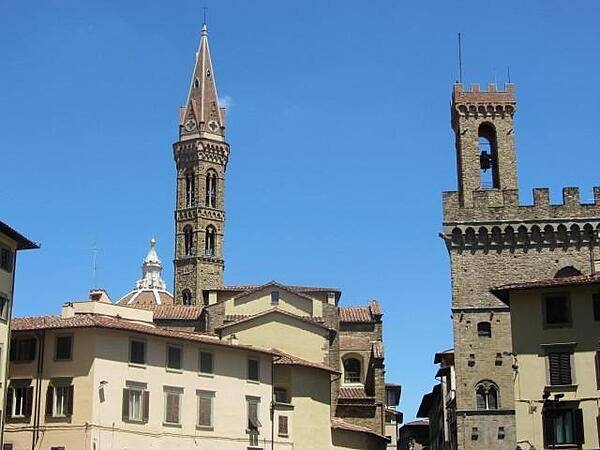
Church towers and the dome (in the far background) of the Duomo (Cathedral) in Florence.
Church towers and the dome (in the far background) of the Duomo (Cathedral) in Florence. • CIA World Factbook • 2020
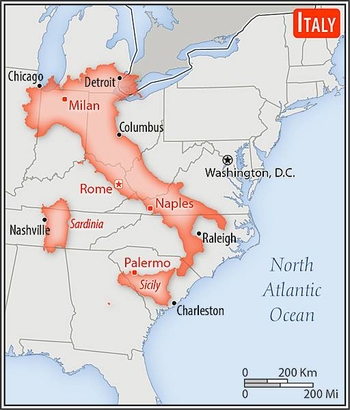
Area comparison map
Area comparison map • CIA World Factbook • 2020
CIA World Factbook • 2020
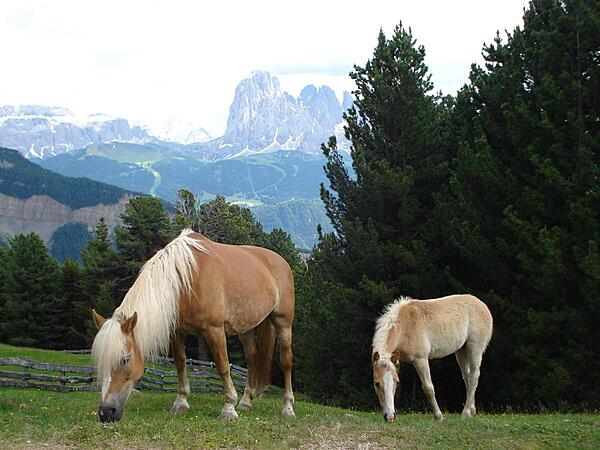
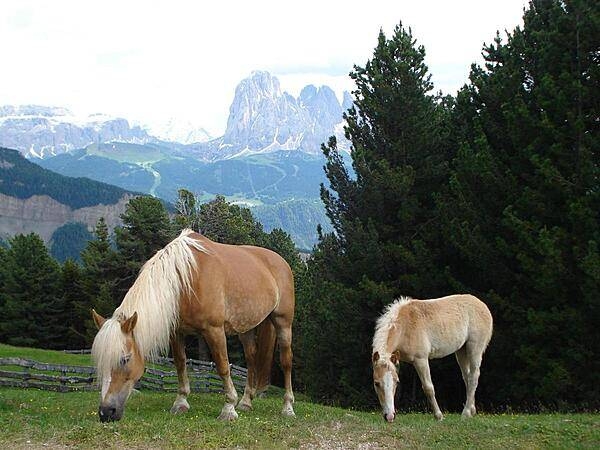
A foal and mare in the Dolomites.
A foal and mare in the Dolomites. • CIA World Factbook • 2020
CIA World Factbook • 2020
CIA World Factbook • 2020
CIA World Factbook • 2020
CIA World Factbook • 2020
CIA World Factbook • 2020
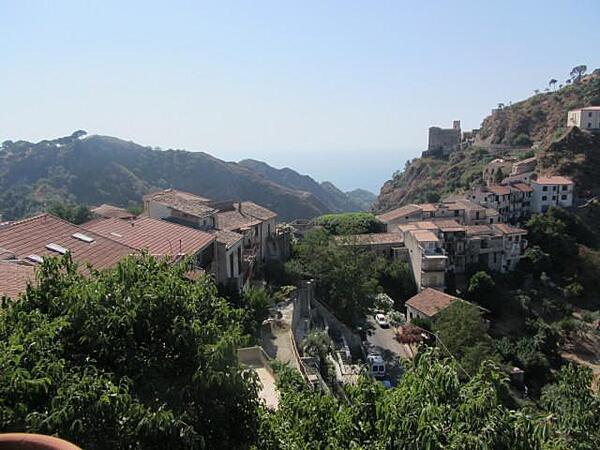
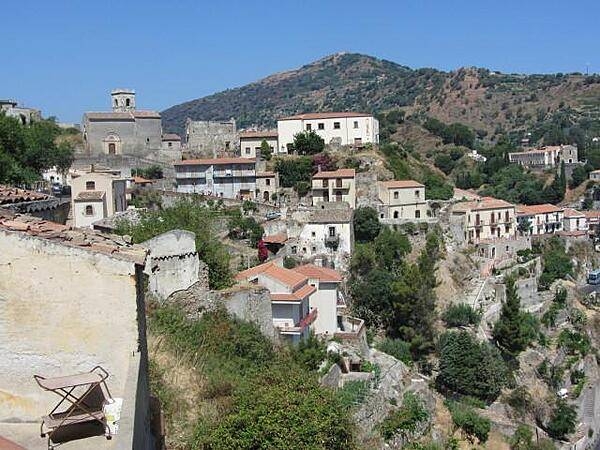
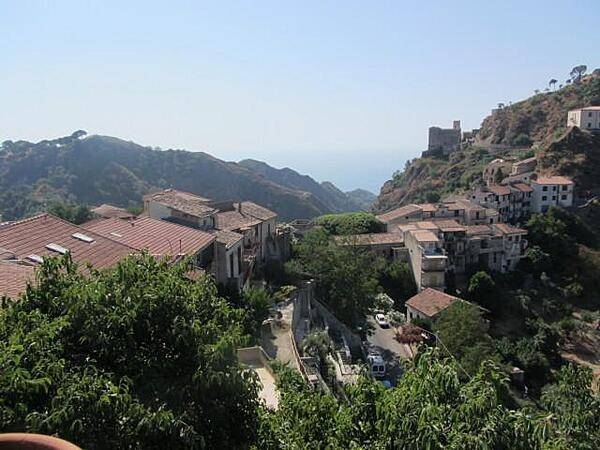
View of the town of Savoca in northeast Sicily.
View of the town of Savoca in northeast Sicily. • CIA World Factbook • 2020
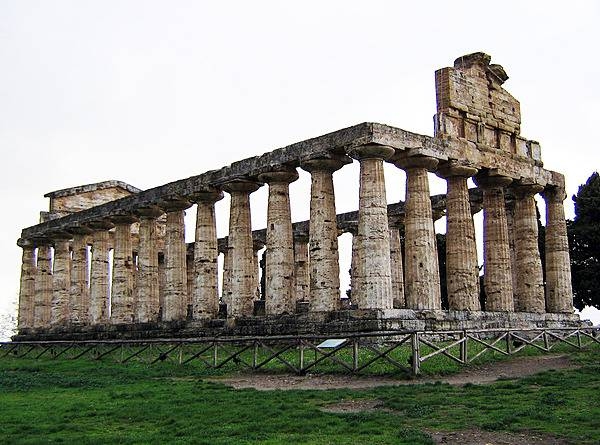
Another view of the Greek Temple of Athena at Paestum, which dates to circa 500 B.C.
Another view of the Greek Temple of Athena at Paestum, which dates to circa 500 B.C. • CIA World Factbook • 2020
CIA World Factbook • 2020
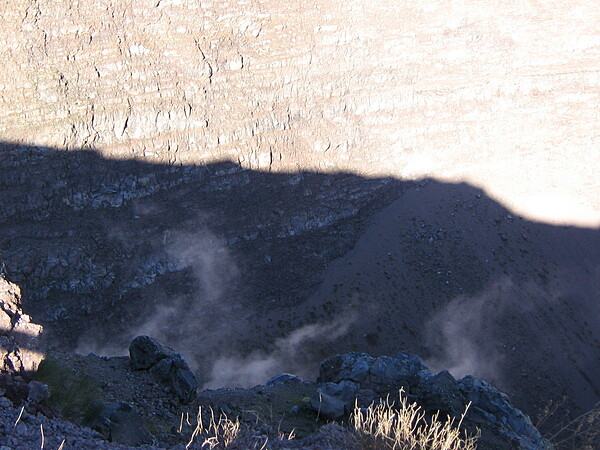
Steam venting inside the crater on Mount Vesuvius.
Steam venting inside the crater on Mount Vesuvius. • CIA World Factbook • 2020
CIA World Factbook • 2020
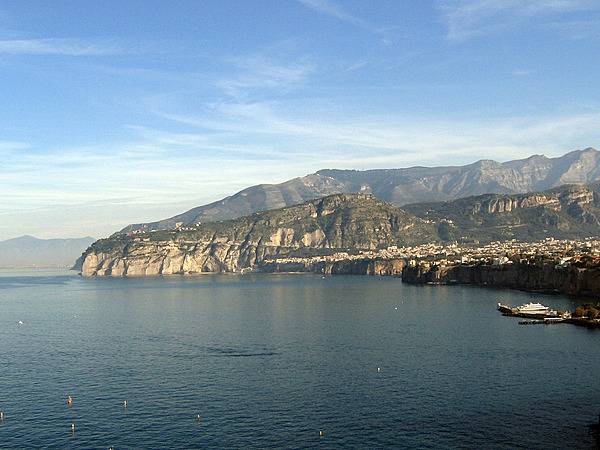
A view of the Bay of Naples from Sorrento.
A view of the Bay of Naples from Sorrento. • CIA World Factbook • 2020
CIA World Factbook • 2020
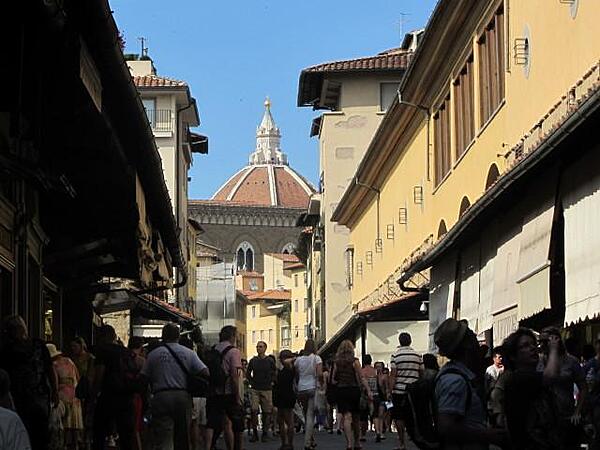
View on the Ponte Vecchio (Old Bridge) with shops (mostly jewelry boutiques) lining the roadway and the dome of the Duomo (Cathedral) in the background.
View on the Ponte Vecchio (Old Bridge) with shops (mostly jewelry boutiques) lining the roadway and the dome of the Duomo (Cathedral) in the background. • CIA World Factbook • 2020
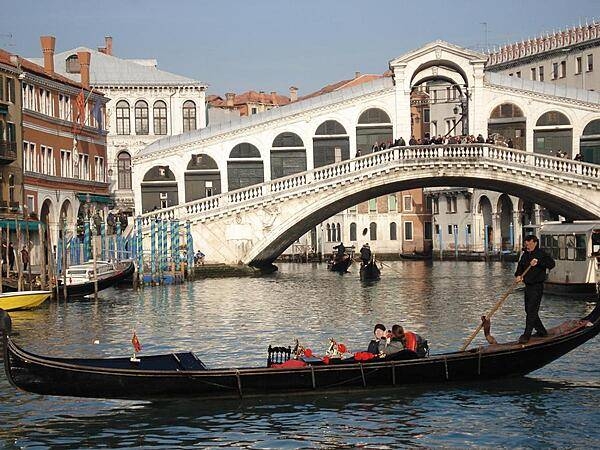
The Rialto Bridge was one of the first bridges to span the Grand Canal in Venice allowing residents to access the Rialto Market. The structure was originally constructed of wood, but after it collapsed twice under the weight of residents watching boat races, it was replaced by a stone bridge in 1591.
The Rialto Bridge was one of the first bridges to span the Grand Canal in Venice allowing residents to access the Rialto Market. The structure was originally constructed of wood, but after it collapsed twice under the weight of residents watching boat races, it was replaced by a stone bridge in 1591. • CIA World Factbook • 2020
CIA World Factbook • 2020
CIA World Factbook • 2020
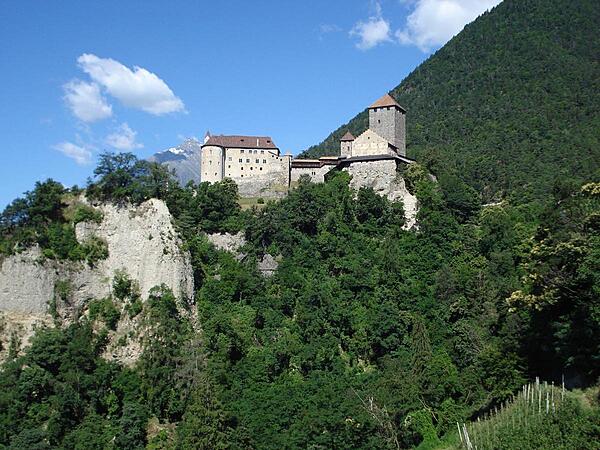
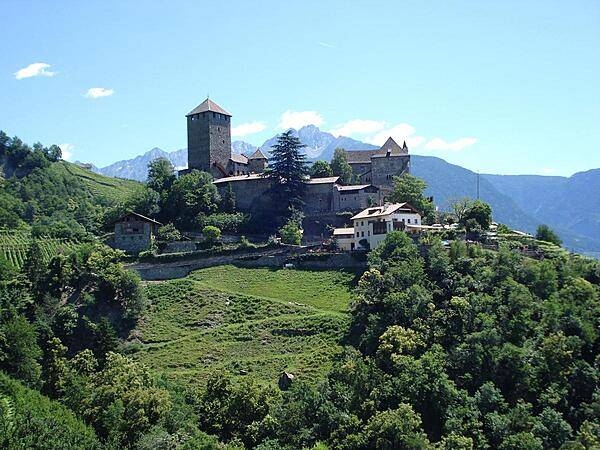
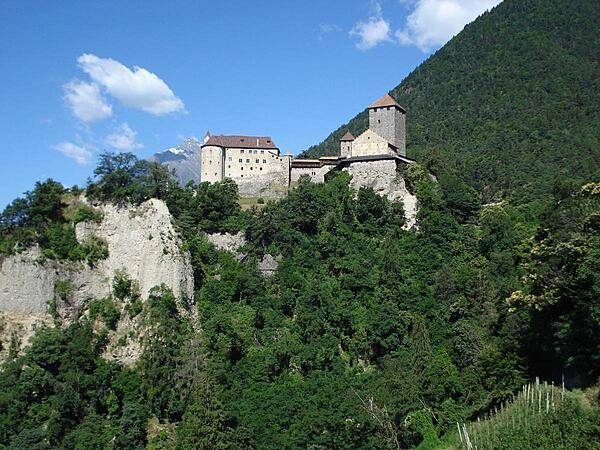
The building of Castle Tyrol began in the 11th century; further construction took place during the following two centuries. The fortress was the residence of the Counts of Tyrol until 1363 when the Hapsburgs took possession. It is now home to the South Tyrol Museum of History, and is also known for its castle chapel frescoes and two distinctive Romanesque portals.
The building of Castle Tyrol began in the 11th century; further construction took place during the following two centuries. The fortress was the residence of the Counts of Tyrol until 1363 when the Hapsburgs took possession. It is now home to the South Tyrol Museum of History, and is also known for its castle chapel frescoes and two distinctive Romanesque portals. • CIA World Factbook • 2020
CIA World Factbook • 2020
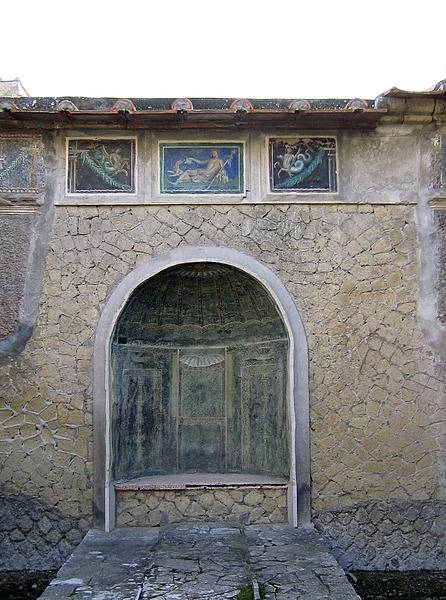
House of the Skeleton in Herculaneum.
House of the Skeleton in Herculaneum. • CIA World Factbook • 2020
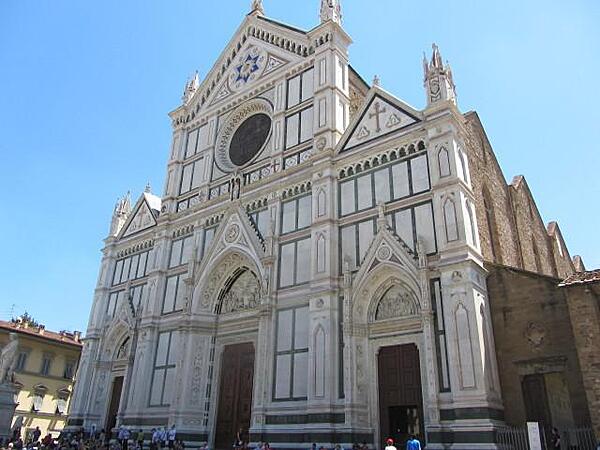
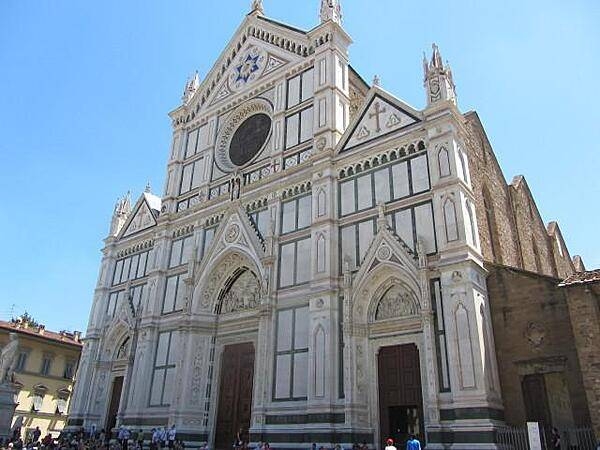
The Basilica di Santa Croce (Basilica of the Holy Cross) in Florence is the largest Franciscan church in the world. Construction began in 1294 and consecration took place in 1442. Many of its 16 chapels are decorated with frescos by Giotto and his students. The basilica is the burial place of Galileo, Machiavelli, Michelangelo, and other famous Italian figures.
The Basilica di Santa Croce (Basilica of the Holy Cross) in Florence is the largest Franciscan church in the world. Construction began in 1294 and consecration took place in 1442. Many of its 16 chapels are decorated with frescos by Giotto and his students. The basilica is the burial place of Galileo, Machiavelli, Michelangelo, and other famous Italian figures. • CIA World Factbook • 2020
CIA World Factbook • 2020
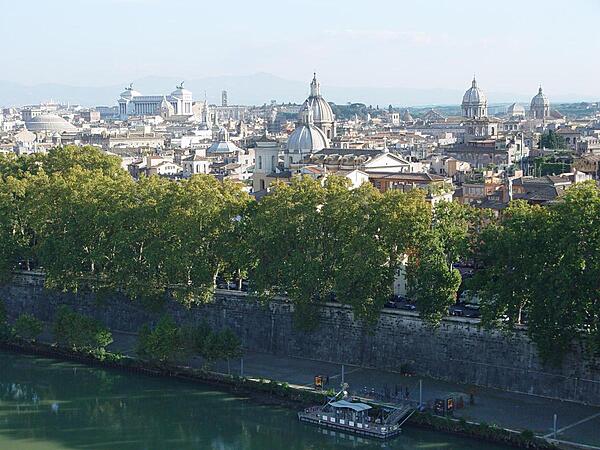
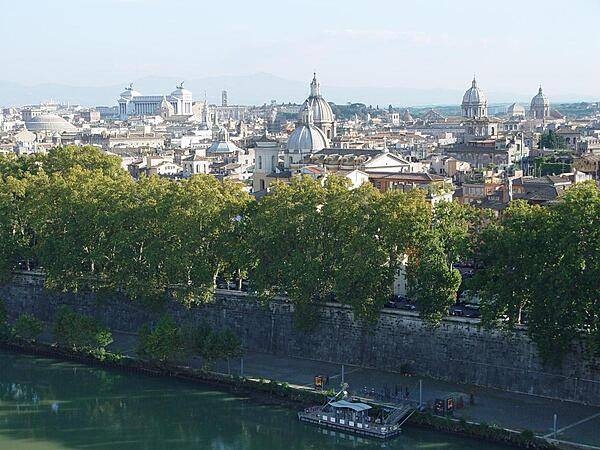
The ancient and historic city of Rome, showing the dome of the Pantheon on the left, the Monument of Victor Emanuel II in the left background, and various church domes.
The ancient and historic city of Rome, showing the dome of the Pantheon on the left, the Monument of Victor Emanuel II in the left background, and various church domes. • CIA World Factbook • 2020
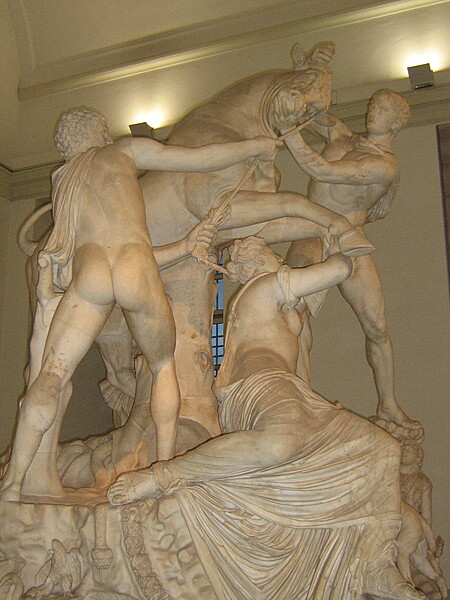
The Farnese Bull at the Archeological Museum in Naples.
The Farnese Bull at the Archeological Museum in Naples. • CIA World Factbook • 2020
CIA World Factbook • 2020
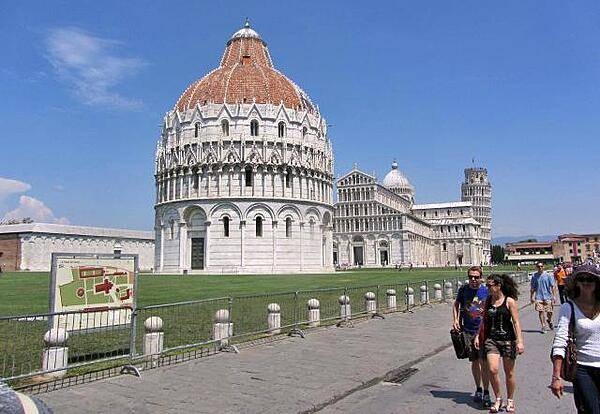
The Battistero di San Giovanni (Baptistry of St. John) in Pisa dates to 1153. The building on the left is the Camposanto or walled cemetery. To the right is the Duomo (Cathedral) and the Campanile (Leaning Tower).
The Battistero di San Giovanni (Baptistry of St. John) in Pisa dates to 1153. The building on the left is the Camposanto or walled cemetery. To the right is the Duomo (Cathedral) and the Campanile (Leaning Tower). • CIA World Factbook • 2020
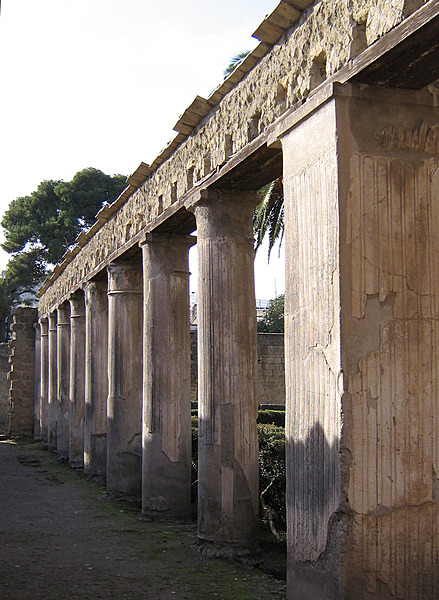
Columns at the House of Argos in Herculaneum.
Columns at the House of Argos in Herculaneum. • CIA World Factbook • 2020
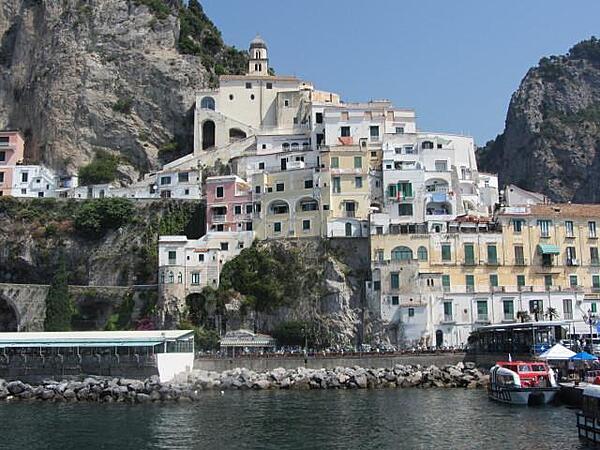
Closer view of some of the homes on the rugged western coast of Italy in the city of Amalfi.
Closer view of some of the homes on the rugged western coast of Italy in the city of Amalfi. • CIA World Factbook • 2020
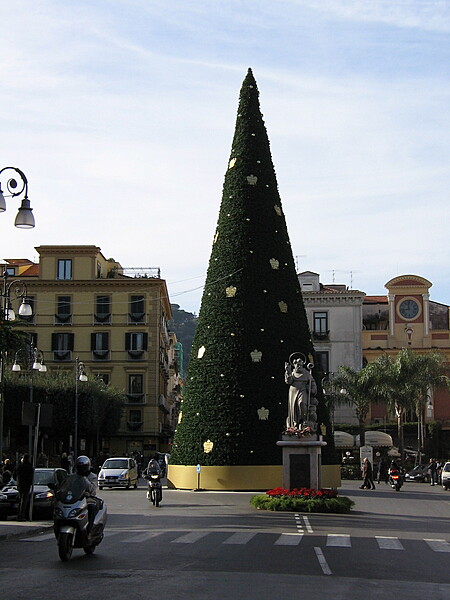
Christmas decorations in Piazza Tasso, Sorrento.
Christmas decorations in Piazza Tasso, Sorrento. • CIA World Factbook • 2020
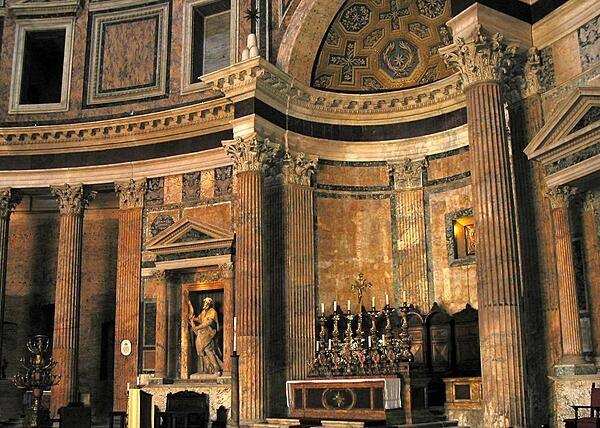
The main altar of the Pantheon in Rome. Originally constructed in 27 B.C., the Pantheon was rebuilt by the Emperor Hadrian in A.D. 126; it became a Roman Catholic church in the 7th century. The tombs of Raphael, two Italian kings, and various other notables are located in the Pantheon. It is considered one of the best preserved of all Roman buildings. Its dome, 43.3 m (142 ft) wide and constructed of unreinforced concrete, sets it apart from other structures of the time.
The main altar of the Pantheon in Rome. Originally constructed in 27 B.C., the Pantheon was rebuilt by the Emperor Hadrian in A.D. 126; it became a Roman Catholic church in the 7th century. The tombs of Raphael, two Italian kings, and various other notables are located in the Pantheon. It is considered one of the best preserved of all Roman buildings. Its dome, 43.3 m (142 ft) wide and constructed of unreinforced concrete, sets it apart from other structures of the time. • CIA World Factbook • 2020
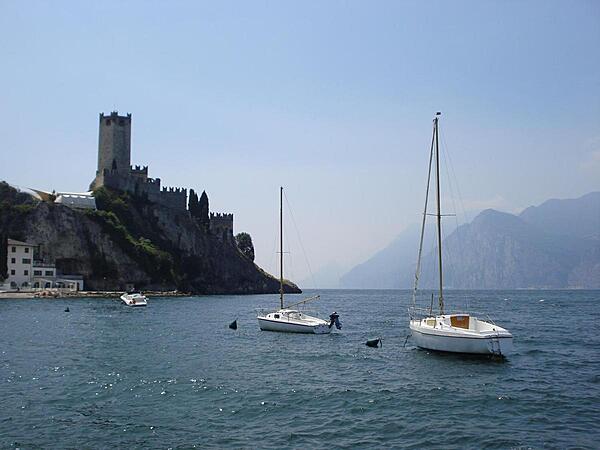
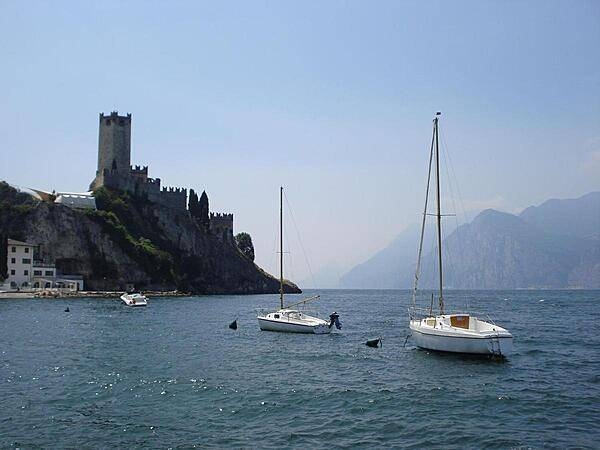
Castello Scaligero, which has 13th century fortifications and an even older medieval tower, was home to the della Scala family who ruled the region in the 13th century. An Etruscan tomb has been found in the castle walls.
Castello Scaligero, which has 13th century fortifications and an even older medieval tower, was home to the della Scala family who ruled the region in the 13th century. An Etruscan tomb has been found in the castle walls. • CIA World Factbook • 2020
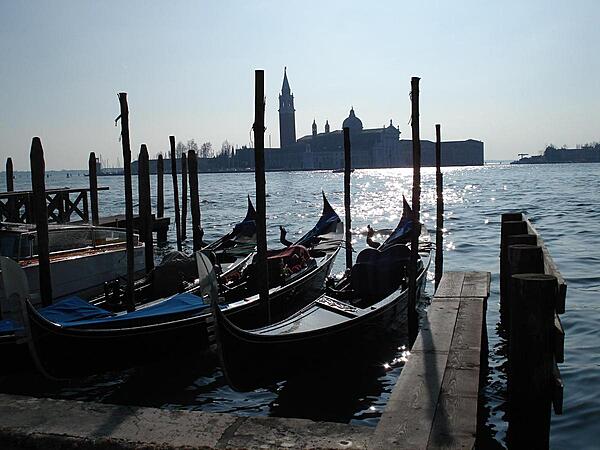
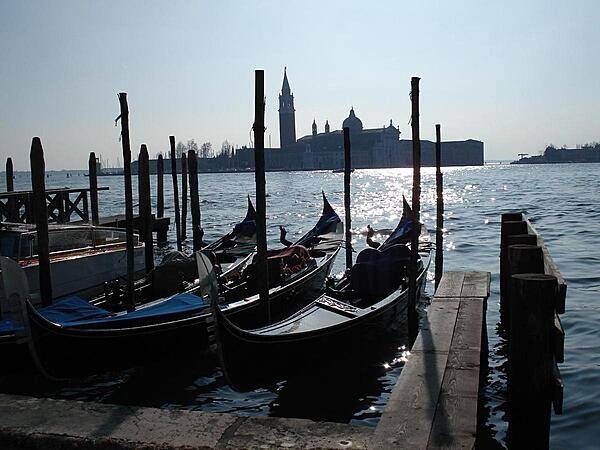
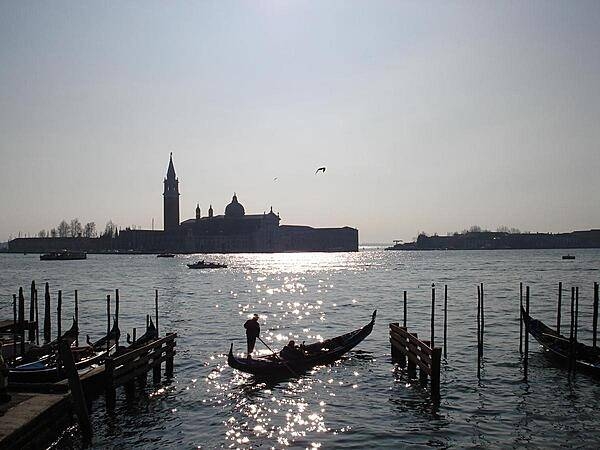
A view of San Giorgio Maggiore Island in Venice across the sparkling waters of the lagoon with gondolas in the foreground.
A view of San Giorgio Maggiore Island in Venice across the sparkling waters of the lagoon with gondolas in the foreground. • CIA World Factbook • 2020
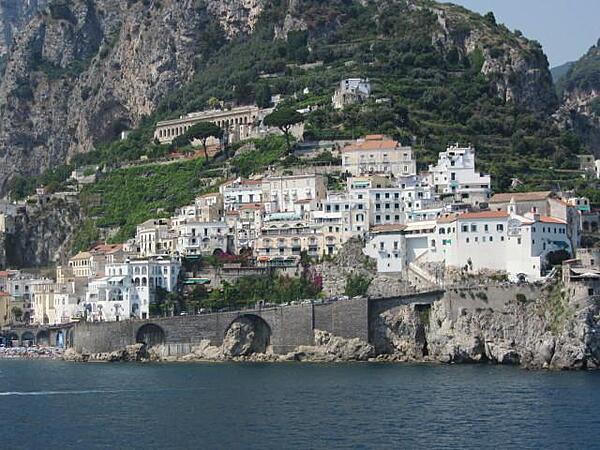
View of homes on the rugged western coast of Italy in the city of Amalfi.
View of homes on the rugged western coast of Italy in the city of Amalfi. • CIA World Factbook • 2020
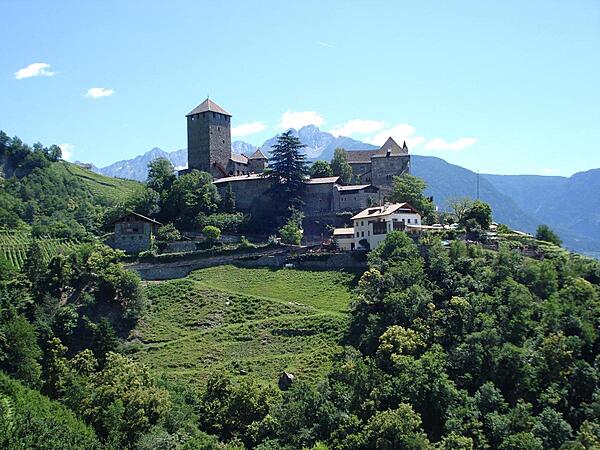
A view of Tyrol Castle and its surrounding rugged mountains.
A view of Tyrol Castle and its surrounding rugged mountains. • CIA World Factbook • 2020
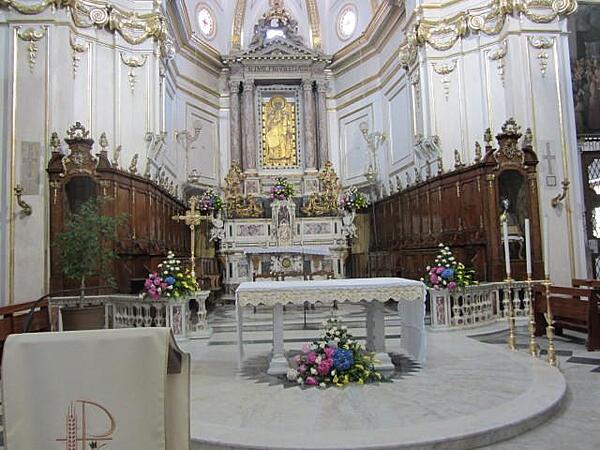
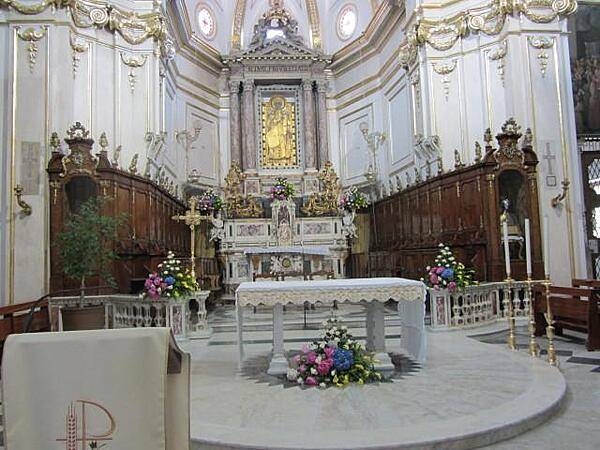
Altar inside the church Our Lady of the Assumption in Positano on the Amalfi Coast. Above the altar is a 13th century Byzantine Black Madonna and Child.
Altar inside the church Our Lady of the Assumption in Positano on the Amalfi Coast. Above the altar is a 13th century Byzantine Black Madonna and Child. • CIA World Factbook • 2020
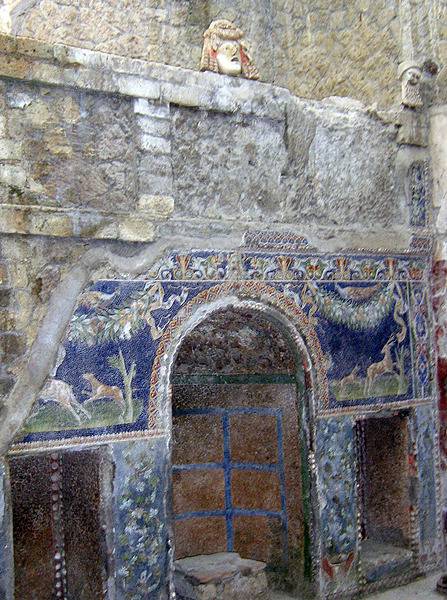
Ancient Roman mosaic in the House of Neptune and Amphitrite in Herculaneum.
Ancient Roman mosaic in the House of Neptune and Amphitrite in Herculaneum. • CIA World Factbook • 2020
Media source: CIA World Factbook (2020) — Public Domain