›››
Philippines — Media Gallery
33 items available (flags, maps, photos)
Photos
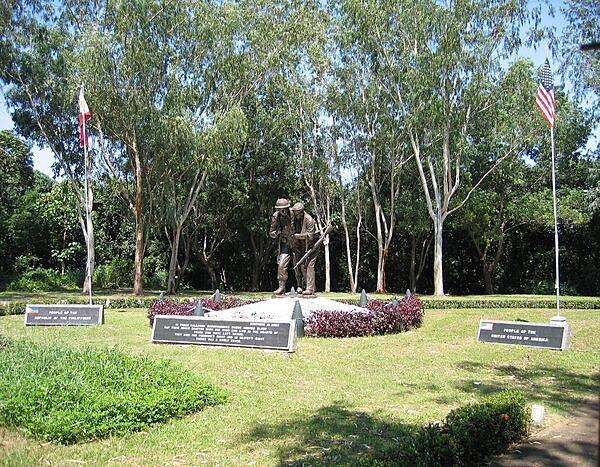
The 3 m (10 ft) bronze sculpture entitled "Brothers in Arms" highlights the Filipino-American Friendship Park on the island of Corregidor. The park lies directly behind the Pacific War Memorial.
The 3 m (10 ft) bronze sculpture entitled "Brothers in Arms" highlights the Filipino-American Friendship Park on the island of Corregidor. The park lies directly behind the Pacific War Memorial. • CIA World Factbook • 2020
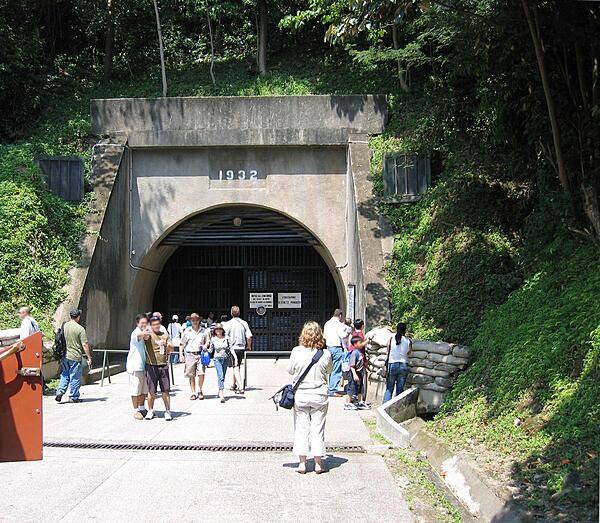
East entrance to the Malinta Tunnel complex on the island of Corregidor. Constructed by the US Army Corps of Engineers between 1922 and 1932, it was used for bomb-proof storage, as a command center, and a 1,000-bed hospital. The main east-west tunnel is 253 m (830 ft) long and 7.3 m (24 ft) wide, with 24 lateral tunnels, each about 49 m (160 ft) long and 4.6 m (15 ft) wide. A double track electric railway ran down the main tunnel. General Douglas MACARTHUR's headquarters and the offices of President Manuel L. QUEZON of the Philippines Commonwealth were located in laterals just inside this entrance.
East entrance to the Malinta Tunnel complex on the island of Corregidor. Constructed by the US Army Corps of Engineers between 1922 and 1932, it was used for bomb-proof storage, as a command center, and a 1,000-bed hospital. The main east-west tunnel is 253 m (830 ft) long and 7.3 m (24 ft) wide, with 24 lateral tunnels, each about 49 m (160 ft) long and 4.6 m (15 ft) wide. A double track electric railway ran down the main tunnel. General Douglas MACARTHUR's headquarters and the offices of President Manuel L. QUEZON of the Philippines Commonwealth were located in laterals just inside this entrance. • CIA World Factbook • 2020
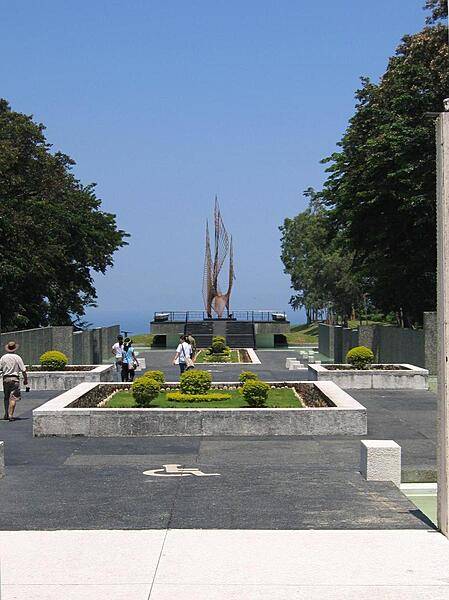
On the grounds of the Pacific War Memorial, Corregidor. The sculpture is entitled the "Eternal Flame of Freedom."
On the grounds of the Pacific War Memorial, Corregidor. The sculpture is entitled the "Eternal Flame of Freedom." • CIA World Factbook • 2020
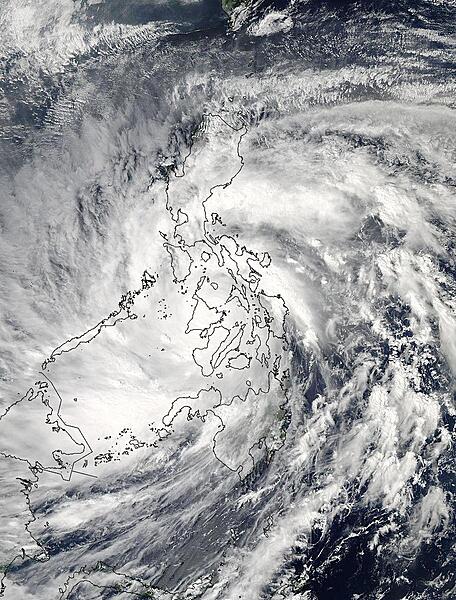
Super-Typhoon Haiyan slammed into the eastern Philippines on 7 November 2013 as the strongest tropical cyclone of the year. Just before making landfall its maximum sustained winds were 314 kph/195 mph, with gusts up to 379 kph/235 mph. PAGASA, the Philippines weather organization noted that Hiayan's maximum sustained winds at landfall were near 234 kph/145 mph. As Super-Typhoon Haiyan moved over the central Philippines on 8 November, NASA's Aqua satellite captured this visible image showing that Haiyan maintained its structure as it moved over the east central Philippines but that large, thick bands of thunderstorms spiraled into the center from the northeast. Image courtesy of NASA.
Super-Typhoon Haiyan slammed into the eastern Philippines on 7 November 2013 as the strongest tropical cyclone of the year. Just before making landfall its maximum sustained winds were 314 kph/195 mph, with gusts up to 379 kph/235 mph. PAGASA, the Philippines weather organization noted that Hiayan's maximum sustained winds at landfall were near 234 kph/145 mph. As Super-Typhoon Haiyan moved over the central Philippines on 8 November, NASA's Aqua satellite captured this visible image showing that Haiyan maintained its structure as it moved over the east central Philippines but that large, thick bands of thunderstorms spiraled into the center from the northeast. Image courtesy of NASA. • CIA World Factbook • 2020
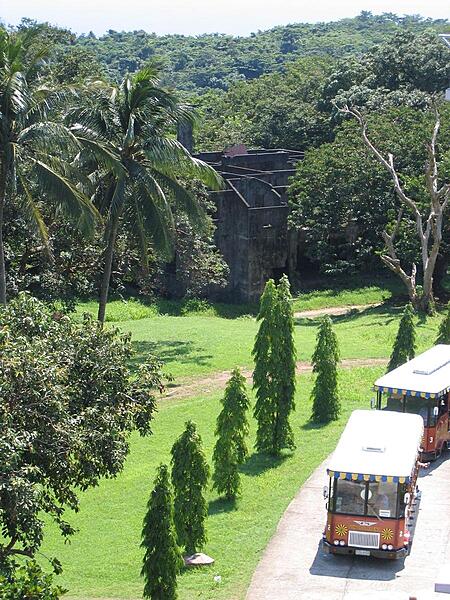
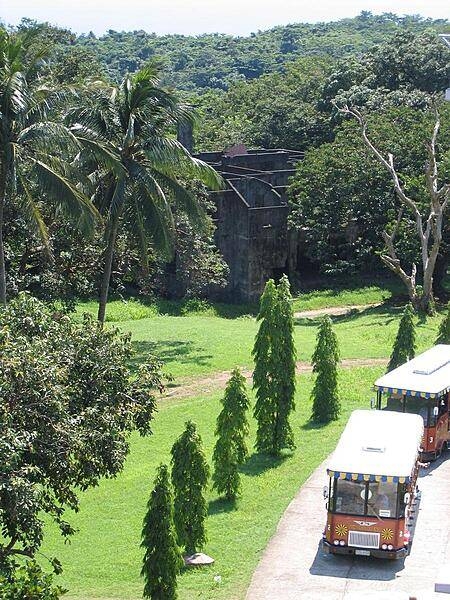
Tour busses pause in the vicinity of the Spanish Lighthouse on the island of Corregidor. In the background, amid the trees, are the remains of one of the senior officer's family quarters.
Tour busses pause in the vicinity of the Spanish Lighthouse on the island of Corregidor. In the background, amid the trees, are the remains of one of the senior officer's family quarters. • CIA World Factbook • 2020
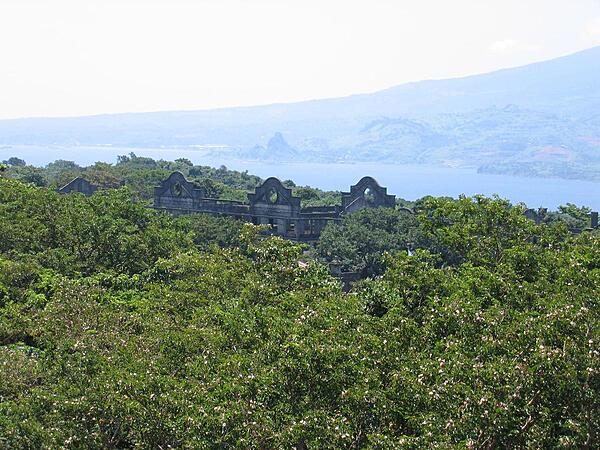
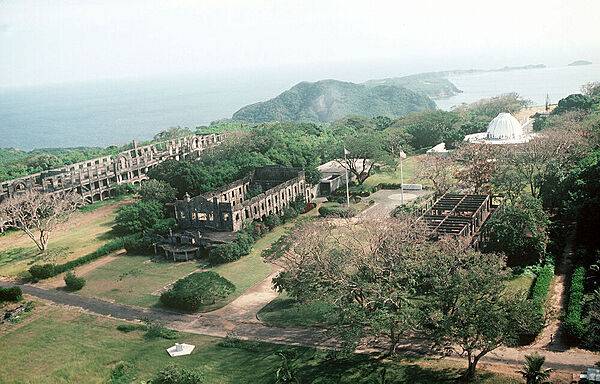
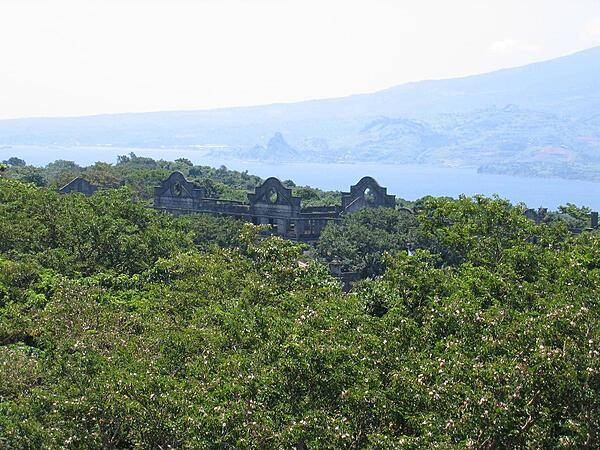
A view of Topside - the highest area of Corregidor - taken from the vicinity of the Spanish Lighthouse. Shown are the remains of the "Mile-Long Barracks" barely visible above the trees. These main barracks on the Topside section housed the troops of the coast artillery battalions who manned the island defenses. The building was a three-story concrete structure designed to be hurricane proof while providing comfortable, airy accommodations in a tropical environment. Despite the fact it never was a mile long when built, the structure was considered the longest barracks in the world. In the background, across the North Channel, are the mountains of Bataan Peninsula overlooking Corregidor.
A view of Topside - the highest area of Corregidor - taken from the vicinity of the Spanish Lighthouse. Shown are the remains of the "Mile-Long Barracks" barely visible above the trees. These main barracks on the Topside section housed the troops of the coast artillery battalions who manned the island defenses. The building was a three-story concrete structure designed to be hurricane proof while providing comfortable, airy accommodations in a tropical environment. Despite the fact it never was a mile long when built, the structure was considered the longest barracks in the world. In the background, across the North Channel, are the mountains of Bataan Peninsula overlooking Corregidor. • CIA World Factbook • 2020
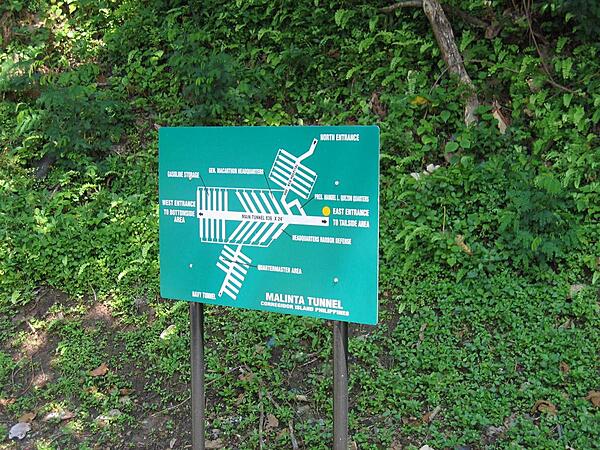
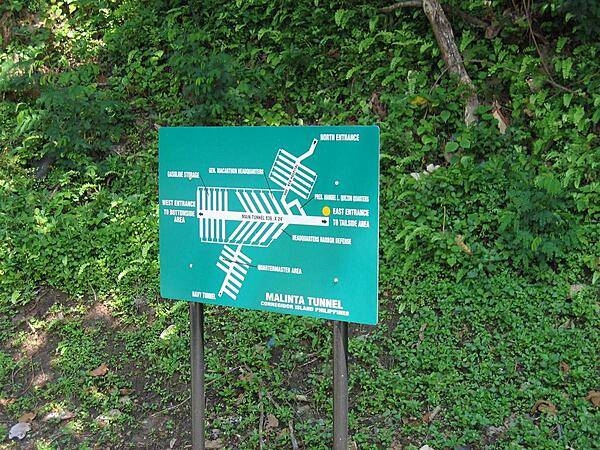
Map of the Malinta Tunnel complex on the island of Corregidor.
Map of the Malinta Tunnel complex on the island of Corregidor. • CIA World Factbook • 2020
CIA World Factbook • 2020
CIA World Factbook • 2020
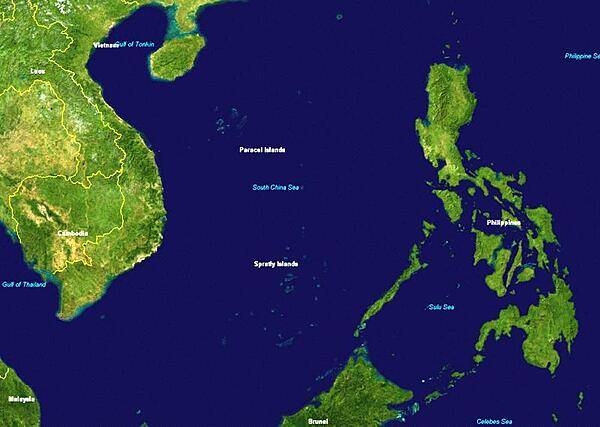
Satellite view of the western Pacific Ocean and the South China Sea shows the location of the Spratly Islands between Vietnam and the Philippines. Image courtesy of NASA.
Satellite view of the western Pacific Ocean and the South China Sea shows the location of the Spratly Islands between Vietnam and the Philippines. Image courtesy of NASA. • CIA World Factbook • 2020
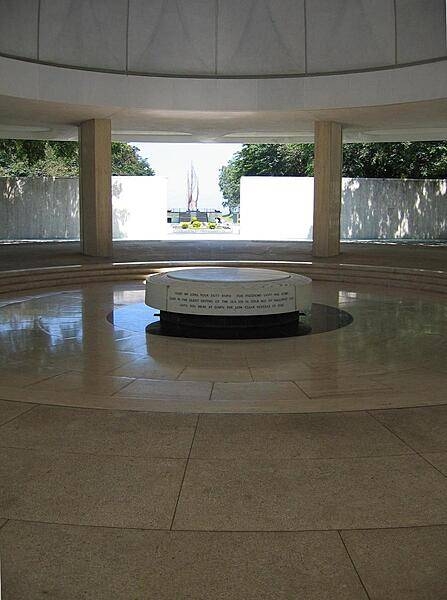
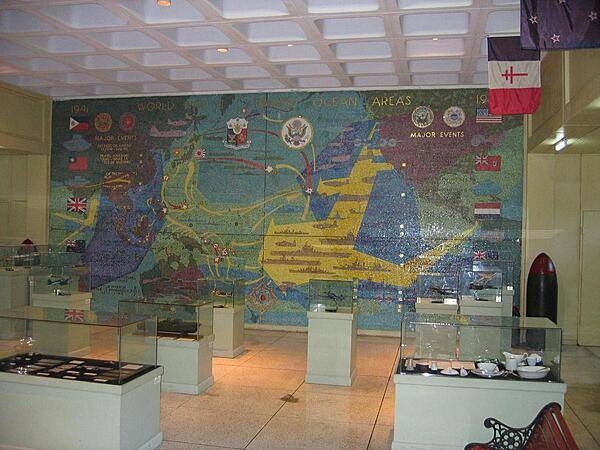
Inside the Pacific War Memorial building, Corregidor.
Inside the Pacific War Memorial building, Corregidor. • CIA World Factbook • 2020
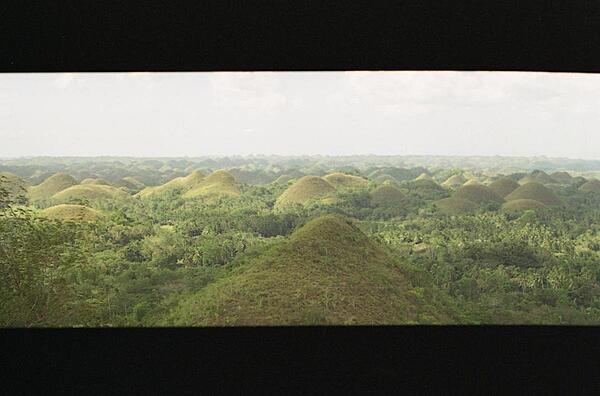
The unusual geological formation known as the Chocolate Hills in Bohol. Almost 1,300 perfectly cone-shaped hills, all about the same size, spread over some 50 square kilometers. The grass covering the hills turns brown during the dry season, giving the hills their name.
The unusual geological formation known as the Chocolate Hills in Bohol. Almost 1,300 perfectly cone-shaped hills, all about the same size, spread over some 50 square kilometers. The grass covering the hills turns brown during the dry season, giving the hills their name. • CIA World Factbook • 2020
CIA World Factbook • 2020
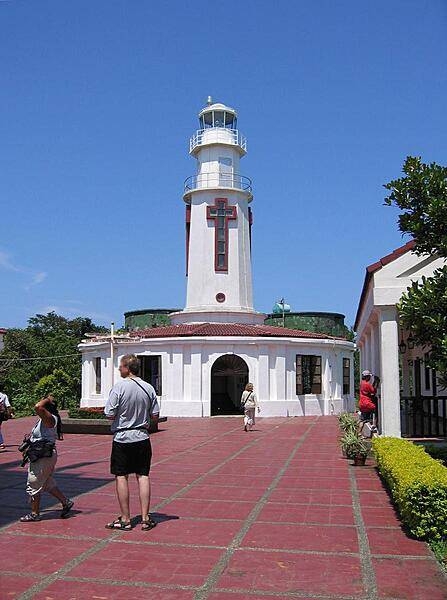
The Spanish first constructed a lighthouse on Corregidor in 1836, then rebuilt it in 1853 on the highest point of the island. The lighthouse was destroyed during the World War II battle, but reconstructed after the war.
The Spanish first constructed a lighthouse on Corregidor in 1836, then rebuilt it in 1853 on the highest point of the island. The lighthouse was destroyed during the World War II battle, but reconstructed after the war. • CIA World Factbook • 2020
CIA World Factbook • 2020
CIA World Factbook • 2020
CIA World Factbook • 2020
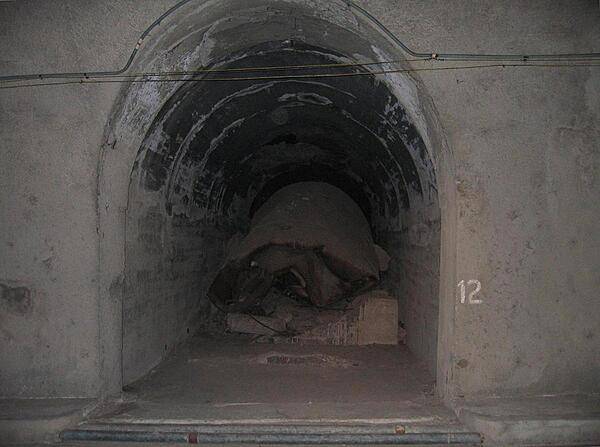
This lateral tunnel of the Malinta Tunnel complex was part of an underground fuel storage area. The collapsed fuel tank sits on a concrete cradle. Some of the lateral tunnels were collapsed when Japanese defenders blew themselves up during the recapture of the island by US and Filipino forces (23 February 1945). These collapsed laterals have never been excavated.
This lateral tunnel of the Malinta Tunnel complex was part of an underground fuel storage area. The collapsed fuel tank sits on a concrete cradle. Some of the lateral tunnels were collapsed when Japanese defenders blew themselves up during the recapture of the island by US and Filipino forces (23 February 1945). These collapsed laterals have never been excavated. • CIA World Factbook • 2020
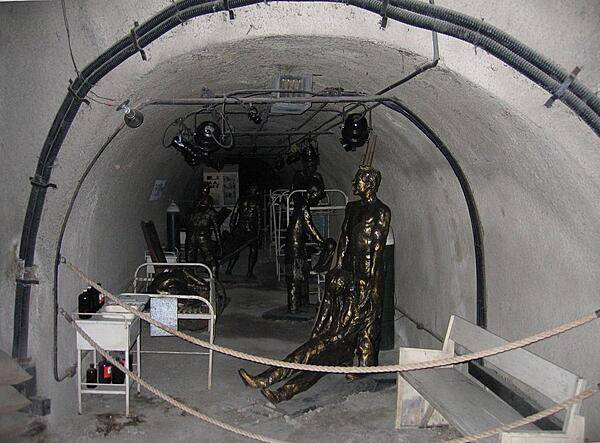
Certain lateral tunnels of the Malinta Tunnel complex present dioramas that show what life was like inside the tunnels. This display represents one of the hospital laterals and depicts the treatment of wounded.
Certain lateral tunnels of the Malinta Tunnel complex present dioramas that show what life was like inside the tunnels. This display represents one of the hospital laterals and depicts the treatment of wounded. • CIA World Factbook • 2020
CIA World Factbook • 2020
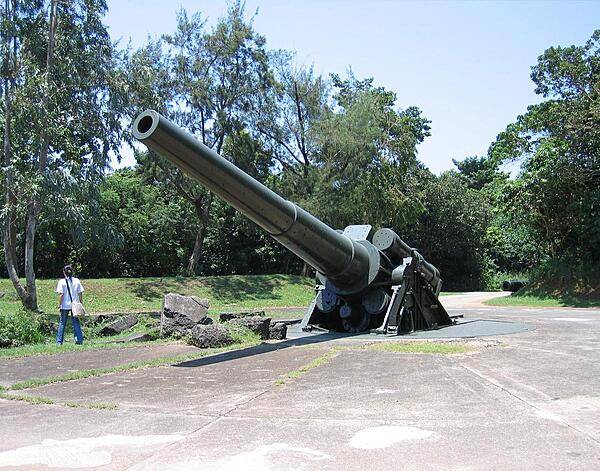
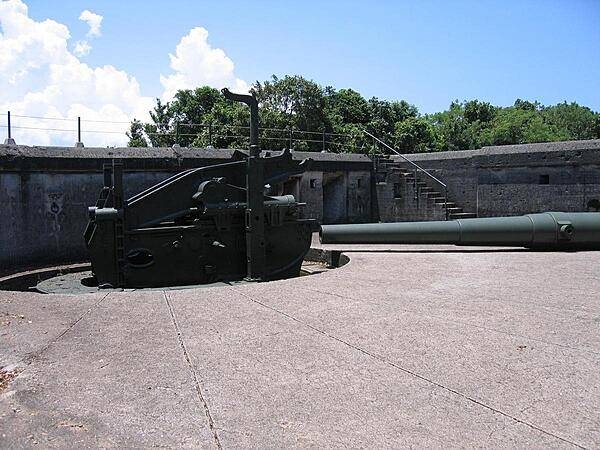
A 12-inch seacoast gun emplaced at Battery Hearn on Fort Mills (Corregidor). Battery Hearn was one of the last fortifications built on Fort Mills prior to limitations of the Washington Naval Treaty taking effect in the 1920s. The 12-inch guns were the longest range weapons (27 km (16 mi)) on Corregidor and fired on Japanese forces on Bataan Peninsula. Following the surrender of Corregidor on 6 May 1942, Battery Hearn was the scene of a famous photograph of Japanese soldiers celebrating their victory on top of the guns.
A 12-inch seacoast gun emplaced at Battery Hearn on Fort Mills (Corregidor). Battery Hearn was one of the last fortifications built on Fort Mills prior to limitations of the Washington Naval Treaty taking effect in the 1920s. The 12-inch guns were the longest range weapons (27 km (16 mi)) on Corregidor and fired on Japanese forces on Bataan Peninsula. Following the surrender of Corregidor on 6 May 1942, Battery Hearn was the scene of a famous photograph of Japanese soldiers celebrating their victory on top of the guns. • CIA World Factbook • 2020
CIA World Factbook • 2020
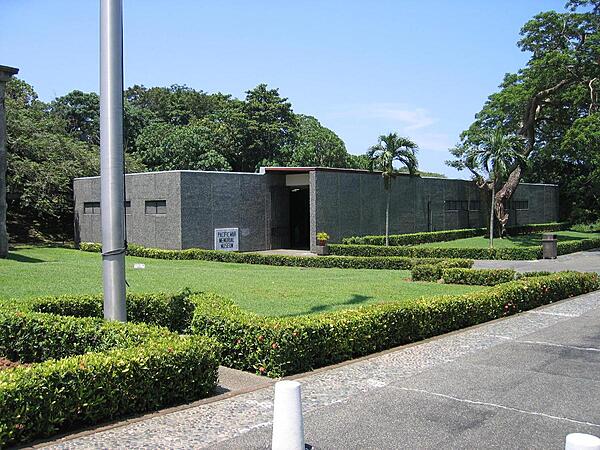
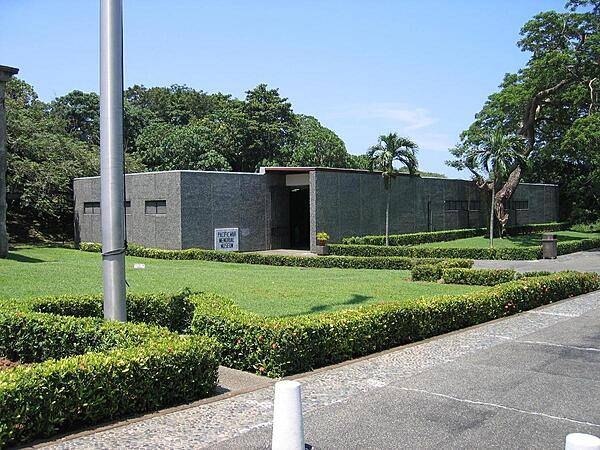
The Pacific War Memorial Museum on Corregidor.
The Pacific War Memorial Museum on Corregidor. • CIA World Factbook • 2020
CIA World Factbook • 2020
CIA World Factbook • 2020
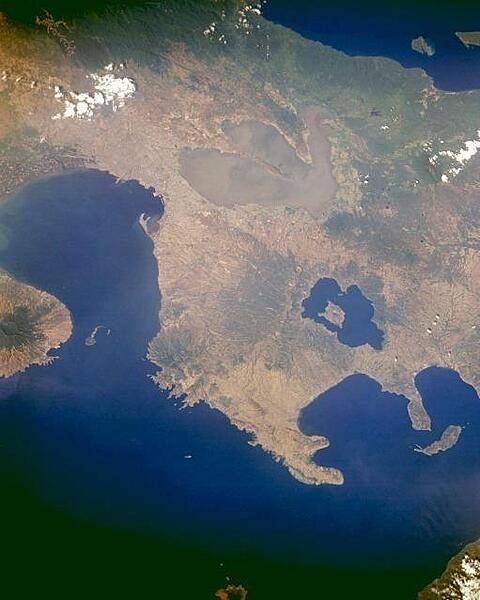
Trilobed Laguna de Bay, the largest lake in the Philippines, is visible near the upper center of this east-looking, photograph of central Luzon, Philippines. The lake is more than 51 km (32 mi) long and covers 891 sq km (344 sq mi). Its outlet, the Pasig River, exits at the northwest corner of the lake, flows westward through Manila, and empties into Manila Bay. South of Laguna de Bay are the dark blue waters of Taal Lake, a filled caldera that surrounds Volcano Island. The island is home to Taal Volcano (300 m; 984 ft high) with a crater more than 2 km (1 mi) wide. The island of Corregidor, which served as the focal point in the defense of the city of Manila during World War II, is the tiny tadpole-shaped island at the entrance to Manila Bay in the center left. Photo courtesy of NASA.
Trilobed Laguna de Bay, the largest lake in the Philippines, is visible near the upper center of this east-looking, photograph of central Luzon, Philippines. The lake is more than 51 km (32 mi) long and covers 891 sq km (344 sq mi). Its outlet, the Pasig River, exits at the northwest corner of the lake, flows westward through Manila, and empties into Manila Bay. South of Laguna de Bay are the dark blue waters of Taal Lake, a filled caldera that surrounds Volcano Island. The island is home to Taal Volcano (300 m; 984 ft high) with a crater more than 2 km (1 mi) wide. The island of Corregidor, which served as the focal point in the defense of the city of Manila during World War II, is the tiny tadpole-shaped island at the entrance to Manila Bay in the center left. Photo courtesy of NASA. • CIA World Factbook • 2020
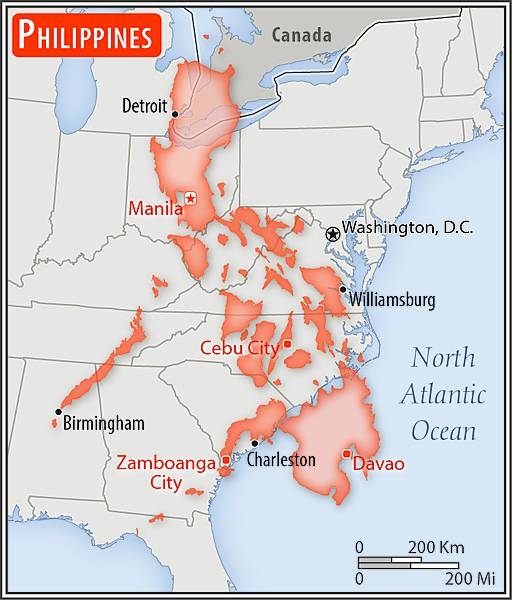
Area comparison map
Area comparison map • CIA World Factbook • 2020
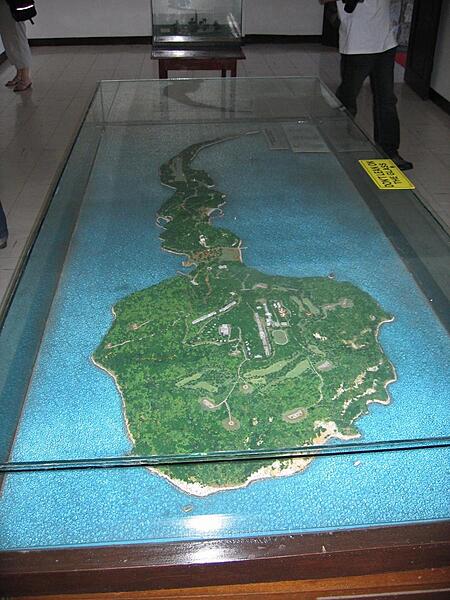
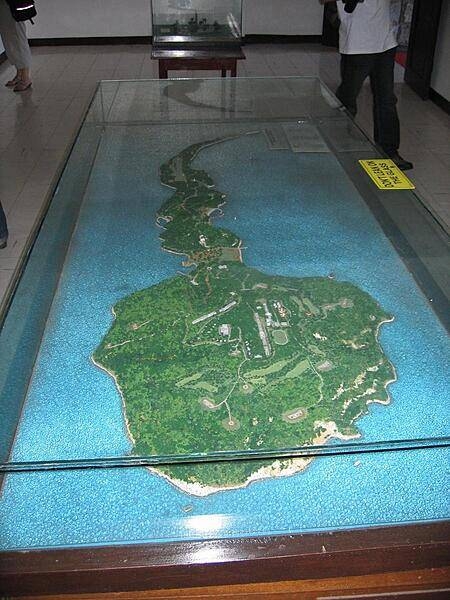
A scale relief map of the tadpole-shaped island of Corregidor. The island is 6 km (4 mi) long and 2.4 km (1.5 mi) at its widest point, with an area of 5 sq km (2 sq mi) and a highest elevation of 121 m (397 ft). The island, part of an ancient volcanic caldera, divides the entrance to Manila Bay into two main passages, North Channel and South Channel. Construction of fortifications on Corregidor began as early as 1904 as part of the Manila harbor defenses and were primarily designed to meet a seaborne attack.
A scale relief map of the tadpole-shaped island of Corregidor. The island is 6 km (4 mi) long and 2.4 km (1.5 mi) at its widest point, with an area of 5 sq km (2 sq mi) and a highest elevation of 121 m (397 ft). The island, part of an ancient volcanic caldera, divides the entrance to Manila Bay into two main passages, North Channel and South Channel. Construction of fortifications on Corregidor began as early as 1904 as part of the Manila harbor defenses and were primarily designed to meet a seaborne attack. • CIA World Factbook • 2020
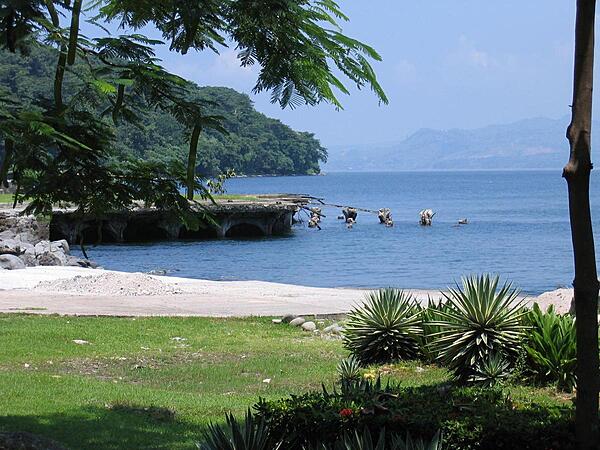
A crumbling old pier on the island of Corregidor.
A crumbling old pier on the island of Corregidor. • CIA World Factbook • 2020
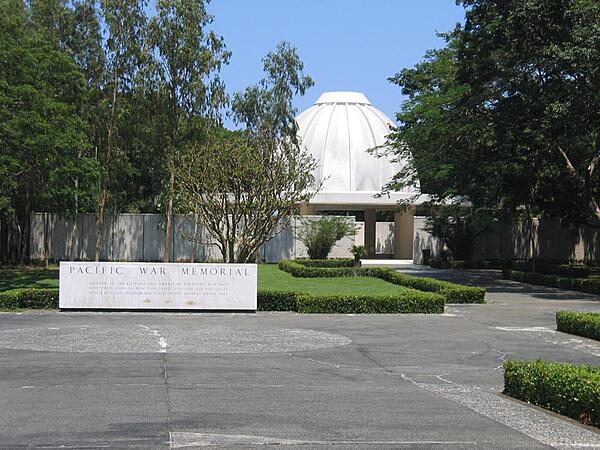
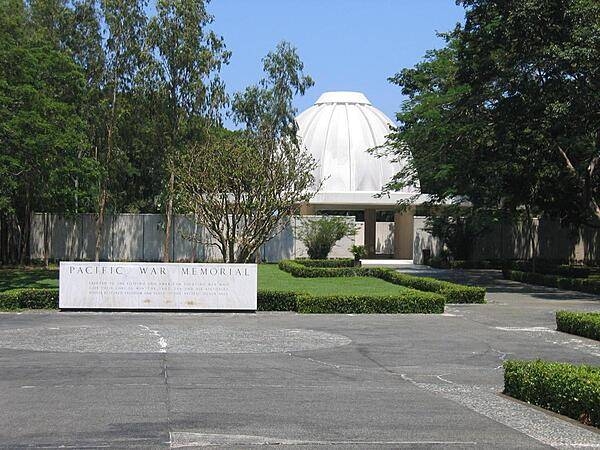
The entrance to the Pacific War Memorial building on the island of Corregidor in Manila Bay.
The entrance to the Pacific War Memorial building on the island of Corregidor in Manila Bay. • CIA World Factbook • 2020
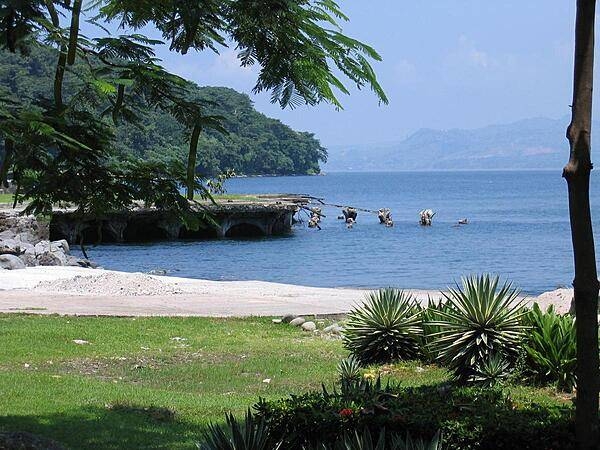
CIA World Factbook • 2020
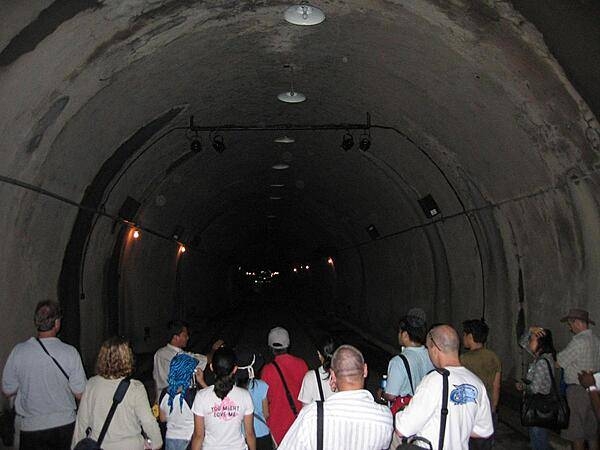
CIA World Factbook • 2020
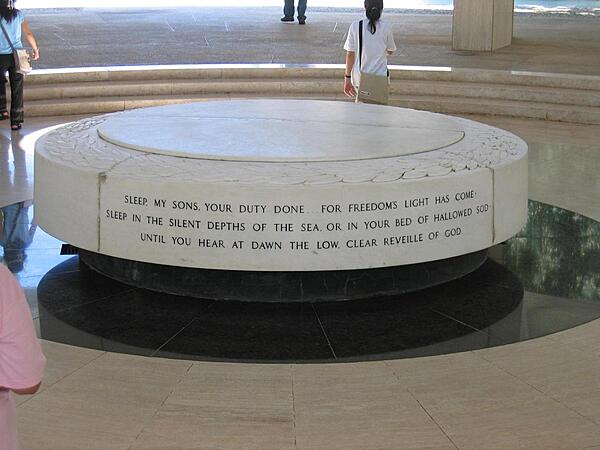
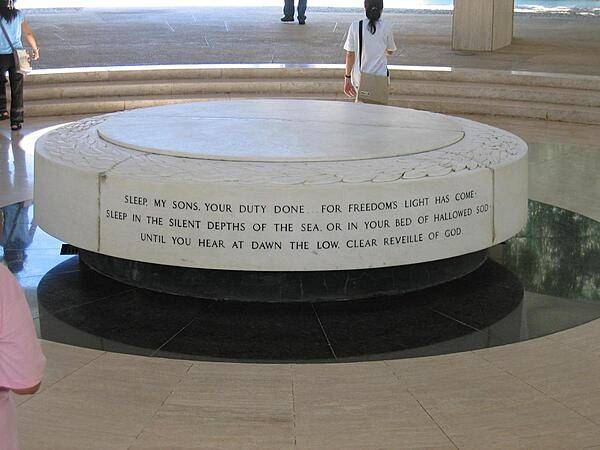
Memorial altar in the Pacific War Memorial building, Corregidor. At noon on the 6th of May of every year, sunlight shining through the oculus (round ceiling opening) falls directly on the center of the altar, marking the time of the surrender of Corregidor and the Philippines to the Japanese in 1942.
Memorial altar in the Pacific War Memorial building, Corregidor. At noon on the 6th of May of every year, sunlight shining through the oculus (round ceiling opening) falls directly on the center of the altar, marking the time of the surrender of Corregidor and the Philippines to the Japanese in 1942. • CIA World Factbook • 2020
Media source: CIA World Factbook (2020) — Public Domain