›››
Ukraine — Media Gallery
40 items available (flags, maps, photos)
Photos
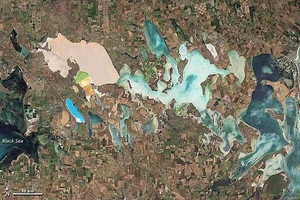
From mainland Ukraine, the Crimean Peninsula extends southward, bordered on the west by the Black Sea and on the east by the Sea of Azov. Stretching across the peninsula is a network of shallow, marshy inlets sprawling over roughly 2,600 sq km (1,000 sq mi). This network of lagoons is known as Syvash (also Sivash or Sivas). During the summer months, the warmed marsh waters give off unpleasant odors, lending the region the nicknames of "Rotten Sea" or "Putrid Sea." This natural-color satellite image shows the shallow waters and varied chemical composition of the Syvash lagoons contribute to their unearthly colors of peach, mustard, lime green, blue, blue-green, beige, and brown. Thick layers of silt coat the bottoms of the shallow marshes, which are rich enough in mineral salts to supply a local chemical plant. Surrounding the marshy areas are mostly agricultural fields. Urbanized areas appear along the shores of the Black Sea, and highways curve and zigzag across the peninsula. Outside of the marshes, the land in this area is generally a level plain of arid steppe. In colder months, frosts alternate with thaws, and fogs are frequent. Photo courtesy of NASA.
From mainland Ukraine, the Crimean Peninsula extends southward, bordered on the west by the Black Sea and on the east by the Sea of Azov. Stretching across the peninsula is a network of shallow, marshy inlets sprawling over roughly 2,600 sq km (1,000 sq mi). This network of lagoons is known as Syvash (also Sivash or Sivas). During the summer months, the warmed marsh waters give off unpleasant odors, lending the region the nicknames of "Rotten Sea" or "Putrid Sea."
This natural-color satellite image shows the shallow waters and varied chemical composition of the Syvash lagoons contribute to their unearthly colors of peach, mustard, lime green, blue, blue-green, beige, and brown. Thick layers of silt coat the bottoms of the shallow marshes, which are rich enough in mineral salts to supply a local chemical plant.
Surrounding the marshy areas are mostly agricultural fields. Urbanized areas appear along the shores of the Black Sea, and highways curve and zigzag across the peninsula. Outside of the marshes, the land in this area is generally a level plain of arid steppe. In colder months, frosts alternate with thaws, and fogs are frequent. Photo courtesy of NASA. • CIA World Factbook • 2020
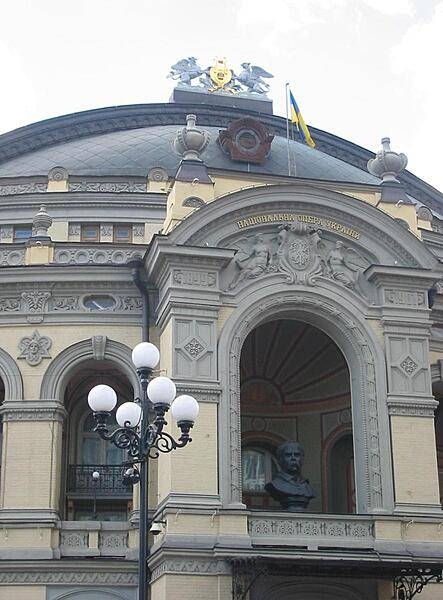
The National Opera House of Ukraine in Kyiv is named after Taras Shevchenko, Ukraine's most famous poet and artist. His bust sits in an alcove over the entranceway.
The National Opera House of Ukraine in Kyiv is named after Taras Shevchenko, Ukraine's most famous poet and artist. His bust sits in an alcove over the entranceway. • CIA World Factbook • 2020
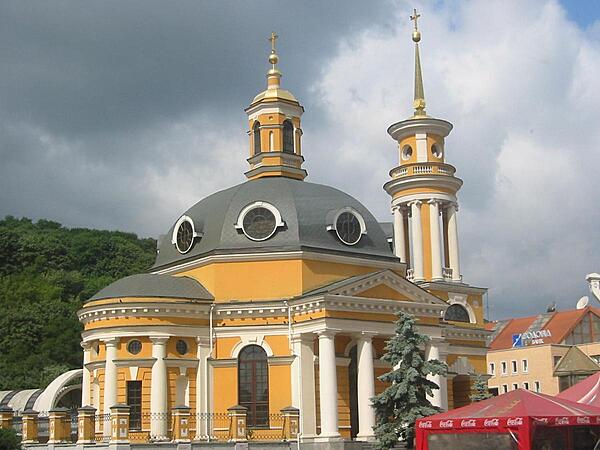
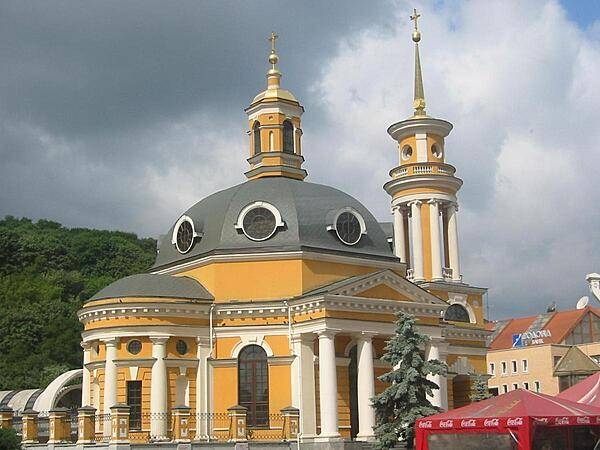
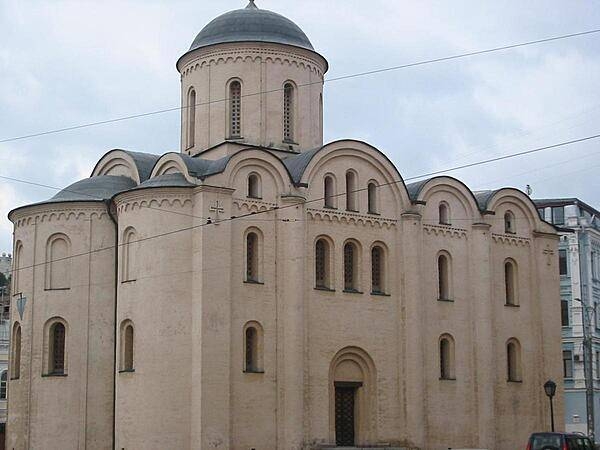
The Church of the Nativity was one of three Neoclassical churches in the Podil area of Kyiv that was destroyed by the Soviet Government in the 1930s. Originally constructed between 1809 and 1814, it was chiefly remembered as the church where the body of Taras Shevchenko, Ukraine's national bard, lay in state in 1861 while on its way to its final resting place in Kaniv. Torn down in 1935, the church was rebuilt in 2005.
The Church of the Nativity was one of three Neoclassical churches in the Podil area of Kyiv that was destroyed by the Soviet Government in the 1930s. Originally constructed between 1809 and 1814, it was chiefly remembered as the church where the body of Taras Shevchenko, Ukraine's national bard, lay in state in 1861 while on its way to its final resting place in Kaniv. Torn down in 1935, the church was rebuilt in 2005. • CIA World Factbook • 2020
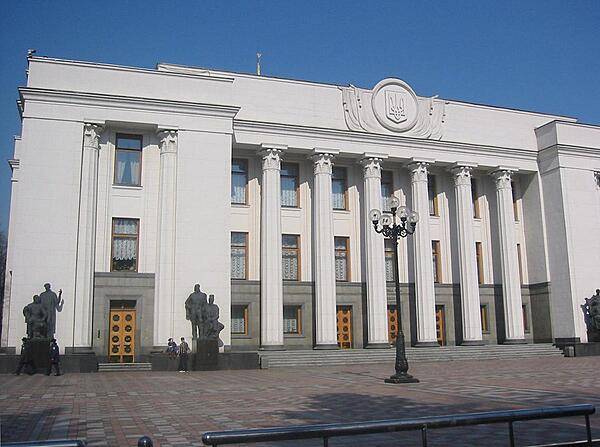
The Verkhovna Rada (Supreme Council) building in Kyiv is home to Ukraine's 450-member parliament.
The Verkhovna Rada (Supreme Council) building in Kyiv is home to Ukraine's 450-member parliament. • CIA World Factbook • 2020
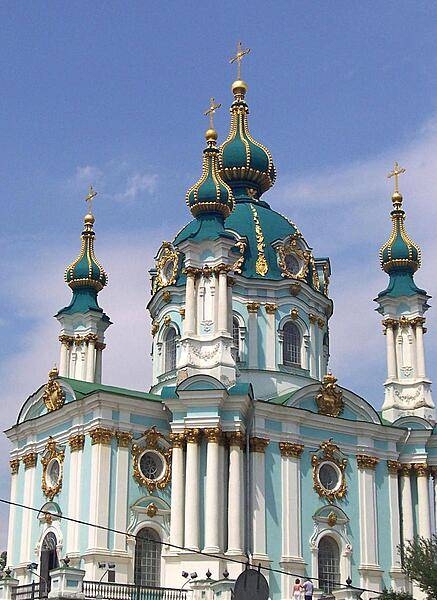
The Baroque Saint Andrew's Church in the Podil neighborhood of Kyiv was designed by the famous architect Bartolomeo Rastrelli and constructed between 1747 and 1754. It is reputed to stand on the site where in the first century A.D. Saint Andrew planted a cross and prophesied that a great Christian city would one day rise.
The Baroque Saint Andrew's Church in the Podil neighborhood of Kyiv was designed by the famous architect Bartolomeo Rastrelli and constructed between 1747 and 1754. It is reputed to stand on the site where in the first century A.D. Saint Andrew planted a cross and prophesied that a great Christian city would one day rise. • CIA World Factbook • 2020
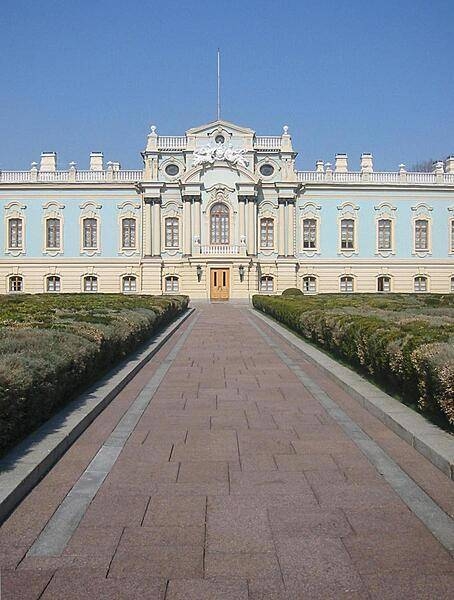
Approaching the Mariinsky Palace in Kyiv, the official ceremonial residence of the president of Ukraine. The palace is one of two magnificent Baroque buildings in Ukraine designed by the renowned architect Bartolomeo Rastrelli (the other is Saint Andrew's Church, in Kyiv).
Approaching the Mariinsky Palace in Kyiv, the official ceremonial residence of the president of Ukraine. The palace is one of two magnificent Baroque buildings in Ukraine designed by the renowned architect Bartolomeo Rastrelli (the other is Saint Andrew's Church, in Kyiv). • CIA World Factbook • 2020
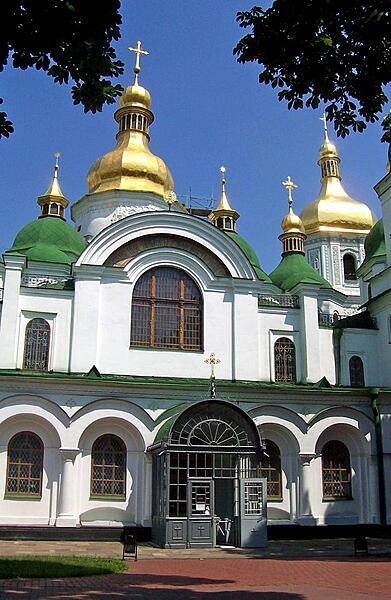
Saint Sophia Cathedral in Kyiv was completed in 1037 during the reign of Yaroslav the Wise. The ruler was buried in the church in 1054 in a six-ton marble sarcophagus that still survives. Although the cathedral's exterior was remodeled into the Ukrainian Baroque style in the 17th century, its original Byzantine interior was preserved. It was the first Ukrainian monument to be inscribed onto the World Heritage List.
Saint Sophia Cathedral in Kyiv was completed in 1037 during the reign of Yaroslav the Wise. The ruler was buried in the church in 1054 in a six-ton marble sarcophagus that still survives. Although the cathedral's exterior was remodeled into the Ukrainian Baroque style in the 17th century, its original Byzantine interior was preserved. It was the first Ukrainian monument to be inscribed onto the World Heritage List. • CIA World Factbook • 2020
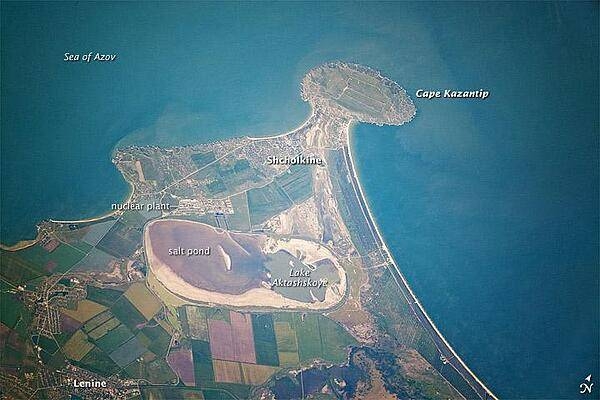
Cape Kazantyp is a prominent headland on the Kerch Peninsula, which defines the southern shore of the Sea of Azov and the east extension of the Crimean Peninsula. Due to its relatively low latitude (45° N) the Crimea has been the warm holidaying destination for generations of Ukrainians and Russians. Towns in the Kazantyp area-Lenine, Shcholkine-offer tourist attractions ranging from birdwatching to beaches and music festivals. This detailed astronaut photograph was taken from the International Space Station when it was located 400 km (250 mi) to the northeast, but due to the long (800 mm) lens used, the photo includes detailed field patterns and city blocks. Green and brown fields show intensive agricultural activity in the area, and salt ponds are visible at the west end of the shallow Lake Aktashskoye at image center. The distance from the tip of the Cape to the largest local city, Lenine is only 20 km (12 mi). Shcholkine is a new town built in 1978 to house workers of the planned Crimean nuclear power plant. The partially completed plant was inspected following the Chernobyl disaster of 1986 and found to be located on a site prone to earthquakes. Further construction was terminated, and the construction equipment and already built structures were abandoned in place. Today, Shcholkine is an increasingly popular tourist destination. Image courtesy of NASA.
Cape Kazantyp is a prominent headland on the Kerch Peninsula, which defines the southern shore of the Sea of Azov and the east extension of the Crimean Peninsula. Due to its relatively low latitude (45° N) the Crimea has been the warm holidaying destination for generations of Ukrainians and Russians. Towns in the Kazantyp area-Lenine, Shcholkine-offer tourist attractions ranging from birdwatching to beaches and music festivals.
This detailed astronaut photograph was taken from the International Space Station when it was located 400 km (250 mi) to the northeast, but due to the long (800 mm) lens used, the photo includes detailed field patterns and city blocks. Green and brown fields show intensive agricultural activity in the area, and salt ponds are visible at the west end of the shallow Lake Aktashskoye at image center. The distance from the tip of the Cape to the largest local city, Lenine is only 20 km (12 mi).
Shcholkine is a new town built in 1978 to house workers of the planned Crimean nuclear power plant. The partially completed plant was inspected following the Chernobyl disaster of 1986 and found to be located on a site prone to earthquakes. Further construction was terminated, and the construction equipment and already built structures were abandoned in place. Today, Shcholkine is an increasingly popular tourist destination. Image courtesy of NASA. • CIA World Factbook • 2020
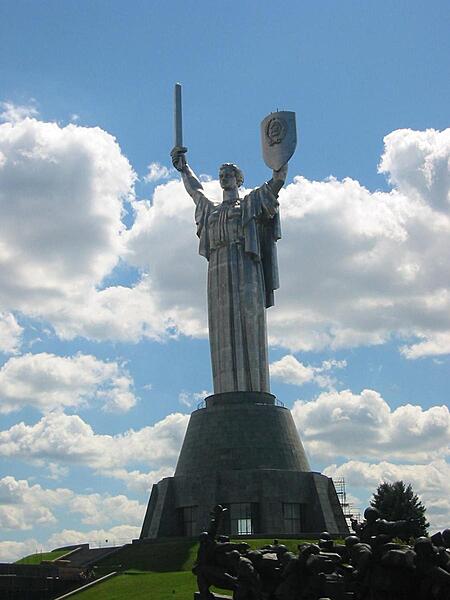
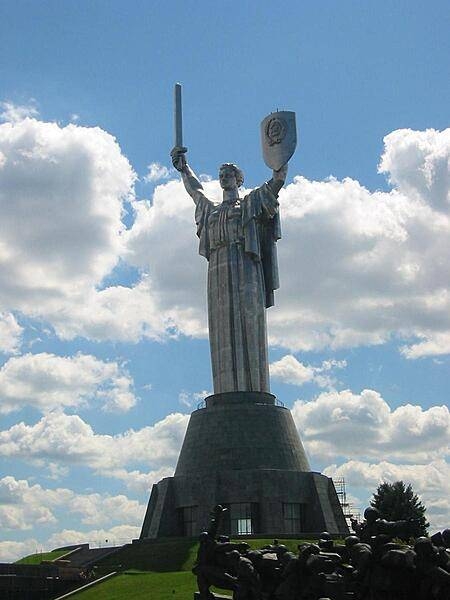
The Soviet-era Motherland Monument, sometimes referred to as the "Iron Lady," was supposed to symbolize the Soviet "Motherland." The 62-meter-high statue stands at the National Museum of the History of World War II in Kyiv, and still displays the Soviet coat of arms on its shield.
The Soviet-era Motherland Monument, sometimes referred to as the "Iron Lady," was supposed to symbolize the Soviet "Motherland." The 62-meter-high statue stands at the National Museum of the History of World War II in Kyiv, and still displays the Soviet coat of arms on its shield. • CIA World Factbook • 2020
CIA World Factbook • 2020
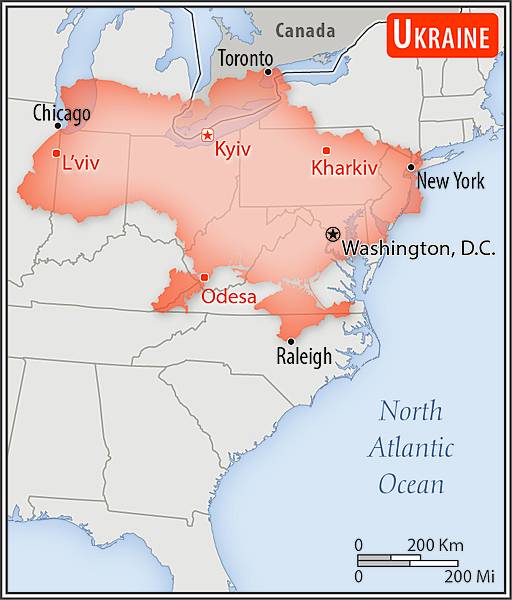
Area comparison map
Area comparison map • CIA World Factbook • 2020
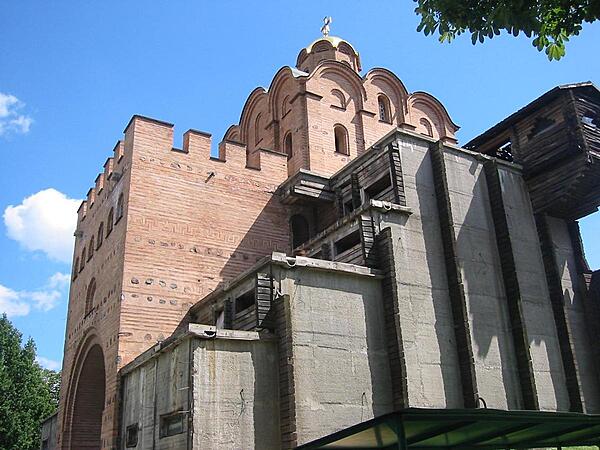
The Golden Gate in Kyiv was reconstructed in 1982 on the site of the city's medieval southern gate. The structure was one of three originally built in 1037 as part of the city's fortifications.
The Golden Gate in Kyiv was reconstructed in 1982 on the site of the city's medieval southern gate. The structure was one of three originally built in 1037 as part of the city's fortifications. • CIA World Factbook • 2020
CIA World Factbook • 2020
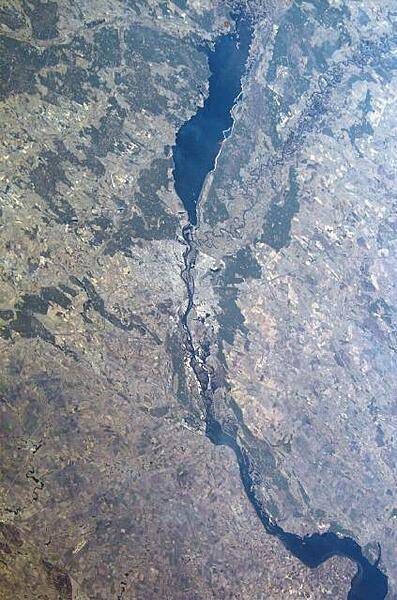
This image - taken from the International Space Station - shows the Ukrainian capital city of Kyiv stradling the Dnieper River. North of the city is the Kyiv Reservoir, one of a series of lakes created by dams along the Dnieper. Image courtesy of NASA.
This image - taken from the International Space Station - shows the Ukrainian capital city of Kyiv stradling the Dnieper River. North of the city is the Kyiv Reservoir, one of a series of lakes created by dams along the Dnieper. Image courtesy of NASA. • CIA World Factbook • 2020
CIA World Factbook • 2020
CIA World Factbook • 2020
CIA World Factbook • 2020
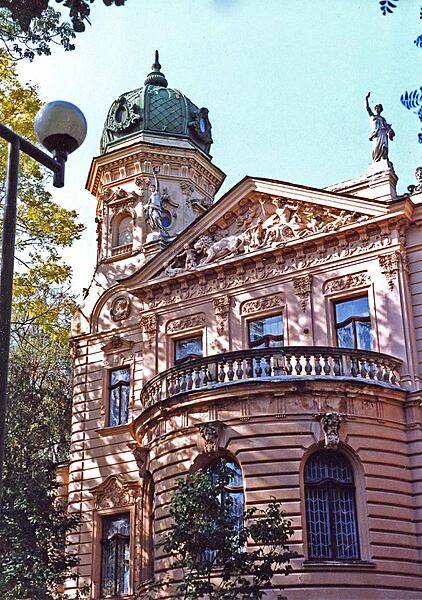
The ornate Neo-Baroque decorations of the National Museum in Lviv.
The ornate Neo-Baroque decorations of the National Museum in Lviv. • CIA World Factbook • 2020
CIA World Factbook • 2020
CIA World Factbook • 2020
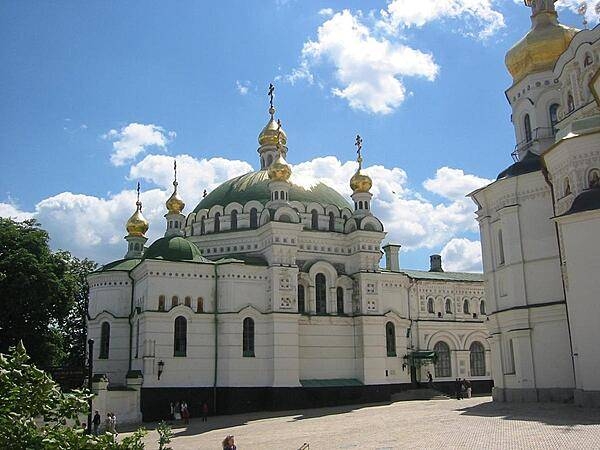
Part of the historic Kyiv Pechersk Lavra (Kyiv Monastery of the Caves) complex. Since its founding as a rock-hewn cave monastery in 1015, the site has been a preeminent center of Orthodox Christianity in Eastern Europe.
Part of the historic Kyiv Pechersk Lavra (Kyiv Monastery of the Caves) complex. Since its founding as a rock-hewn cave monastery in 1015, the site has been a preeminent center of Orthodox Christianity in Eastern Europe. • CIA World Factbook • 2020
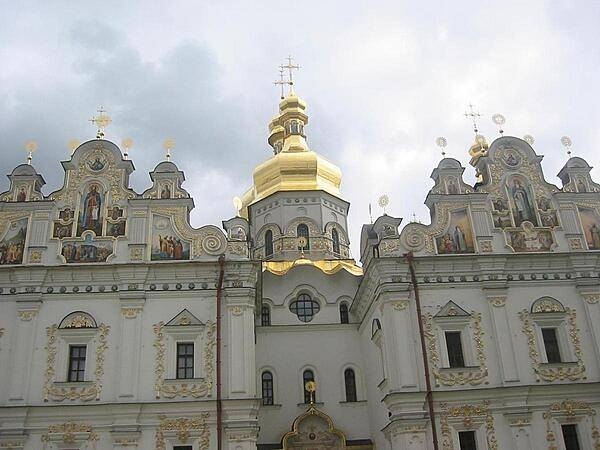
CIA World Factbook • 2020
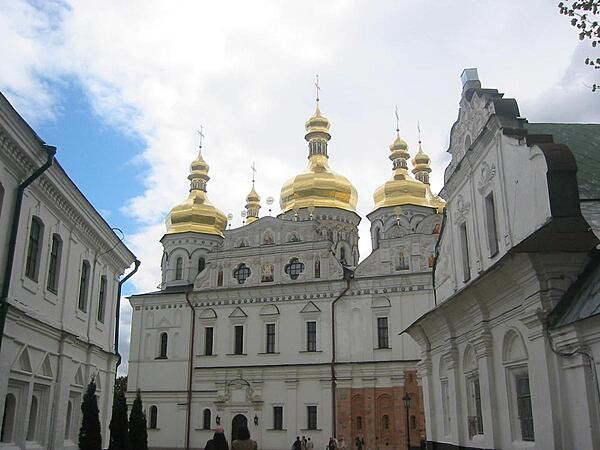
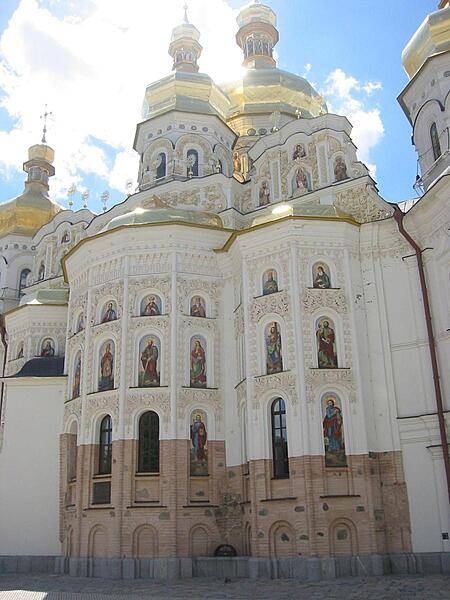
A rear view of the Uspensky Sobor (Dormition Cathedral) at the Kyiv Pechersk Lavra (Kyiv Monastery of the Caves) complex.
A rear view of the Uspensky Sobor (Dormition Cathedral) at the Kyiv Pechersk Lavra (Kyiv Monastery of the Caves) complex. • CIA World Factbook • 2020
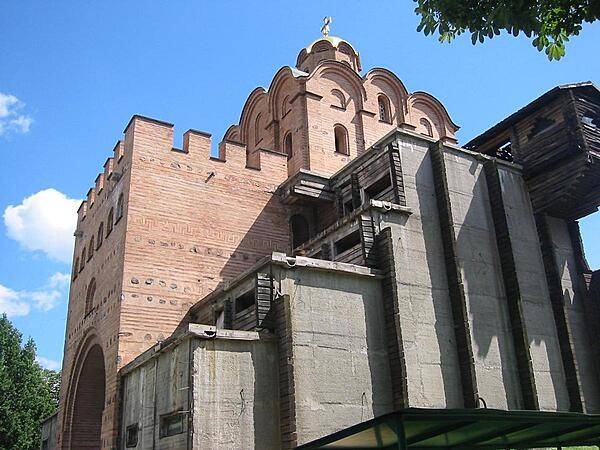
CIA World Factbook • 2020
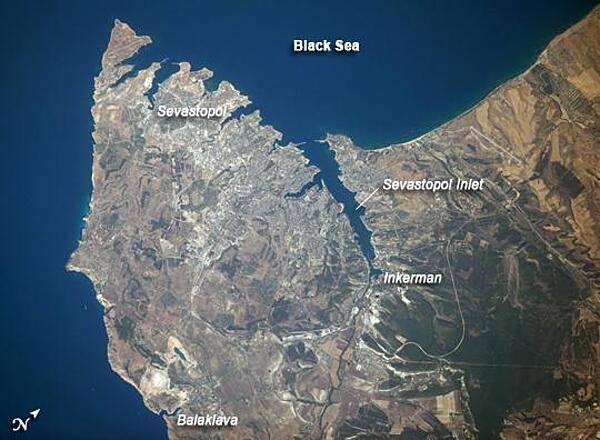
The port city of Sevastopol is located in southernmost Ukraine on the Crimean Peninsula. The city is an important naval base due to the numerous inlets and bays along the coastline. During the Cold War, the city was the base of the Soviet Black Sea Fleet, but now it services vessels of both Ukraine and Russia. The main economy of the city is based on trade and shipbuilding, but Sevastopol is also a popular tourist and resort destination. Photo courtesy of NASA.
The port city of Sevastopol is located in southernmost Ukraine on the Crimean Peninsula. The city is an important naval base due to the numerous inlets and bays along the coastline. During the Cold War, the city was the base of the Soviet Black Sea Fleet, but now it services vessels of both Ukraine and Russia. The main economy of the city is based on trade and shipbuilding, but Sevastopol is also a popular tourist and resort destination. Photo courtesy of NASA. • CIA World Factbook • 2020
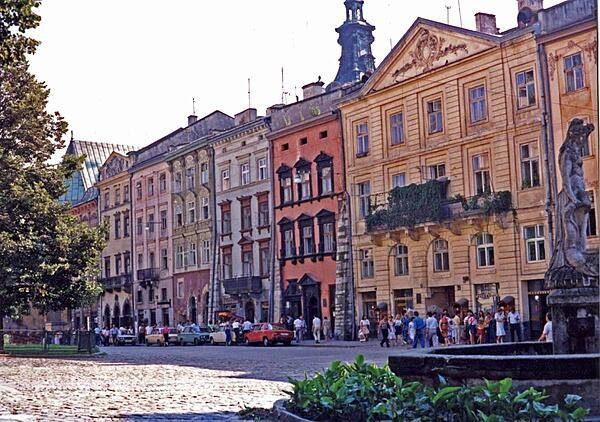
A view along Rynok (Market) Square in Lviv.
A view along Rynok (Market) Square in Lviv. • CIA World Factbook • 2020
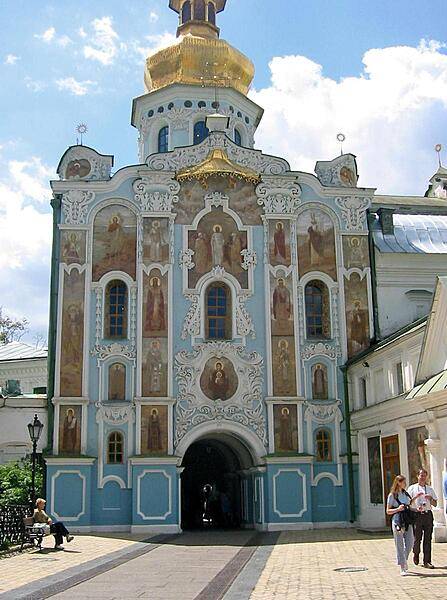
The Troitska Nadbrama Tserkva (Gate Church of the Trinity) sits atop the main entrance to the historic Kyiv Pechersk Lavra (Kyiv Monastery of the Caves) complex. First constructed in 1106-1108, it was destroyed during the Mongol invasion of 1240, but subsequently reconstructed a number of times. It is now decorated in the Ukrainian Baroque style.
The Troitska Nadbrama Tserkva (Gate Church of the Trinity) sits atop the main entrance to the historic Kyiv Pechersk Lavra (Kyiv Monastery of the Caves) complex. First constructed in 1106-1108, it was destroyed during the Mongol invasion of 1240, but subsequently reconstructed a number of times. It is now decorated in the Ukrainian Baroque style. • CIA World Factbook • 2020
CIA World Factbook • 2020
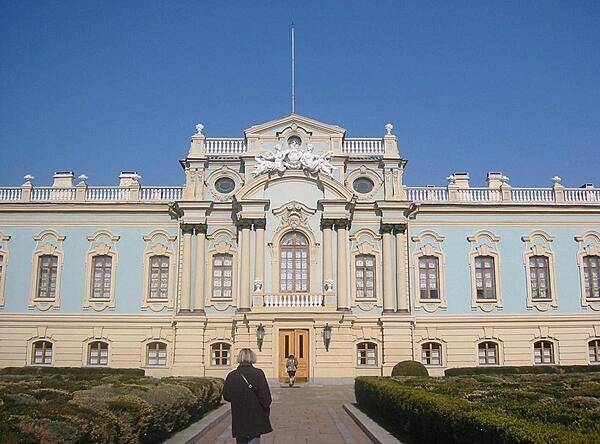
Closer view of the facade of the Mariinsky Palace in Kyiv, built between 1744 and 1752.
Closer view of the facade of the Mariinsky Palace in Kyiv, built between 1744 and 1752. • CIA World Factbook • 2020
CIA World Factbook • 2020
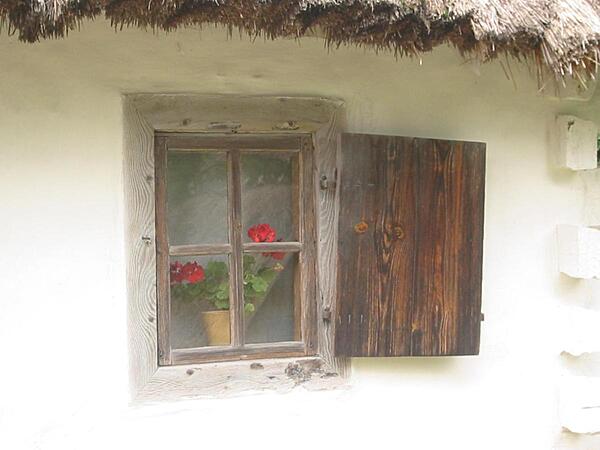
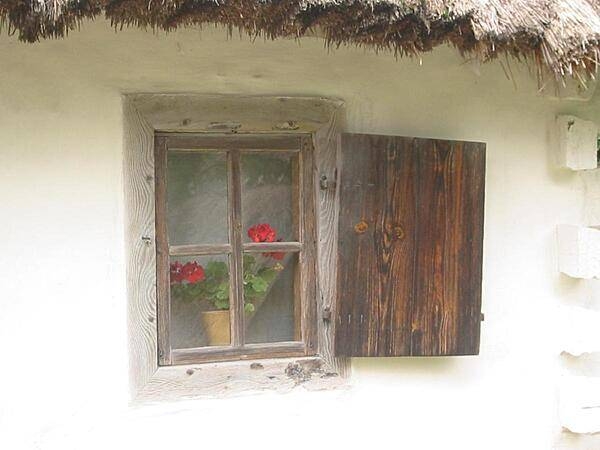
Geranium blossoms peer through a cottage window at the outdoor Museum of Folk Architecture and Life in Pyrohiv, just south of Kyiv.
Geranium blossoms peer through a cottage window at the outdoor Museum of Folk Architecture and Life in Pyrohiv, just south of Kyiv. • CIA World Factbook • 2020
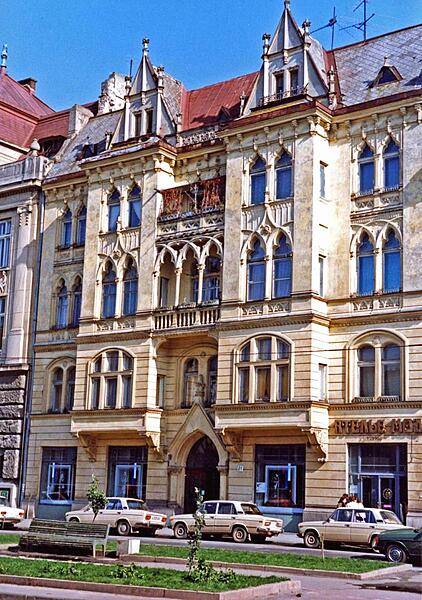
A Neo-Gothic building facade in Lviv.
A Neo-Gothic building facade in Lviv. • CIA World Factbook • 2020
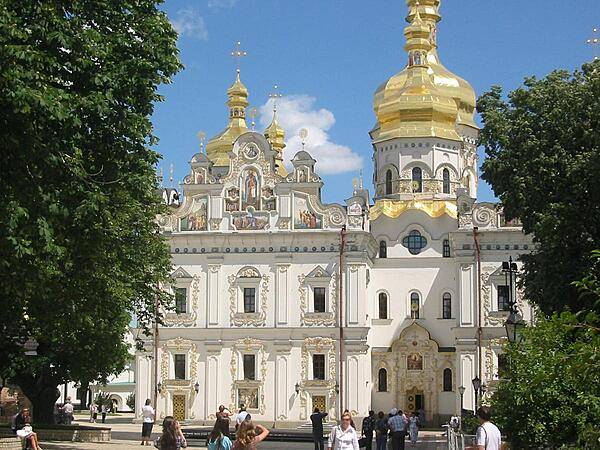
The Uspensky Sobor (Dormition Cathedral) at the Kyiv Pechersk Lavra (Kyiv Monastery of the Caves) complex. Originally constructed between 1073 and 1078, it was further enlarged over the subsequent centuries. Destroyed by the Soviet Army in 1941, the cathedral was rebuilt between 1998 and 2000.
The Uspensky Sobor (Dormition Cathedral) at the Kyiv Pechersk Lavra (Kyiv Monastery of the Caves) complex. Originally constructed between 1073 and 1078, it was further enlarged over the subsequent centuries. Destroyed by the Soviet Army in 1941, the cathedral was rebuilt between 1998 and 2000. • CIA World Factbook • 2020
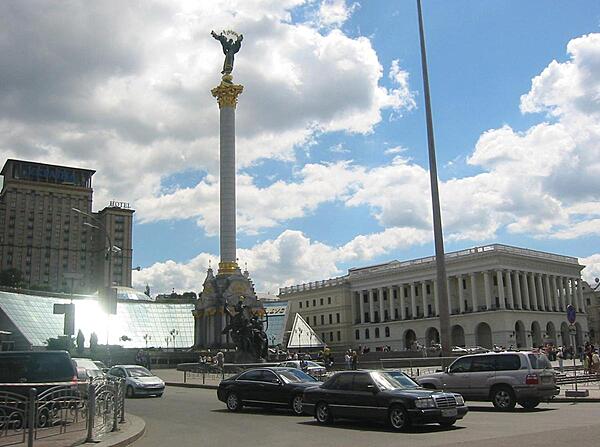
A view of Maidan Nezalezhnosty (Independence Square) in the center of Kyiv. The huge plaza has been the site of many political protests, the most famous being the Orange Revolution of 2004. During holidays the square is the scene of parades and open air concerts.
A view of Maidan Nezalezhnosty (Independence Square) in the center of Kyiv. The huge plaza has been the site of many political protests, the most famous being the Orange Revolution of 2004. During holidays the square is the scene of parades and open air concerts. • CIA World Factbook • 2020
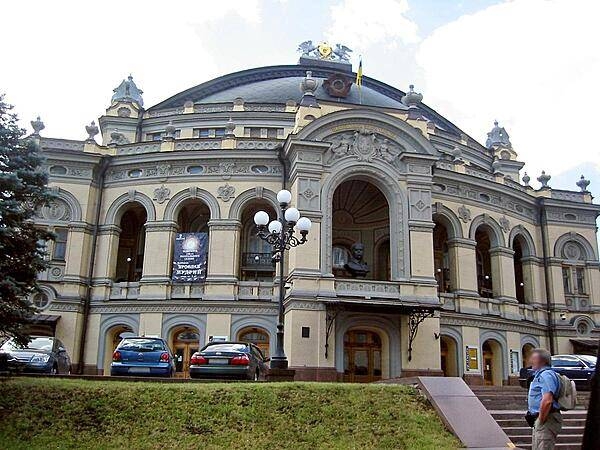
The Neo-Renaissance National Opera House of Ukraine in Kyiv, constructed between 1898 and 1901, boasts one of the largest stages in Europe. Its opera company has acquired an international reputation.
The Neo-Renaissance National Opera House of Ukraine in Kyiv, constructed between 1898 and 1901, boasts one of the largest stages in Europe. Its opera company has acquired an international reputation. • CIA World Factbook • 2020
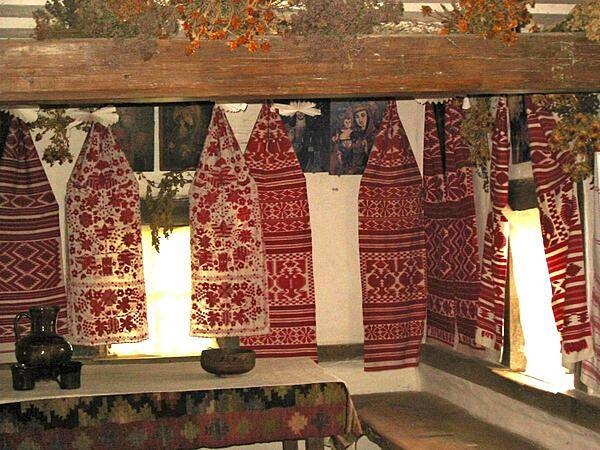
Embroidered towels, icons, and drying herbs and flowers decorate the interior of a peasant home at the Museum of Folk Architecture and Life in Pyrohiv, south of Kyiv.
Embroidered towels, icons, and drying herbs and flowers decorate the interior of a peasant home at the Museum of Folk Architecture and Life in Pyrohiv, south of Kyiv. • CIA World Factbook • 2020
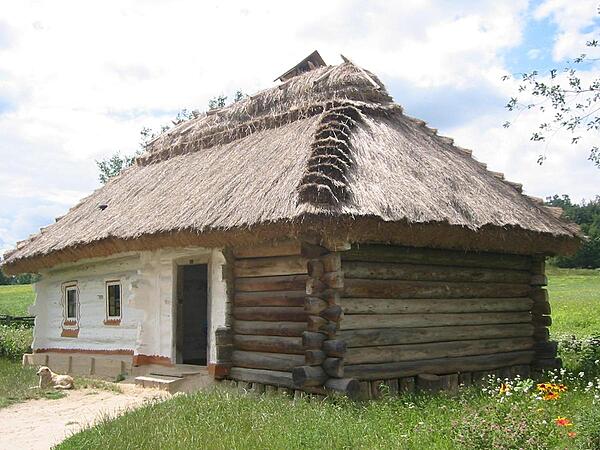
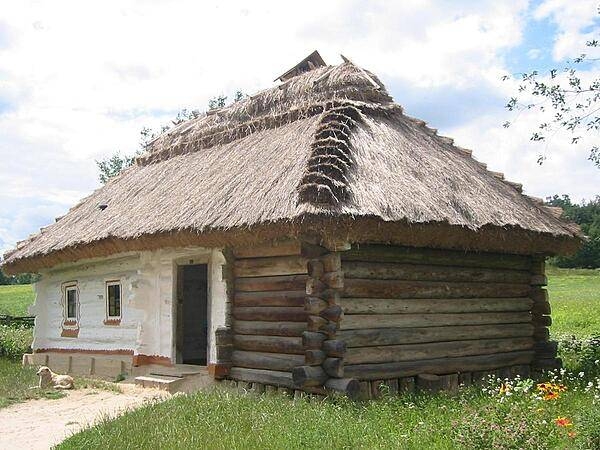
Ukrainian peasant house at the outdoor Museum of Folk Architecture and Life in Pyrohiv, a neighborhood in the southern outskirts of Kyiv.
Ukrainian peasant house at the outdoor Museum of Folk Architecture and Life in Pyrohiv, a neighborhood in the southern outskirts of Kyiv. • CIA World Factbook • 2020
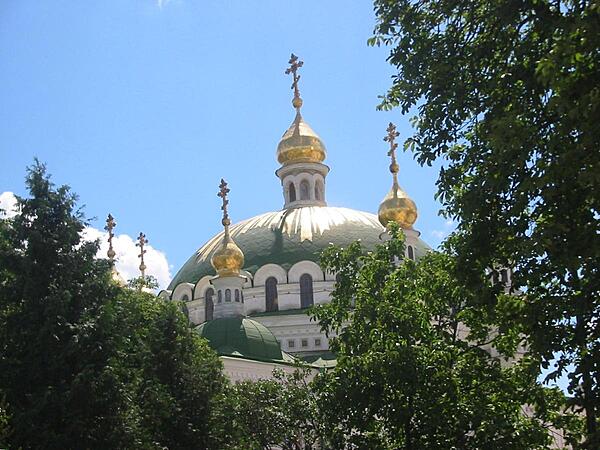
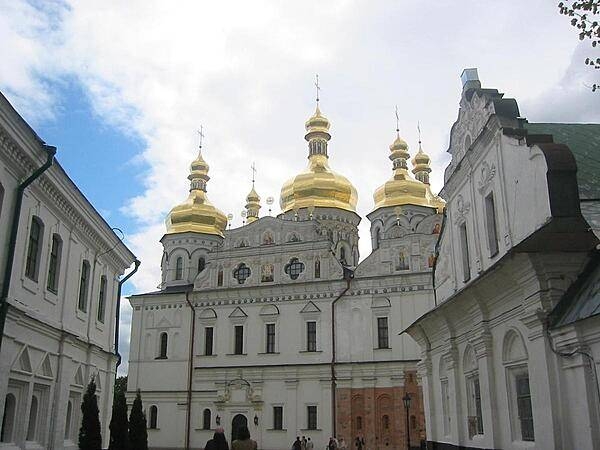
Golden-topped domes at the Kyiv Pechersk Lavra (Kyiv Monastery of the Caves). This monastery complex is one of the largest in Ukraine with over 20 churches and more than 1,000 meters of caves.
Golden-topped domes at the Kyiv Pechersk Lavra (Kyiv Monastery of the Caves). This monastery complex is one of the largest in Ukraine with over 20 churches and more than 1,000 meters of caves. • CIA World Factbook • 2020
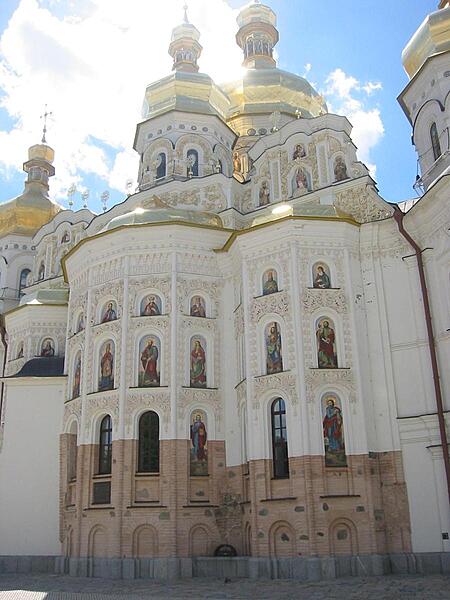
Another view of the Uspensky Sobor (Dormition Cathedral) at the Kyiv Pechersk Lavra (Kyiv Monastery of the Caves) complex. The unpainted section is meant to show what an earlier version of the church looked like before its 17th-century reconstruction in the Cossack Baroque style.
Another view of the Uspensky Sobor (Dormition Cathedral) at the Kyiv Pechersk Lavra (Kyiv Monastery of the Caves) complex. The unpainted section is meant to show what an earlier version of the church looked like before its 17th-century reconstruction in the Cossack Baroque style. • CIA World Factbook • 2020
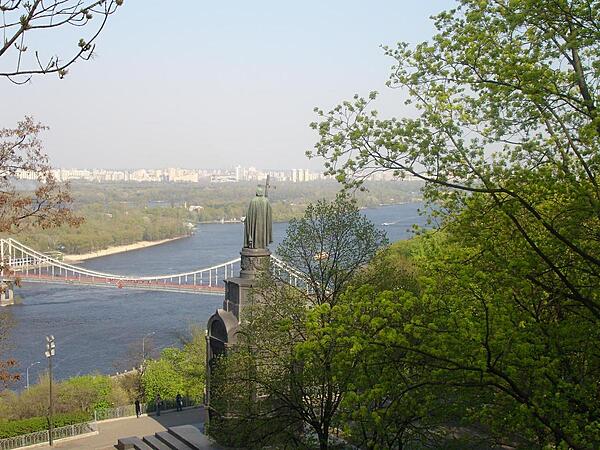
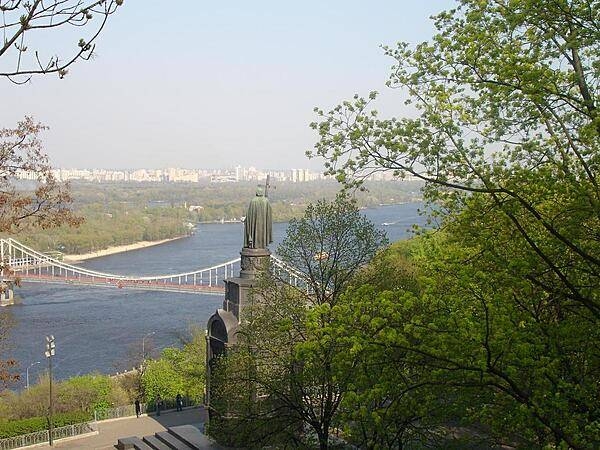
The statue of St. Volodymyr in Kyiv overlooking the Dnieper River. The location of the monument is reputed to be in the area where the saint forcibly baptized the populace of the city in A.D. 988.
The statue of St. Volodymyr in Kyiv overlooking the Dnieper River. The location of the monument is reputed to be in the area where the saint forcibly baptized the populace of the city in A.D. 988. • CIA World Factbook • 2020
Media source: CIA World Factbook (2020) — Public Domain