›››
Viet Nam — Media Gallery
99 items available (flags, maps, photos)
Photos
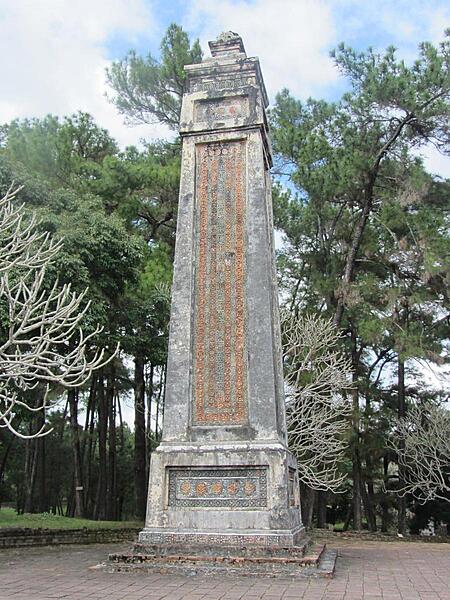
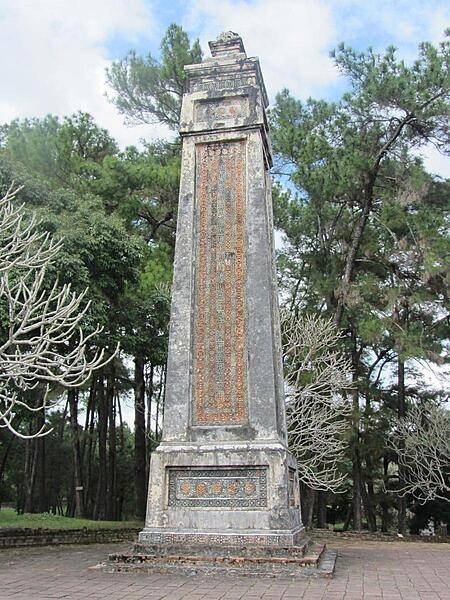
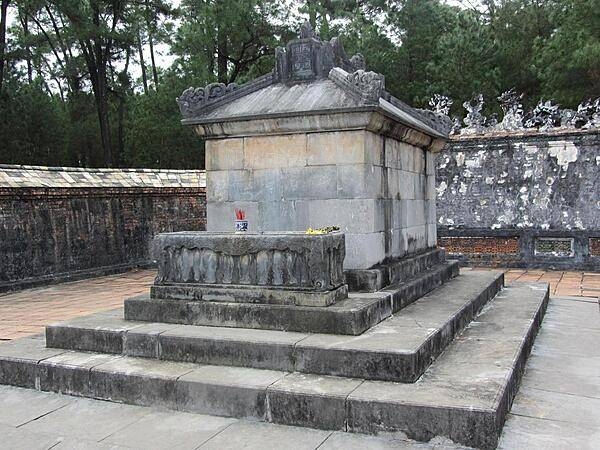
Stele in the pavilion just to the east of Emperor Tu Doc's Tomb in Hue. The stele bears Tu Doc's epitaph, which he composed himself because he never had a son. The stele is the largest of its type in Vietnam.
Stele in the pavilion just to the east of Emperor Tu Doc's Tomb in Hue. The stele bears Tu Doc's epitaph, which he composed himself because he never had a son. The stele is the largest of its type in Vietnam. • CIA World Factbook • 2020
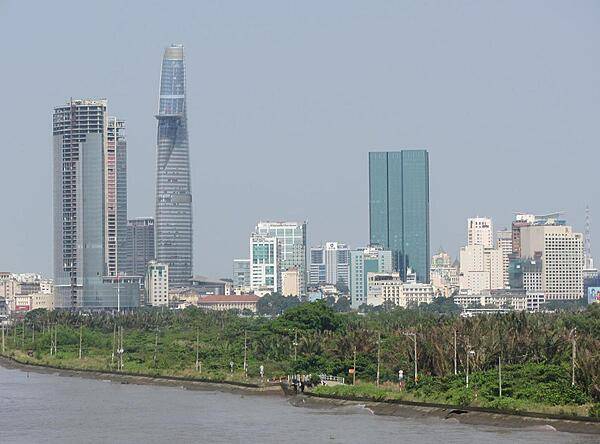
View of Ho Chi Minh City (aka Saigon) from the Saigon River. Saigon is Vietnam's major port and, with 8 million inhabitants, its largest city. It was called Saigon until 1975 when it was renamed Ho Chi Minh City following its capture by North Vietnamese communist forces. Although the city's commercial core is officially called Saigon, the entire city is widely referred to as Saigon even in the North. The city was architecturally influenced by the French during their colonial occupation of Vietnam. Numerous classical Western-style building in the city reflect this, so much so that Saigon was referred to as "The Pearl of the Far East" or "Paris in the Orient." In more recent years, a building boom has transformed the skyline of the city.
View of Ho Chi Minh City (aka Saigon) from the Saigon River. Saigon is Vietnam's major port and, with 8 million inhabitants, its largest city. It was called Saigon until 1975 when it was renamed Ho Chi Minh City following its capture by North Vietnamese communist forces. Although the city's commercial core is officially called Saigon, the entire city is widely referred to as Saigon even in the North. The city was architecturally influenced by the French during their colonial occupation of Vietnam. Numerous classical Western-style building in the city reflect this, so much so that Saigon was referred to as "The Pearl of the Far East" or "Paris in the Orient." In more recent years, a building boom has transformed the skyline of the city. • CIA World Factbook • 2020
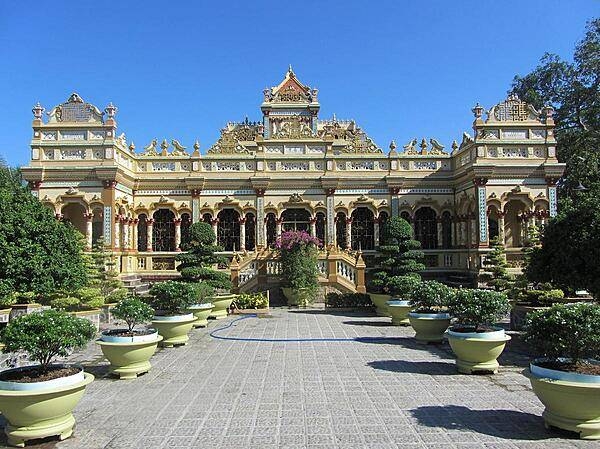
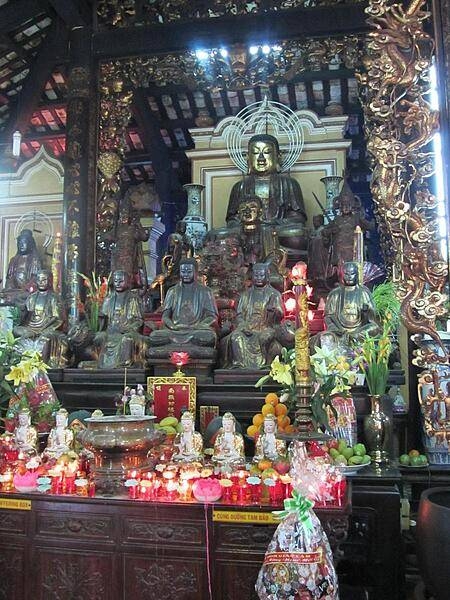
Vinh Trang Pagoda near the city of My Tho. Known of the "Gateway to the Mekong Delta," My Tho, with a population in excess of 200,000, lies on the My Tho River, a branch of the Mekong River, 70 km (45 mi) south of Saigon (Ho Chi Minh City). First completed in 1851, the Vinh Trang temple has been reconstructed a number of times.
Vinh Trang Pagoda near the city of My Tho. Known of the "Gateway to the Mekong Delta," My Tho, with a population in excess of 200,000, lies on the My Tho River, a branch of the Mekong River, 70 km (45 mi) south of Saigon (Ho Chi Minh City). First completed in 1851, the Vinh Trang temple has been reconstructed a number of times. • CIA World Factbook • 2020
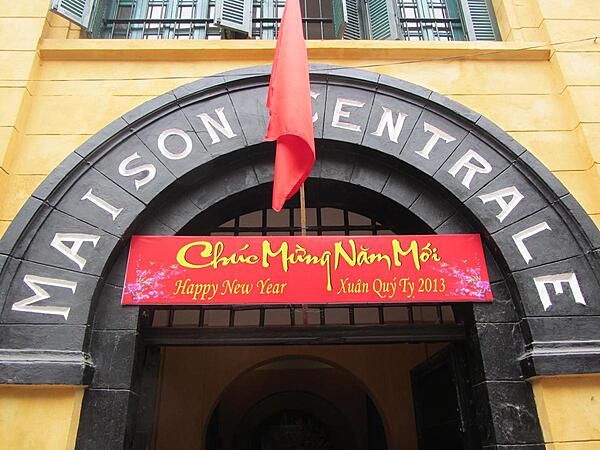
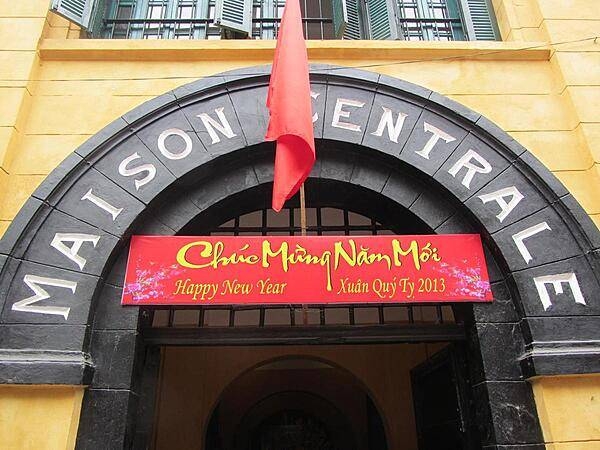
Entrance to the Maison Centrale or Central Prison in Hanoi. Built by the French beginning in 1886, it was used to imprison Vietnamese political prisoners and later by the Vietnamese to hold mostly US pilots during the Vietnamese War. It was referred to sarcastically as the "Hanoi Hilton" by US POWs and later in the US press. The prison was torn down in the mid-1990s and only the Gate House remains.
Entrance to the Maison Centrale or Central Prison in Hanoi. Built by the French beginning in 1886, it was used to imprison Vietnamese political prisoners and later by the Vietnamese to hold mostly US pilots during the Vietnamese War. It was referred to sarcastically as the "Hanoi Hilton" by US POWs and later in the US press. The prison was torn down in the mid-1990s and only the Gate House remains. • CIA World Factbook • 2020
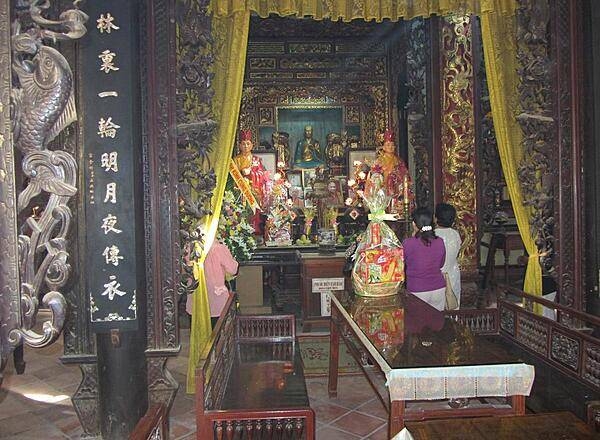
Shrine in the interior of the Vinh Trang Pagoda near the city of My Tho. Known of the "Gateway to the Mekong Delta," My Tho lies on the My Tho River, a branch of the Mekong River, 70 km (45 mi) south of Saigon (Ho Chi Minh City). First completed in 1851, the Vinh Trang temple has been reconstructed a number of times.
Shrine in the interior of the Vinh Trang Pagoda near the city of My Tho. Known of the "Gateway to the Mekong Delta," My Tho lies on the My Tho River, a branch of the Mekong River, 70 km (45 mi) south of Saigon (Ho Chi Minh City). First completed in 1851, the Vinh Trang temple has been reconstructed a number of times. • CIA World Factbook • 2020
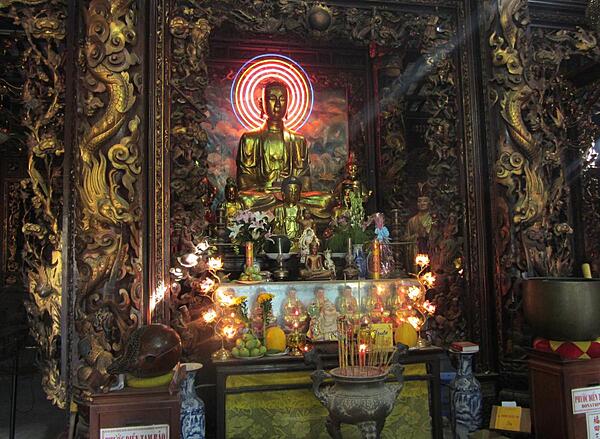
Shrine in the interior of the Vinh Trang Pagoda near the city of My Tho. Known of the "Gateway to the Mekong Delta," My Tho lies on the My Tho River, a branch of the Mekong River, 70 km (45 mi) south of Saigon (Ho Chi Minh City). First completed in 1851, the Vinh Trang temple has been reconstructed a number of times.
Shrine in the interior of the Vinh Trang Pagoda near the city of My Tho. Known of the "Gateway to the Mekong Delta," My Tho lies on the My Tho River, a branch of the Mekong River, 70 km (45 mi) south of Saigon (Ho Chi Minh City). First completed in 1851, the Vinh Trang temple has been reconstructed a number of times. • CIA World Factbook • 2020
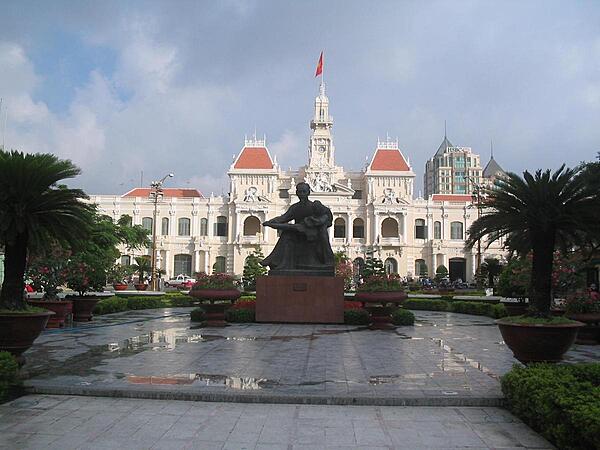
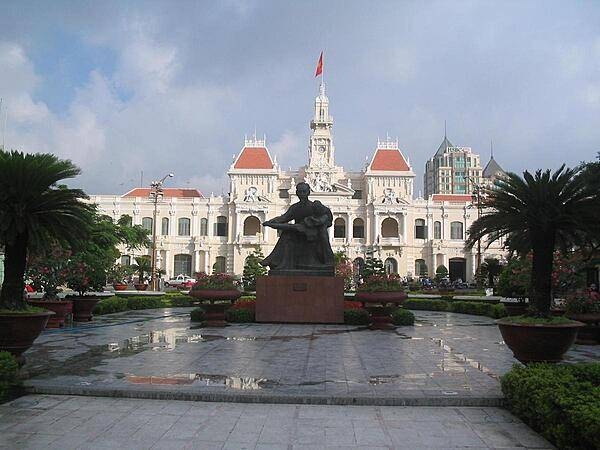
Statue of Ho Chi Minh reading to a child in front of the City Hall in Saigon (Ho Chi Minh City). Built by the French between 1898 and 1908, the beautifully ornamented structure is officially known as the Ho Chi Minh City People's Committee Building and is not open to the public.
Statue of Ho Chi Minh reading to a child in front of the City Hall in Saigon (Ho Chi Minh City). Built by the French between 1898 and 1908, the beautifully ornamented structure is officially known as the Ho Chi Minh City People's Committee Building and is not open to the public. • CIA World Factbook • 2020
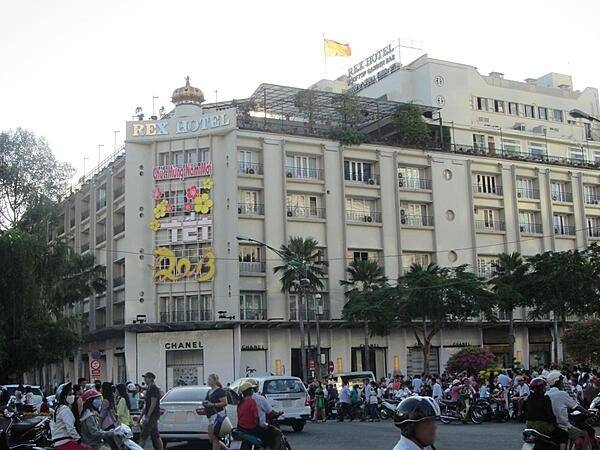
The Rex Hotel in Saigon (Ho Chi Minh City) was built in 1927 as a two-story auto dealership and garage complex. The building was renovated from 1959 to 1975 into a 100-room hotel with three movie theaters, a cafeteria, dance hall, and library. The hotel was made famous during the Vietnam War when it hosted the American military command's daily press conference dubbed by skeptical journalists as the "Five o'clock Follies." The rooftop bar was a well-known gathering spot for military officials and war correspondents.
The Rex Hotel in Saigon (Ho Chi Minh City) was built in 1927 as a two-story auto dealership and garage complex. The building was renovated from 1959 to 1975 into a 100-room hotel with three movie theaters, a cafeteria, dance hall, and library. The hotel was made famous during the Vietnam War when it hosted the American military command's daily press conference dubbed by skeptical journalists as the "Five o'clock Follies." The rooftop bar was a well-known gathering spot for military officials and war correspondents. • CIA World Factbook • 2020
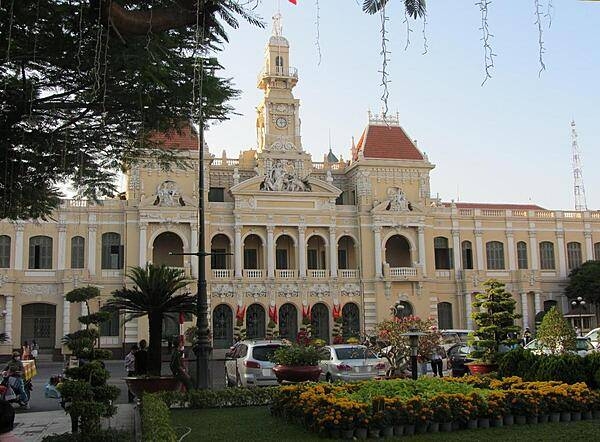
City Hall in Saigon (Ho Chi Minh City) was built in French colonial style between 1898 and 1908. Officially known as the Ho Chi Minh City People's Committee Building, the lovely structure is a working government building and is not open to the public.
City Hall in Saigon (Ho Chi Minh City) was built in French colonial style between 1898 and 1908. Officially known as the Ho Chi Minh City People's Committee Building, the lovely structure is a working government building and is not open to the public. • CIA World Factbook • 2020
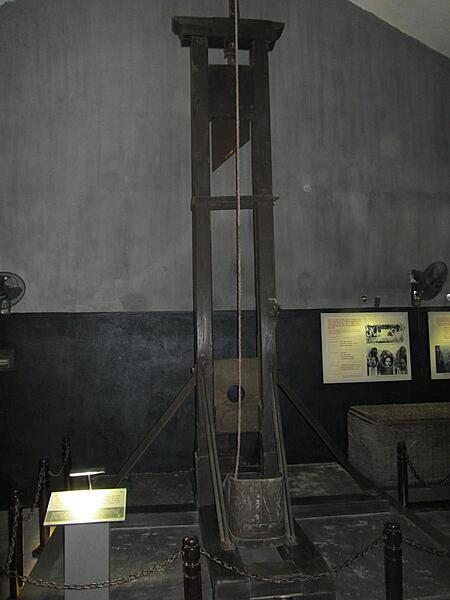
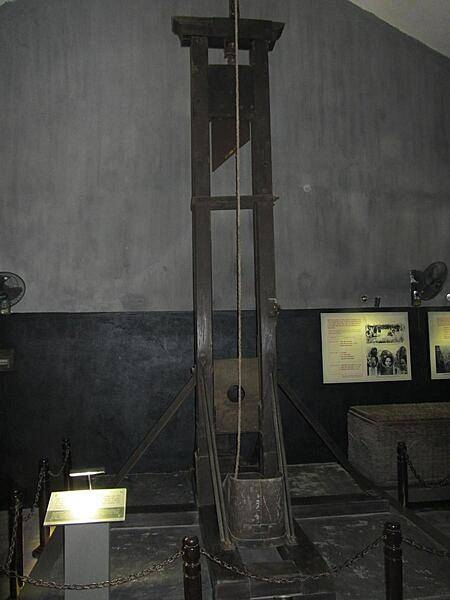
Guillotine used to execute prisoners in the Maison Centrale or Central Prison in Hanoi. Built by the French beginning in 1886, it was used to imprison Vietnamese political prisoners and later by the Vietnamese to hold mostly US pilots during the Vietnamese War. It was referred to sarcastically as the "Hanoi Hilton" by US POWs and later in the US press. The prison was torn down in the mid-1990s and only the Gate House remains.
Guillotine used to execute prisoners in the Maison Centrale or Central Prison in Hanoi. Built by the French beginning in 1886, it was used to imprison Vietnamese political prisoners and later by the Vietnamese to hold mostly US pilots during the Vietnamese War. It was referred to sarcastically as the "Hanoi Hilton" by US POWs and later in the US press. The prison was torn down in the mid-1990s and only the Gate House remains. • CIA World Factbook • 2020
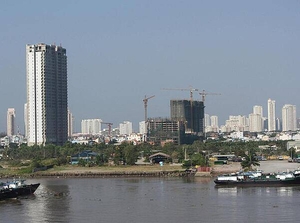
View of Ho Chi Minh City (aka Saigon) from the Saigon River. Saigon is Vietnam's major port and, with 8 million inhabitants, its largest city. It was called Saigon until 1975 when it was renamed Ho Chi Minh City following its capture by North Vietnamese communist forces. Although the city's commercial core is officially called Saigon, the entire city is widely referred to as Saigon even in the North. The city was architecturally influenced by the French during their colonial occupation of Vietnam. Numerous classical Western-style building in the city reflect this, so much so that Saigon was referred to as "The Pearl of the Far East" or "Paris in the Orient." In more recent years, a building boom has transformed the skyline of the city.
View of Ho Chi Minh City (aka Saigon) from the Saigon River. Saigon is Vietnam's major port and, with 8 million inhabitants, its largest city. It was called Saigon until 1975 when it was renamed Ho Chi Minh City following its capture by North Vietnamese communist forces. Although the city's commercial core is officially called Saigon, the entire city is widely referred to as Saigon even in the North. The city was architecturally influenced by the French during their colonial occupation of Vietnam. Numerous classical Western-style building in the city reflect this, so much so that Saigon was referred to as "The Pearl of the Far East" or "Paris in the Orient." In more recent years, a building boom has transformed the skyline of the city. • CIA World Factbook • 2020
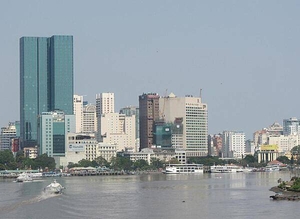
View of Ho Chi Minh City (aka Saigon) from the Saigon River. Saigon is Vietnam's major port and, with 8 million inhabitants, its largest city. It was called Saigon until 1975 when it was renamed Ho Chi Minh City following its capture by North Vietnamese communist forces. Although the city's commercial core is officially called Saigon, the entire city is widely referred to as Saigon even in the North. The city was architecturally influenced by the French during their colonial occupation of Vietnam. Numerous classical Western-style building in the city reflect this, so much so that Saigon was referred to as "The Pearl of the Far East" or "Paris in the Orient." In more recent years, a building boom has transformed the skyline of the city.
View of Ho Chi Minh City (aka Saigon) from the Saigon River. Saigon is Vietnam's major port and, with 8 million inhabitants, its largest city. It was called Saigon until 1975 when it was renamed Ho Chi Minh City following its capture by North Vietnamese communist forces. Although the city's commercial core is officially called Saigon, the entire city is widely referred to as Saigon even in the North. The city was architecturally influenced by the French during their colonial occupation of Vietnam. Numerous classical Western-style building in the city reflect this, so much so that Saigon was referred to as "The Pearl of the Far East" or "Paris in the Orient." In more recent years, a building boom has transformed the skyline of the city. • CIA World Factbook • 2020
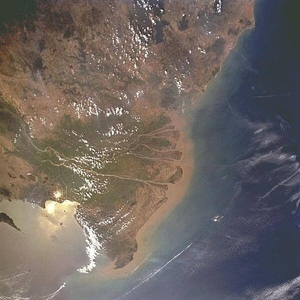
This low-oblique photograph shows the lower Mekong River and its vast delta. Rising on the Plateau of Tibet, the Mekong flows generally southeast for 4,160 km (2,600 mi) and empties into the South China Sea through the large delta. The vast, swampy delta, crisscrossed by many channels and canals, is one of the greatest rice-growing regions of Asia. Barely discernible northeast of the delta is Ho Chi Minh City, formerly Saigon. Point Cau Mau, the southern tip of Vietnam, is visible southeast of the delta. Image courtesy of NASA.
This low-oblique photograph shows the lower Mekong River and its vast delta. Rising on the Plateau of Tibet, the Mekong flows generally southeast for 4,160 km (2,600 mi) and empties into the South China Sea through the large delta. The vast, swampy delta, crisscrossed by many channels and canals, is one of the greatest rice-growing regions of Asia. Barely discernible northeast of the delta is Ho Chi Minh City, formerly Saigon. Point Cau Mau, the southern tip of Vietnam, is visible southeast of the delta. Image courtesy of NASA. • CIA World Factbook • 2020
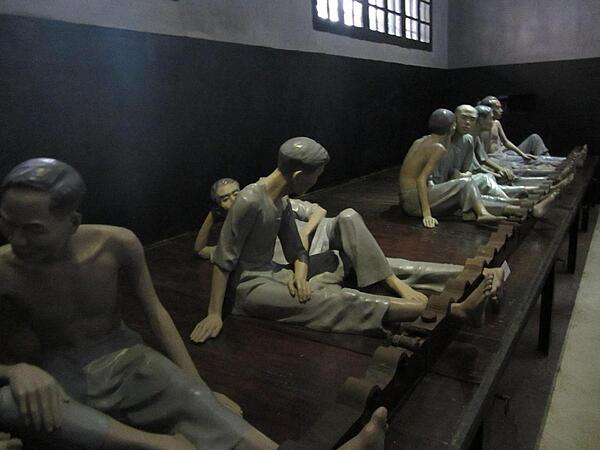
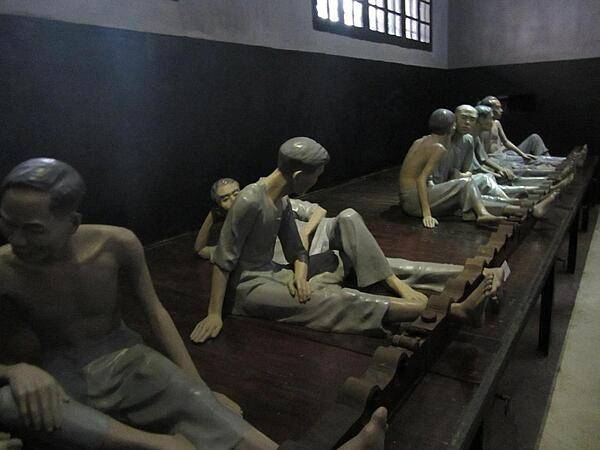
Exhibit showing how political prisoners were punished in the Maison Centrale or Central Prison in Hanoi. Built by the French beginning in 1886, it was used to imprison Vietnamese political prisoners and later by the Vietnamese to hold mostly US pilots during the Vietnamese War. It was referred to sarcastically as the "Hanoi Hilton" by US POWs and later in the US press. The prison was torn down in the mid-1990s and only the Gate House remains.
Exhibit showing how political prisoners were punished in the Maison Centrale or Central Prison in Hanoi. Built by the French beginning in 1886, it was used to imprison Vietnamese political prisoners and later by the Vietnamese to hold mostly US pilots during the Vietnamese War. It was referred to sarcastically as the "Hanoi Hilton" by US POWs and later in the US press. The prison was torn down in the mid-1990s and only the Gate House remains. • CIA World Factbook • 2020
CIA World Factbook • 2020
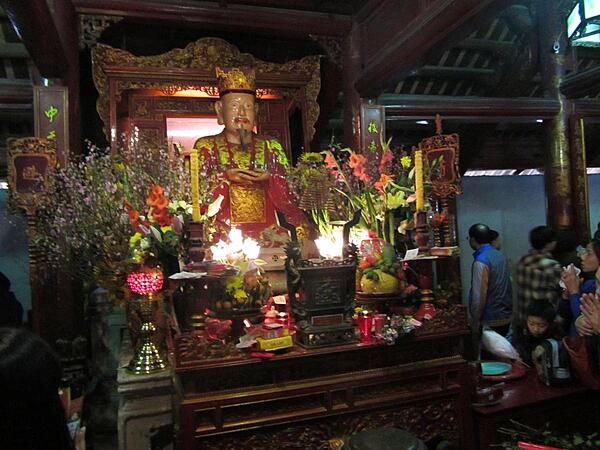
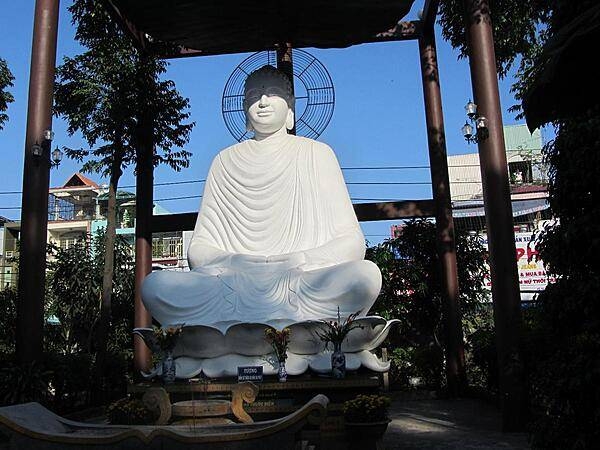
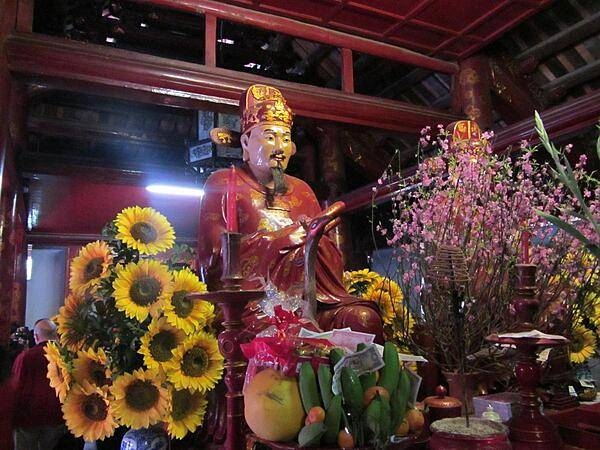
Buddha in the Temple of Literature in Hanoi. The temple was built in 1070 by Emperor Ly Thanh Tong in honor of the Chinese philosopher Confucius.
Buddha in the Temple of Literature in Hanoi. The temple was built in 1070 by Emperor Ly Thanh Tong in honor of the Chinese philosopher Confucius. • CIA World Factbook • 2020
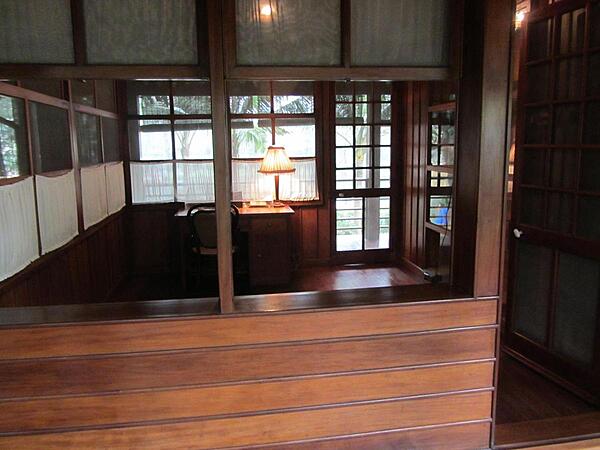
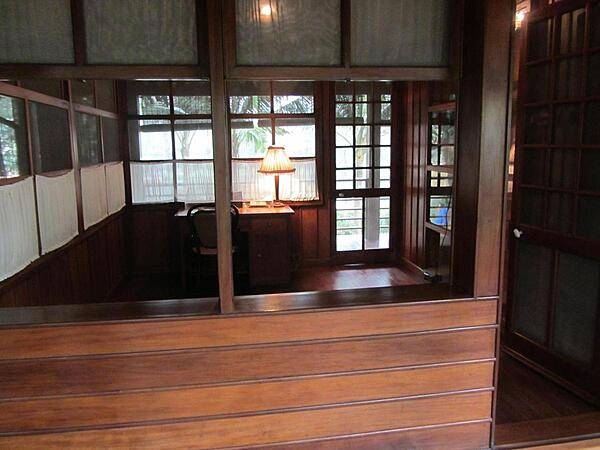
A portion of the outdoor office used by Ho Chi Minh on display in the Presidential Palace area near Ba Dinh Square in Hanoi.
A portion of the outdoor office used by Ho Chi Minh on display in the Presidential Palace area near Ba Dinh Square in Hanoi. • CIA World Factbook • 2020
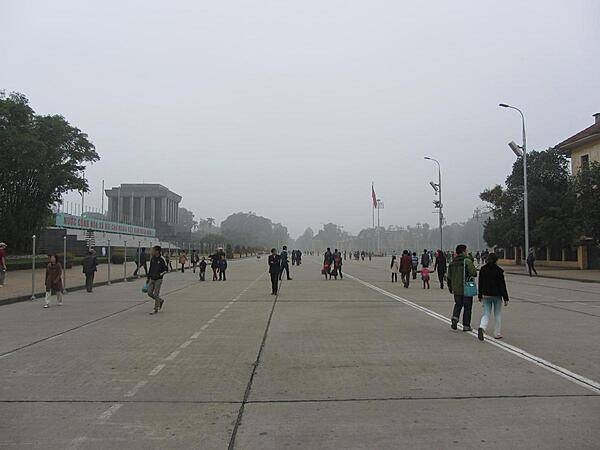
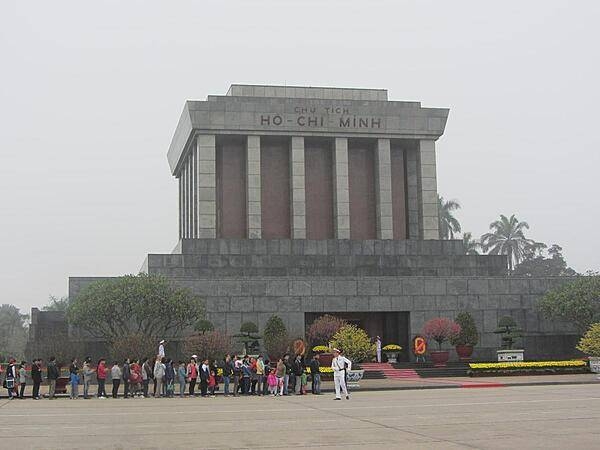
Ba Dinh Square in front of Ho Chi Minh Mausoleum in Hanoi.
Ba Dinh Square in front of Ho Chi Minh Mausoleum in Hanoi. • CIA World Factbook • 2020
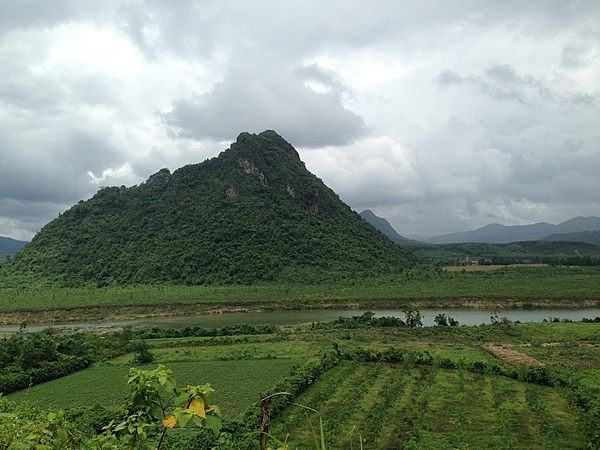
Another countryside view along the AH-16 highway.
Another countryside view along the AH-16 highway. • CIA World Factbook • 2020
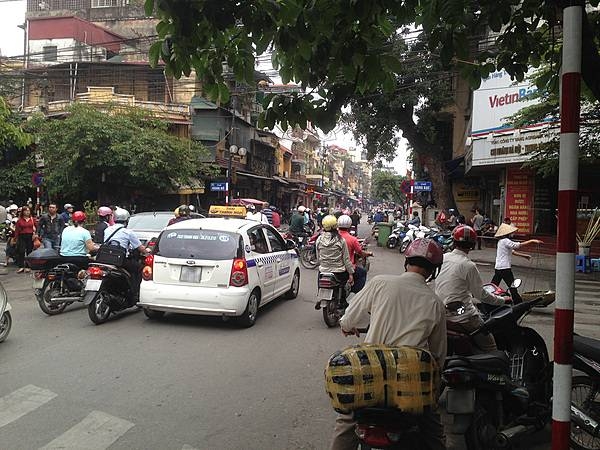
Street-level view of traffic in Hanoi.
Street-level view of traffic in Hanoi. • CIA World Factbook • 2020
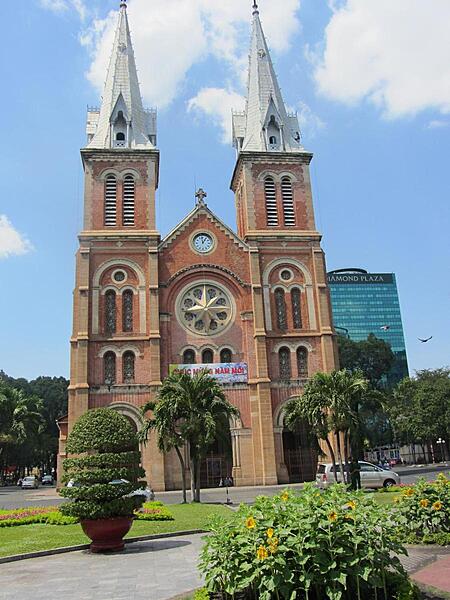
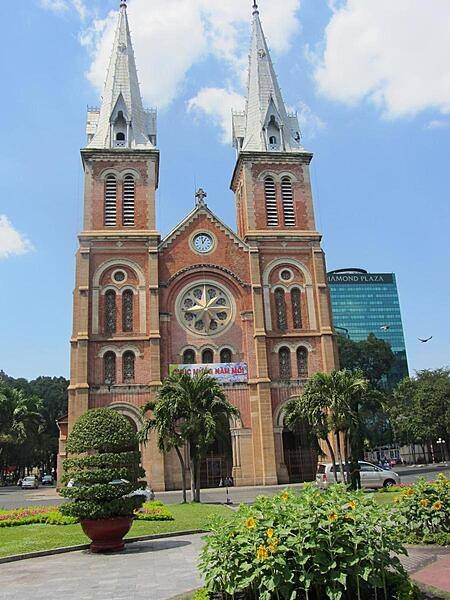
Notre Dame Cathedral in Saigon (Ho Chi Minh City) was built by French colonists from 1877 to 1880. The neo-Romanesque structure was constructed using stained-glass windows imported from Chartres and bricks from Marseilles. Masses are conducted in Vietnamese and English.
Notre Dame Cathedral in Saigon (Ho Chi Minh City) was built by French colonists from 1877 to 1880. The neo-Romanesque structure was constructed using stained-glass windows imported from Chartres and bricks from Marseilles. Masses are conducted in Vietnamese and English. • CIA World Factbook • 2020
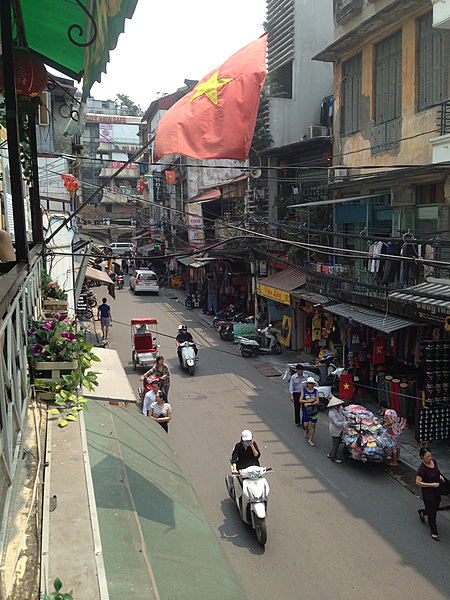
Street view in Hanoi.
Street view in Hanoi. • CIA World Factbook • 2020
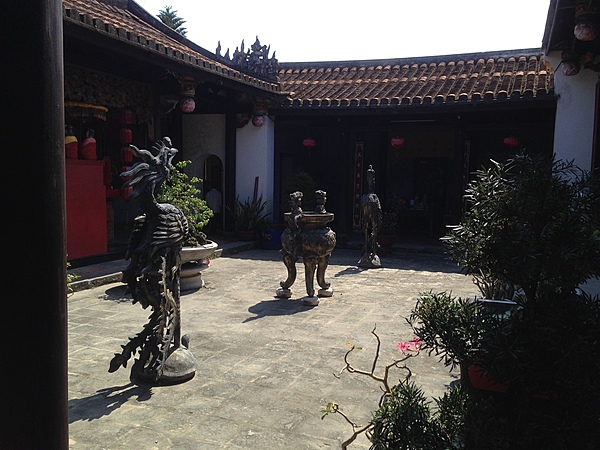
Figurines in a courtyard in the Old Town of Hoi An. The area is a UNESCO World Heritage Site.
Figurines in a courtyard in the Old Town of Hoi An. The area is a UNESCO World Heritage Site. • CIA World Factbook • 2020
CIA World Factbook • 2020
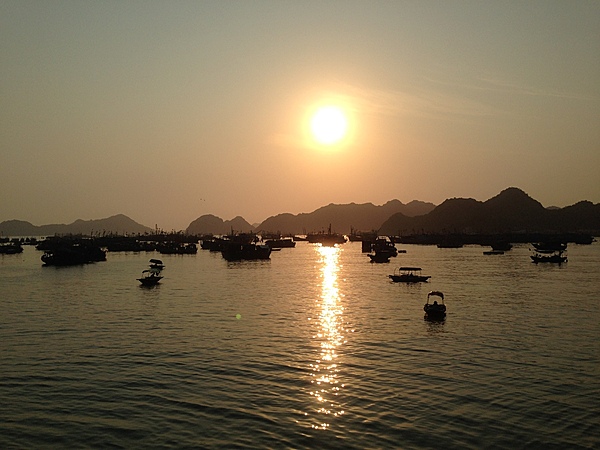
Sunset over Cat Ba, a large island that forms the southwestern boundary of Lan Ha Bay. Most of the island is a national park.
Sunset over Cat Ba, a large island that forms the southwestern boundary of Lan Ha Bay. Most of the island is a national park. • CIA World Factbook • 2020
CIA World Factbook • 2020
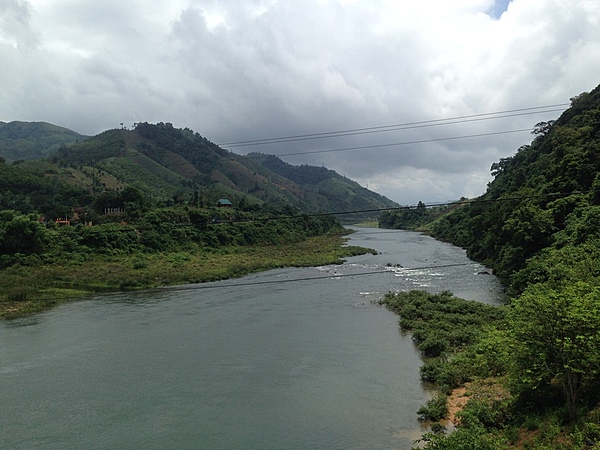
The Thach Han River winds through central Vietnam.
The Thach Han River winds through central Vietnam. • CIA World Factbook • 2020
CIA World Factbook • 2020
CIA World Factbook • 2020
CIA World Factbook • 2020
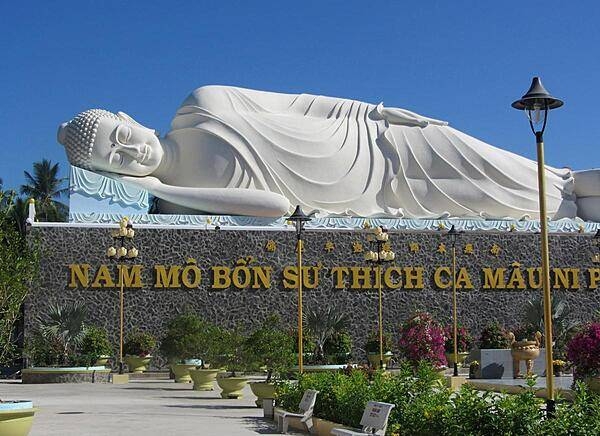
Reclining Buddha at Vinh Trang Pagoda near the city of My Tho. First completed in 1851, the Vinh Trang temple has been reconstructed a number of times.
Reclining Buddha at Vinh Trang Pagoda near the city of My Tho. First completed in 1851, the Vinh Trang temple has been reconstructed a number of times. • CIA World Factbook • 2020
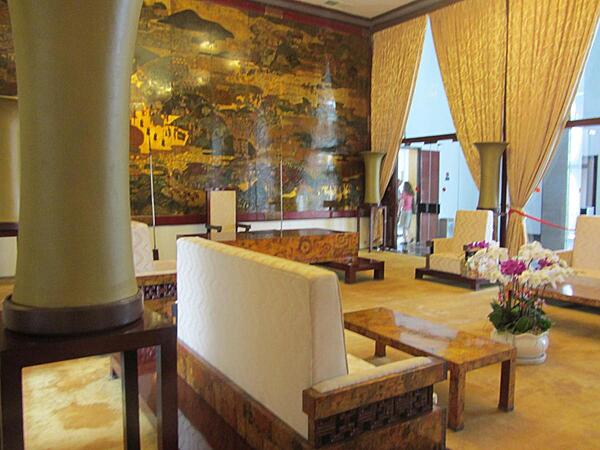
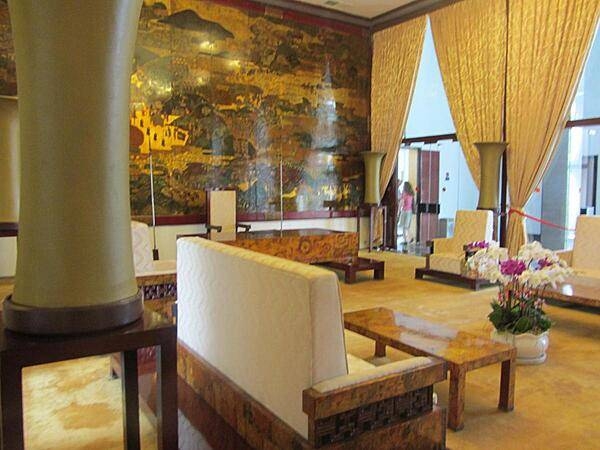
Reception room in the Reunification Palace in Saigon (Ho Chi Minh City). The palace was built between 1962 and 1966 on the site of the former Norodom Palace. It was the official headquarters and residence of the president of South Vietnam. The building was captured by North Vietnamese forces on 30 April 1975 and is now a museum with exhibits frozen in time from 1975.
Reception room in the Reunification Palace in Saigon (Ho Chi Minh City). The palace was built between 1962 and 1966 on the site of the former Norodom Palace. It was the official headquarters and residence of the president of South Vietnam. The building was captured by North Vietnamese forces on 30 April 1975 and is now a museum with exhibits frozen in time from 1975. • CIA World Factbook • 2020
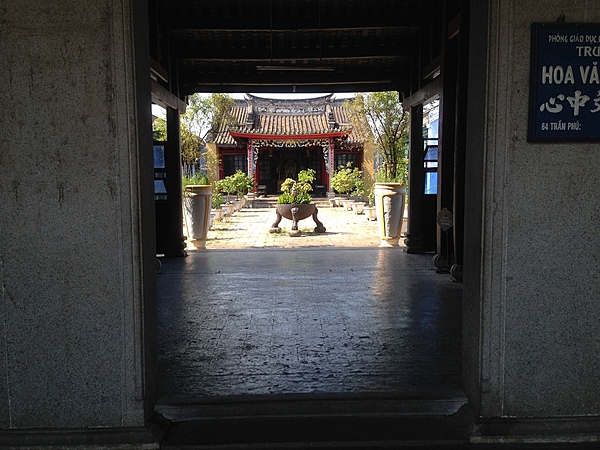
The Chinese Assembly Hall in the historic district (Old Town) of Hoi An. The area is recognized as an exceptionally well-preserved example of a Southeast Asian trading port dating to between the 15th-19th centuries; its buildings and street plan reflect a blend of indigenous and foreign influences.
The Chinese Assembly Hall in the historic district (Old Town) of Hoi An. The area is recognized as an exceptionally well-preserved example of a Southeast Asian trading port dating to between the 15th-19th centuries; its buildings and street plan reflect a blend of indigenous and foreign influences. • CIA World Factbook • 2020
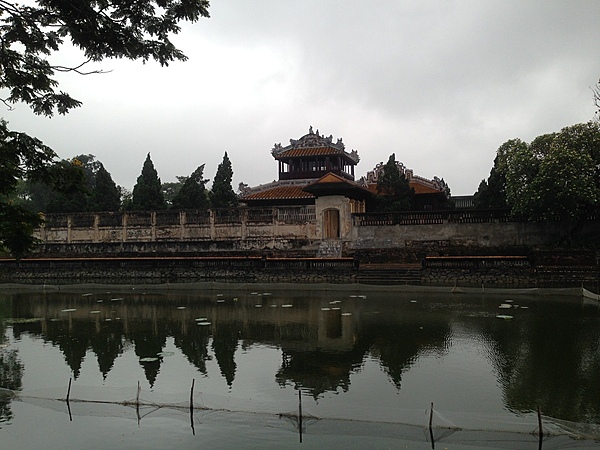
Some of the walls enclosing the Imperial City within the Citadel at Hue.
Some of the walls enclosing the Imperial City within the Citadel at Hue. • CIA World Factbook • 2020
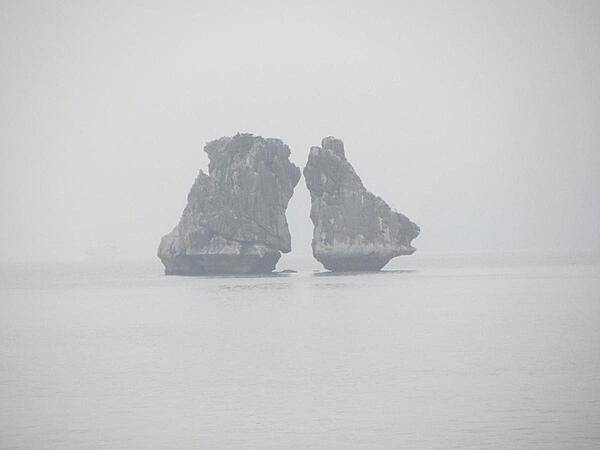
CIA World Factbook • 2020
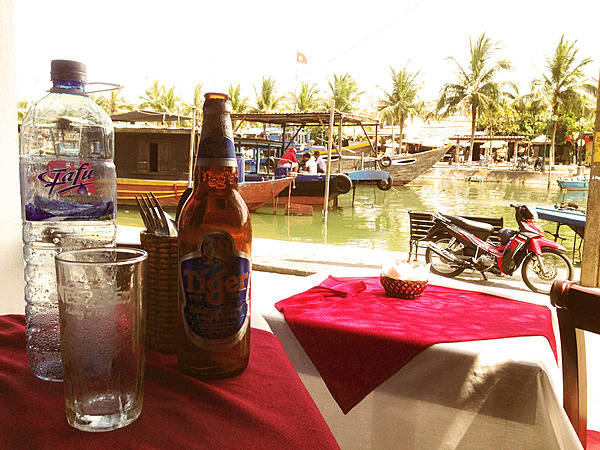
Waterfront restaurant scene at the port city of Hoi An.
Waterfront restaurant scene at the port city of Hoi An. • CIA World Factbook • 2020
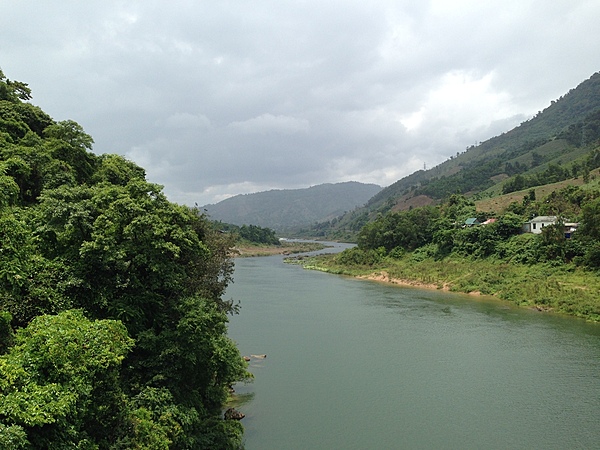
View of the Thach Han River as it winds through the hilly countryside.
View of the Thach Han River as it winds through the hilly countryside. • CIA World Factbook • 2020
CIA World Factbook • 2020
CIA World Factbook • 2020
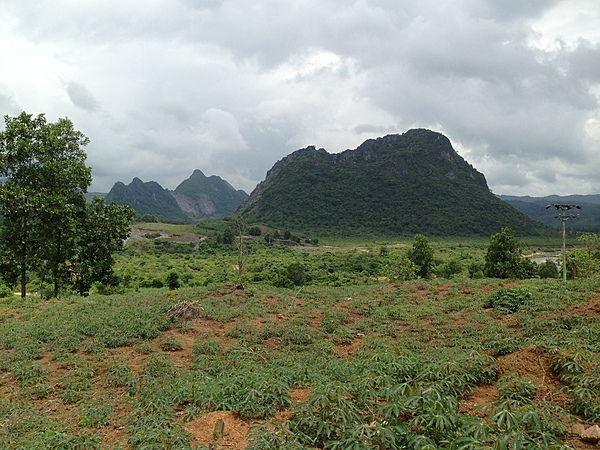
Countryside view along the AH-16 highway, the road between Dong Ha and Khe Sanh.
Countryside view along the AH-16 highway, the road between Dong Ha and Khe Sanh. • CIA World Factbook • 2020
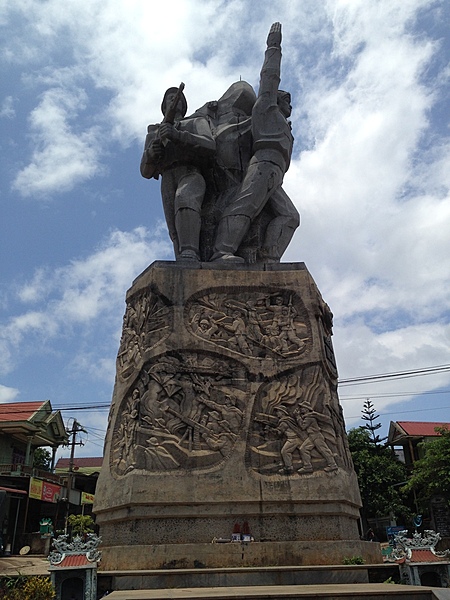
War monument in Khe Sanh, a district capital city in central Vietnam.
War monument in Khe Sanh, a district capital city in central Vietnam. • CIA World Factbook • 2020
CIA World Factbook • 2020
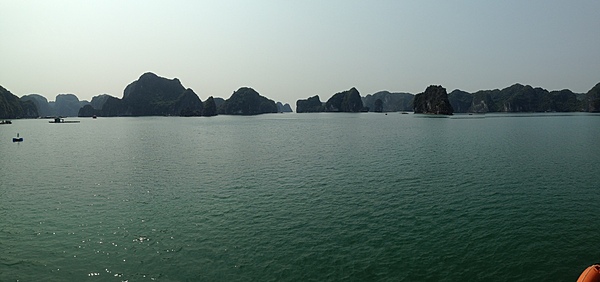
A view of some of the myriad small isles in La Han Bay.
A view of some of the myriad small isles in La Han Bay. • CIA World Factbook • 2020
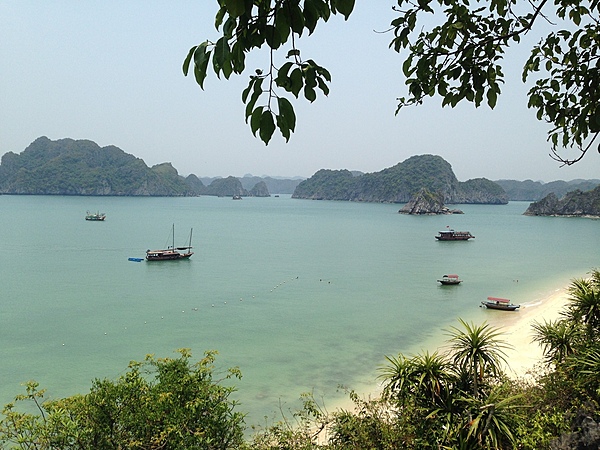
Lying south and east of Cat Ba Island, the roughly 300 karst islands and limestone outcrops of Lan Ha Bay are just as beautiful as those of Halong Bay but feel more untouched. They have the additional attraction of numerous white-sand beaches.
Lying south and east of Cat Ba Island, the roughly 300 karst islands and limestone outcrops of Lan Ha Bay are just as beautiful as those of Halong Bay but feel more untouched. They have the additional attraction of numerous white-sand beaches. • CIA World Factbook • 2020
CIA World Factbook • 2020
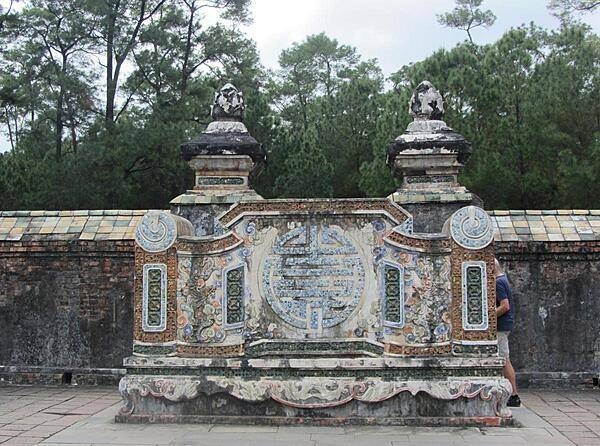
Wall hiding the sepulchre of the Emperor Tu Doc in Hue.
Wall hiding the sepulchre of the Emperor Tu Doc in Hue. • CIA World Factbook • 2020
CIA World Factbook • 2020
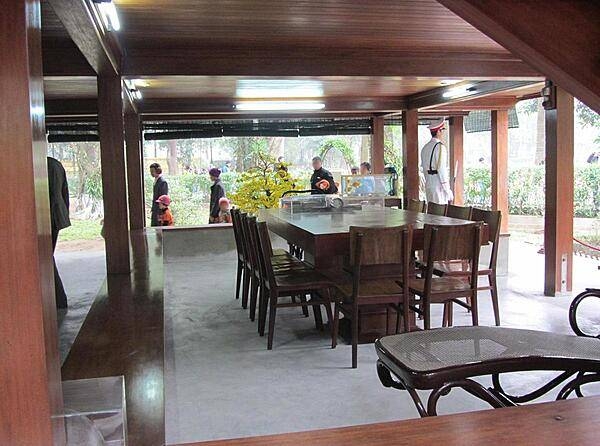
Meeting room in the outdoor office used by Ho Chi Minh on display in the Presidential Palace area near Ba Dinh Square in Hanoi. The soldier on the right is a member of the National Guard Force, which was founded by Ho Chi Minh in 1953.
Meeting room in the outdoor office used by Ho Chi Minh on display in the Presidential Palace area near Ba Dinh Square in Hanoi. The soldier on the right is a member of the National Guard Force, which was founded by Ho Chi Minh in 1953. • CIA World Factbook • 2020
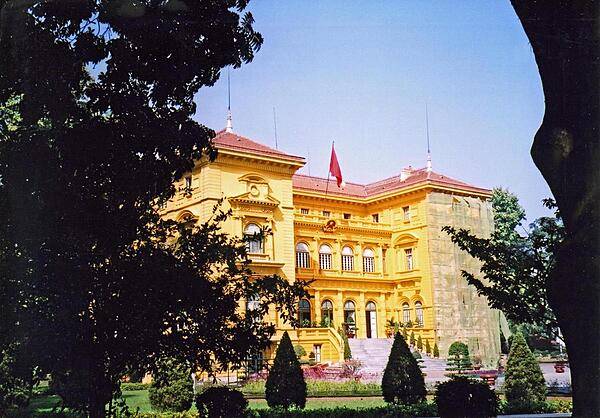
The Presidential Palace in Hanoi.
The Presidential Palace in Hanoi. • CIA World Factbook • 2020
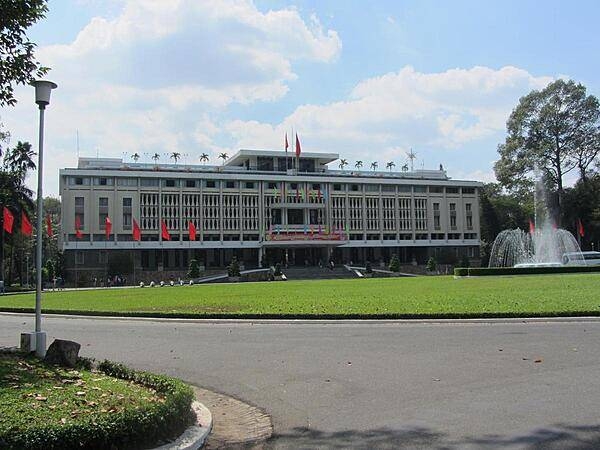
CIA World Factbook • 2020
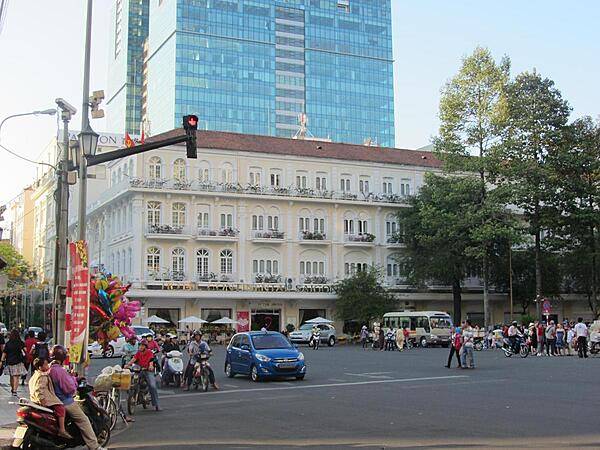
The Hotel Continental in Saigon (Ho Chi Minh City) dates to 1880 and the French colonial period. During the Vietnam War, it became popular with journalists and US military personnel. The hotel closed in 1976 and reopened in 1986; it was refurbished during 1998-99.
The Hotel Continental in Saigon (Ho Chi Minh City) dates to 1880 and the French colonial period. During the Vietnam War, it became popular with journalists and US military personnel. The hotel closed in 1976 and reopened in 1986; it was refurbished during 1998-99. • CIA World Factbook • 2020
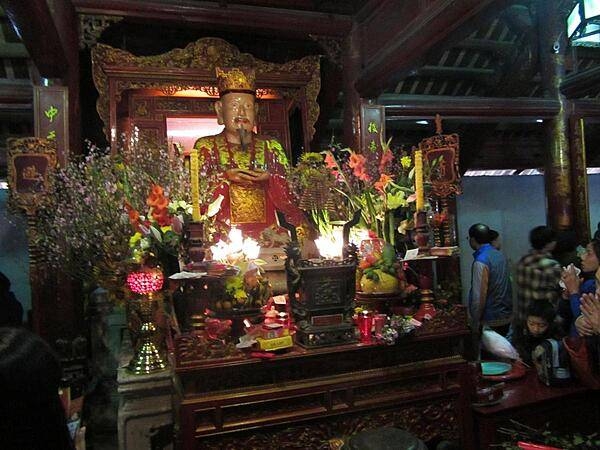
CIA World Factbook • 2020
CIA World Factbook • 2020
CIA World Factbook • 2020
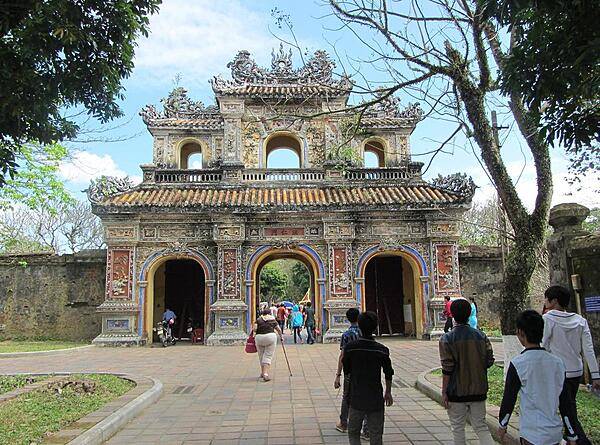
Gate leaving the grounds of the former Imperial City in Hue. Located on the Perfume River in central Vietnam, Hue was the capital of Vietnam from 1802 until 1945. A walled citadel, 2 km by 2 km, as well as a moat, surrounded the city. Inside the citadel was the Imperial City. Many of the buildings of the Imperial City were destroyed during the Vietnam War. Some reconstruction has begun.
Gate leaving the grounds of the former Imperial City in Hue. Located on the Perfume River in central Vietnam, Hue was the capital of Vietnam from 1802 until 1945. A walled citadel, 2 km by 2 km, as well as a moat, surrounded the city. Inside the citadel was the Imperial City. Many of the buildings of the Imperial City were destroyed during the Vietnam War. Some reconstruction has begun. • CIA World Factbook • 2020
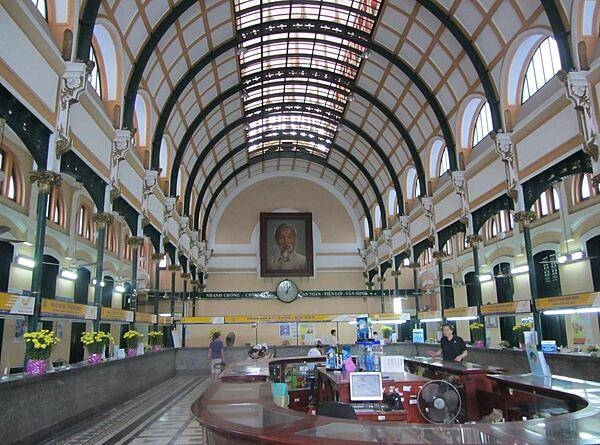
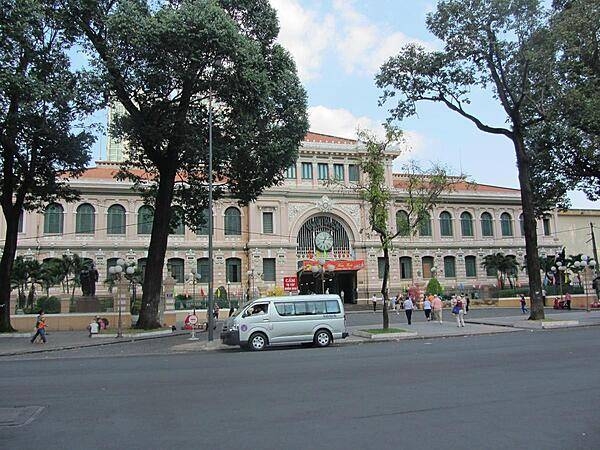
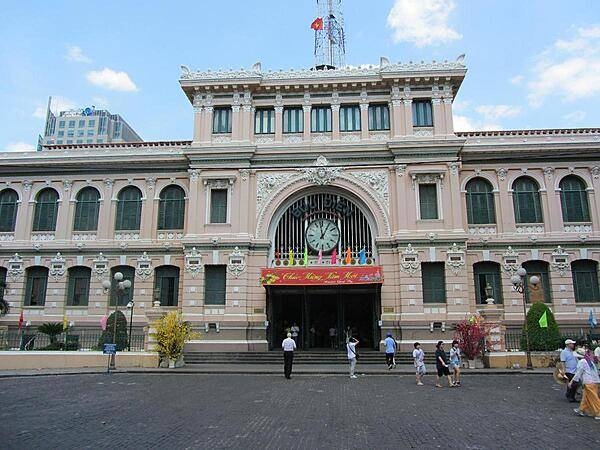
The Central Post Office in Saigon (Ho Chi Minh City) was built between 1886 and 1891 and is one of the oldest buildings in the city. Designed by Gustave Eiffel, it is still in operation. The interior has remained essentially untouched since its construction.
The Central Post Office in Saigon (Ho Chi Minh City) was built between 1886 and 1891 and is one of the oldest buildings in the city. Designed by Gustave Eiffel, it is still in operation. The interior has remained essentially untouched since its construction. • CIA World Factbook • 2020
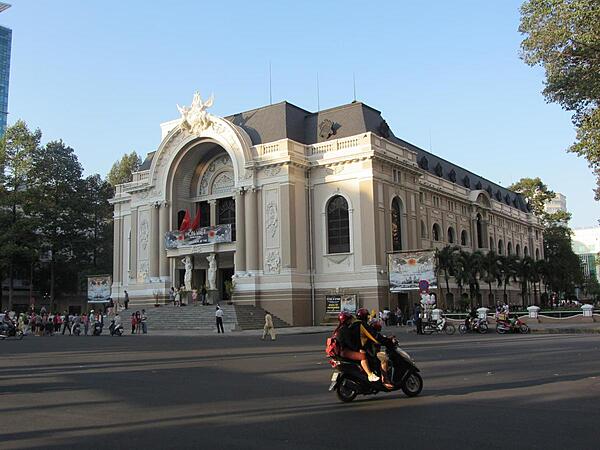
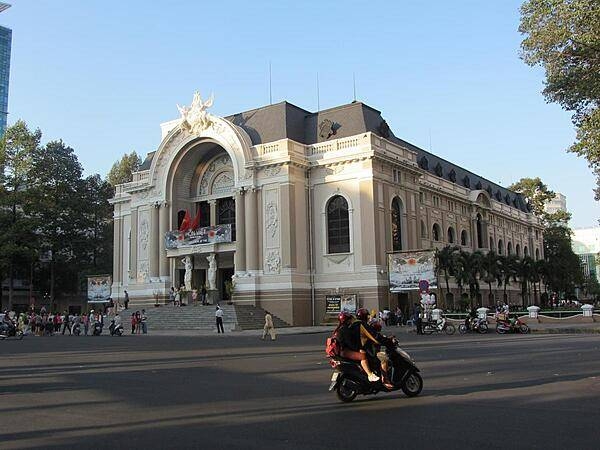
The Municipal Theater in Saigon (Ho Chi Minh City) is also known as the Saigon Opera House. Built in 1897, it is a fine example of French colonial architecture. The building was used as the home of the Lower House of the Assembly of South Vietnam from 1956 to 1975. It functioned as a theater after that date and was restored in 1995.
The Municipal Theater in Saigon (Ho Chi Minh City) is also known as the Saigon Opera House. Built in 1897, it is a fine example of French colonial architecture. The building was used as the home of the Lower House of the Assembly of South Vietnam from 1956 to 1975. It functioned as a theater after that date and was restored in 1995. • CIA World Factbook • 2020
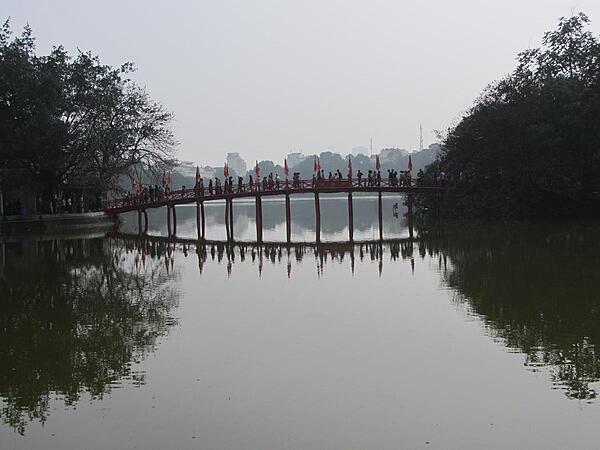
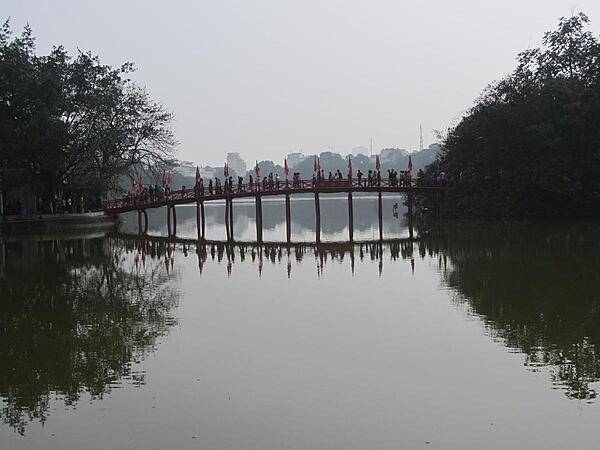
Footbridge over Hoan Kiem Lake in the center of Hanoi.
Footbridge over Hoan Kiem Lake in the center of Hanoi. • CIA World Factbook • 2020
CIA World Factbook • 2020
CIA World Factbook • 2020
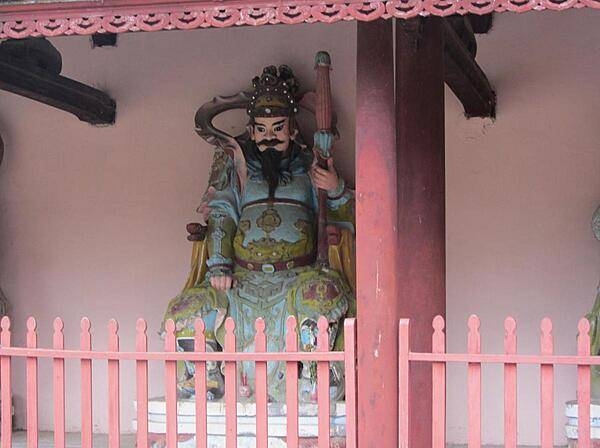
A figure at the Thien Mu Pagoda in the city of Hue.
A figure at the Thien Mu Pagoda in the city of Hue. • CIA World Factbook • 2020
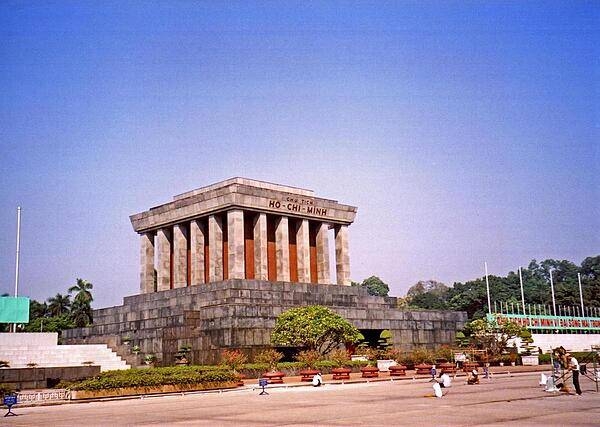
The Mausoleum of Ho Chi Minh in Hanoi.
The Mausoleum of Ho Chi Minh in Hanoi. • CIA World Factbook • 2020
CIA World Factbook • 2020
CIA World Factbook • 2020
CIA World Factbook • 2020
CIA World Factbook • 2020
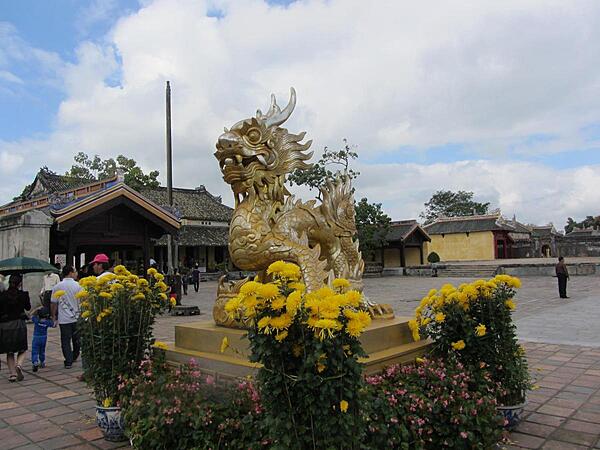
Figure on the grounds of the former Imperial City in Hue. Located on the Perfume River in central Vietnam, Hue was the capital of Vietnam from 1802 until 1945. A walled citadel, 2 km by 2 km, as well as a moat, surrounded the city. Inside the citadel was the Imperial City. Many of the buildings of the Imperial City were destroyed during the Vietnam War. Some reconstruction has begun.
Figure on the grounds of the former Imperial City in Hue. Located on the Perfume River in central Vietnam, Hue was the capital of Vietnam from 1802 until 1945. A walled citadel, 2 km by 2 km, as well as a moat, surrounded the city. Inside the citadel was the Imperial City. Many of the buildings of the Imperial City were destroyed during the Vietnam War. Some reconstruction has begun. • CIA World Factbook • 2020
CIA World Factbook • 2020
CIA World Factbook • 2020
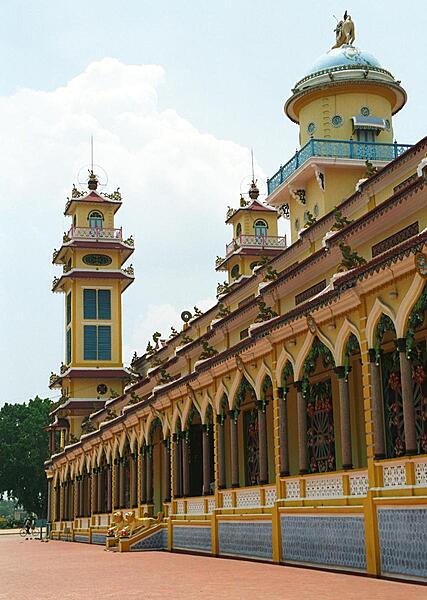
The Cao Dai Temple, located in Tay Ninh.
The Cao Dai Temple, located in Tay Ninh. • CIA World Factbook • 2020
CIA World Factbook • 2020
CIA World Factbook • 2020
CIA World Factbook • 2020
CIA World Factbook • 2020
CIA World Factbook • 2020
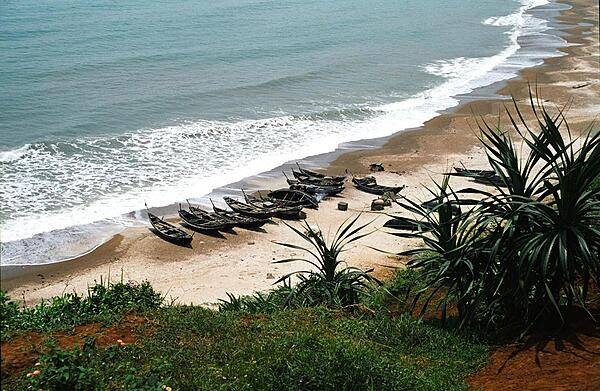
Fishing boats along the coast of the South China Sea in Vinh Moc.
Fishing boats along the coast of the South China Sea in Vinh Moc. • CIA World Factbook • 2020
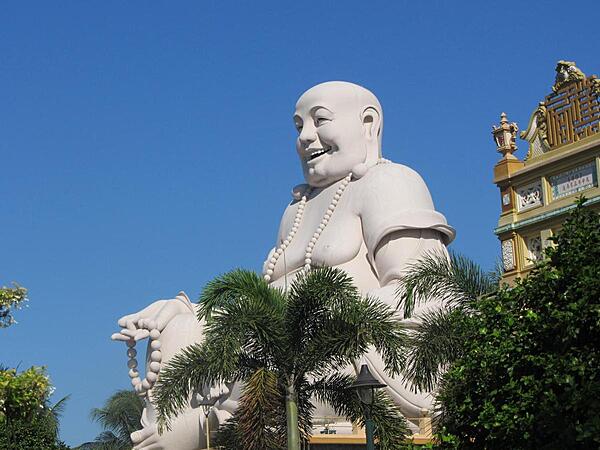
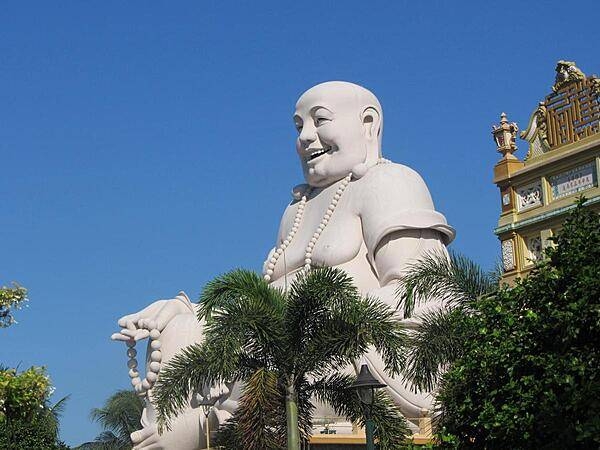
Laughing Buddha at the Vinh Trang Pagoda near the city of My Tho. First completed in 1851, the Vinh Trang temple has been reconstructed a number of times.
Laughing Buddha at the Vinh Trang Pagoda near the city of My Tho. First completed in 1851, the Vinh Trang temple has been reconstructed a number of times. • CIA World Factbook • 2020
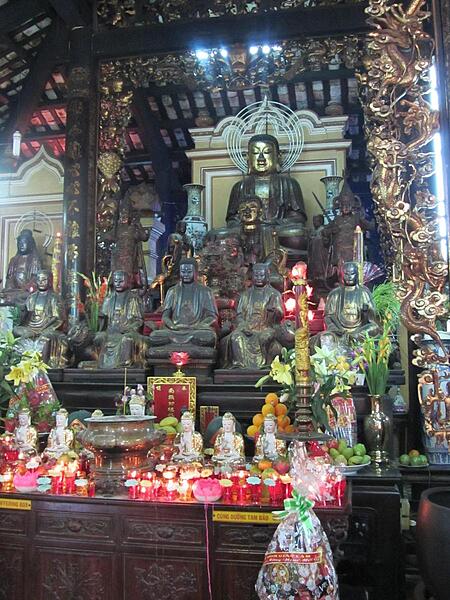
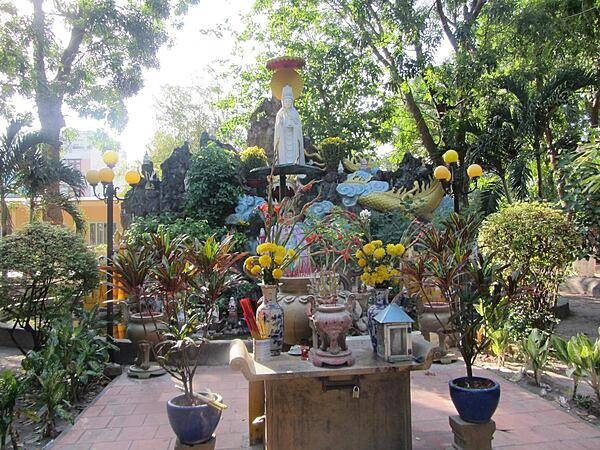
The Giac Lam Pagoda in Saigon (Ho Chi Minh City) was built in 1774; it is a unique temple where Taoism and Confucianism merge with Buddhism. The pagoda compound includes ornate tombs, a rare bodhi tree, and a statue of Quan The Am Bo That, the Goddess of Mercy.
The Giac Lam Pagoda in Saigon (Ho Chi Minh City) was built in 1774; it is a unique temple where Taoism and Confucianism merge with Buddhism. The pagoda compound includes ornate tombs, a rare bodhi tree, and a statue of Quan The Am Bo That, the Goddess of Mercy. • CIA World Factbook • 2020
CIA World Factbook • 2020
CIA World Factbook • 2020
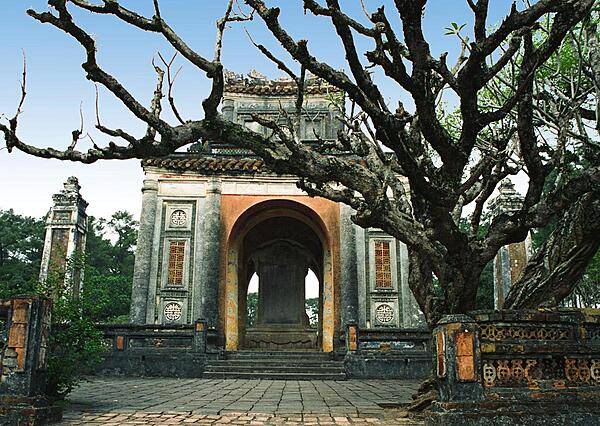
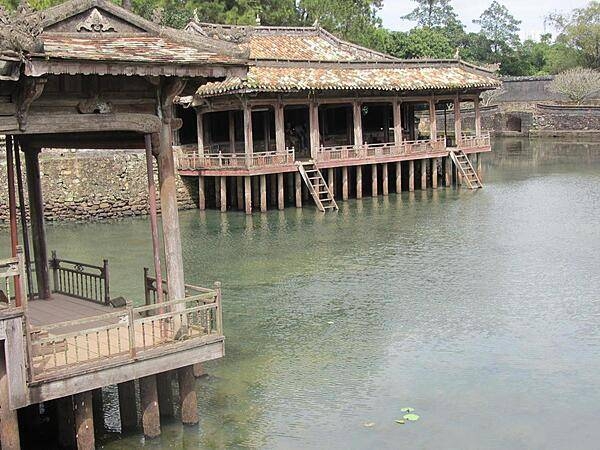
The Stele Pavilion is one of many structures comprising the imperial tomb of Emperor Tu Duc (reigned 1847-1883). Located approximately (8 km; 5 mi) from the former imperial capital of Hue, it contains a large stone tablet (stele) inscribed with the deeds of the emperor.
The Stele Pavilion is one of many structures comprising the imperial tomb of Emperor Tu Duc (reigned 1847-1883). Located approximately (8 km; 5 mi) from the former imperial capital of Hue, it contains a large stone tablet (stele) inscribed with the deeds of the emperor. • CIA World Factbook • 2020
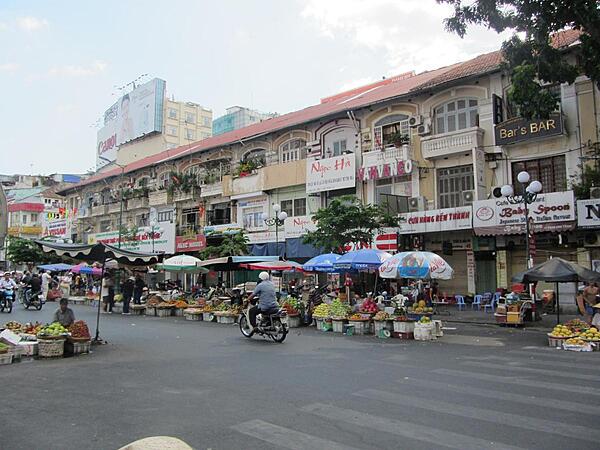
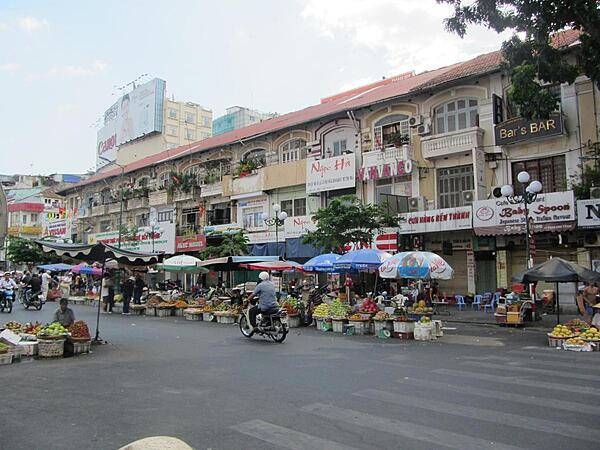
Typical market in Saigon (Ho Chi Minh City), the buildings in the background are from the French colonial era.
Typical market in Saigon (Ho Chi Minh City), the buildings in the background are from the French colonial era. • CIA World Factbook • 2020
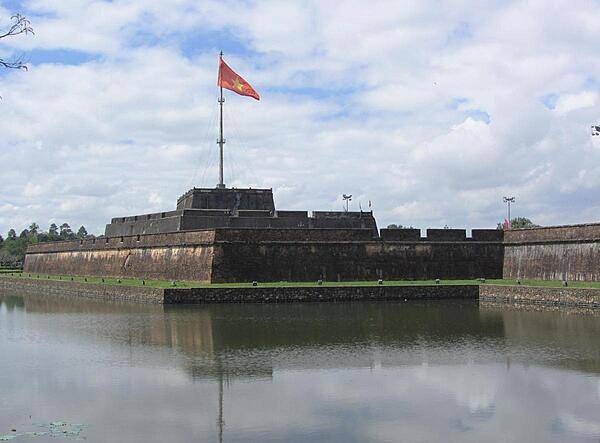
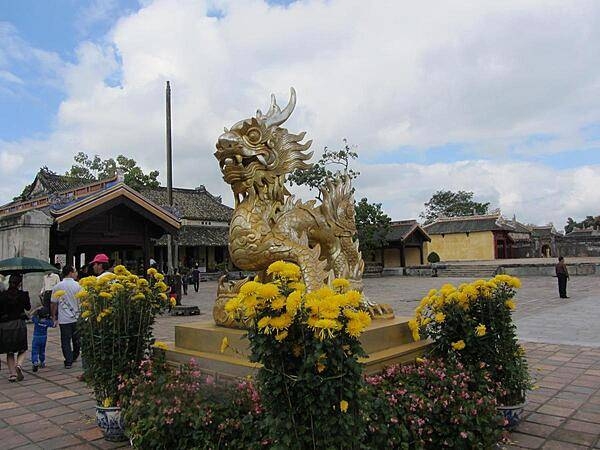
Flag tower in Hue, the former imperial capital of Vietnam. Located on the Perfume River in central Vietnam, Hue was the capital of Vietnam from 1802 until 1945. A walled citadel, 2 km by 2 km, as well as a moat, surrounded the city. Inside the citadel was the Imperial City. Many of the buildings of the Imperial City were destroyed during the Vietnam War. Some reconstruction has begun.
Flag tower in Hue, the former imperial capital of Vietnam. Located on the Perfume River in central Vietnam, Hue was the capital of Vietnam from 1802 until 1945. A walled citadel, 2 km by 2 km, as well as a moat, surrounded the city. Inside the citadel was the Imperial City. Many of the buildings of the Imperial City were destroyed during the Vietnam War. Some reconstruction has begun. • CIA World Factbook • 2020
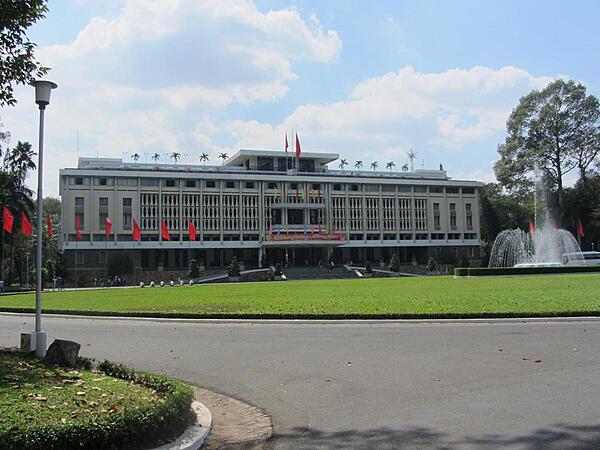
Reunification Palace in Saigon (Ho Chi Minh City). The palace was built between 1962 and 1966 on the site of the former Norodom Palace. It was the official headquarters and residence of the president of South Vietnam. The building was captured by North Vietnamese forces on 30 April 1975 and is now a museum with exhibits frozen in time from 1975.
Reunification Palace in Saigon (Ho Chi Minh City). The palace was built between 1962 and 1966 on the site of the former Norodom Palace. It was the official headquarters and residence of the president of South Vietnam. The building was captured by North Vietnamese forces on 30 April 1975 and is now a museum with exhibits frozen in time from 1975. • CIA World Factbook • 2020
CIA World Factbook • 2020
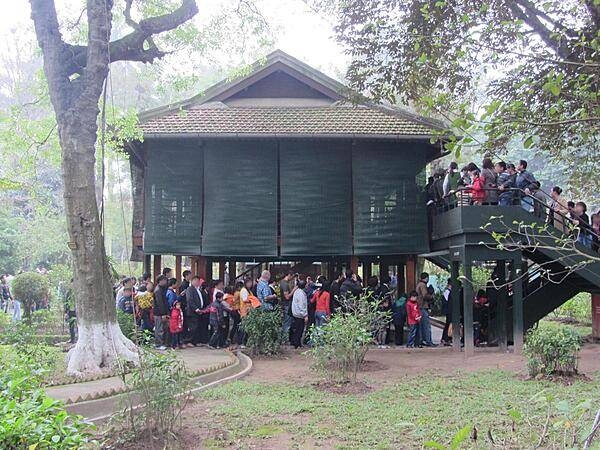
Outdoor office used by Ho Chi Minh, on display in the Presidential Palace area near Ba Dinh Square in Hanoi.
Outdoor office used by Ho Chi Minh, on display in the Presidential Palace area near Ba Dinh Square in Hanoi. • CIA World Factbook • 2020
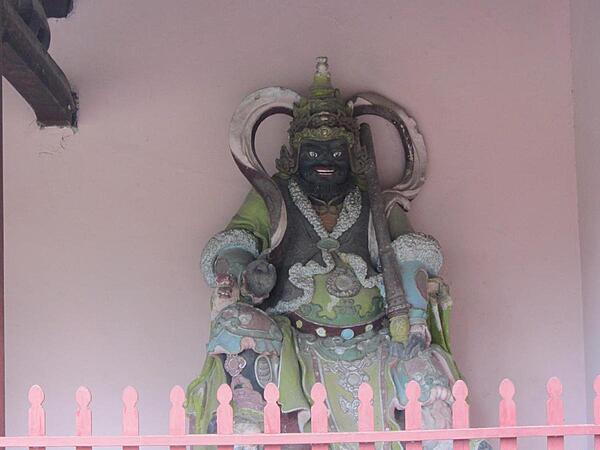
A figure at the Thien Mu Pagoda in the city of Hue.
A figure at the Thien Mu Pagoda in the city of Hue. • CIA World Factbook • 2020
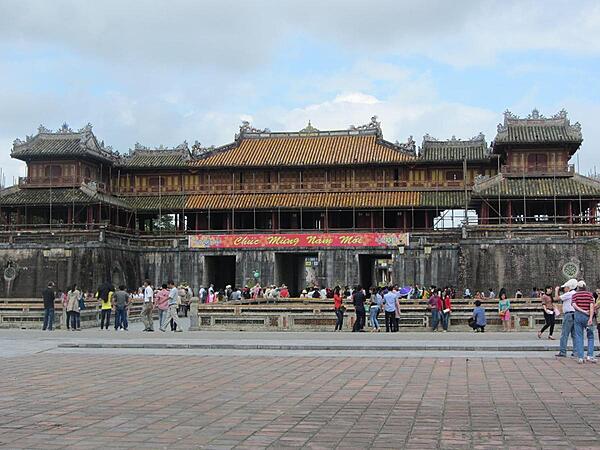
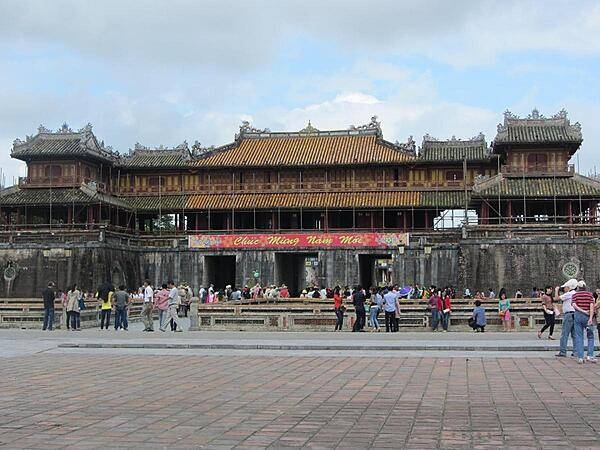
Main gates of the former Imperial City of Hue. Located on the Perfume River in central Vietnam, Hue was the capital of Vietnam from 1802 until 1945. A walled citadel, 2 km by 2 km, as well as a moat, surrounded the city. Inside the citadel was the Imperial City. Many of the buildings of the Imperial City were destroyed during the Vietnam War. Some reconstruction has begun.
Main gates of the former Imperial City of Hue. Located on the Perfume River in central Vietnam, Hue was the capital of Vietnam from 1802 until 1945. A walled citadel, 2 km by 2 km, as well as a moat, surrounded the city. Inside the citadel was the Imperial City. Many of the buildings of the Imperial City were destroyed during the Vietnam War. Some reconstruction has begun. • CIA World Factbook • 2020
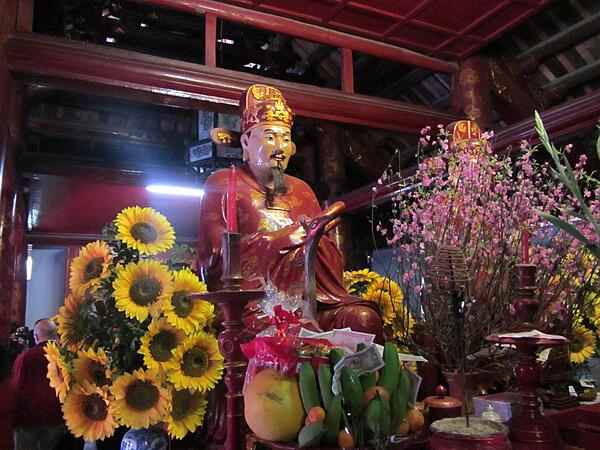
Buddha in the Temple of Literature in Hanoi. The temple was built in 1070 by Emperor Ly Thanh Tong in honor of the Chinese philosopher Confucius.
Buddha in the Temple of Literature in Hanoi. The temple was built in 1070 by Emperor Ly Thanh Tong in honor of the Chinese philosopher Confucius. • CIA World Factbook • 2020
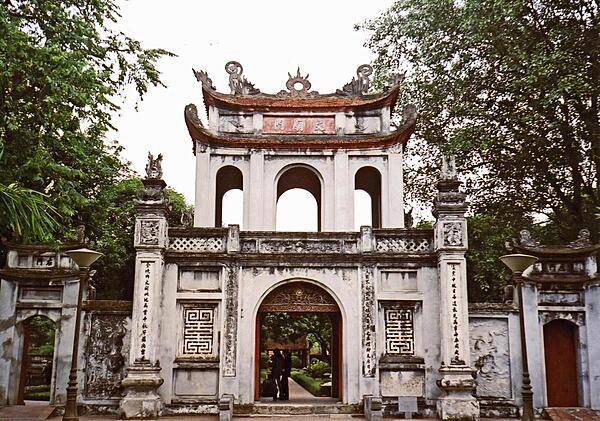
Gateway to the Temple of Literature in Hanoi. The temple was built in 1070 by Emperor Ly Thanh Tong in honor of the Chinese philosopher Confucius.
Gateway to the Temple of Literature in Hanoi. The temple was built in 1070 by Emperor Ly Thanh Tong in honor of the Chinese philosopher Confucius. • CIA World Factbook • 2020
CIA World Factbook • 2020
CIA World Factbook • 2020
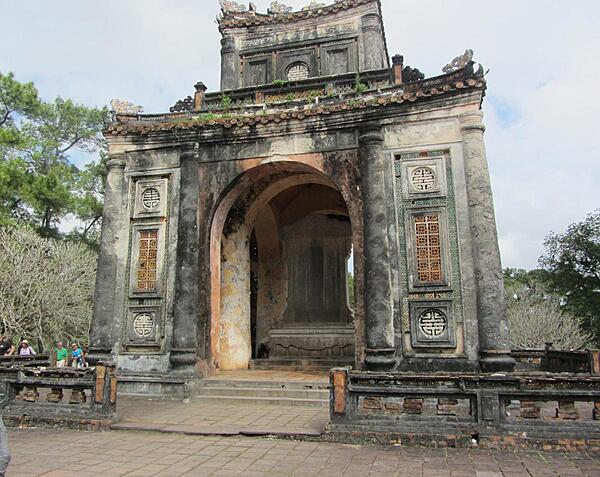
The Stele Pavilion outside the sepulchre of the Emperor Tu Doc in Hue.
The Stele Pavilion outside the sepulchre of the Emperor Tu Doc in Hue. • CIA World Factbook • 2020
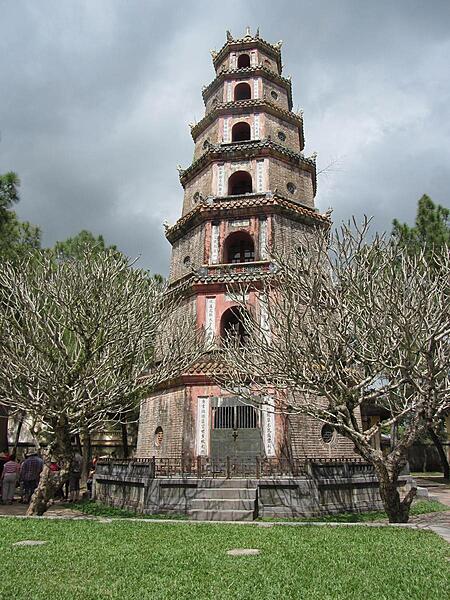
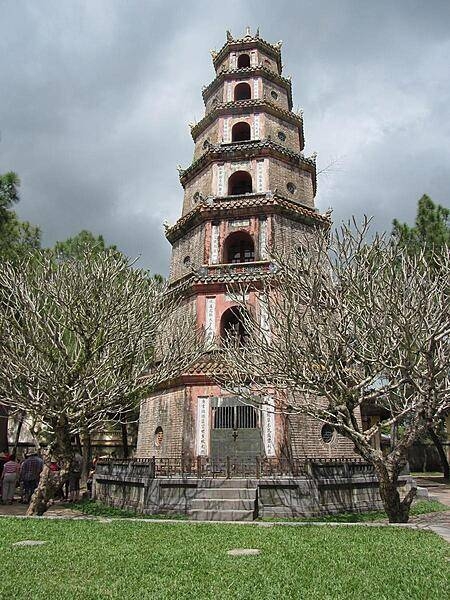
Thien Mu Pagoda is a historic temple in the city of Hue. Its Tu Nhan Tower (now Phuroc Duyen Tower) was built in 1844 with seven storeys and is the tallest in Vietnam (21 m; 69 ft). Each of the seven storeys is dedicated to a different Buddha. The pagoda, about 3 km (2 mi) from the citadel in Hue on the northern bank of the Perfume River, is often regarded as the unofficial symbol of the city. The first temple on the site was built in 1601.
Thien Mu Pagoda is a historic temple in the city of Hue. Its Tu Nhan Tower (now Phuroc Duyen Tower) was built in 1844 with seven storeys and is the tallest in Vietnam (21 m; 69 ft). Each of the seven storeys is dedicated to a different Buddha. The pagoda, about 3 km (2 mi) from the citadel in Hue on the northern bank of the Perfume River, is often regarded as the unofficial symbol of the city. The first temple on the site was built in 1601. • CIA World Factbook • 2020
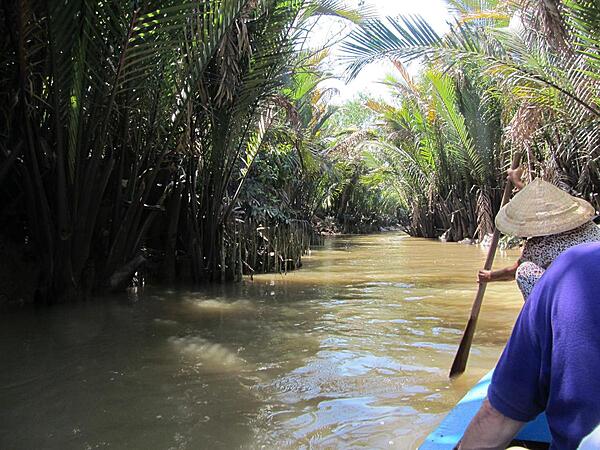
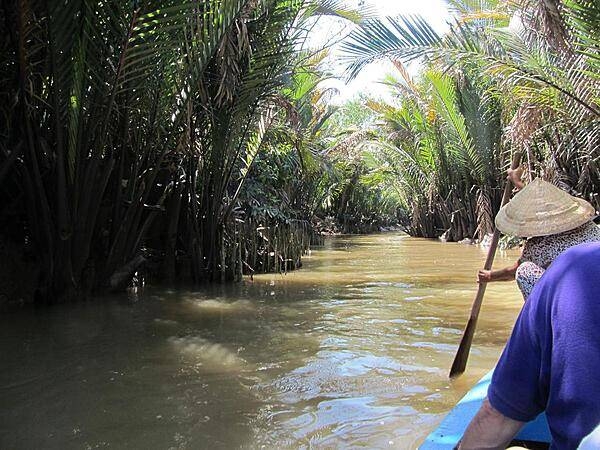
Canal ride on Thoi San Island (Unicorn Island) on the My Tho River near the city of My Tho. The My Tho River is a branch of the Mekong River.
Canal ride on Thoi San Island (Unicorn Island) on the My Tho River near the city of My Tho. The My Tho River is a branch of the Mekong River. • CIA World Factbook • 2020
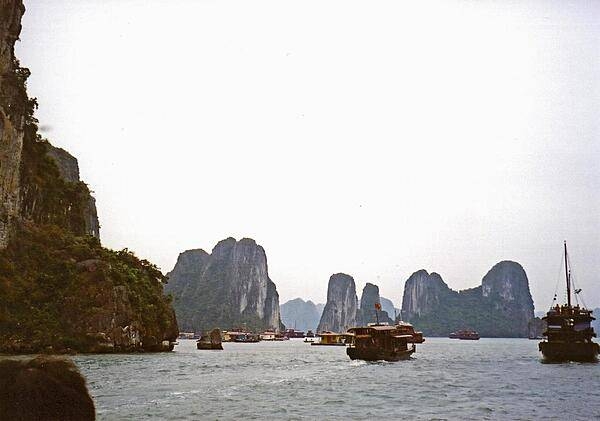
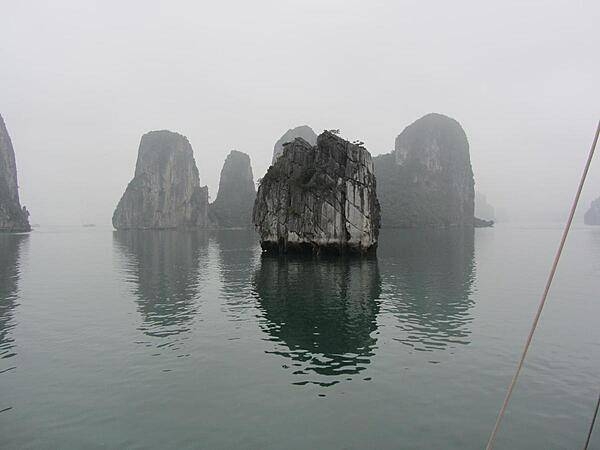
Ha Long Bay includes a dense cluster of roughly 2,000, generally small limestone isles of various shapes and sizes, each covered with thick jungle vegetation. Several of the islands are hollow, with enormous caves.
Ha Long Bay includes a dense cluster of roughly 2,000, generally small limestone isles of various shapes and sizes, each covered with thick jungle vegetation. Several of the islands are hollow, with enormous caves. • CIA World Factbook • 2020
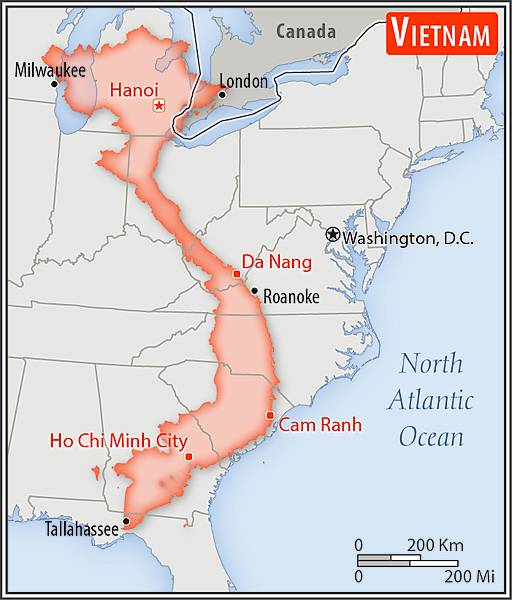
Area comparison map
Area comparison map • CIA World Factbook • 2020
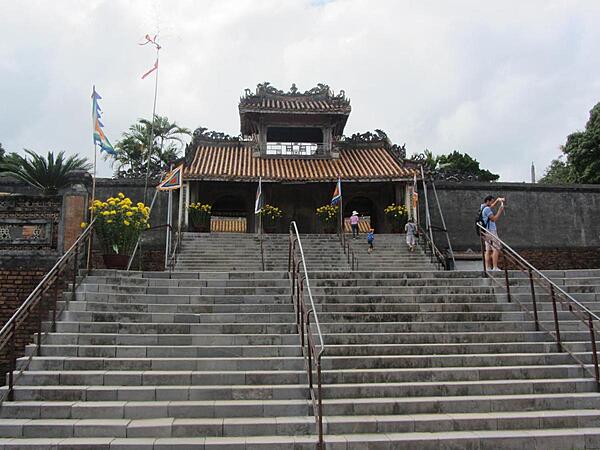
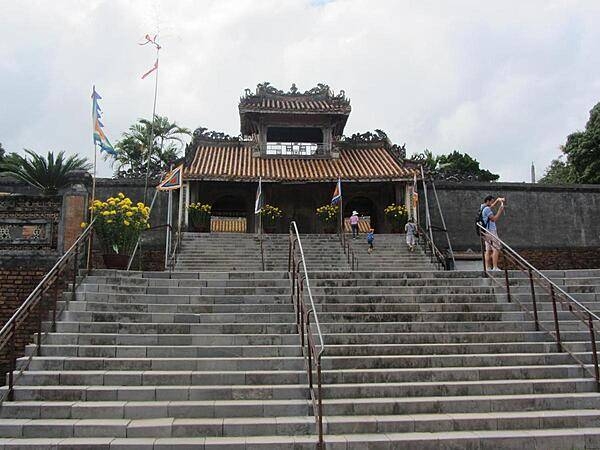
The Khiem Cung Gate at the Emperor Tu Doc Tomb in Hue. Tu Doc ruled Vietnam from 1848 to 1883; his tomb complex was built between 1864-67. Tu Doc lived at the luxurious complex after its construction along with his 100 wives and concubines.
The Khiem Cung Gate at the Emperor Tu Doc Tomb in Hue. Tu Doc ruled Vietnam from 1848 to 1883; his tomb complex was built between 1864-67. Tu Doc lived at the luxurious complex after its construction along with his 100 wives and concubines. • CIA World Factbook • 2020
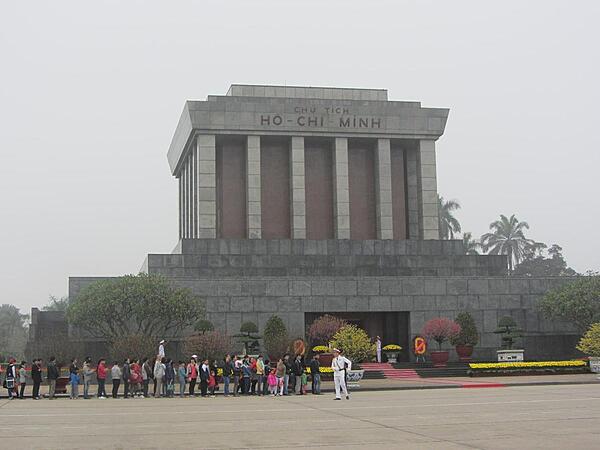
The Ho Chi Minh Mausoleum on Ba Dinh Square in Hanoi. Completed in 1975, it contains the embalmed body of Ho Chi Minh.
The Ho Chi Minh Mausoleum on Ba Dinh Square in Hanoi. Completed in 1975, it contains the embalmed body of Ho Chi Minh. • CIA World Factbook • 2020
Media source: CIA World Factbook (2020) — Public Domain